 John Michael Rysbrack佛兰德, 1694–1770
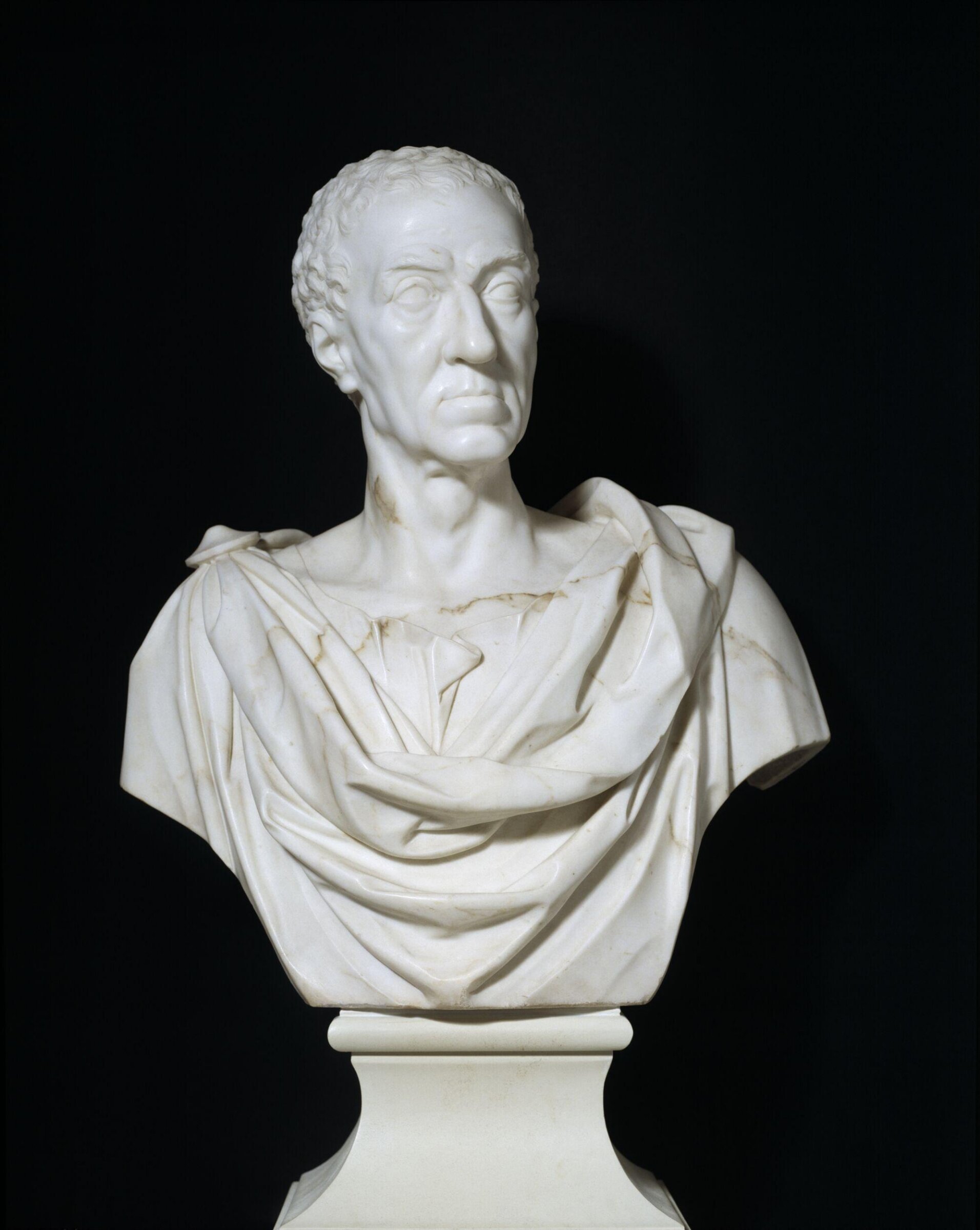
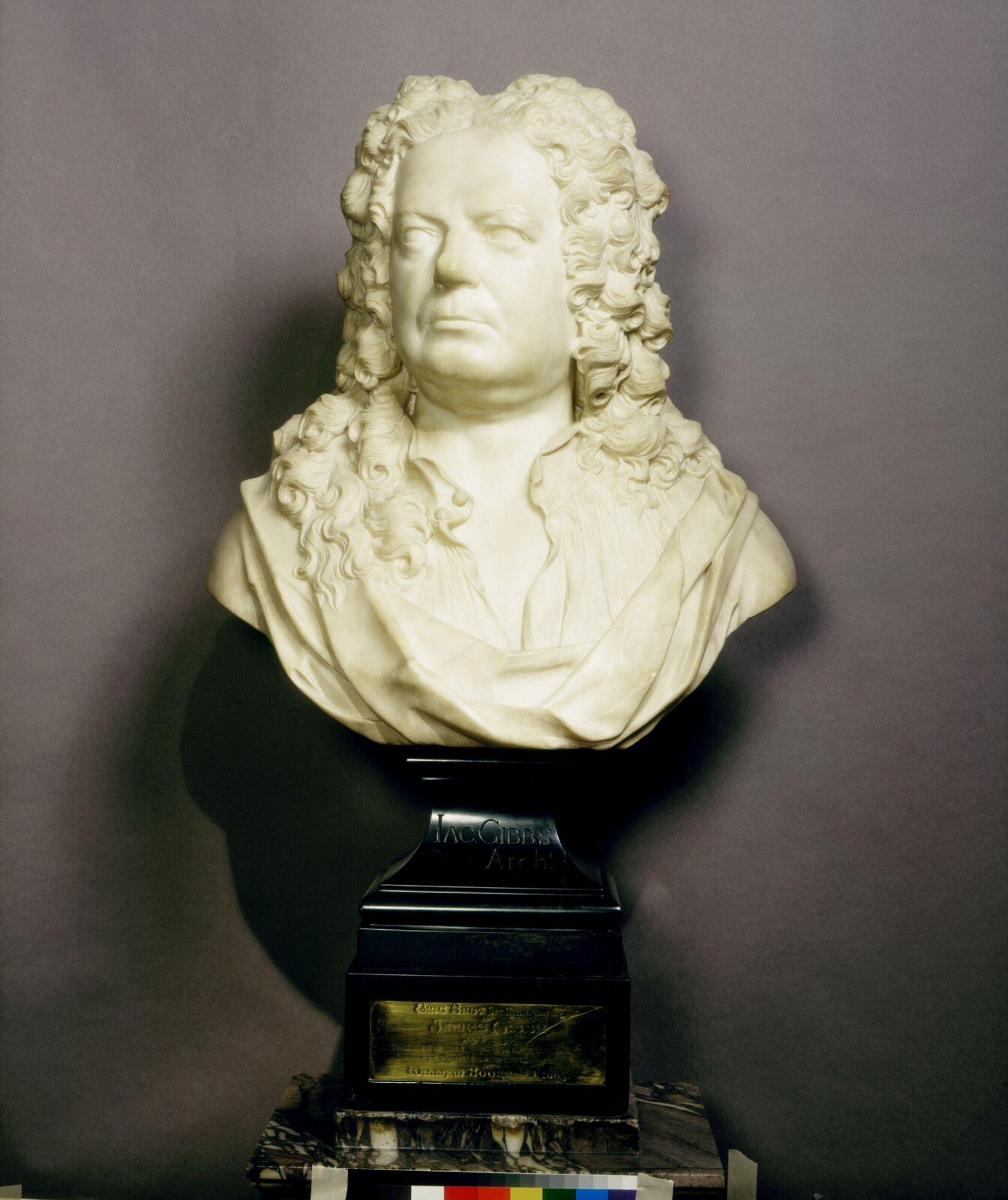
The Architect James Gibbs
可否一睹真容?
可以,正在迎客

正对公众展出。
- 核实
- 此状态始于
- 出处
- 博物馆
关于这件雕塑
Object Type
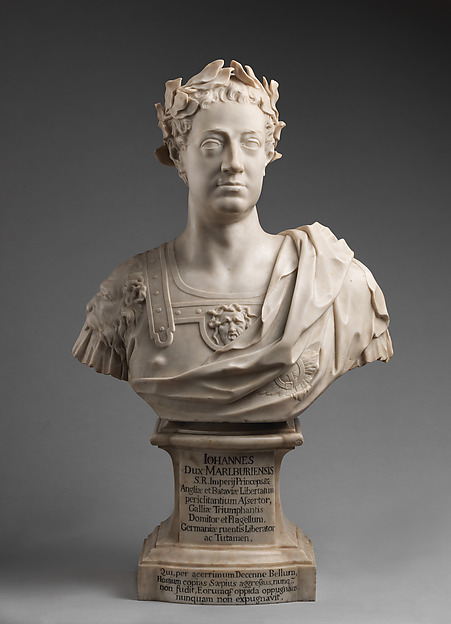
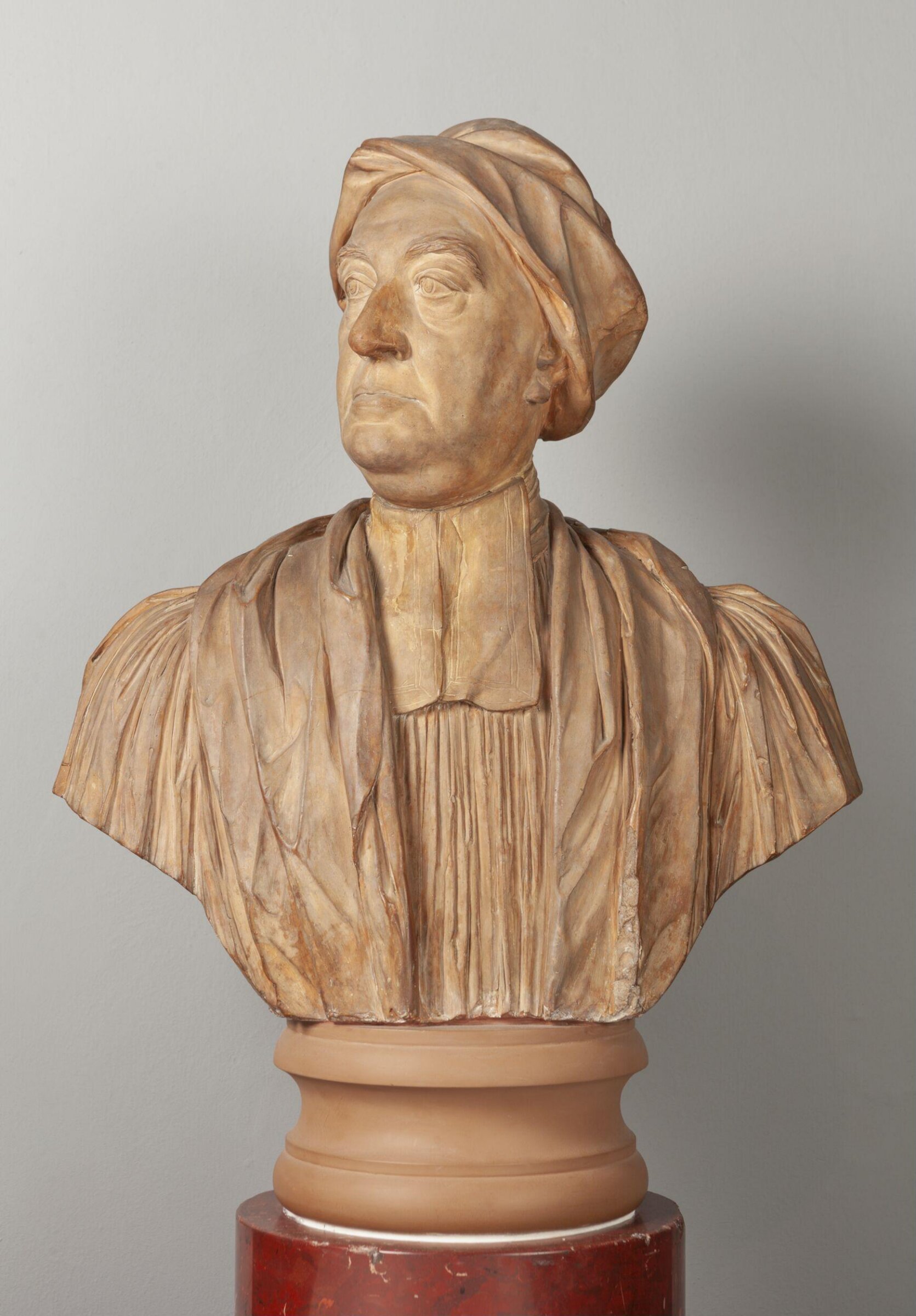
This portrait bust of the architect James Gibbs (1682-1754) was made by his friend and associate John Michael Rysbrack (1694-1770). Gibbs commissioned the bust, and it remained in his ownership until his death (see Balderstaon 2001, pp. 9-15). He is shown wearing a wig and dressed in casually (the shirt unbuttoned at the neck); another bust of Gibbs, also by Rysbrack, belonging to the Bodleian Library, Oxford, and now shown in the Radcliffe Camera, depicts the sitter in a more classicising mode, without a wig, and bare-chested. Gibbs and Rysbrack lived near one another on the Harley estate north of Oxford Street in London. They collaborated together on a number of projects, notably monuments in Westminster Abbey (designed by Gibbs, and executed by Rysbrack), and garden ornaments and sculpture for the grounds at Stowe House, Buckinghamshire.
People
继续阅读
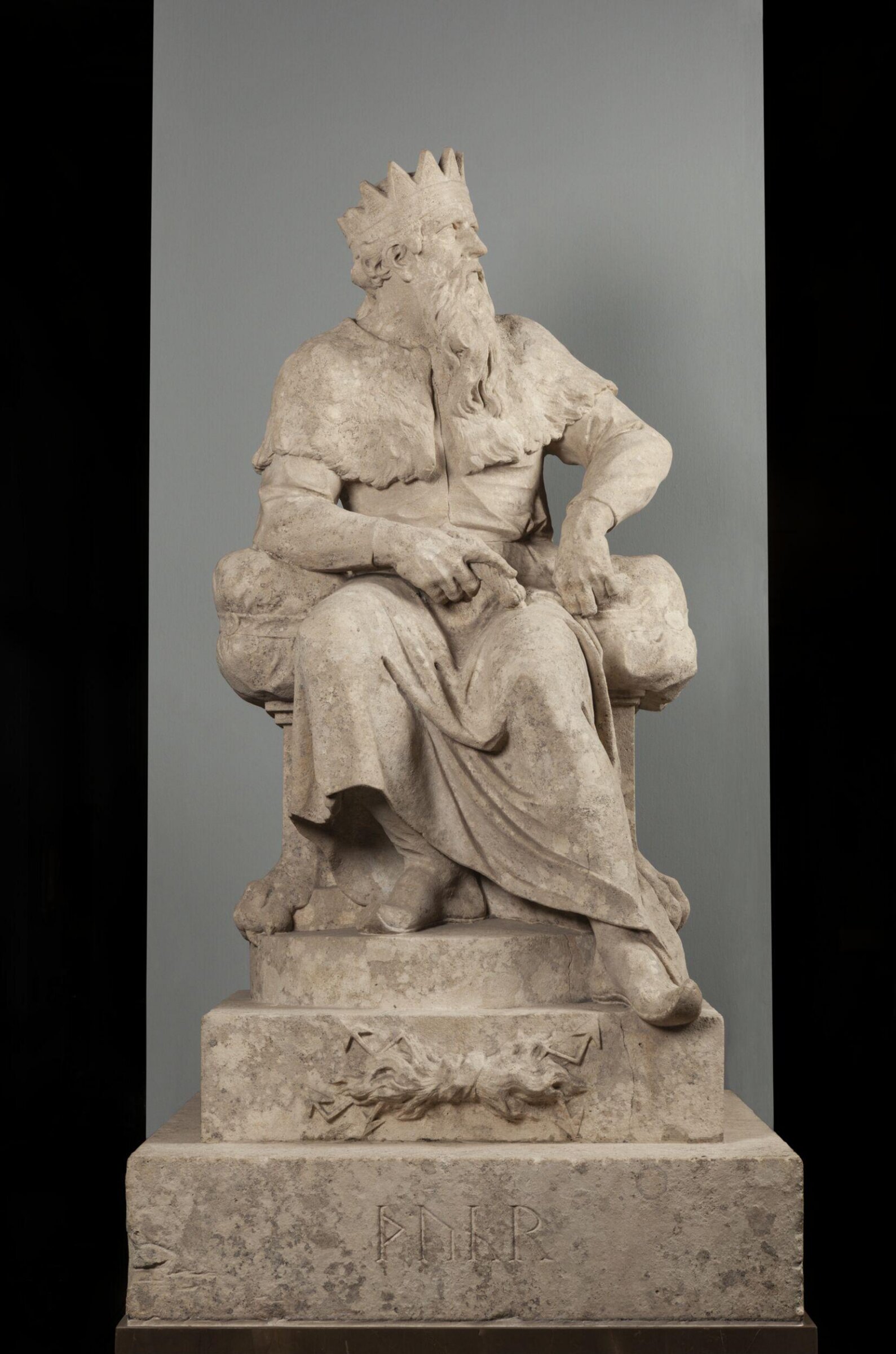
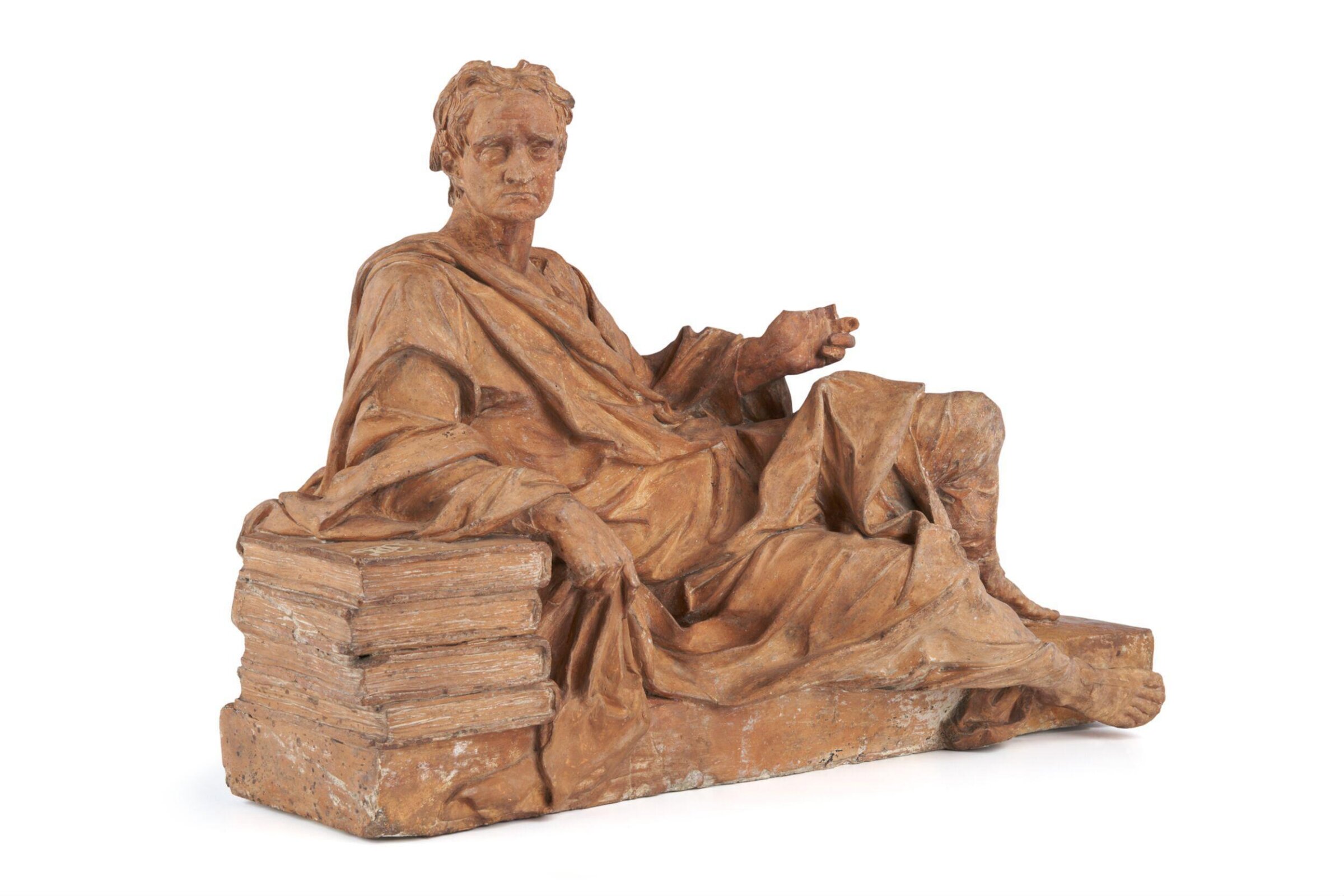
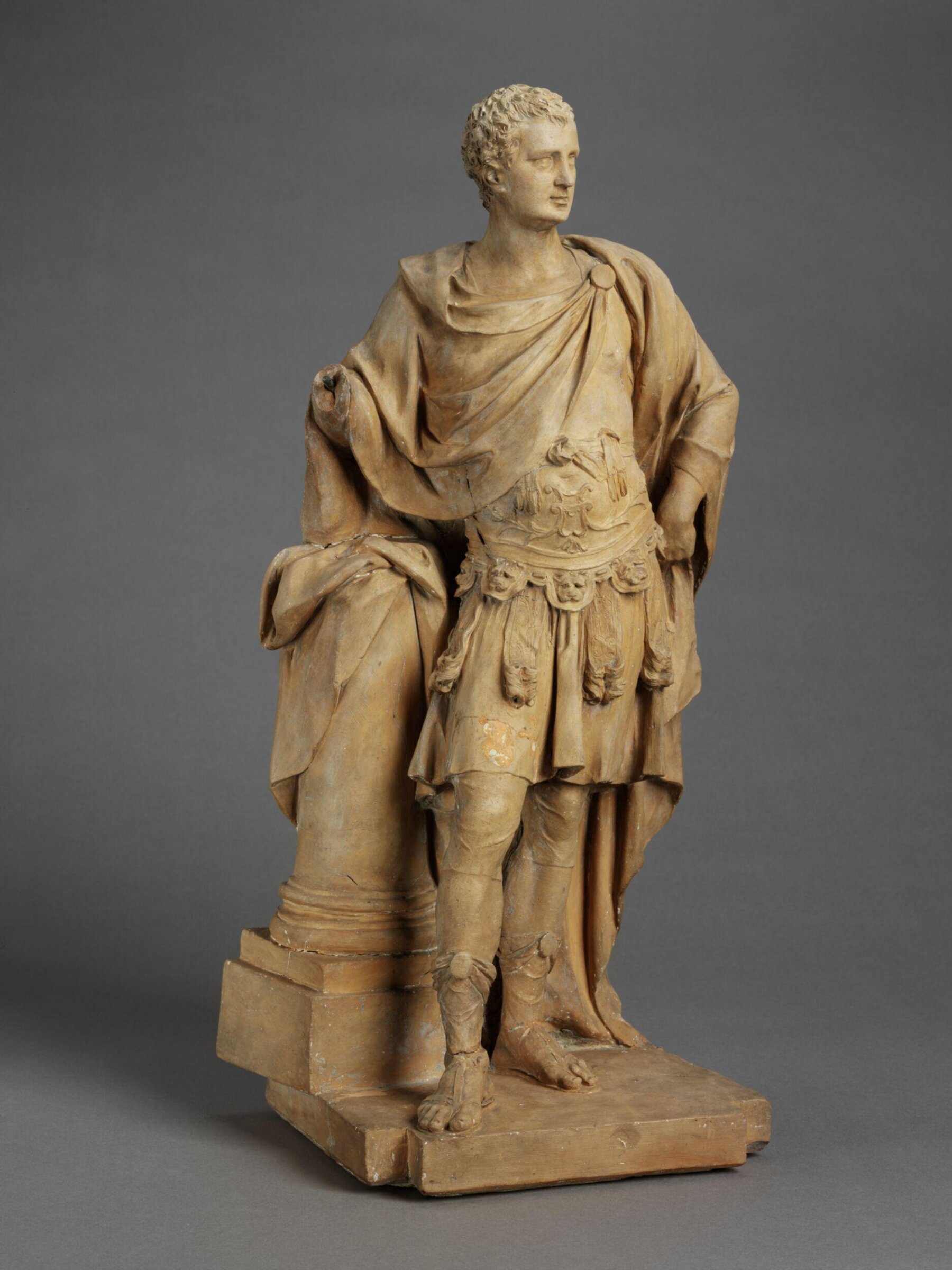
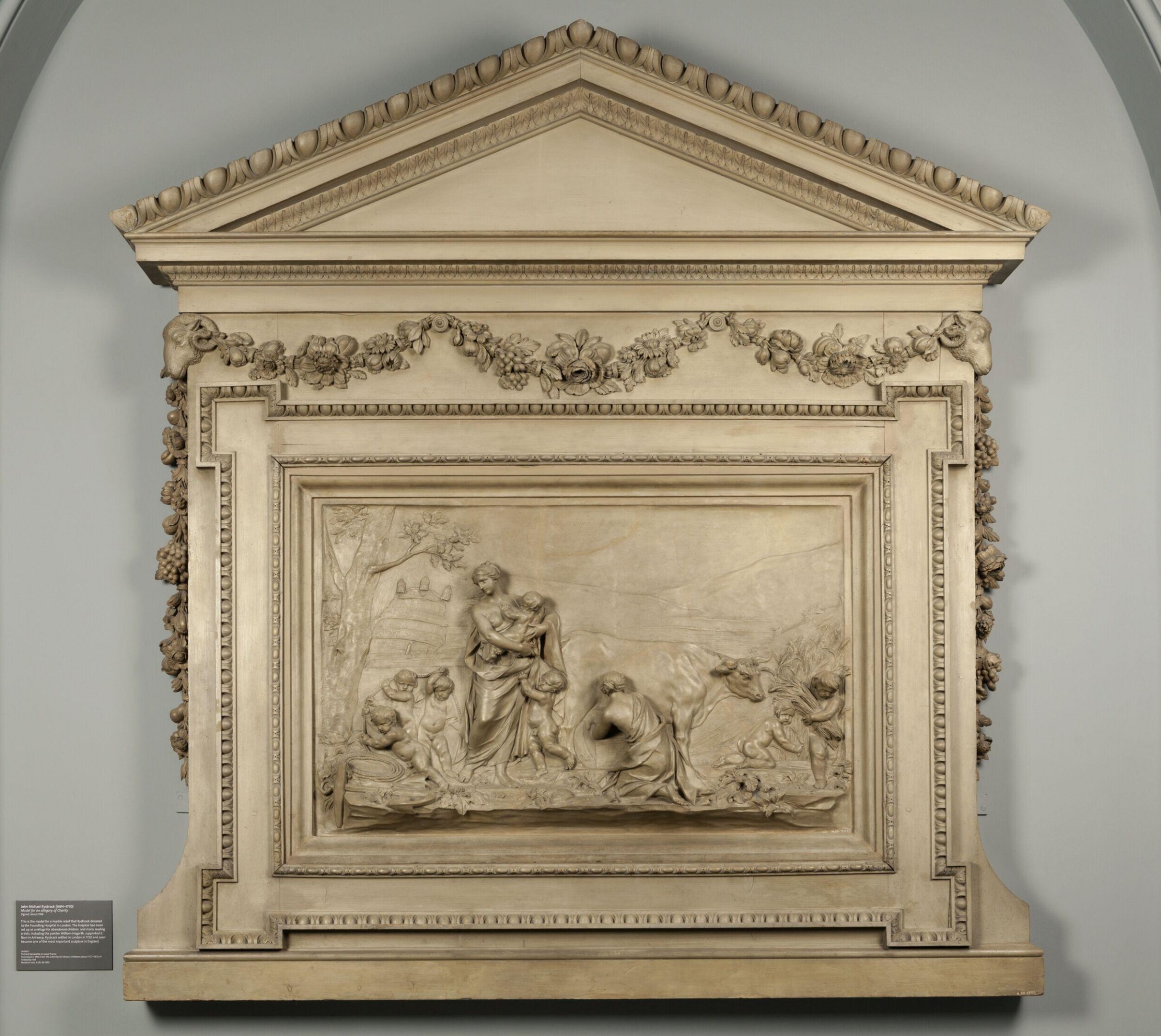
John Michael Rysbrack (1694-1770) was one of the leading sculptors of his day, and, along with Louis Fran‡ois Roubiliac, was one of the most important sculptors active in Britain in the first half of the 18th century. He was a native of Antwerp, but arrived in England in 1720 and carried out all his known work in this country. He specialised in portrait busts, such as this one, and tomb monuments, many of which are in Westminster Abbey. He also collaborated on sculpture for the grounds at Stowe, and most notably sculpted a series in limestone of seven Saxon gods, two of which (Thuner and Sunna) are in the V&A.
Materials & Making
This bust is carved in marble, one of the most popular materials for portrait busts in the 18th century, although busts were also commissioned in terracotta, bronze, lead and plaster. Rysbrack almost certainly initially modelled the bust from the life in clay, which was then perhaps fired to form terracotta, and this used in turn to cast a plaster model from which the bust would be carved. If all these stages were indeed part of the process for the present bust (and certainly at least one form of initial full-size model would have been necessary), unfortunately none of the other versions has survived. Rysbrack trained in the Low Countries, where modelling terracotta was an established practice as a preliminary to a finished marble piece.
维多利亚和阿尔伯特博物馆
作品信息
- 馆藏编号
- A.6-1988
画面内容
已收入目录
出处
- 维多利亚和阿尔伯特博物馆
- 图片: 维多利亚和阿尔伯特博物馆 — © Victoria and Albert Museum, London