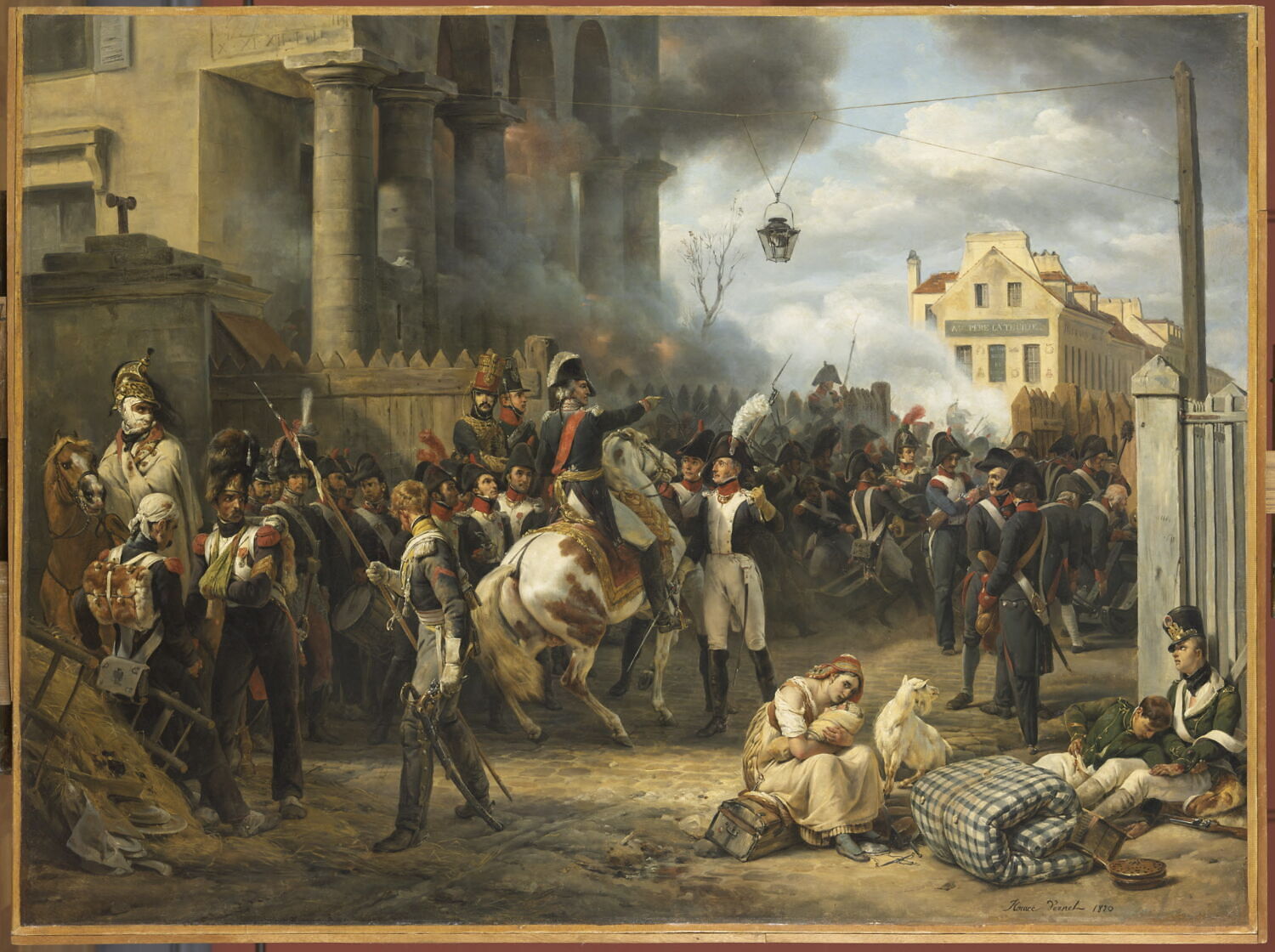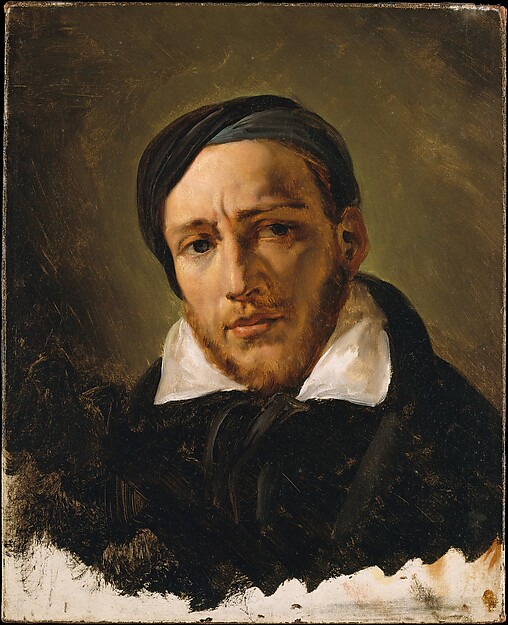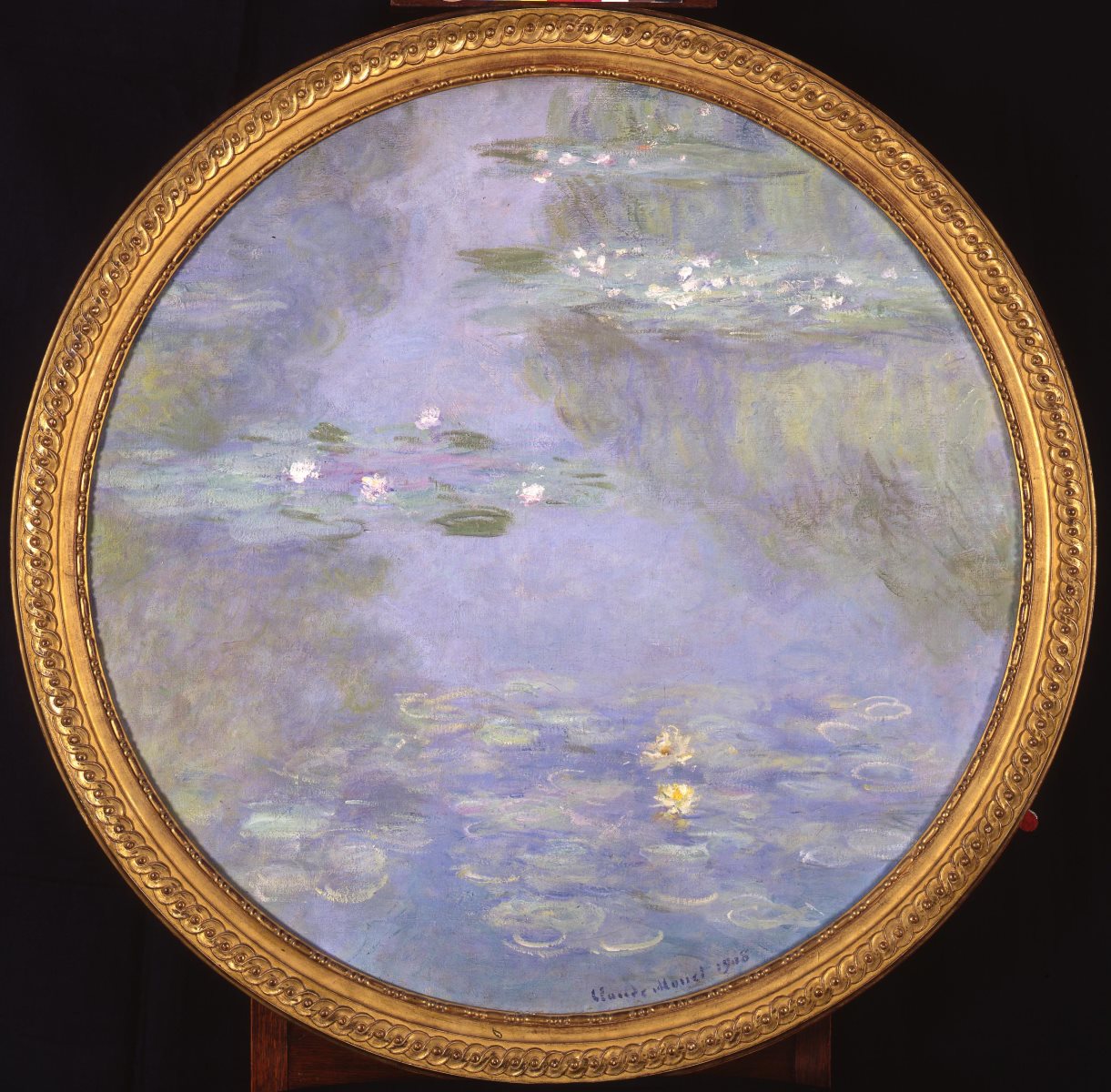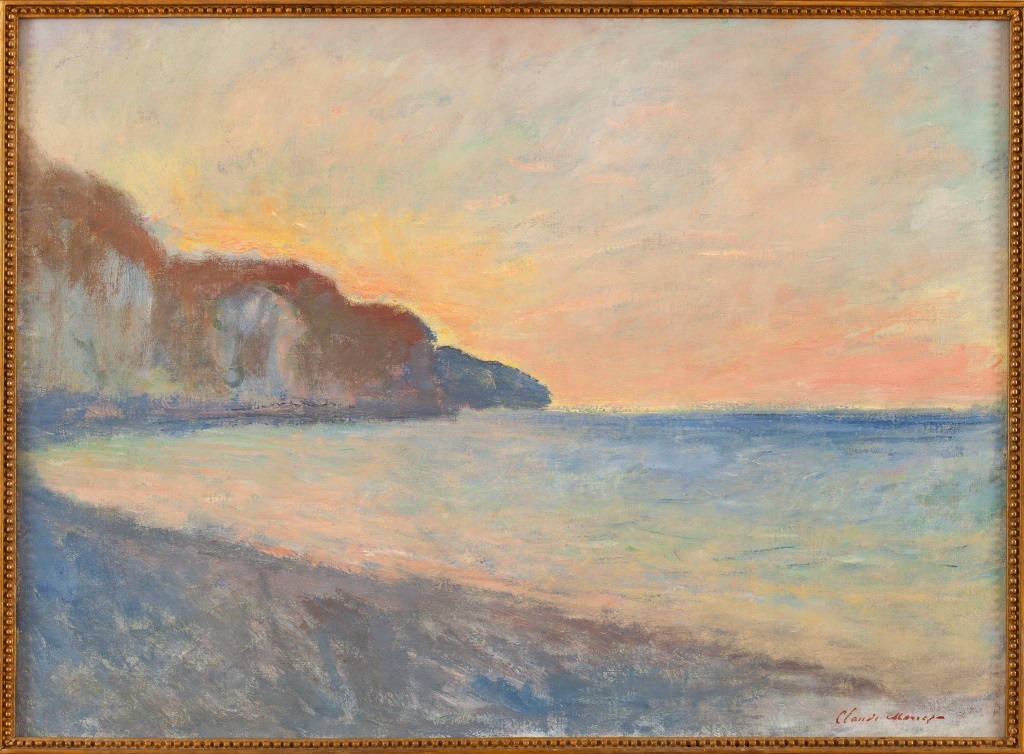
 Vernet, Horace法国, 1789–1863
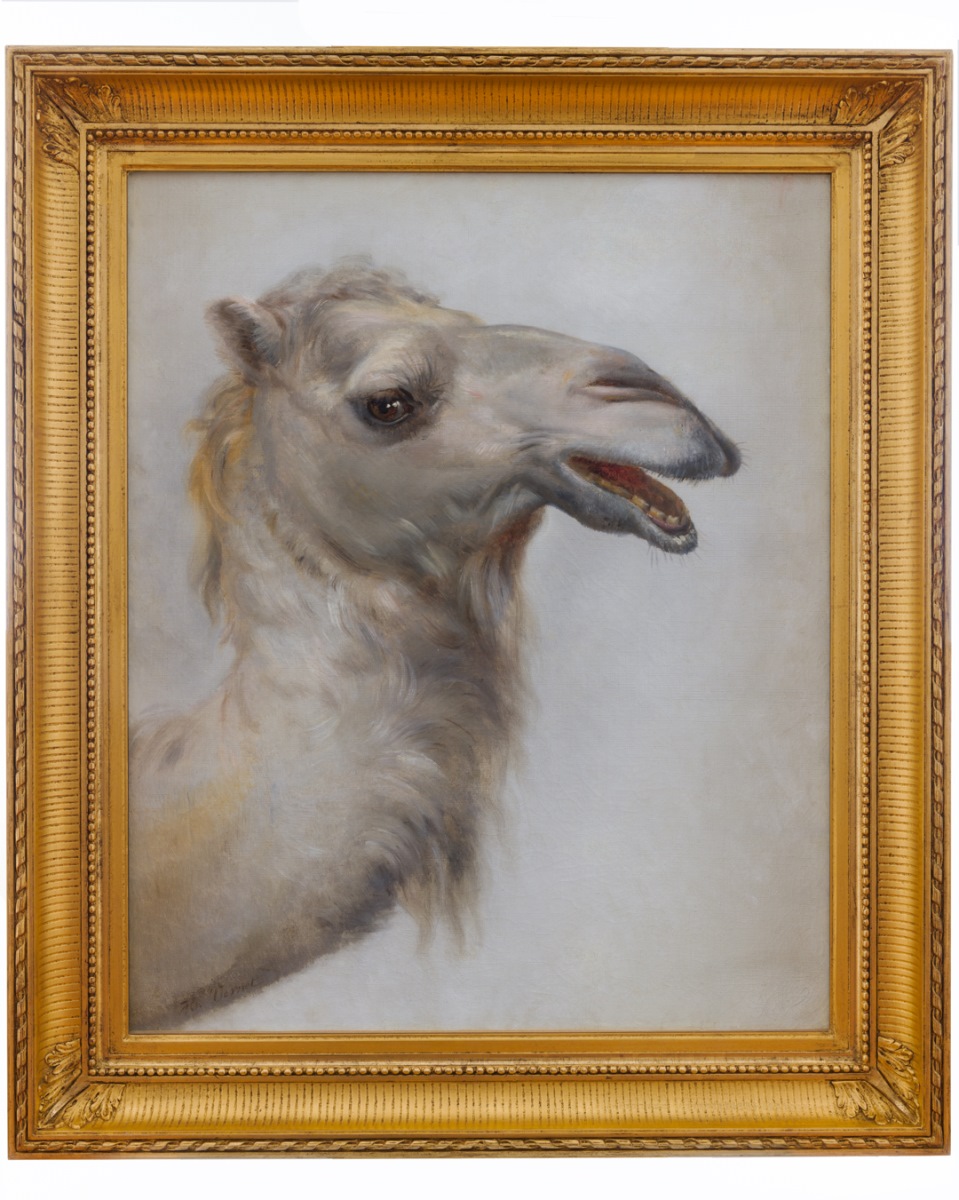
Tête de camélidé
能看到吗?
不明
《Tête de camélidé》现在在哪里? 收藏方: Musée Blanche Hoschedé-Monet, 韋爾農. 不明.
韋爾農, 法國
所有者已知,目前是否展出尚不清楚。
- 此状态始于
- 出处
- 博物馆
关于这幅画
博物馆的介绍 — 法语
Huile sur toile. Faible épaisseur de matière. ; Animal représenté coupé au cou, de profil droit, l'oeil ourlé de longs cils regardant vers le bas, le museau entrouvert, en position de repos. Le pelage , sa texture et ses nuances sont finement représentés.
Musée Blanche Hoschedé-Monet
作品信息
- 馆藏编号
- 86.5.1
画面内容
已收入目录
出处
- Musée Blanche Hoschedé-Monet
- 图片: Musée Blanche Hoschedé-Monet — © musée Alphonse-Georges Poulain ; © Service des musées de France, 2024; Ministère de la Culture (France), base Joconde
Vernet, Horace当时的生活
完整生平1811
Marries Louise Pujol
Marries Louise Pujol, daughter of Governor Louis Pujol; they have two daughters, Louise, later the wife of Paul Delaroche, and Henriette Edmée, later the wife of Adolphe Yvon. Needing money for his young family, he takes on any work: clothing designs and caricatures for the Journal des dames et des modes, horses and races, portraits and landscapes.
1812
Salon debut with “The Taking of an Entrenched Camp”
Makes his debut at the Paris Salon with “The Taking of an Entrenched Camp near Glatz”, commissioned by Jérôme Bonaparte, Napoleon's younger brother and King of Westphalia; impressed by the artist's talent, Jérôme also commissioned an equestrian portrait of himself. By other accounts, Vernet was only twenty when the picture was shown.
1814
Among the civilian defenders of Paris
Becomes one of the civilian defenders of Paris against the approaching armies of the Allies; he would later depict the episode in “The Barrière de Clichy” (1820).
1822
Paintings rejected by the Salon shown in his studio
From the first years of the Restoration Vernet's studio was a meeting place for artists and veterans hostile to the Bourbons: he openly kept up a cult of Napoleon, yet secured the support of Louis-Philippe, duc d'Orléans. When the Salon jury of 1822 rejected some of his paintings for their supposed anti-royalist character, he exhibited them in his studio, which drew many visitors.
1826
Elected to the Académie des Beaux-Arts
Becomes a member of the Institut de France, in the Académie des Beaux-Arts, painting section (seat no. 10).
1833
Travels to Algeria as official artist
At Louis-Philippe's request he goes to Algeria as an official artist, with two battalions assigned to guard his journeys; yet he is struck less by the feats of the French soldiers than by their brave opponents in picturesque costumes. It is the first of five long visits to North Africa (1833, 1837, 1839–1840, 1845, 1853), during which he eagerly draws and gathers documents on the French conquests in Algeria and Morocco, material later turned into large canvases for the military gallery at Versailles.