Statuette
可否一睹真容?
眼下不见客

维多利亚和阿尔伯特博物馆
倫敦, 英国
仍属馆藏,只是目前没有展出。
- 核实
- 8天前
- 此状态始于
- 2026年9月25日
- 出处
- 博物馆自己的馆藏数据
About the sculpture
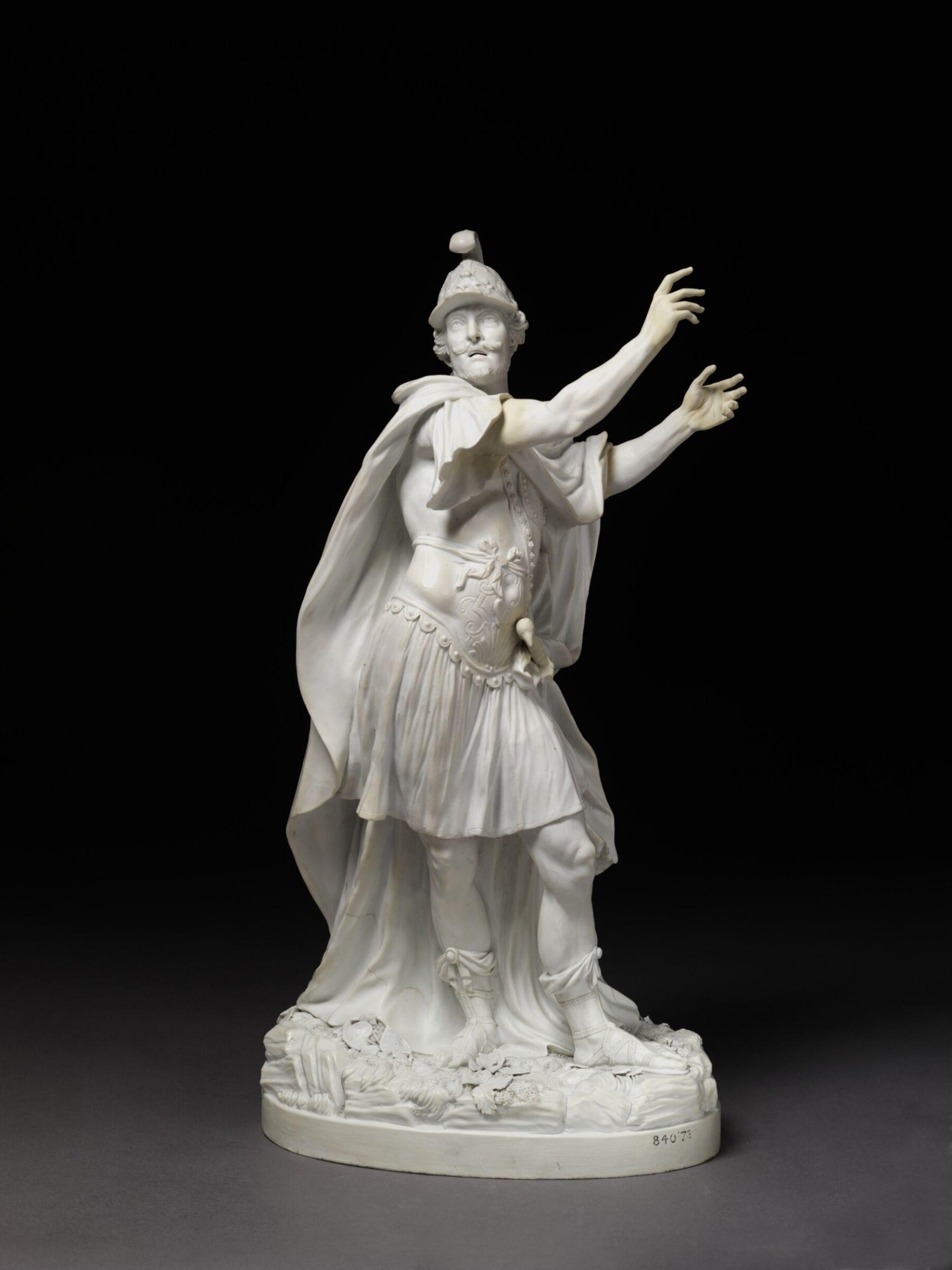
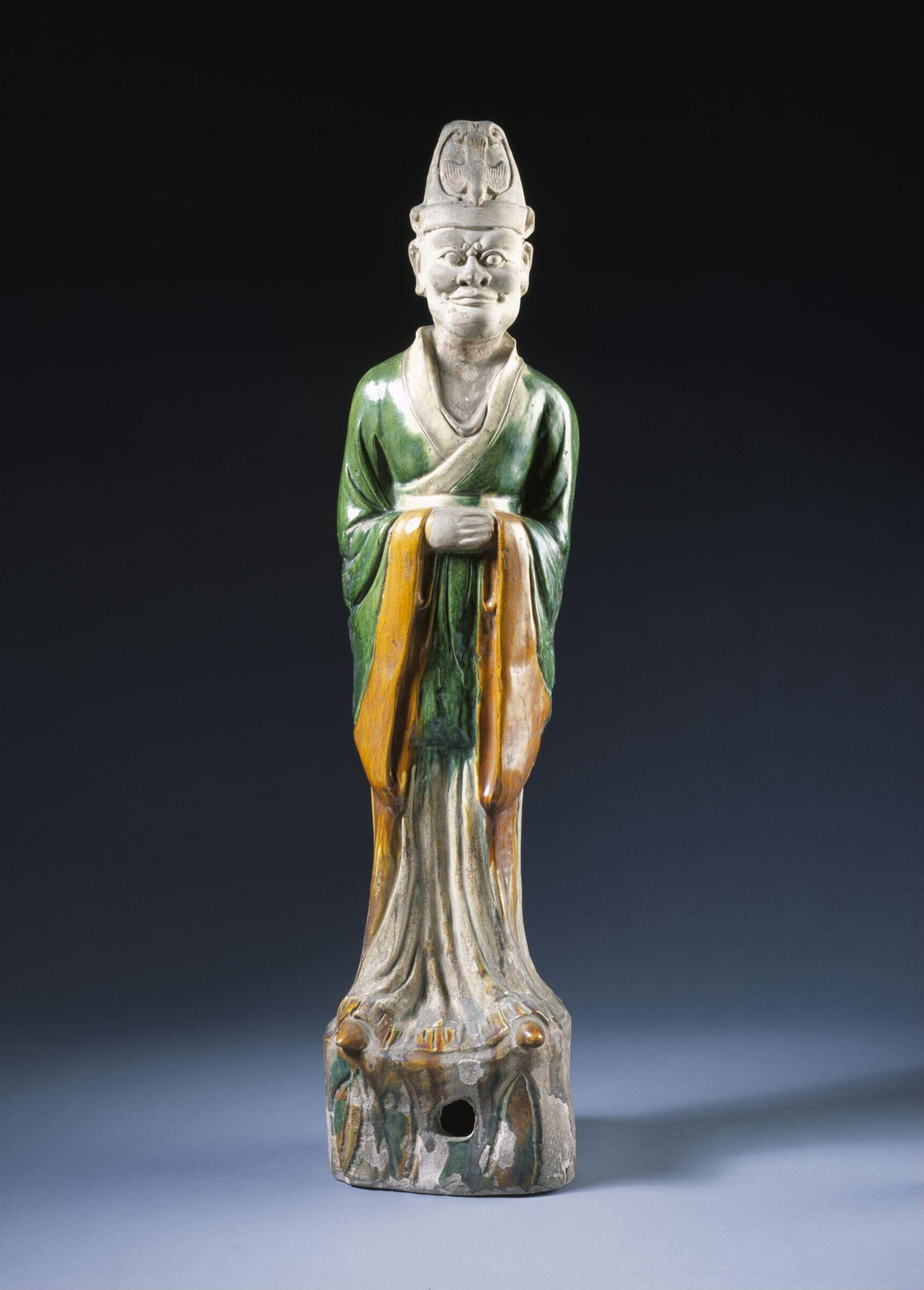
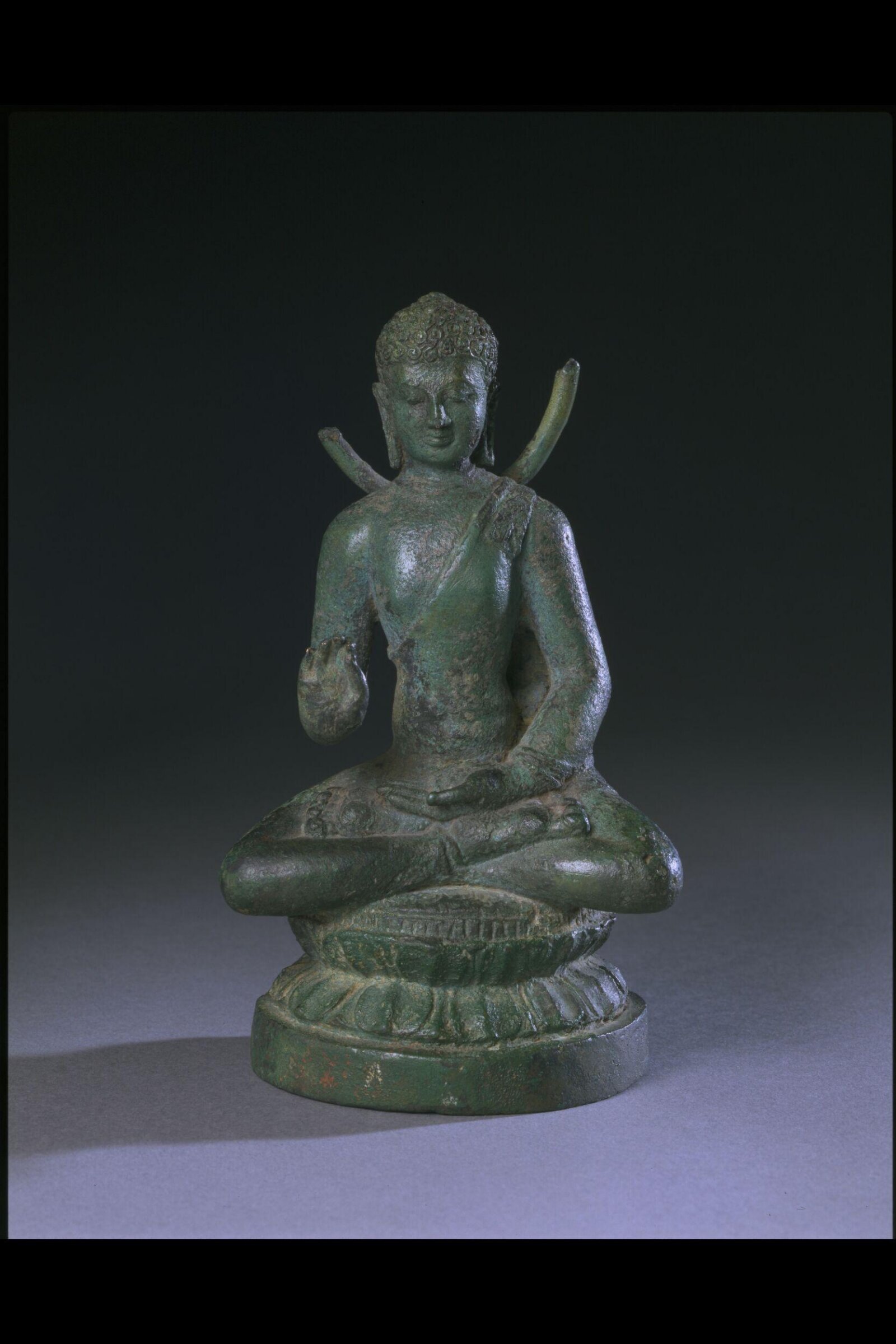
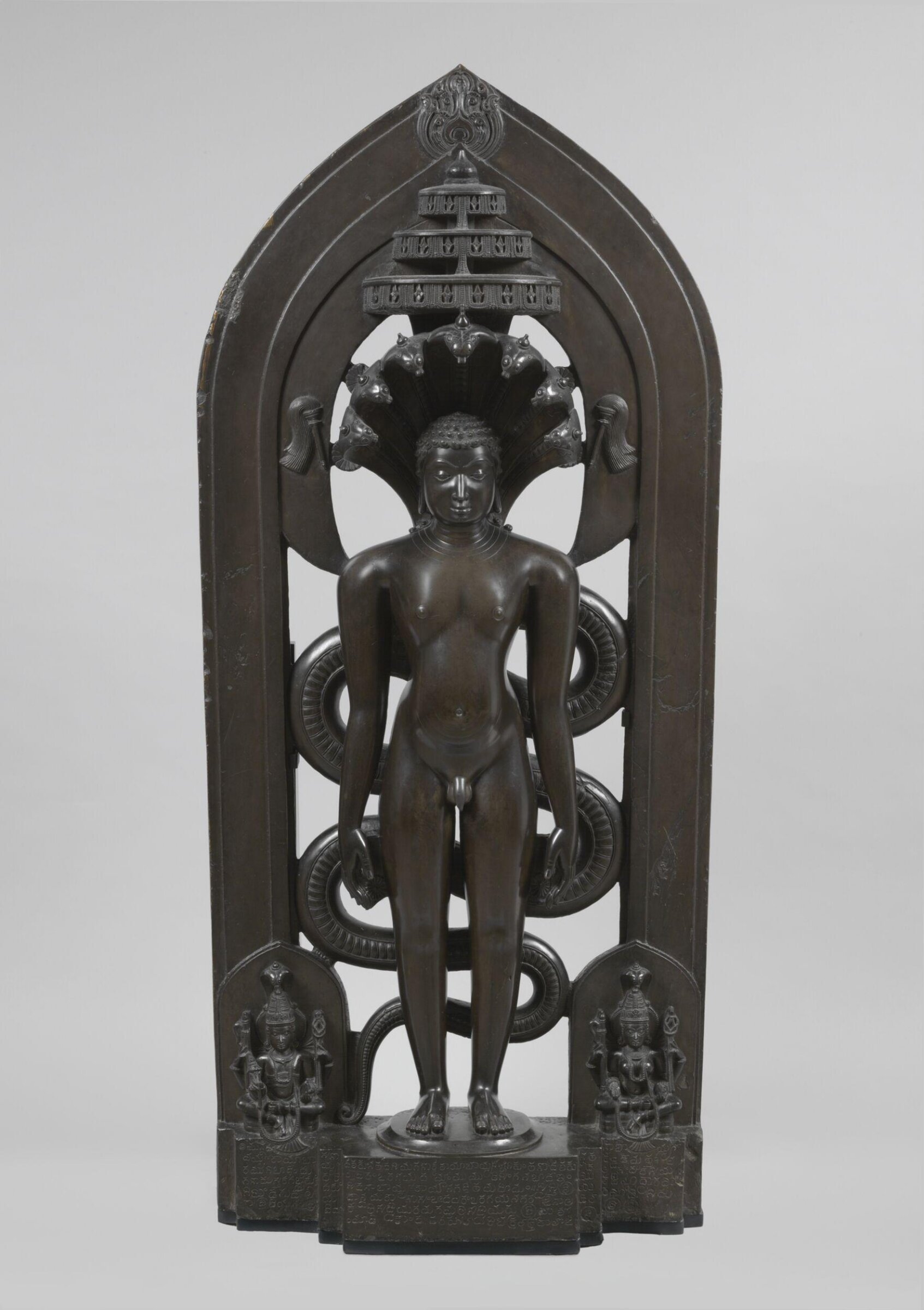
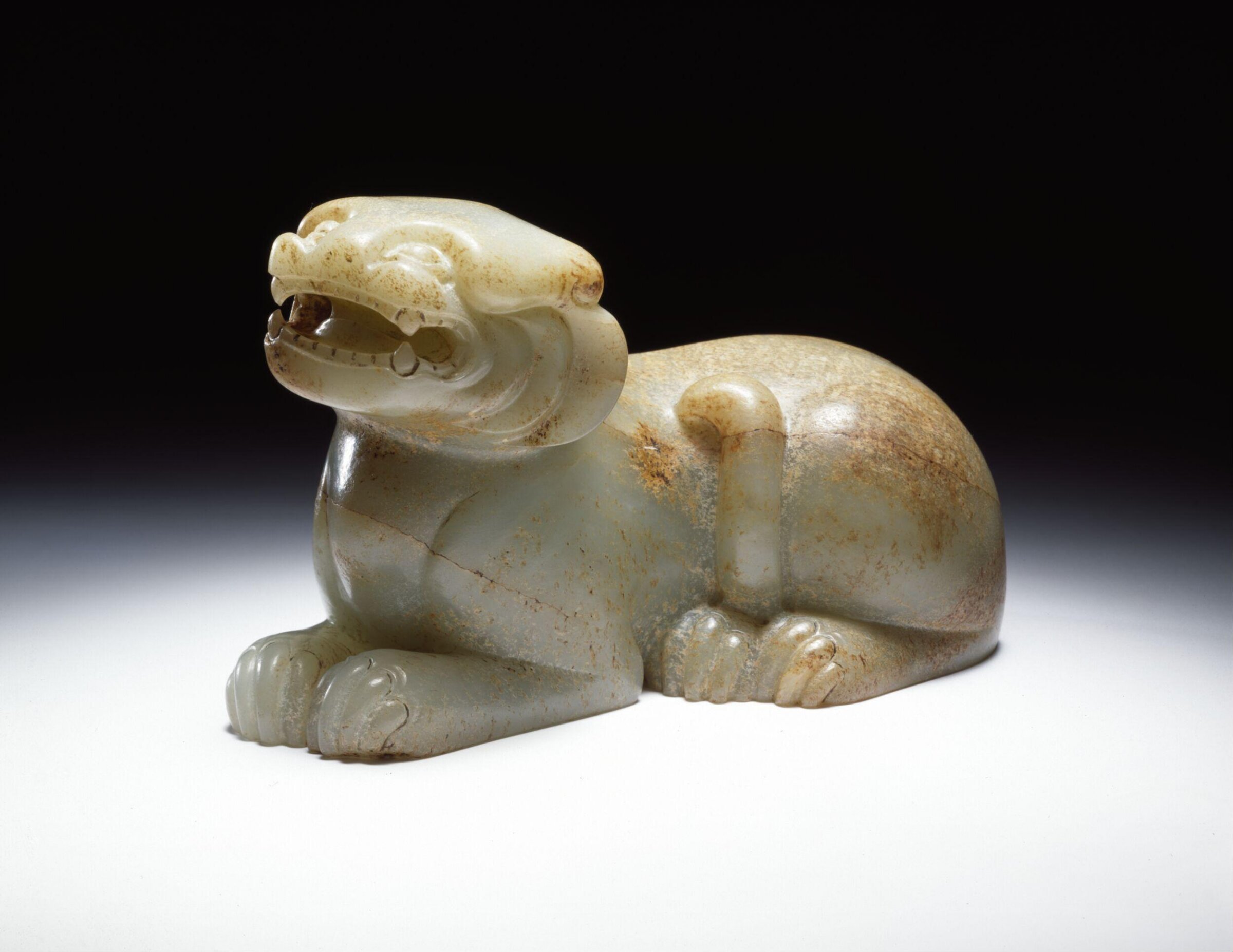
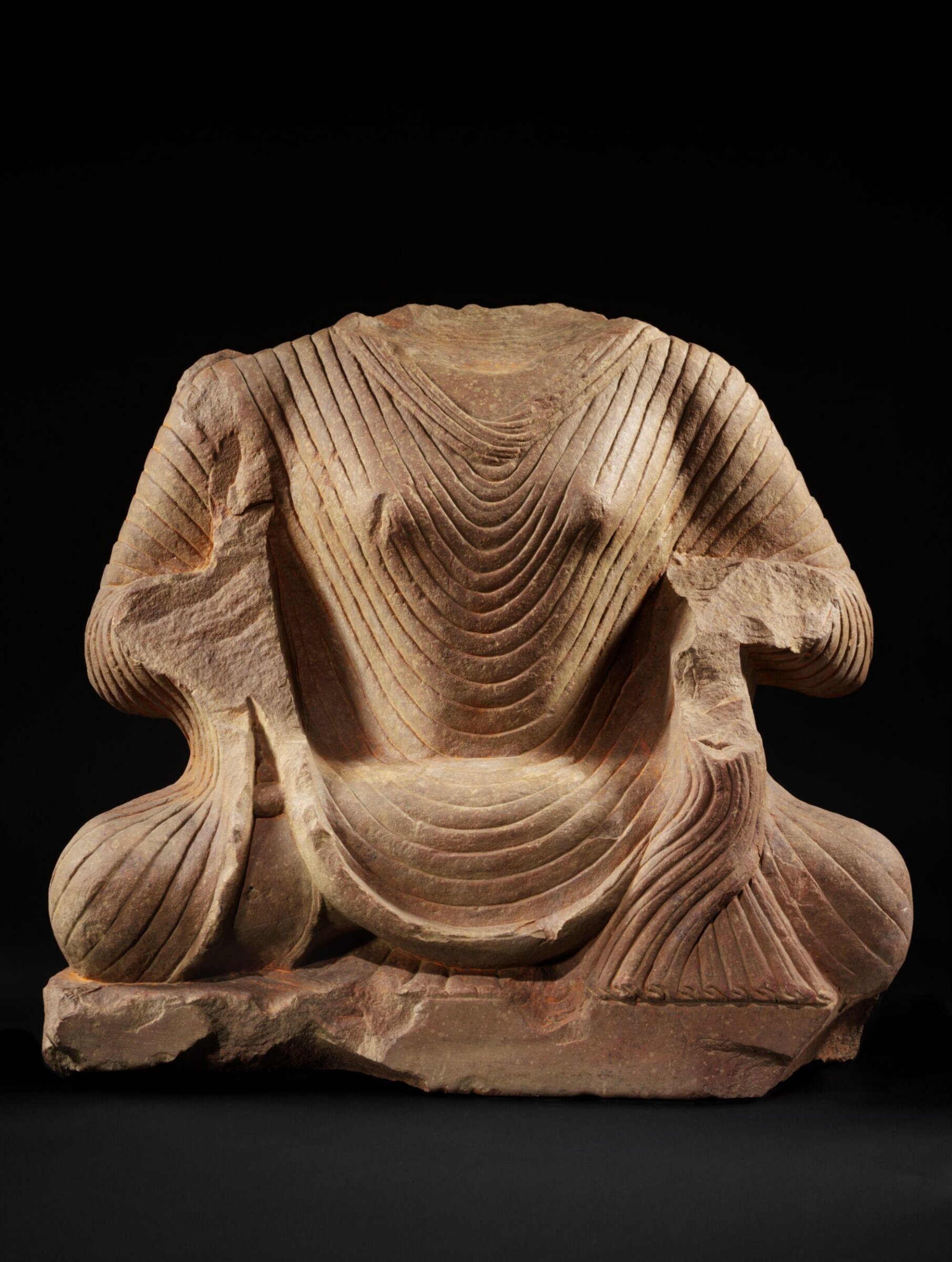
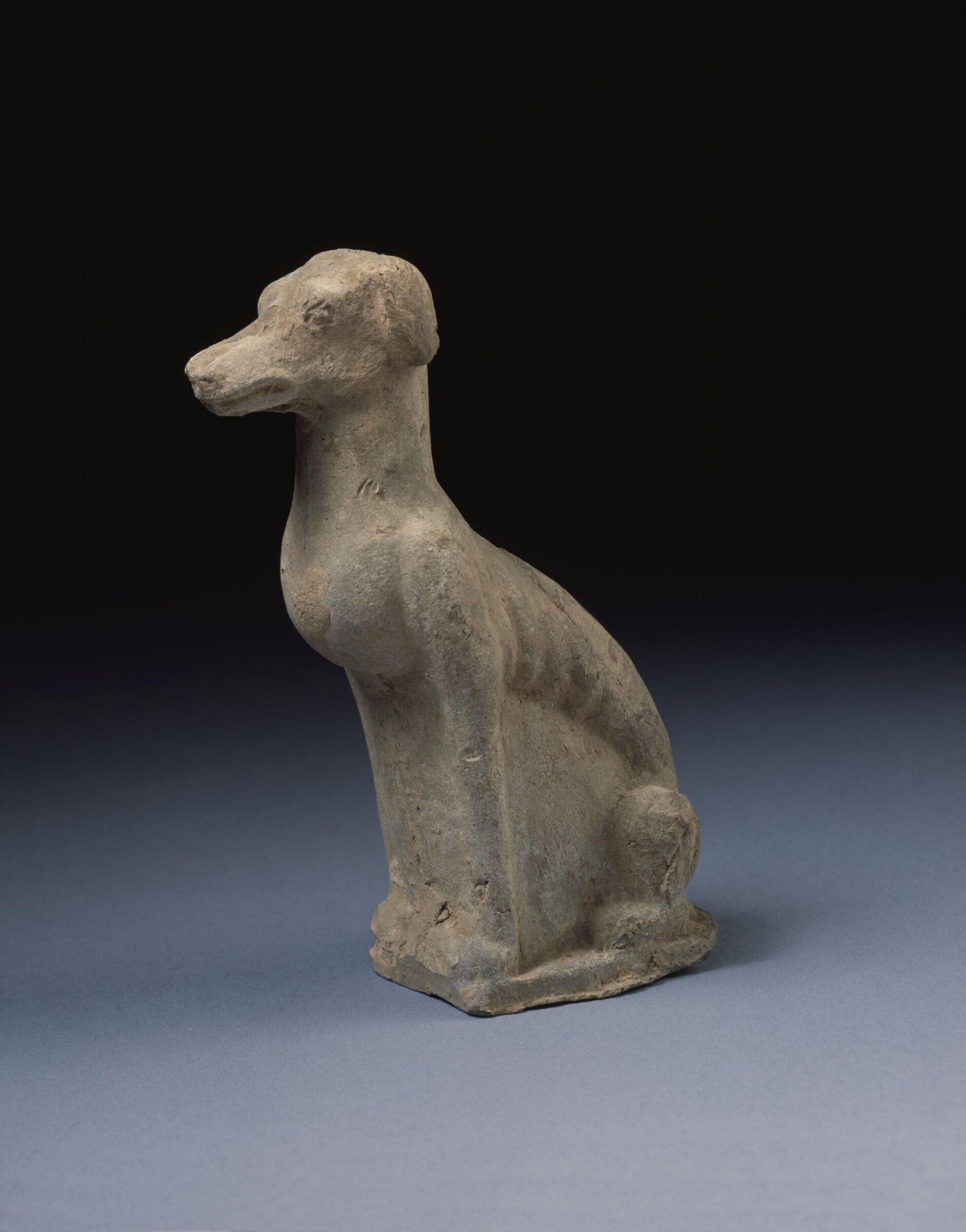
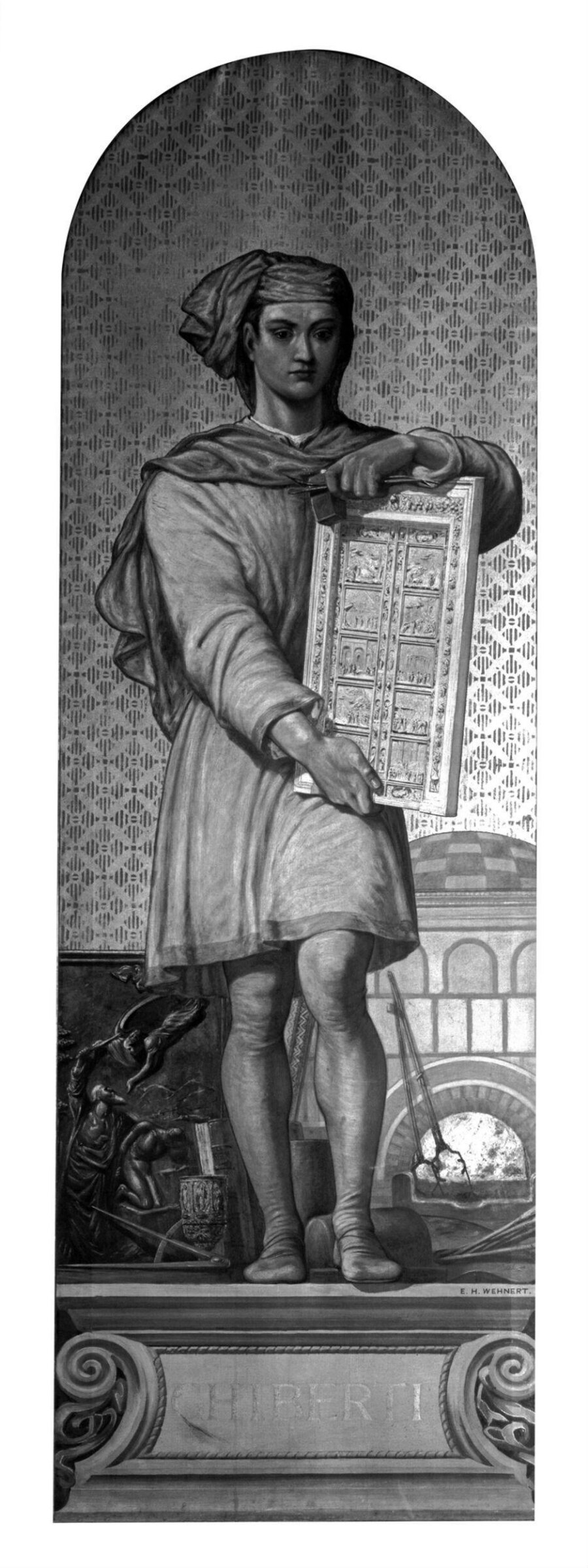
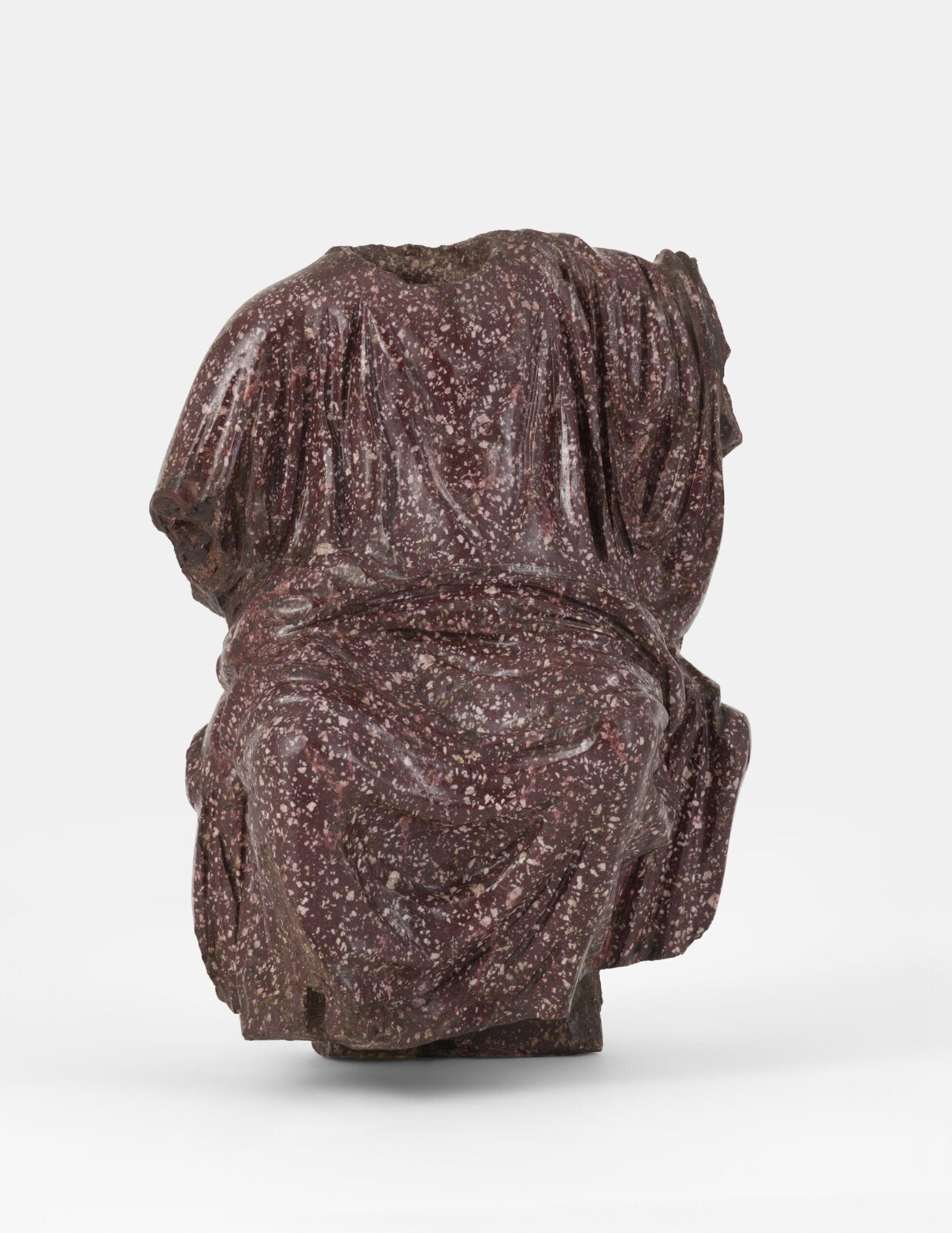
This statuette shows a seated figure in a long toga, body turned and left arm raised. Earlier Greek statues commonly depicted seated figures in this manner, knees slightly splayed, often, as here, one bent under the other leg, usually when a god or deity of some sort was being represented (see Elgin marbles for instance). Seated in this way with knees bent low, the figure has a rather flattened, or 'squashed up', quality, suggesting strongly that it was intended to be seen primarily from the front, and not in profile on at an angle. A likely setting for this figure was within an architectural niche, in which case the somewhat relief-like handling of the carving would not have mattered. The folds of the drapery are gouged and incised rather than carefully finished, and, again, not very three-dimensional in the effect produced. The back of the figure is very flat, and the drapery represented in a fairly rudimentary fashion, implying further that the behind of the figure was not often exposed to view.
Read on
Imagined in this context, the statuette is likely to be a religious devotional object. There are two similar flat-backed figures (in fact both Roman copies of an older classical statue) in the Fitzwilliam Museum in Cambridge of the Egyptian god Serapis, one discovered at Salamis in Cyprus, the other acquired in Rome in the eighteenth century. It is very possible that the present statuette depicts Serapis, and is also a Roman copy of a Greek original.
维多利亚和阿尔伯特博物馆
作品信息
- 馆藏编号
- A.1-1939
What it shows
已收入目录
出处
- 维多利亚和阿尔伯特博物馆: the museum's own open data · 8天前获取
- 图片: 维多利亚和阿尔伯特博物馆 — © Victoria and Albert Museum, London