
 Josef Albers美国, 1888–1976
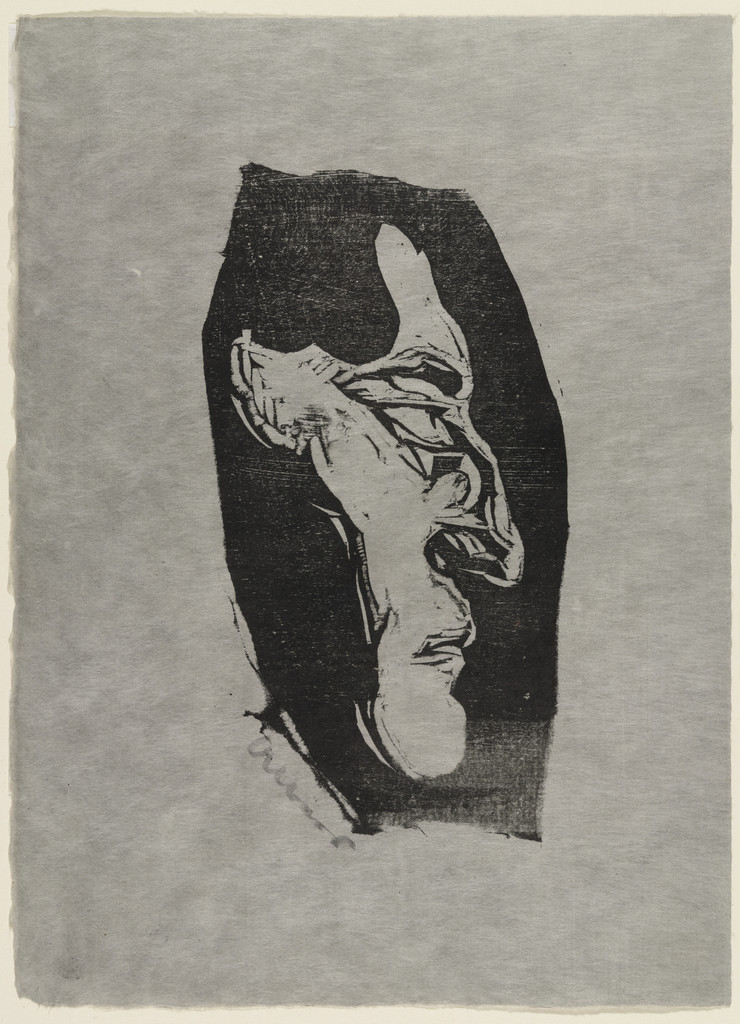
Schwarzer Kreis (Black Circle)
能看到吗?
目前未展出
《Schwarzer Kreis (Black Circle)》现在在哪里? 收藏方: 国家美术馆, 華盛頓哥倫比亞特區. 目前未展出. 核实 2026年10月12日.

華盛頓哥倫比亞特區, 美國
仍属馆藏,只是目前没有展出。
- 核实
- 此状态始于
- 出处
- 博物馆
作品信息
- 馆藏编号
- 1951.16.2
画面内容
已收入目录
出处
- 国家美术馆
- 图片: 国家美术馆 — © the artist or rights holder
Josef Albers当时的生活
完整生平1927–1931
Designs a stencil typeface
Albers experimented with geometrically constructed stencil letters for posters and signs; the display typeface Architype Albers was later based on them.
1933
The Bauhaus closes; emigration to the United States
When the Bauhaus closed under Nazi pressure in 1933, Albers was among the first of its teachers to emigrate to the United States. The architect Philip Johnson, then a curator at the Museum of Modern Art, arranged for him to be offered the headship of a new art school, Black Mountain College in North Carolina.
1933
“To open eyes”: his first English sentence
When Albers arrived at Black Mountain College, a student asked him what he was going to teach. His first English sentence was “to open eyes” — and it became the motto of all his teaching.
1933–1949
Black Mountain summer seminars and famous pupils
To Black Mountain's summer seminars Albers invited leading American artists to teach — Willem de Kooning, the choreographer Merce Cunningham, the Harlem Renaissance painter Jacob Lawrence. His students included Ruth Asawa, Ray Johnson, Robert Rauschenberg, Cy Twombly and Susan Weil; Rauschenberg, despite their often combative relationship, later named Albers his most important teacher. In these years Albers made many woodcuts and leaf studies.
1933–1949
Employed by: Black Mountain College


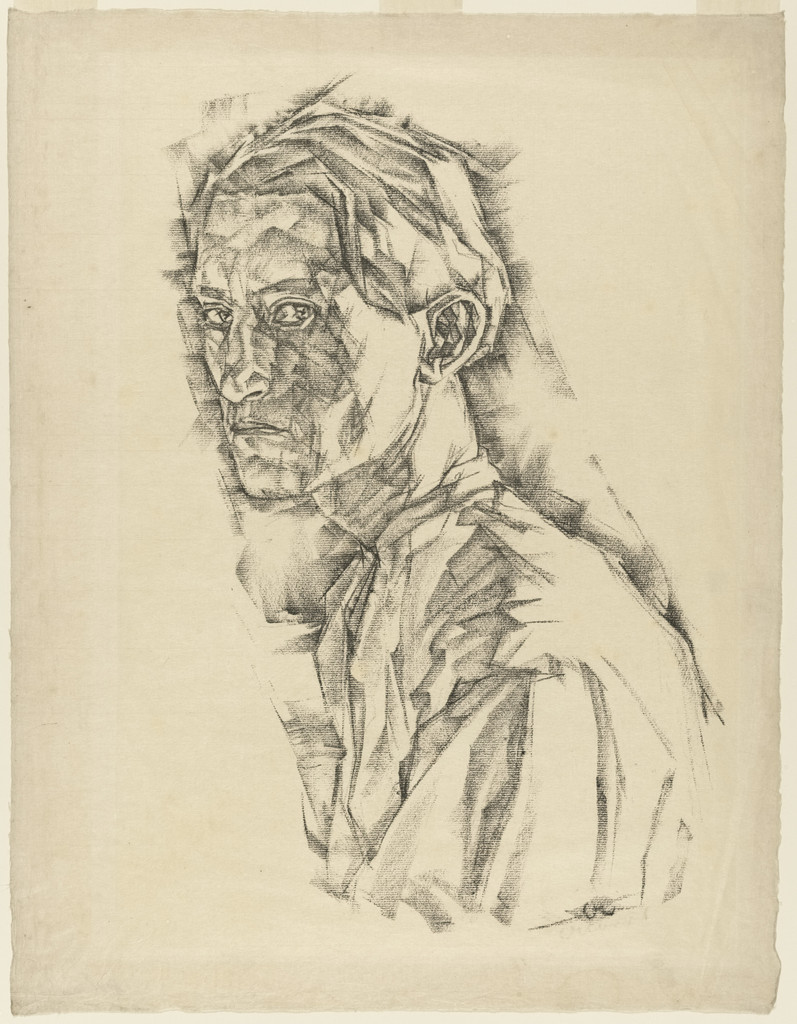
![Oskar Schlemmer; [Schlemmer] in the Master’s Council; [Schlemmer] with Wittwer, Kallai, and Marianne Brandt, Preliminary Course Exhibition; [Schlemmer] and Tut, Josef Albers, 1928-30/1932](https://www.moma.org/media/W1siZiIsIjMzNzk1NyJdLFsicCIsImNvbnZlcnQiLCItcmVzaXplIDEwMjR4MTAyNFx1MDAzZSJdXQ.jpg?sha=0cbde6ed2e4731ed)
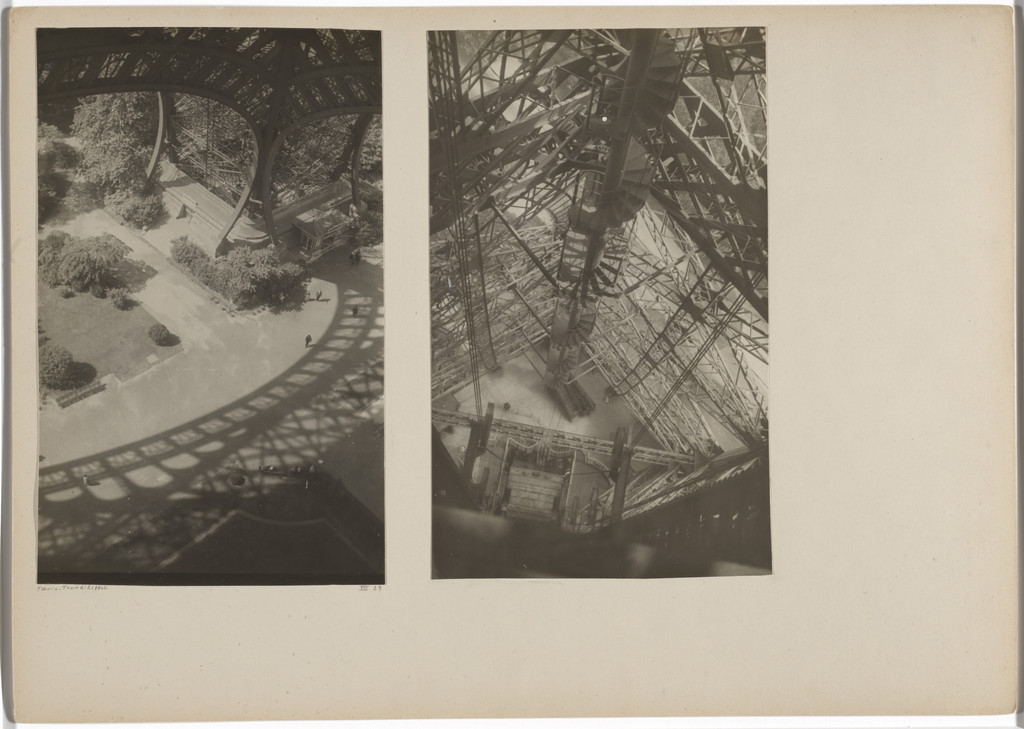
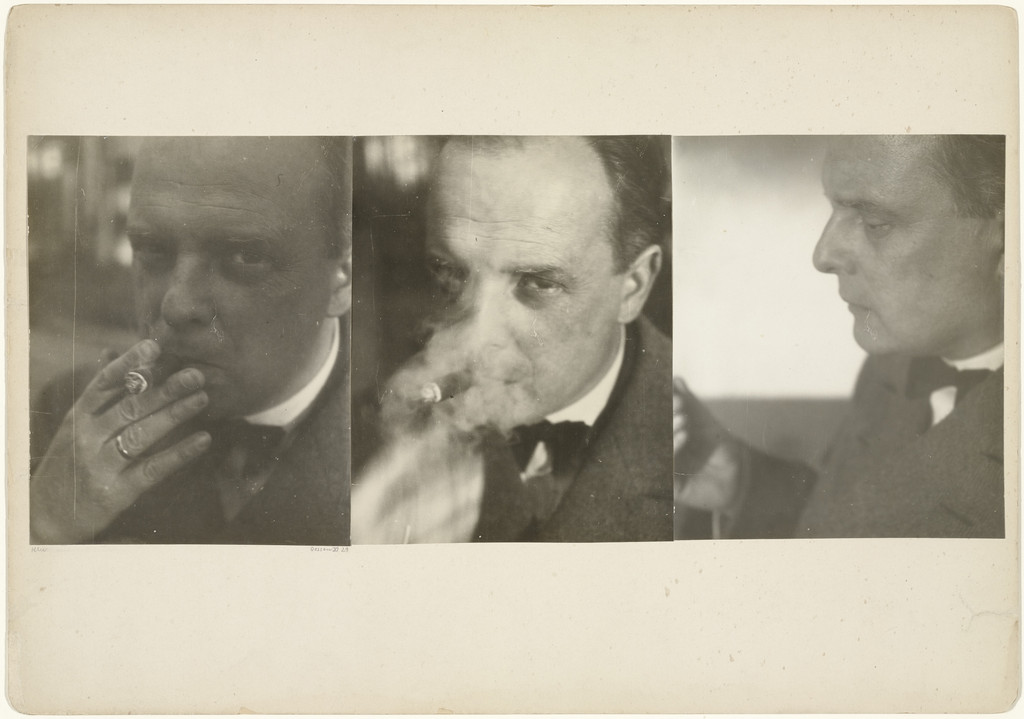
![Ginevra de' Benci [obverse], Leonardo da Vinci, c. 1474/1478](https://api.nga.gov/iiif/8f29e3c9-a289-4d53-abf0-31a66e9e98fa/full/!2400,2400/0/default.jpg)
![Wreath of Laurel, Palm, and Juniper with a Scroll inscribed Virtutem Forma Decorat [reverse], Leonardo da Vinci, c. 1474/1478](https://api.nga.gov/iiif/ff62e8d0-45c4-498f-ad36-6358de827e04/full/!2400,2400/0/default.jpg)


