ART WIKI32,963 件在展
地图藏品艺术家博物馆展览专栏
登录

ART WIKI

名作悬于何处,几时开门迎客。

馆藏:阿姆斯特丹国家博物馆、埃尔米塔日博物馆、大都會藝術博物館、丹麥國立美術館、俄羅斯博物館、蓋蒂別墅、国家美术馆、哈佛藝術博物館、赫尚博物馆和雕塑园、惠特尼美国艺术博物馆、克利夫蘭藝術博物館、卢浮宫博物馆、美国国立亚洲艺术博物馆、美國國家肖像畫廊、明尼阿波利斯美術館、普希金造型藝術博物館、史密森尼美國藝術博物館、特列季亚科夫画廊、维多利亚和阿尔伯特博物馆、現代藝術博物館、芝加哥藝術博物館、J·保羅·蓋蒂博物館、俄罗斯博物馆藏品国家目录(274 家博物馆)、Europeana(19 家博物馆)、维基数据(6 家博物馆)、Paris Musées(12 家博物馆)和Joconde(法国文化部博物馆数据库)(495 家博物馆)。图片版权归各权利人所有。

栏目

  • 地图
  • 搜索
  • 藏品
  • 名作
  • 此刻在展
  • 艺术家

更多

  • 博物馆与画廊
  • 展览
  • 专栏
  • 数据从何而来
  • 隐私与 Cookie
首页地图目录
  1. 藏品/
  2. 维多利亚和阿尔伯特博物馆/
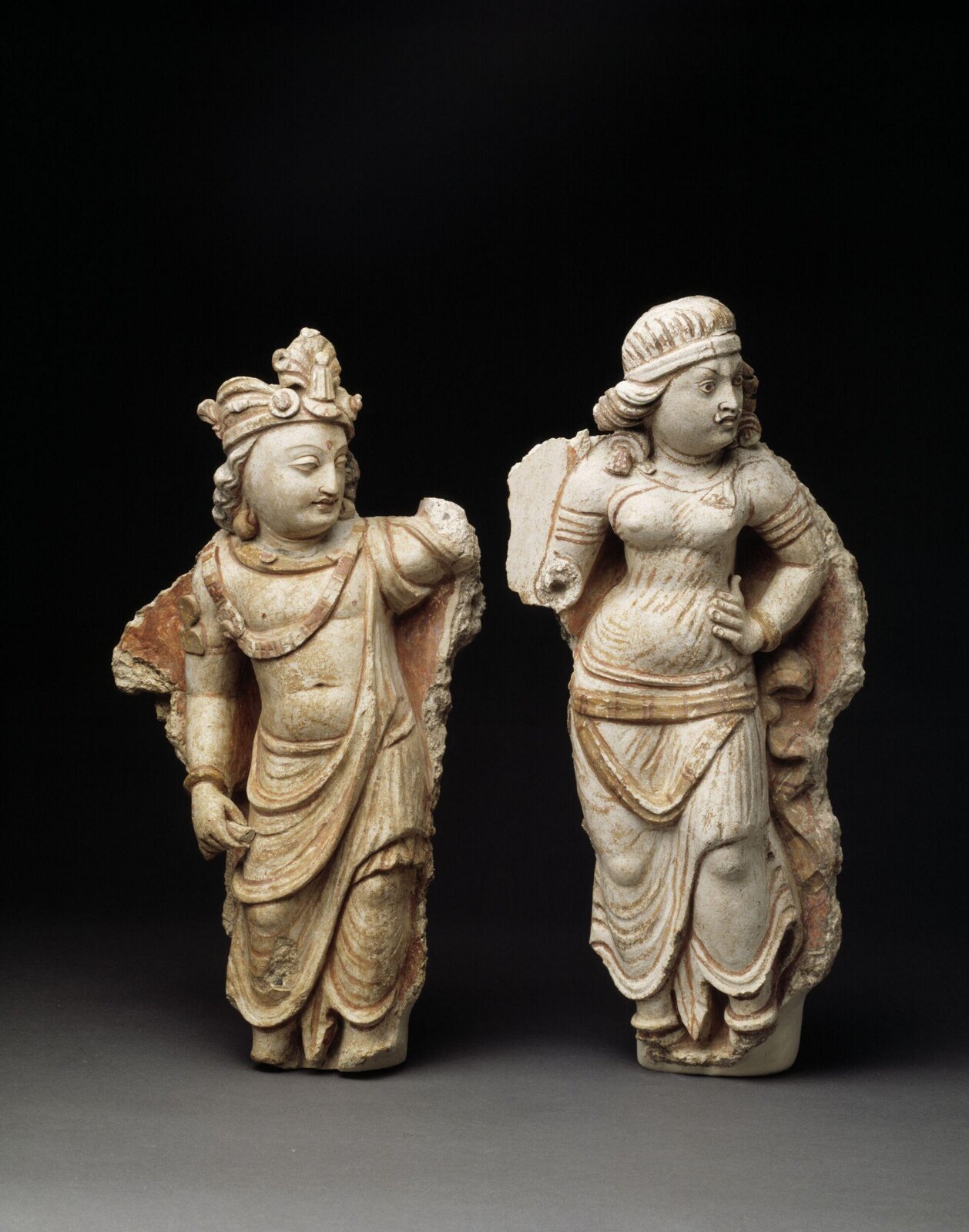
  3. Male attendant
Male attendant, 4th century-5th century

Male attendant

4th century-5th century · Sculpture · 37 × 21.5 cm

可否一睹真容?

可以,正在迎客

维多利亚和阿尔伯特博物馆

倫敦, 英国

展厅The Himalayas and South-East Asia, Room 47a

正对公众展出。由谁担保,见下文。

核实
12天前
此状态始于
2026年9月25日
出处
博物馆
在地图上看博物馆页面

关于这件雕塑

These two figures once formed part of the high-relief decoration of a Buddhist monument in the Gandharan region of Pakistan. The rapid expansion of Buddhist monasteries demanded quicker and less expensive methods of decoration. Stucco, a plaster largely composed of lime and sand, satisfied this need and was widely used in the later Gandharan period. Section moulds were also frequently employed.

继续阅读

Both these figures display extensive evidence of being richly painted, with traces of yellow, red, and brown iron-oxides still clearly visible. The male figure is dressed in princely attire, with his robes draped in a Hellenistic manner, and with an elaborate diadem or crown worn over long flowing hair. He gestures to his left, perhaps in the direction of central subject of the composition, presumably a figure of the Buddha. The female is similarly clad in a diaphanous robe, though here only her lower body is covered; she is bare breasted and wears arm and wrist ornaments. Her waist-skirt is secured with sash tried in a flamboyant bow to her left; her long hair is secured with an undecorated headband. Curiously, she appears to have two small fangs protruding from her upper jaw, suggesting that she represents some demonic creature, converted by the Buddha's teachings.

These figures probably formed part of a relief decorating a Buddhist monument, reportedly from the Khyber Pass region.

维多利亚和阿尔伯特博物馆

作品信息

馆藏编号
IS.319:1, 2-1951

同一展厅 · The Himalayas and South-East Asia, Room 47a, 维多利亚和阿尔伯特博物馆

博物馆页面

同一主题 · Buddhist

该主题的全部作品

画面内容

Buddhist

已收入目录

雕塑健驮逻国

出处

  • 维多利亚和阿尔伯特博物馆
  • 图片: 维多利亚和阿尔伯特博物馆 — © Victoria and Albert Museum, London
Tangka, Romio Shrestha, ca. 1980

Romio Shrestha

Tangka, ca. 1980

Cloth painting, about 1450

Cloth painting, about 1450

The Buddha Preaching, 900-1200

The Buddha Preaching, 900-1200

Visnu, 800-1000

Visnu, 800-1000

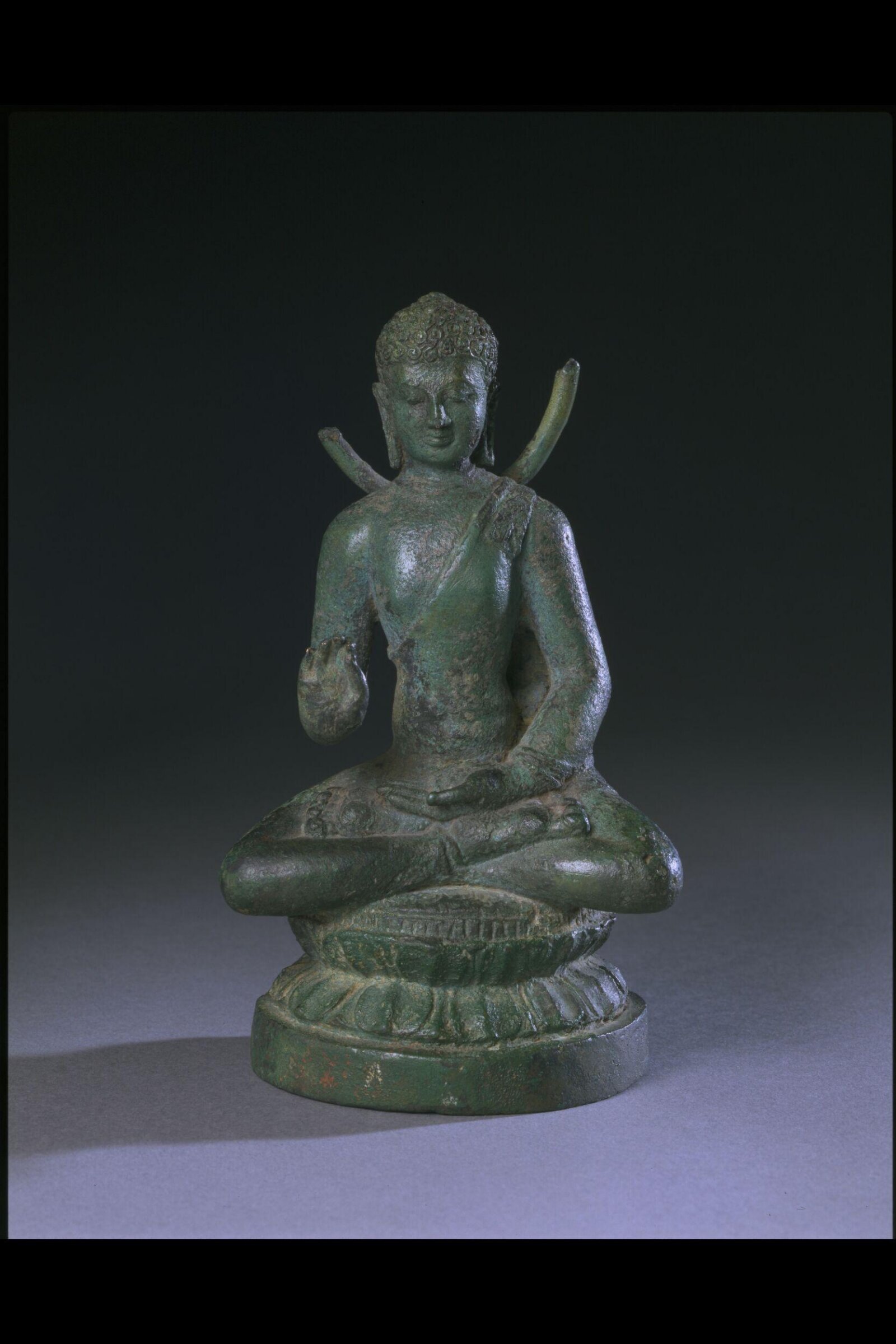
Buddha Sakyamuni, 9th century-10th century

Buddha Sakyamuni, 9th century-10th century

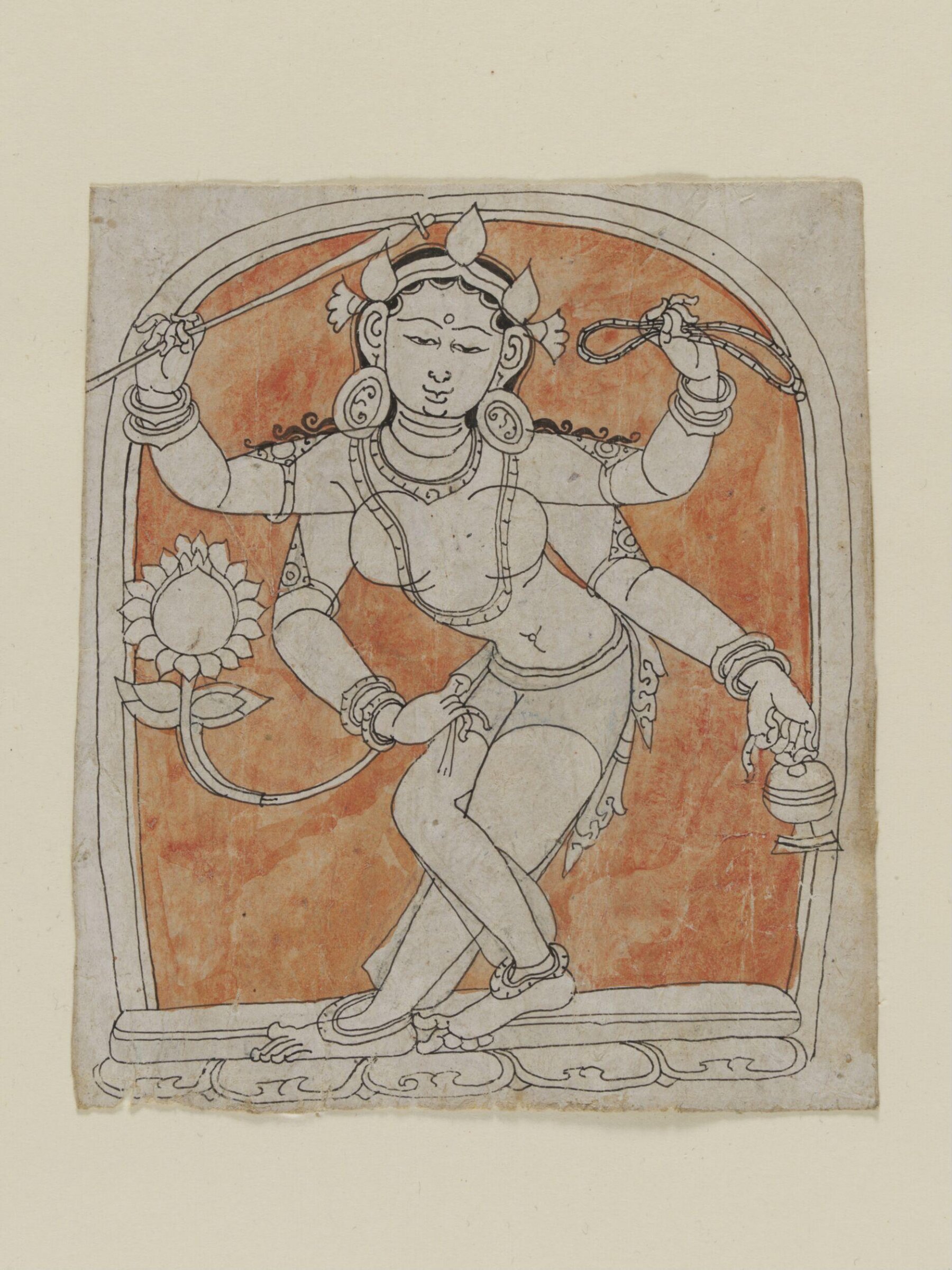
Drawing, ca. 13th century

Drawing, ca. 13th century

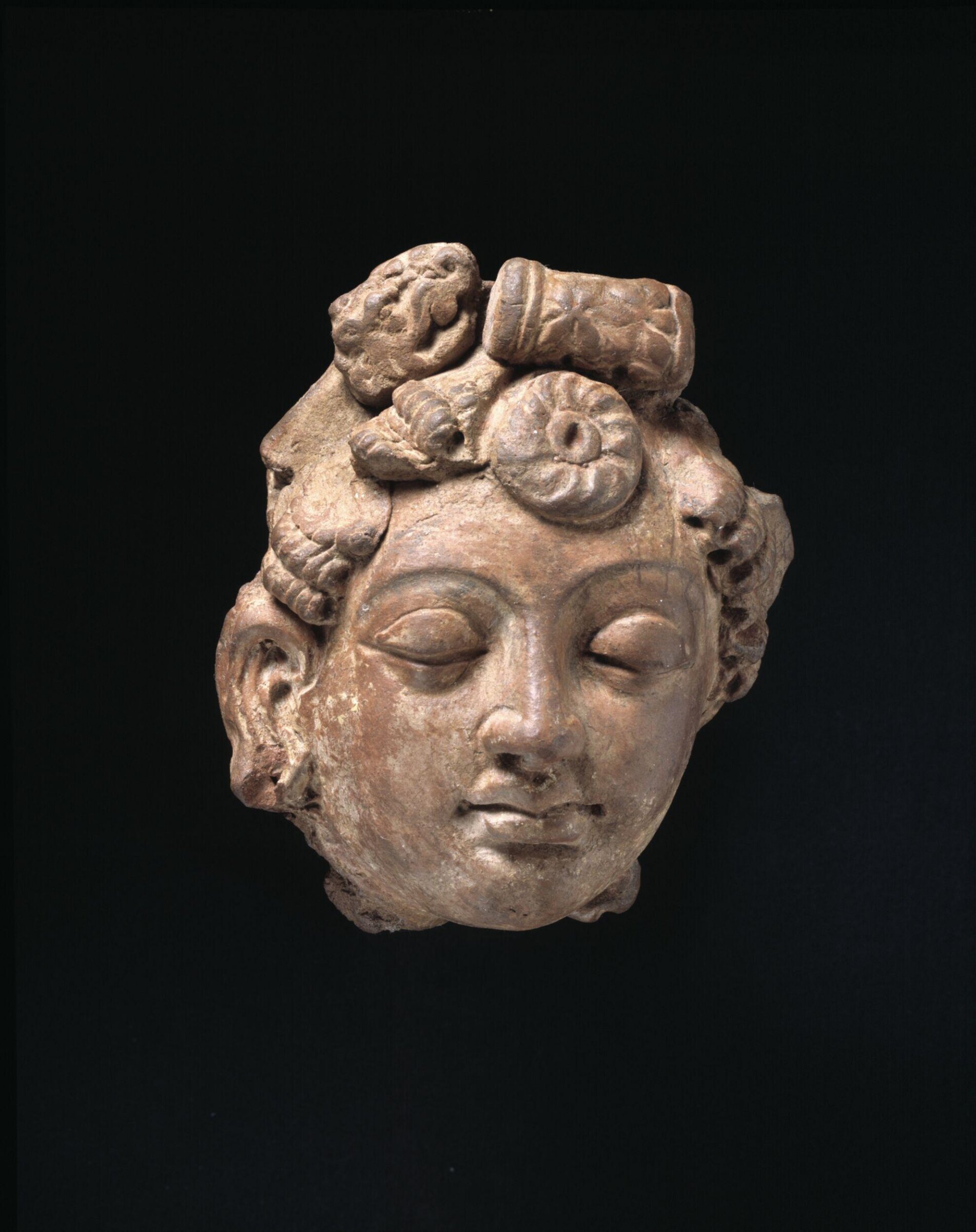
Sculpture, 6th century-7th century

Sculpture, 6th century-7th century

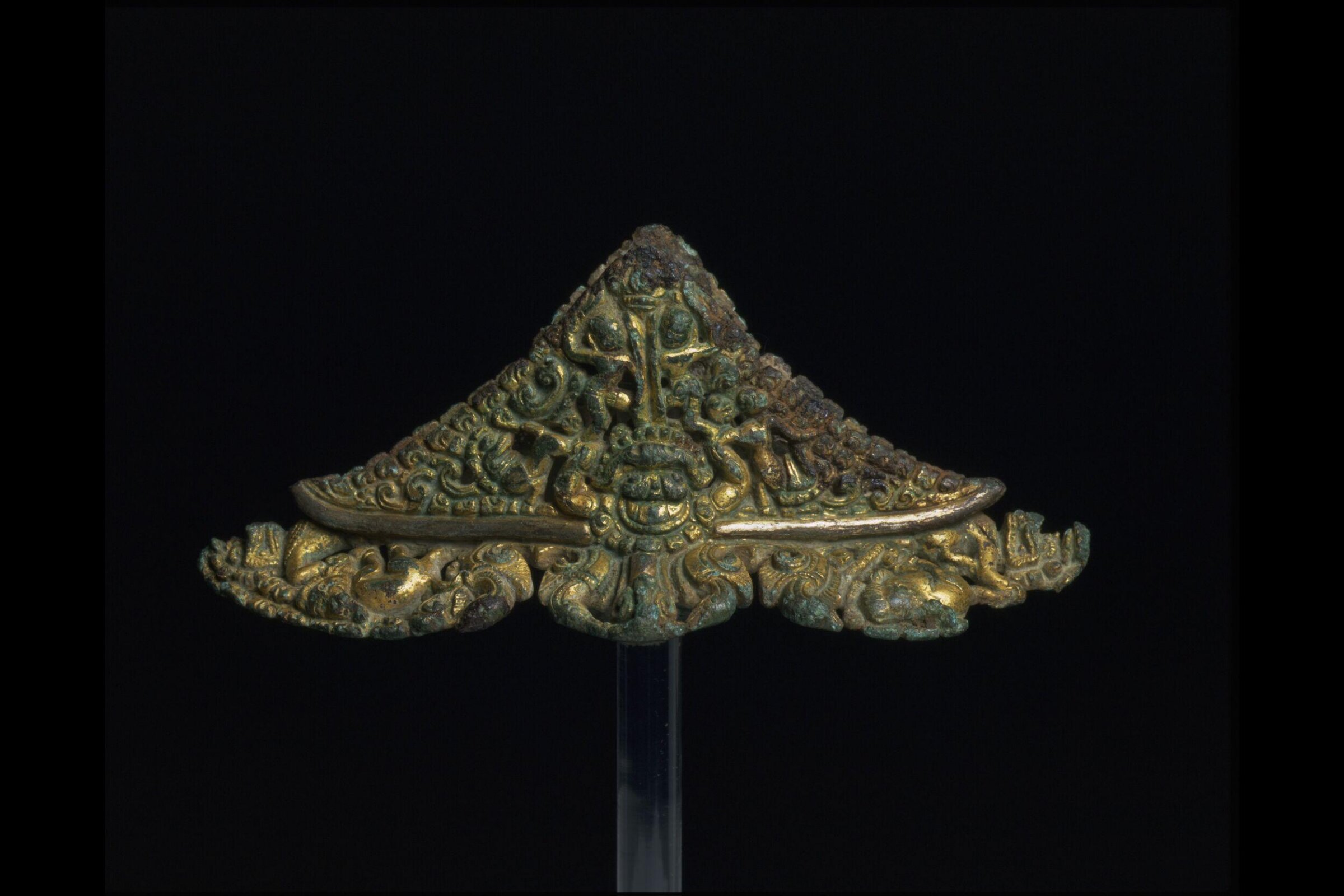
Sword Fitting, 12th century

Sword Fitting, 12th century

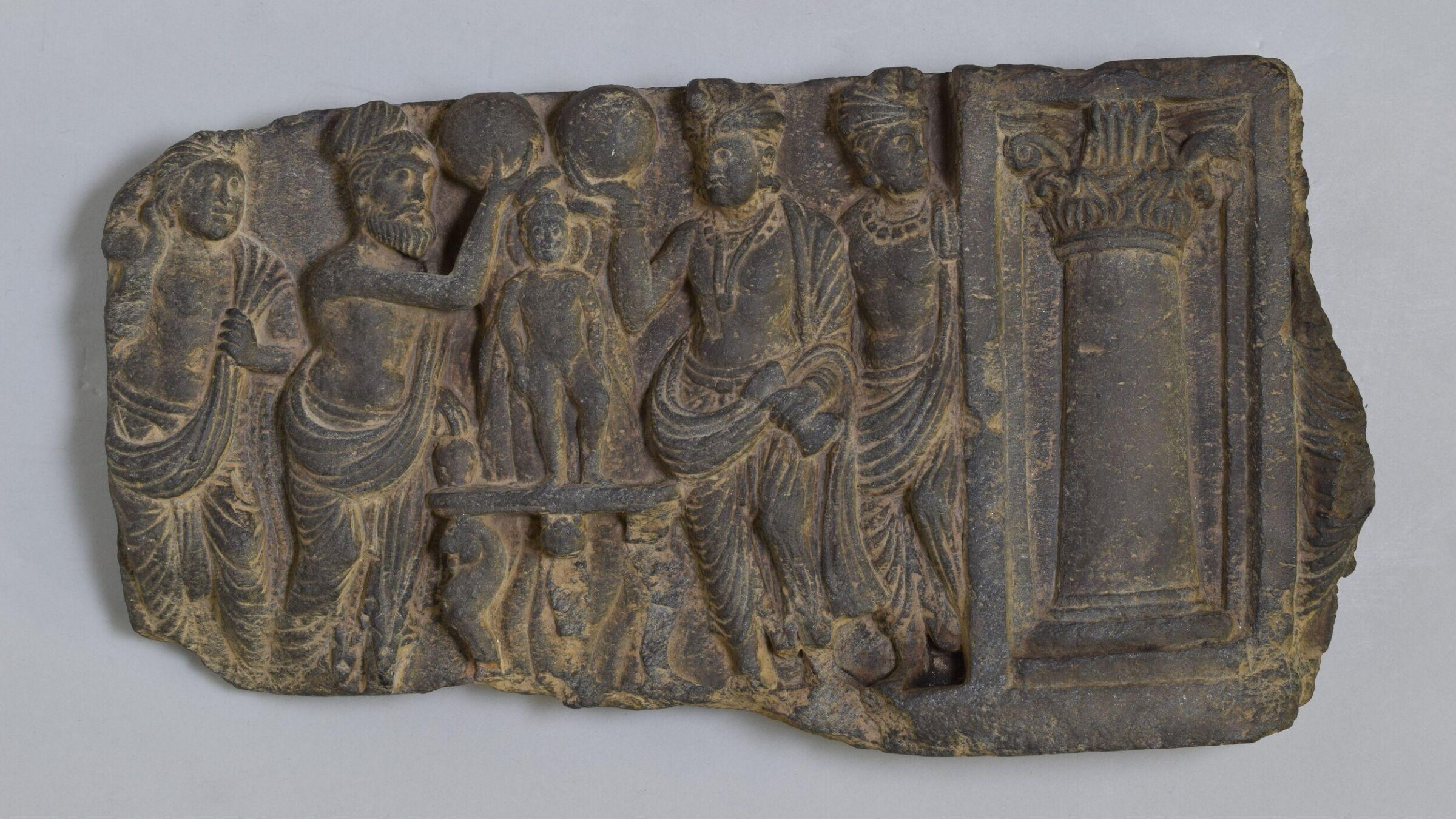
Relief, 4th century

Relief, 4th century

未展出 · 维多利亚和阿尔伯特博物馆

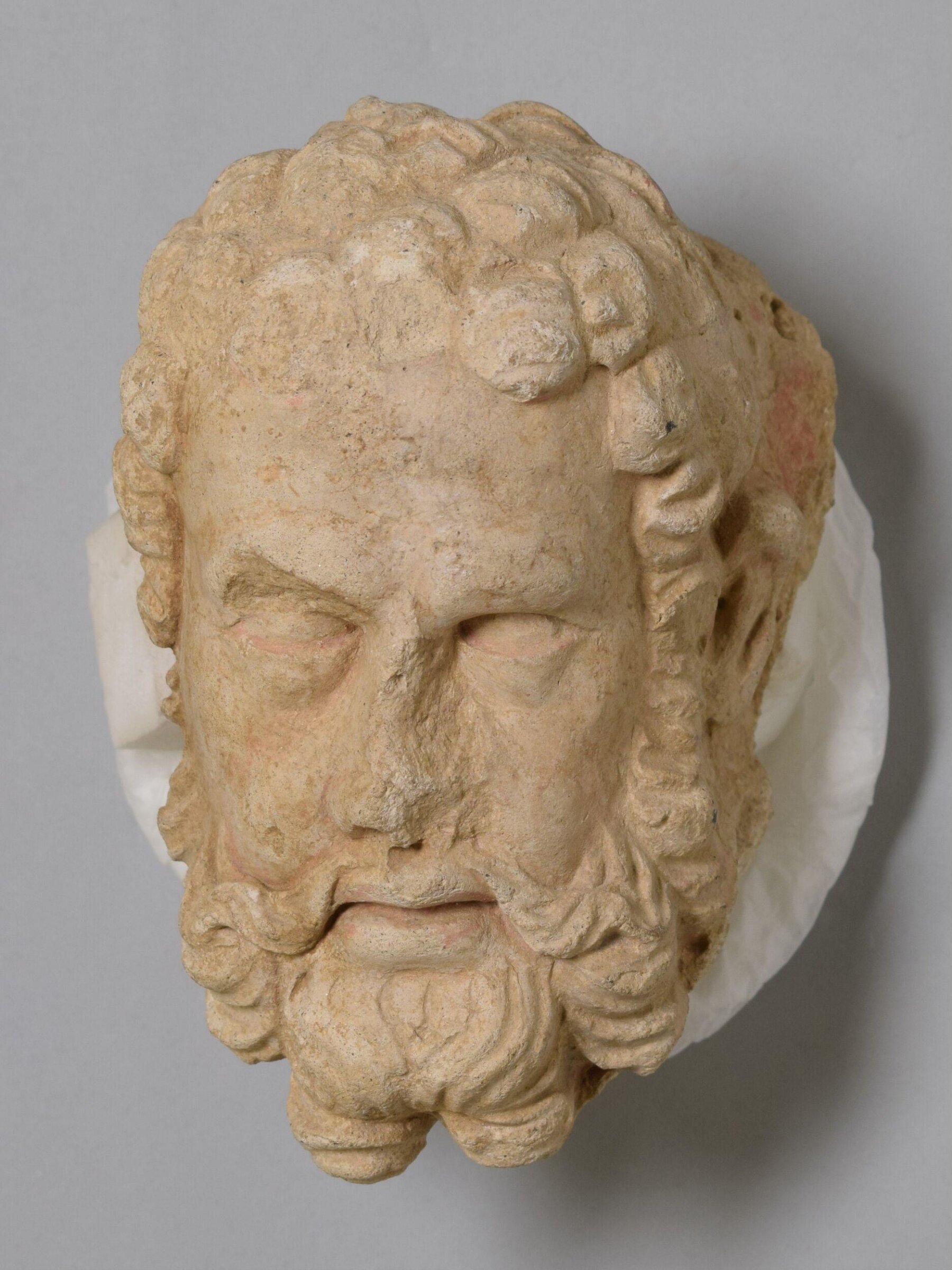
Sculpture, 4th century -5th Century

Sculpture, 4th century -5th Century

未展出 · 维多利亚和阿尔伯特博物馆

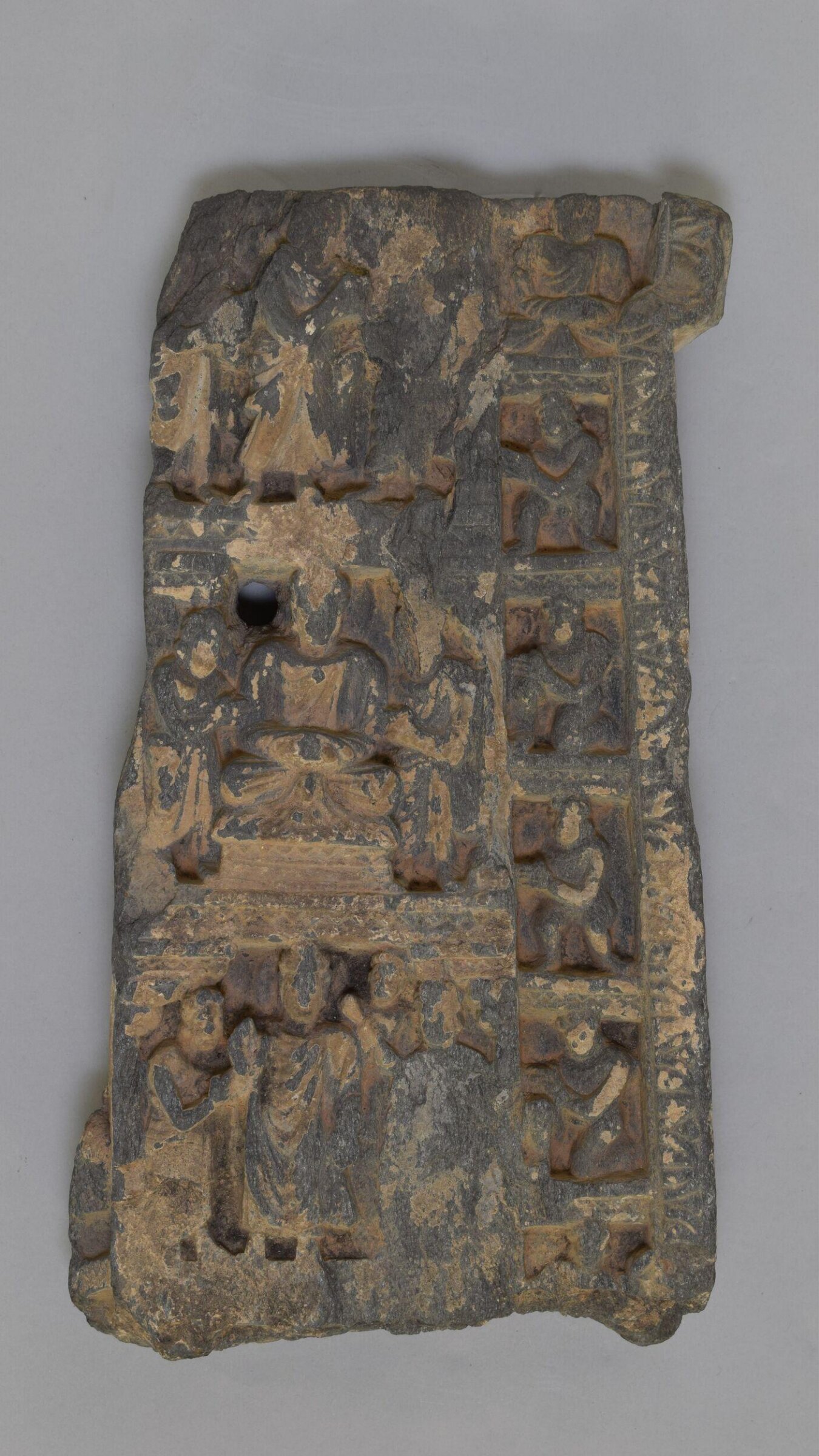
Relief panel, 2nd century- to 5th Century

Relief panel, 2nd century- to 5th Century

未展出 · 维多利亚和阿尔伯特博物馆

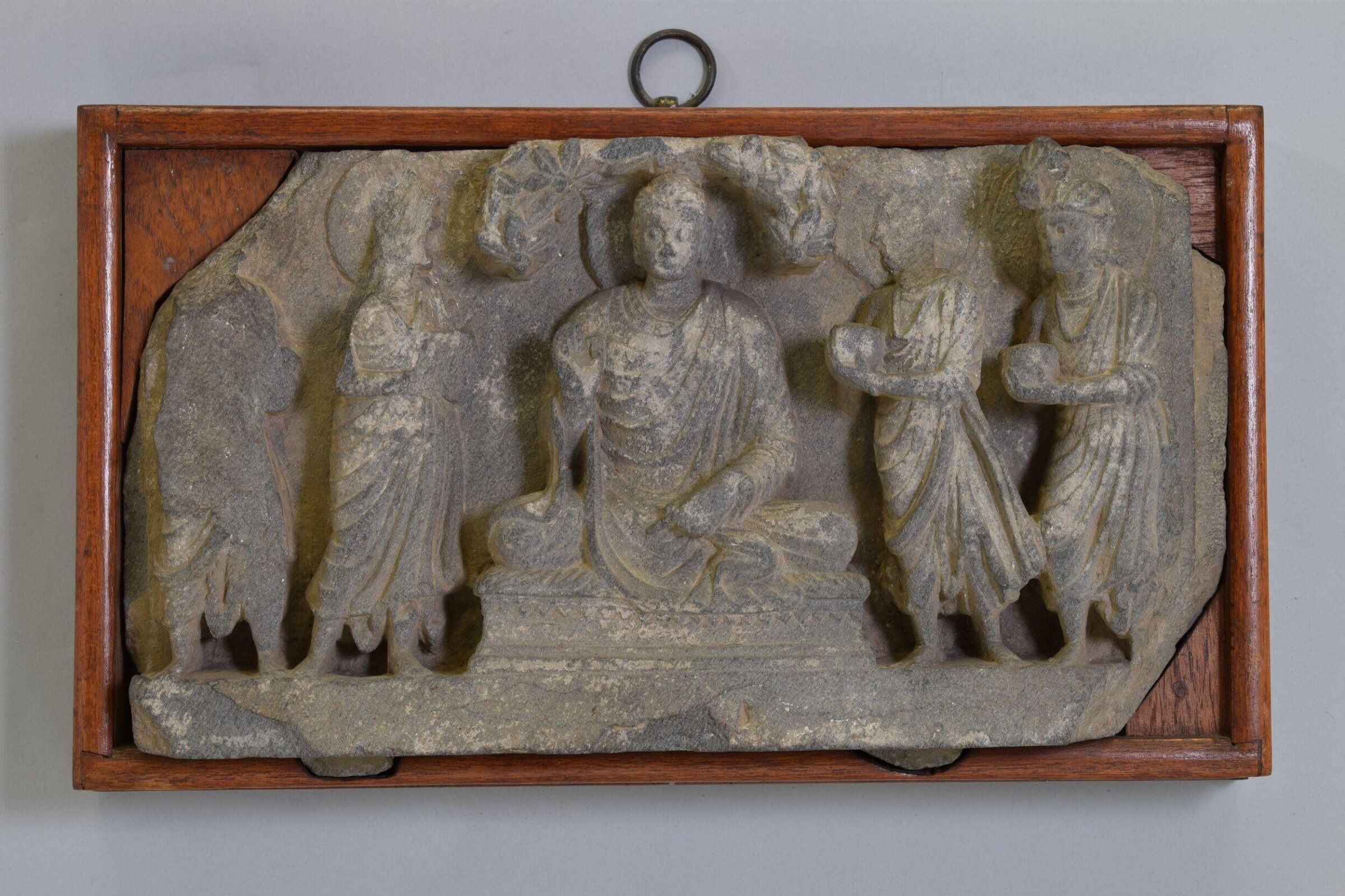
Relief panel, 1st century

Relief panel, 1st century

未展出 · 维多利亚和阿尔伯特博物馆

Buddha Sakyamuni Preaching, 7th- 8th century

Buddha Sakyamuni Preaching, 7th- 8th century

维多利亚和阿尔伯特博物馆

Crowned Buddha Shakyamuni, 12th Century

Crowned Buddha Shakyamuni, 12th Century

未展出 · 维多利亚和阿尔伯特博物馆

Mahakala, 1650-1800

Mahakala, 1650-1800

维多利亚和阿尔伯特博物馆

Three Heads (fragment of a wall painting), ca. 6th century

Three Heads (fragment of a wall painting), ca. 6th century

维多利亚和阿尔伯特博物馆