Artemisia Gentileschi意大利, 1593–1653
Lucretia
能看到吗?
是,正在展出
《Lucretia》现在在哪里? J·保羅·蓋蒂博物館, Museum East Pavilion, Gallery E201, 洛杉矶. 是,正在展出. 核实 2026年10月5日.
闭馆· 10:00 开馆
正对公众展出。
- 核实
- 此状态始于
- 出处
- 博物馆
关于这幅画
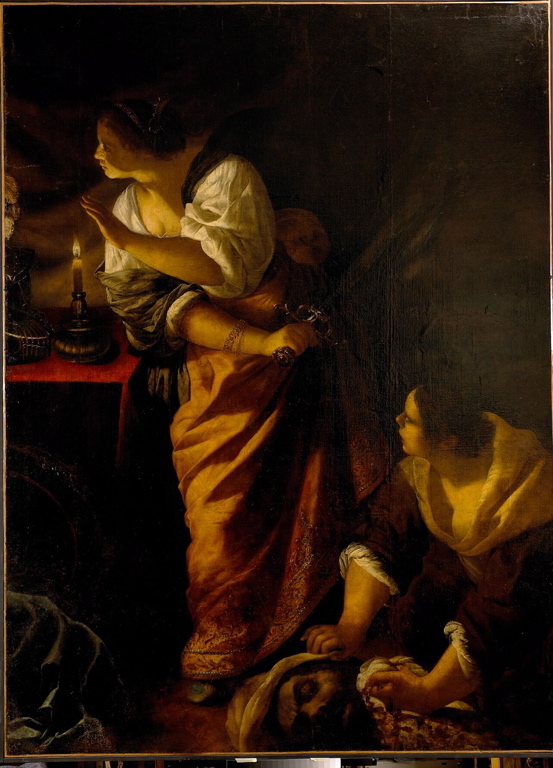
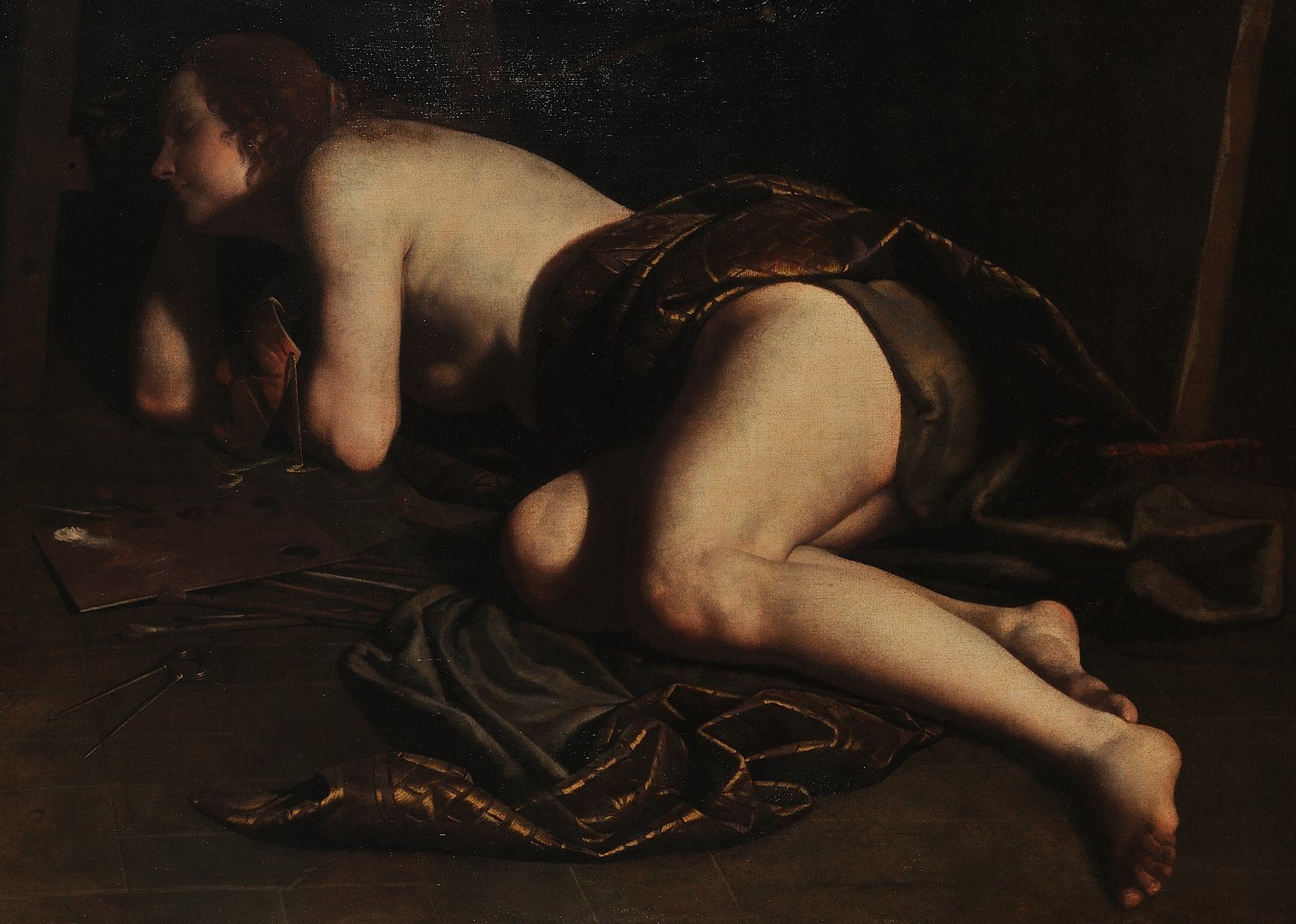
Lucretia emerges from the shadows and grasps a dagger, aiming it at her chest. The beauty of her translucent skin, the pearls in her hair, the luxurious fabrics—all contrast with the horror of what is about to happen. The main source for the story of Lucretia is the *History of Rome* (Book I, 57 – 59) by ancient Roman historian Titus Livius. The legendary Lucretia was the virtuous wife of the nobleman Lucius Tarquinius Collatinus. After her rape by Sextus Tarquinius, the son of the King of Rome, she called on her father and her husband for vengeance and then, while proclaiming her innocence, stabbed herself to death. Anger and grief over Lucretia’s death led to a rebellion that brought down the corrupted monarchy and made her a martyr for freedom.
继续阅读
Lucretia became an enduring symbol of female strength, and her story likely had personal resonance for the artist: like Lucretia, Artemisia Gentileschi had experienced sexual violence as a young woman. Artemisia often depicted *donne forti* (strong women) in her work, in this way shaping her artistic persona as an independent and successful painter in a world dominated by men. She approached her subjects with great empathy and translated their experiences into emotionally complex paintings. Artemisia painted Lucretia at least four times during her career, and in all but one of the surviving examples she portrayed the isolated figure of Lucretia in the moment just before she plunges the dagger on her breast. Three poems written in Venice in 1627 celebrated a painting of Lucretia by the hand of Artemisia.
The author has not been identified with certainty, but he was likely Giovan Francesco Loredan, who was part of a close-knit group of writers, artists, musicians, and patrons who were associated with Artemisia during her Venetian sojourn (1626/27 – 1630). Artemisia’s portrayal of the elegant and sophisticated heroine hint at a profound engagement with the artistic legacy of sixteenth-century Venetian art, therefore leading to an identification of our painting with the work praised in the aforementioned poems.
J·保羅·蓋蒂博物館
作品信息
- 馆藏编号
- 2021.14
已收入目录
出处
- J·保羅·蓋蒂博物館
- 图片: J·保羅·蓋蒂博物館 — Open Content