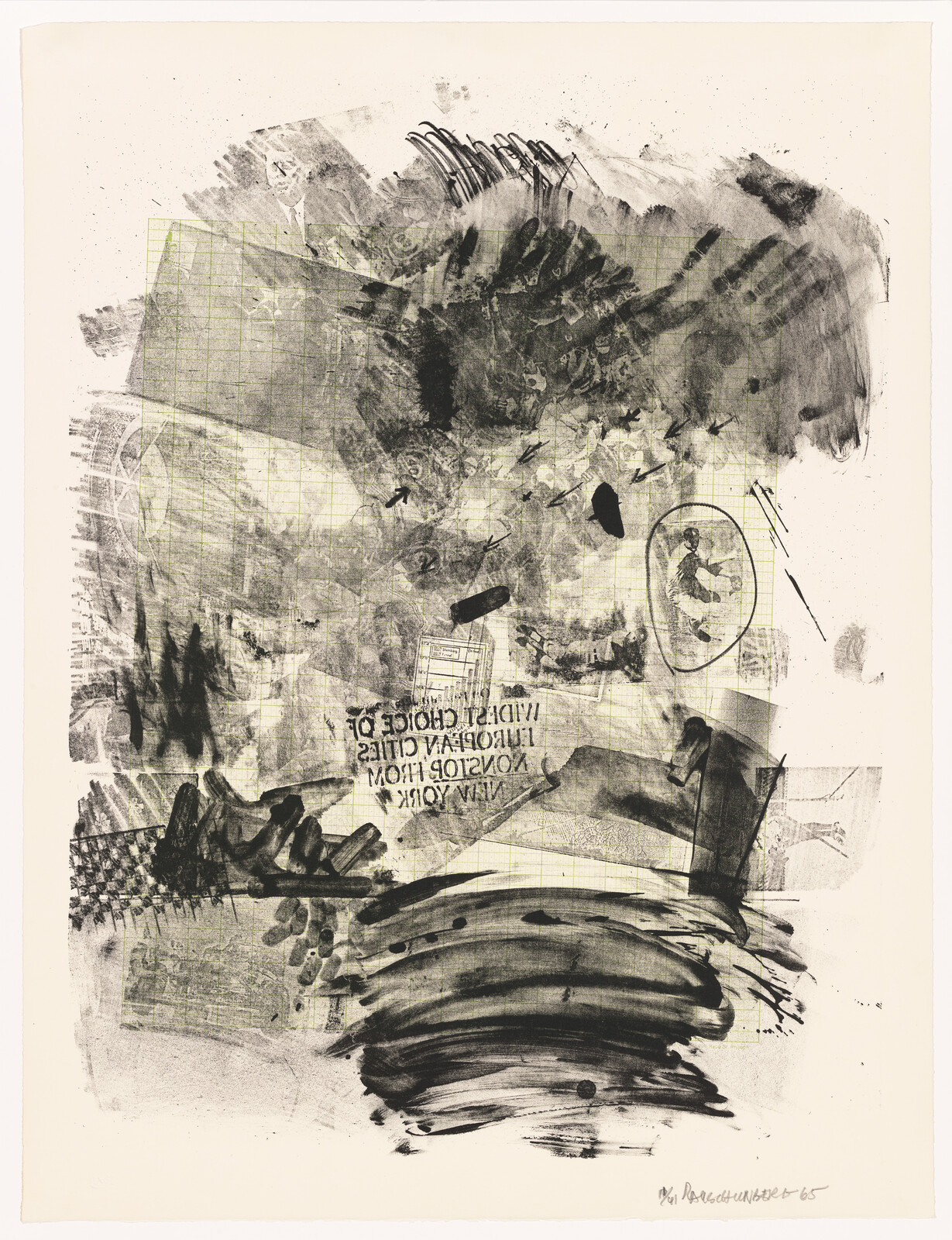
 Robert Rauschenberg美国, 1925–2008
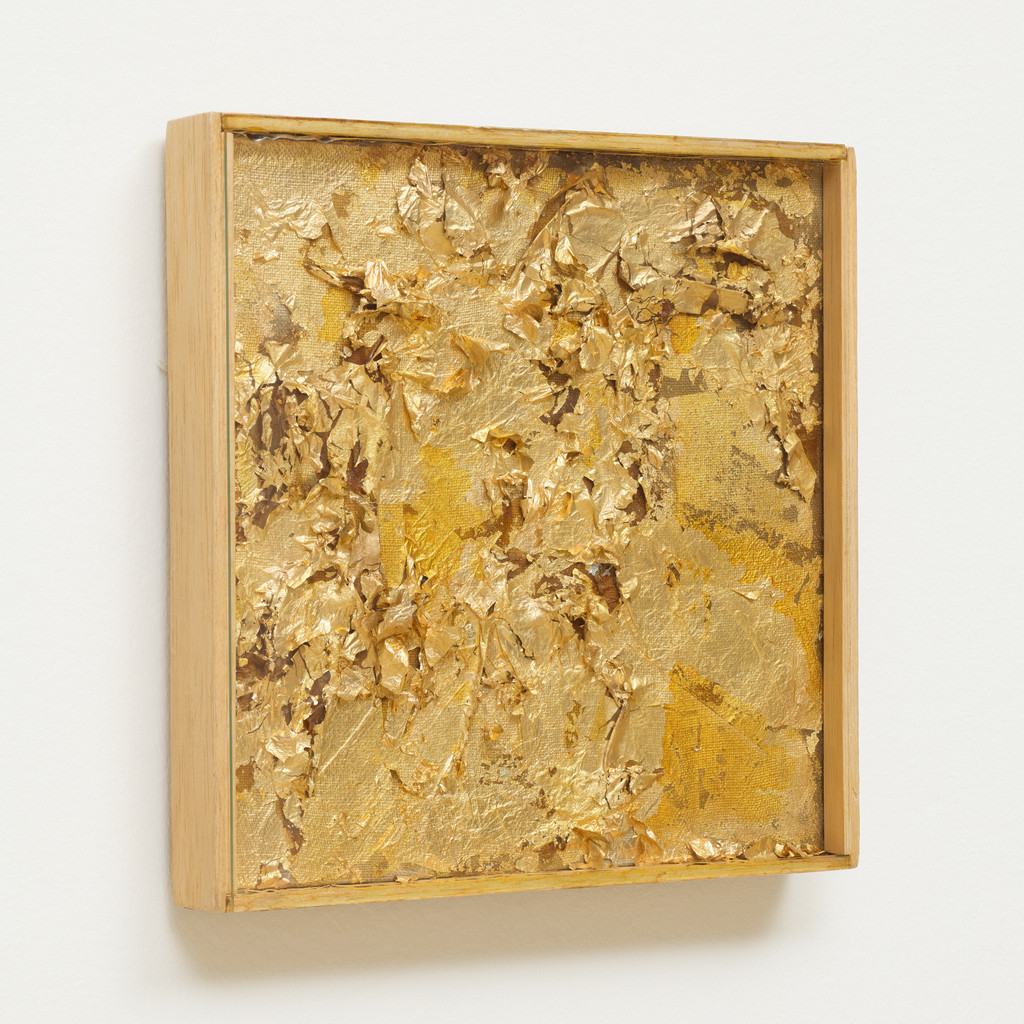
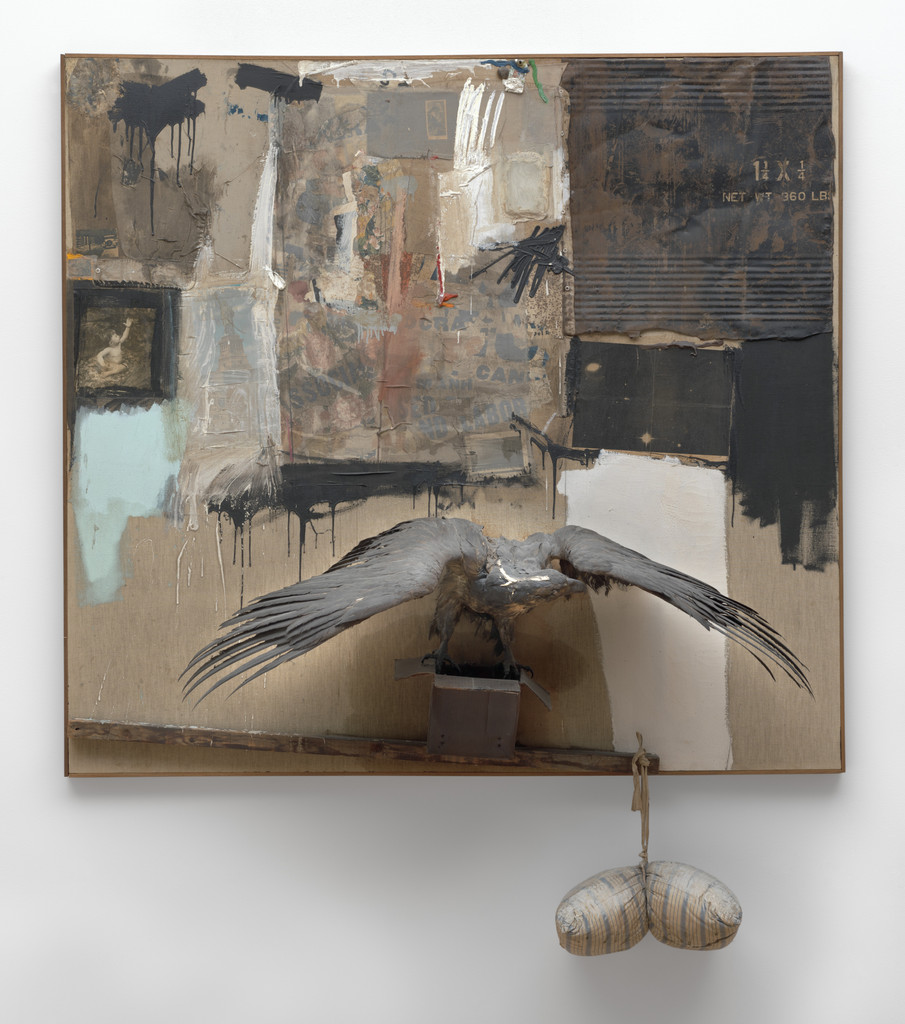
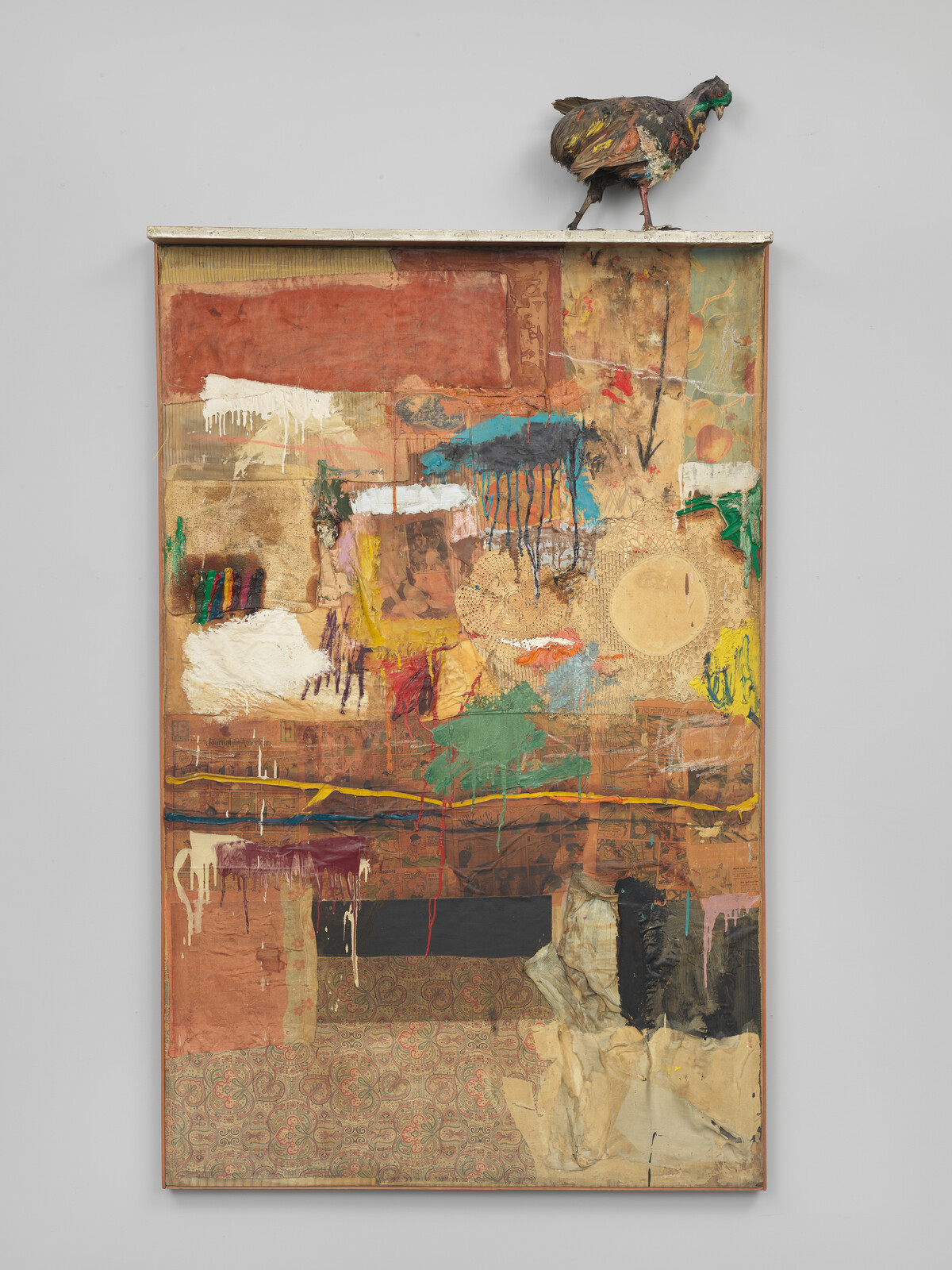
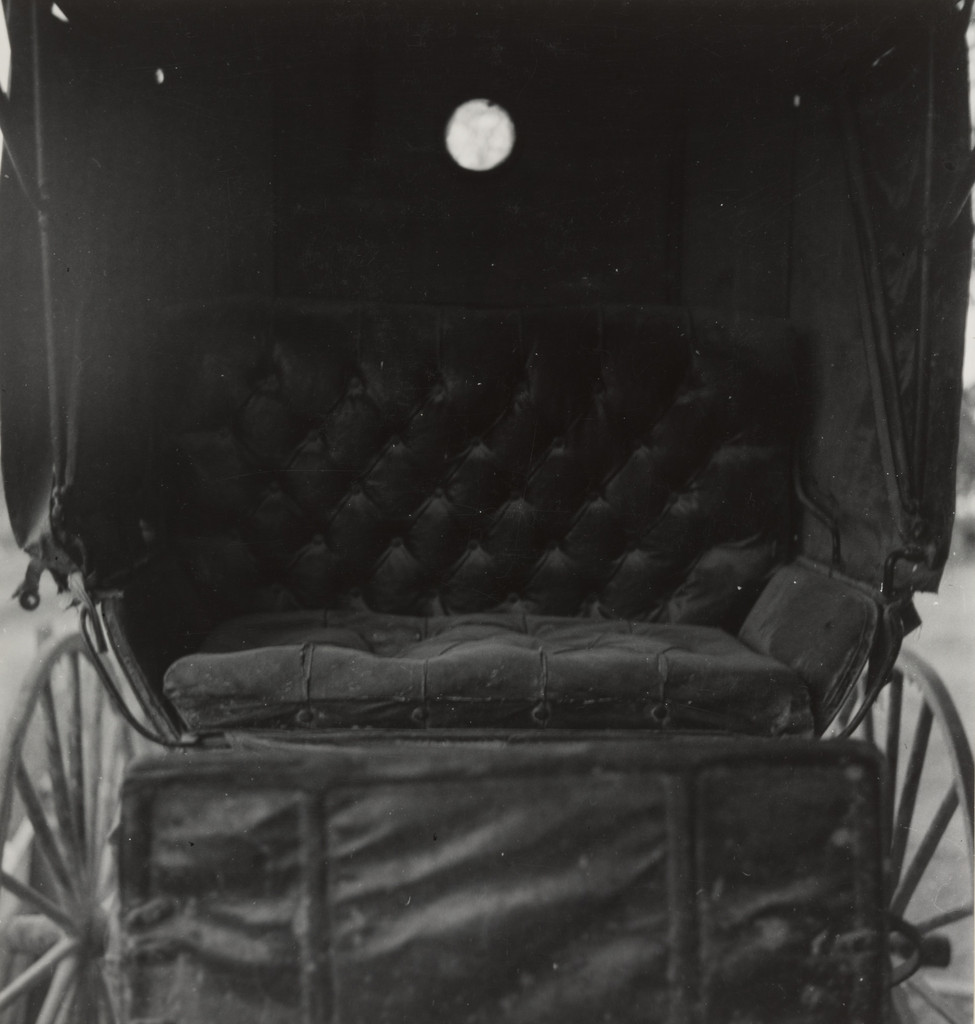
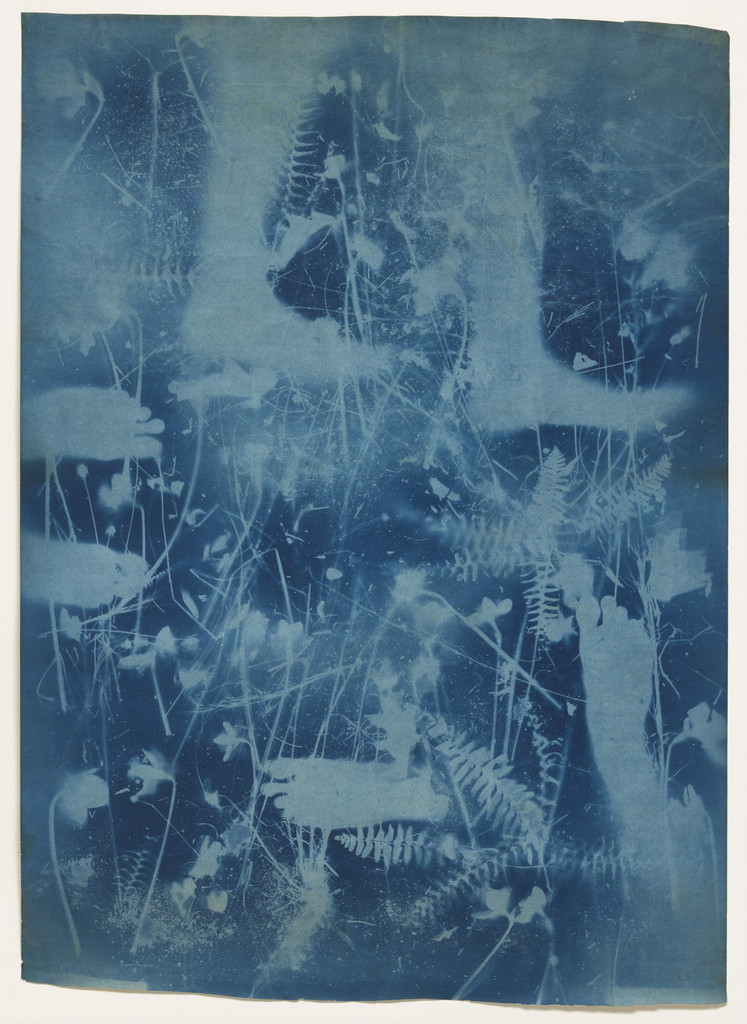
Lawn
可否一睹真容?
眼下不见客

惠特尼美国艺术博物馆
纽约, 美國
仍属馆藏,只是目前没有展出。
- 核实
- 9天前
- 出处
- 博物馆自己的馆藏数据
作品信息
- 馆藏编号
- 73.89
出处
- 惠特尼美国艺术博物馆: the museum's own open data · 9天前获取
- 图片: 惠特尼美国艺术博物馆 — © the artist or rights holder
与此同时,在Robert Rauschenberg的生活中
完整生平1963
First retrospective, at the Jewish Museum
Rauschenberg's first career retrospective was organised by the Jewish Museum in New York.
May 1963
Choreographs his first performance, “Pelican”
In the early 1960s Rauschenberg was involved in the radical dance-theatre experiments at Judson Memorial Church in Greenwich Village, and in May 1963 he choreographed his first performance, “Pelican”, for the Judson Dance Theater. His close friends from Cunningham's circle — Carolyn Brown, Viola Farber and Steve Paxton — danced in his pieces.
1964
Grand Prize at the Venice Biennale
At the 32nd Venice Biennale Rauschenberg won the International Grand Prize in Painting, one of the first Americans to do so (James Whistler and Mark Tobey had won painting prizes in 1895 and 1958). The prize has been called the official recognition of Pop art.
1964
World tour with the Merce Cunningham Dance Company
Rauschenberg designed sets, lighting and costumes for Merce Cunningham and Paul Taylor; his full-time connection with the Cunningham company ended after its 1964 world tour.
1964年6月28日–1964年10月6日
Exhibition: Documenta III
1966
Founds E.A.T. with Billy Klüver
For “9 Evenings: Theatre and Engineering” at New York's 69th Regiment Armory Rauschenberg created the performance Open Score. The series was instrumental in the formation of Experiments in Art and Technology (E.A.T.), a non-profit for collaborations between artists and engineers which he and the Bell Laboratories scientist Billy Klüver officially launched in 1966.