

与此同时,在William Henry Fox Talbot的生活中
完整生平1822–1872
Half a century of papers for the Royal Society
From 1822 to 1872 Talbot communicated papers to the Royal Society of London, a large share of them on mathematical subjects.
1840s
Photomechanics: the road to photogravure
In the 1840s Talbot turned to the photomechanical reproduction of pictures; this work led to photoglyphic engraving, the precursor of photogravure. Rendering a photograph in printer’s ink made editions cheaper and avoided the fading of early silver prints.
1844
The Reading Establishment for mass-producing prints
Talbot helped set up an establishment in Russell Terrace (now Baker Street), Reading, to mass-produce prints from his calotype negatives; it also printed from others’ negatives, copied artworks and documents and took portraits, but it was not a success. His closest friends and collaborators in photography were Nicolaas Henneman and Antoine Claudet.
1844–1846
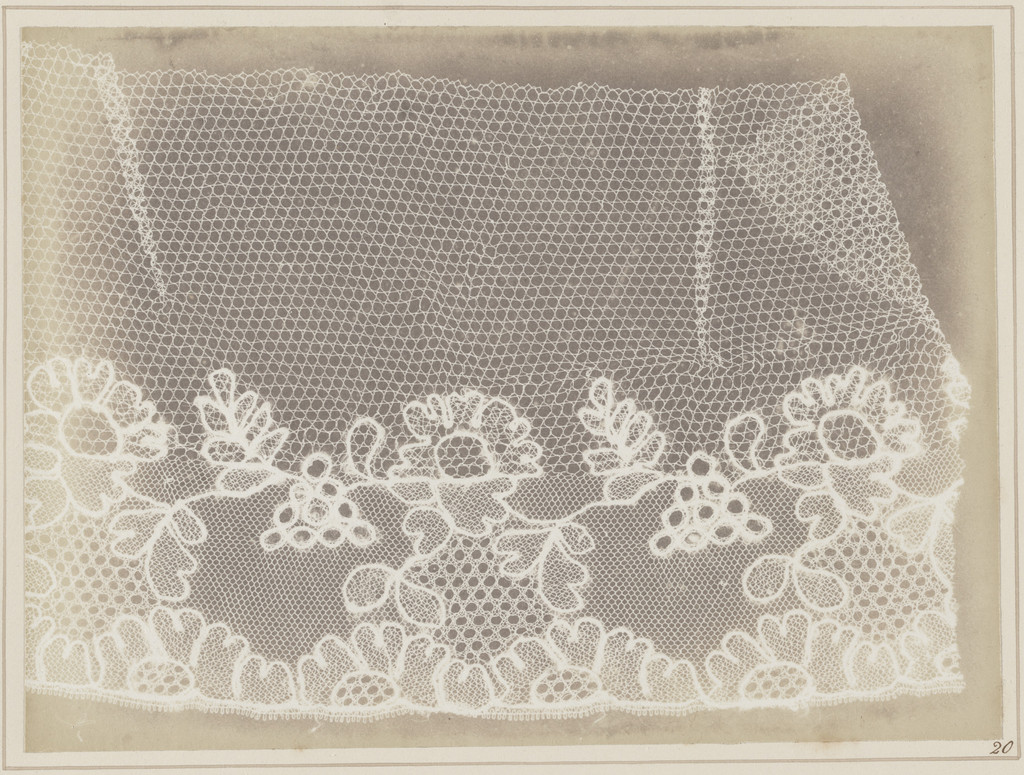
“The Pencil of Nature”, the first photobook, appears
Longman, Brown, Green & Longmans issued the book in separate parts: 24 prints, each pasted in by hand and accompanied by a short text. Talbot is regarded as the author of the first photographic book; scholars see in it the design of a new canon built on biblical rhetoric.
1846
“English Etymologies” appears
Talbot, whose interests included etymology, published the book “English Etymologies”.


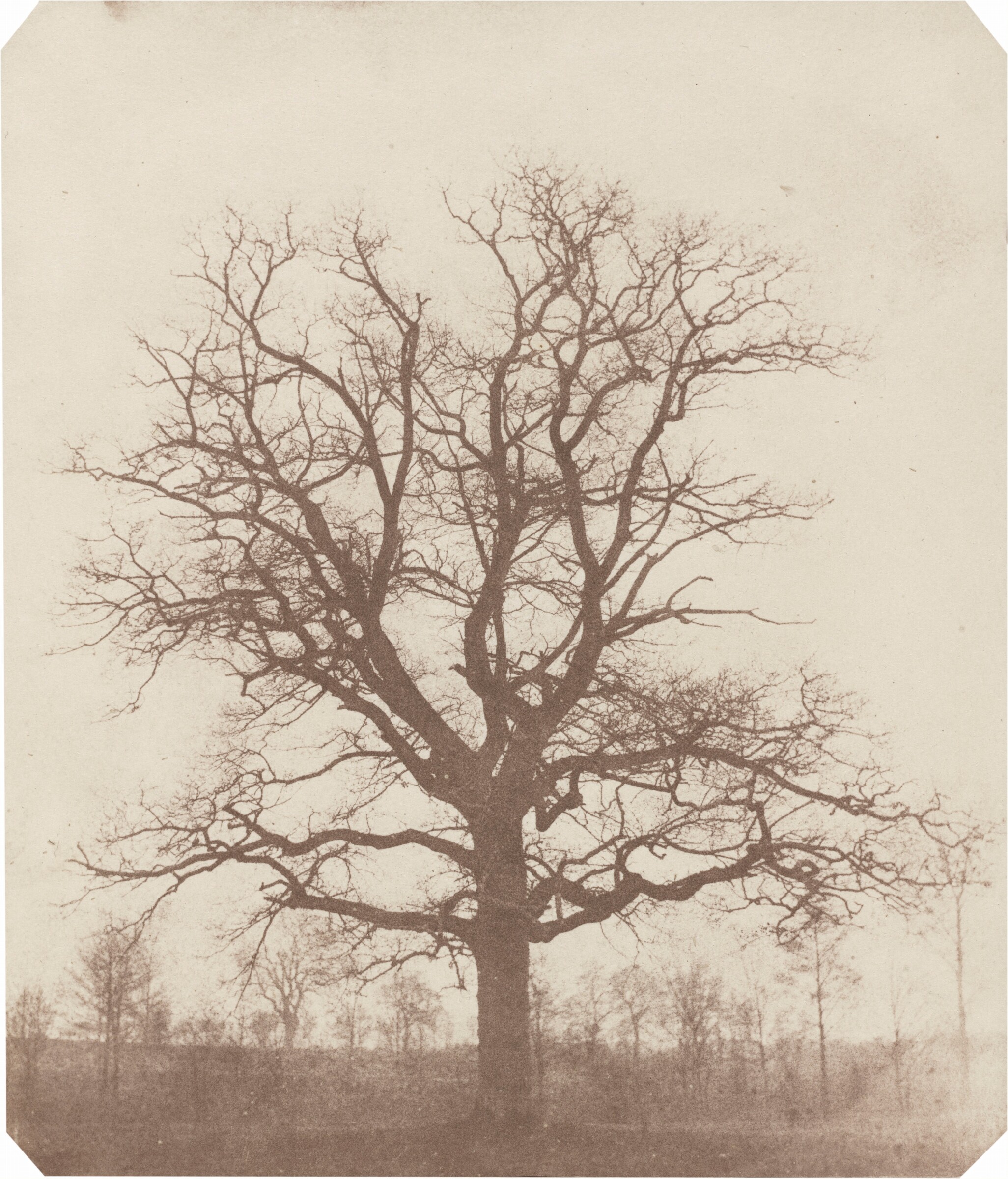
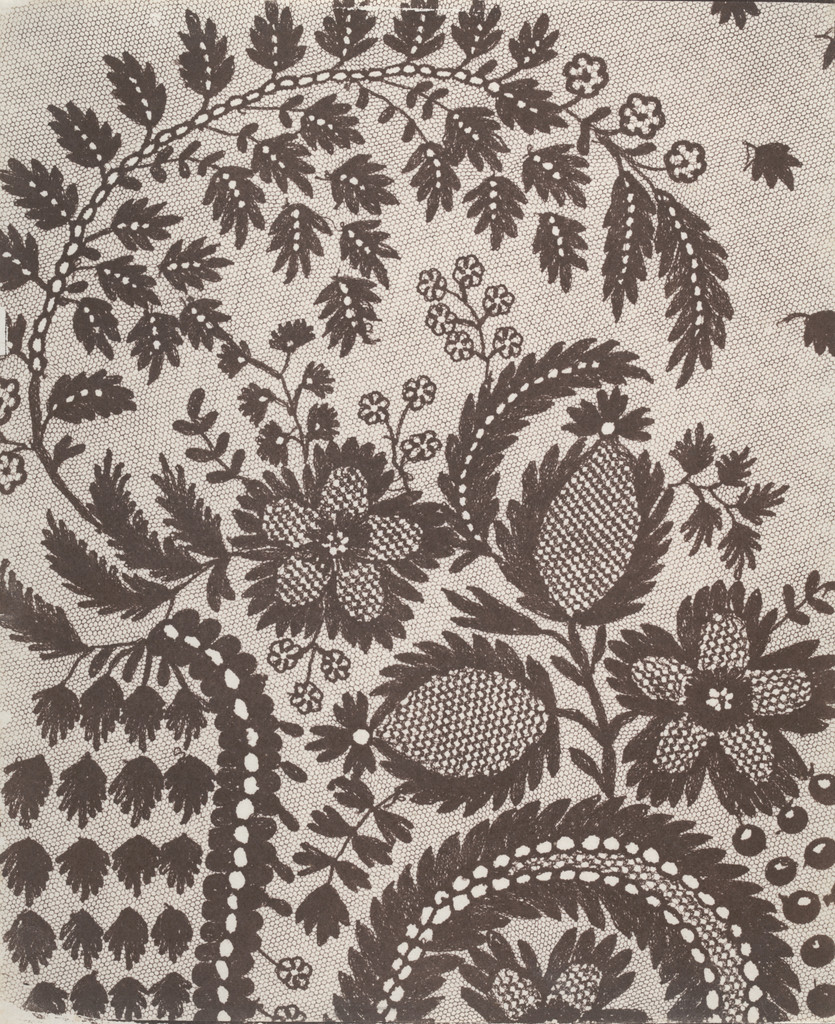

![[Group of Trees from the American Walnut], William Henry Fox Talbot, June 1, 1840](https://media.getty.edu/iiif/image/e2239044-50e4-44d2-be46-db53cdc317f1/full/!1200,1200/0/default.jpg)