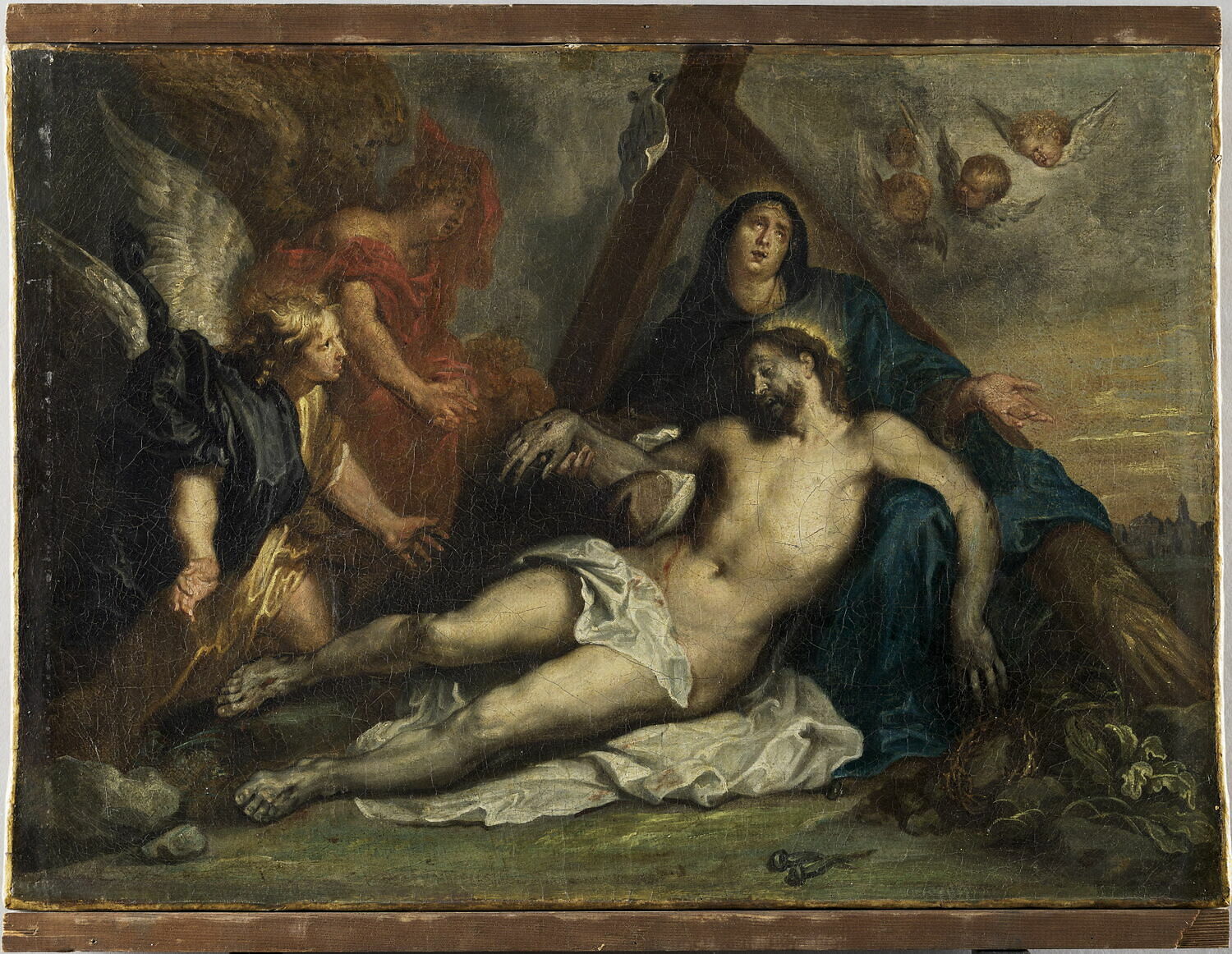
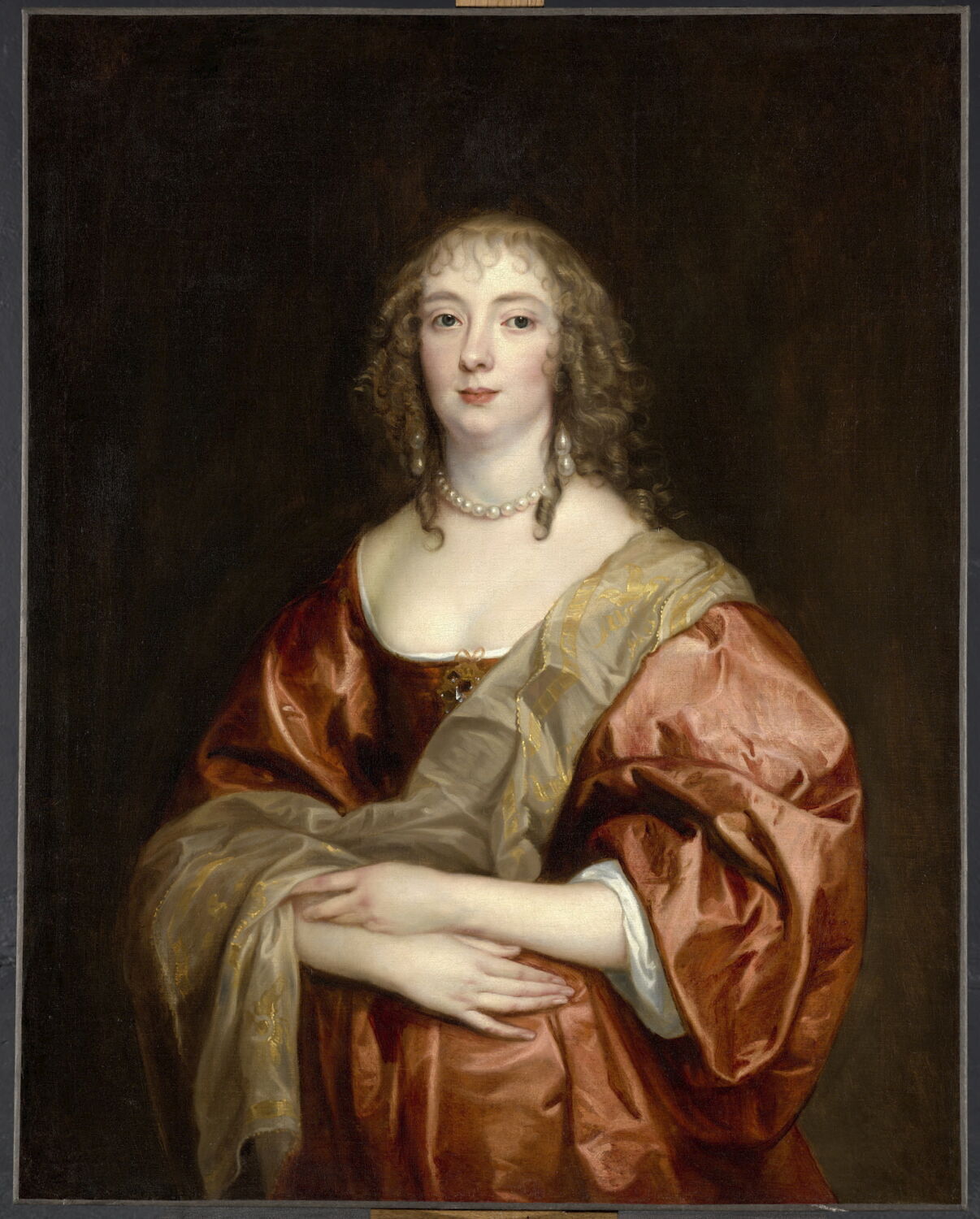
Anthony van Dyck佛兰德, 1599–1641
Jan Snellinck

关于作品
The Iconography is a collection of portrait prints made after drawings and paintings by van Dyck. Eighteen were etched by the artist himself, although the majority are engravings made by a variety of printmakers. This compilation of portraits of princes, politicians, soldiers, statesmen, scholars, art connoisseurs and most importantly artists, a survey of the most distinguished men and women of his time, went through many editions. The edition published by Martinus van den Enden during van Dyck's lifetime consisted of eighty portraits. Van Dyck prepared these prints by making oil sketches and drawings in black chalk, sometimes washed with brown ink.
继续阅读
Many of these eighteen etched portraits by van Dyck are rare first state impressions, including the artist's Self-Portrait. The majority of the other eighteen are depictions of artists as well, including Jan and Pieter Brueghel, Lucas Vorsterman and Paulus Pontius-important reproductive engravers of Rubens's work, and Cornelis Anthoniszoon.
哈佛藝術博物館
作品信息
- 馆藏编号
- 2008.25.10
已收入目录
出处
- 哈佛藝術博物館
- 图片: 哈佛藝術博物館 — © President and Fellows of Harvard College
与此同时,在Anthony van Dyck的生活中
完整生平1624
Quarantine During the Plague in Palermo
In Palermo Van Dyck found himself in quarantine during the plague of 1624, one of the most severe in Sicily's history; there he created an important series of paintings of Saint Rosalia, the city's patroness, establishing her iconography for the Italian Baroque.
1624
Invitation to Palermo
In April 1624 Emmanuel Philibert of Savoy, Viceroy of Sicily, invited Van Dyck to Palermo to paint his portrait.
1626–1632
The Iconography Print Series
After returning to Antwerp, Van Dyck conceived a large series of engraved portraits of his contemporaries, the Iconography; he etched eighteen plates himself, executing the preparatory drawings mainly between 1626 and 1633. The first edition (80 plates) appeared in Antwerp in 1632.
1627
Return to Antwerp
In 1627 Van Dyck returned from Italy to Antwerp, where he remained for five years, creating portraits of the Flemish nobility and large altarpieces, and beginning to work in printmaking.
by 1630
Court Painter to Archduchess Isabella
From 1630 Van Dyck was court painter to Archduchess Isabella Clara Eugenia of Habsburg, regent of the Spanish Netherlands; for her portrait he received a gold chain.
5 July 1632
Principal Painter to King Charles I
On 5 July 1632 Charles I officially appointed Van Dyck principal painter to the king, guaranteeing an annual income of two hundred pounds sterling; the king gave him a large house with a garden on the banks of the Thames.