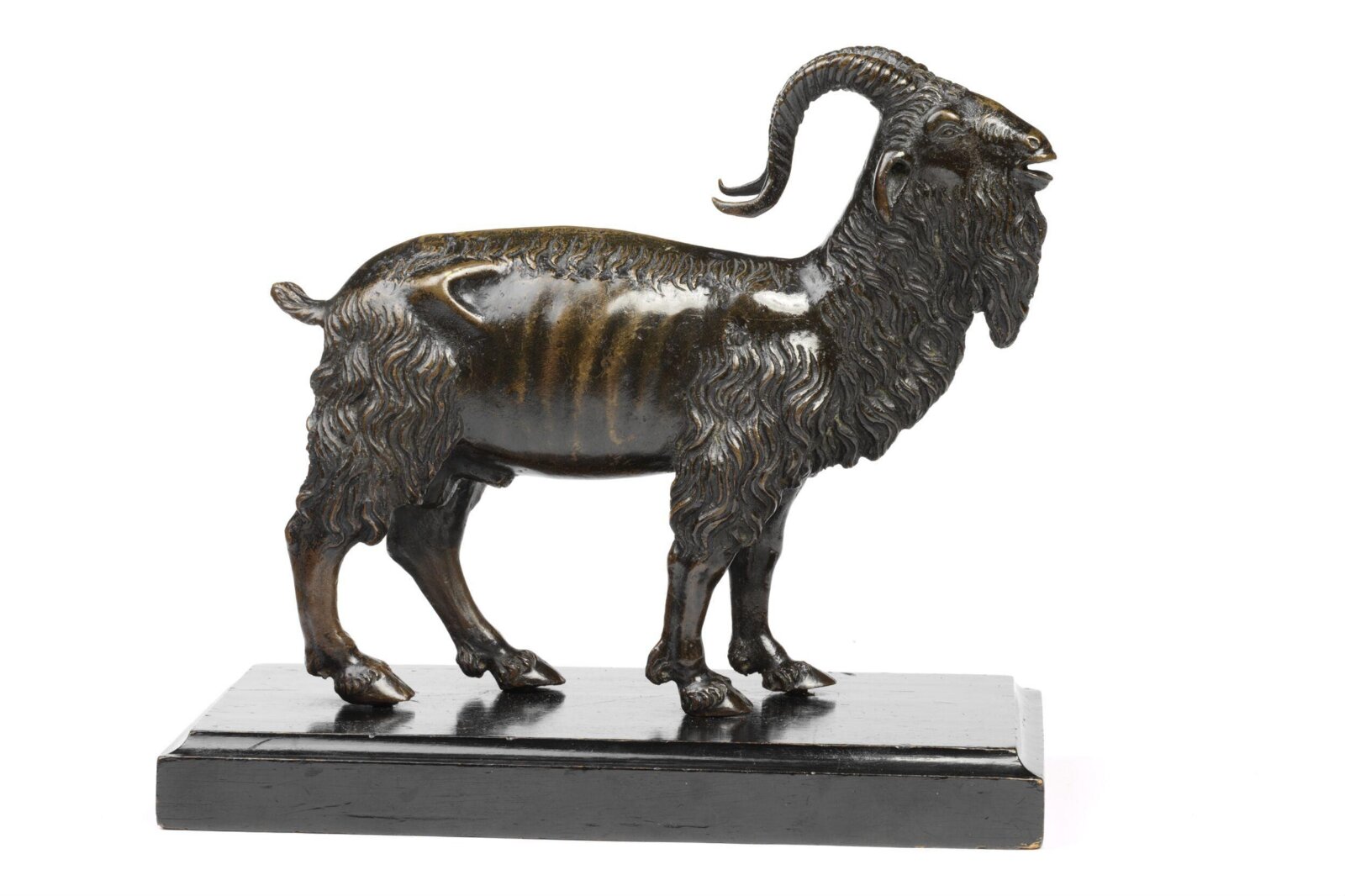
Goat
可否一睹真容?
可以,正在迎客

正对公众展出。由谁担保,见下文。
- 核实
- 此状态始于
- 出处
- 博物馆
关于这件雕塑
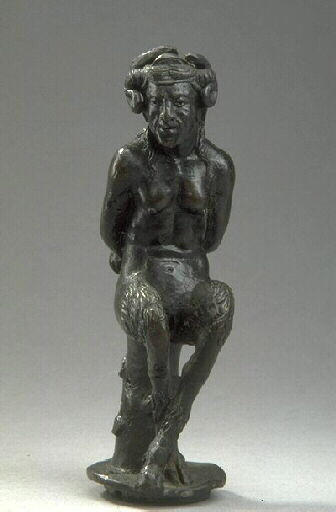
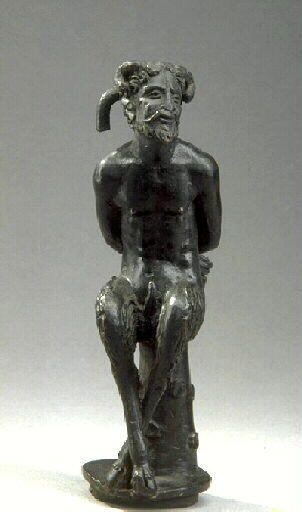
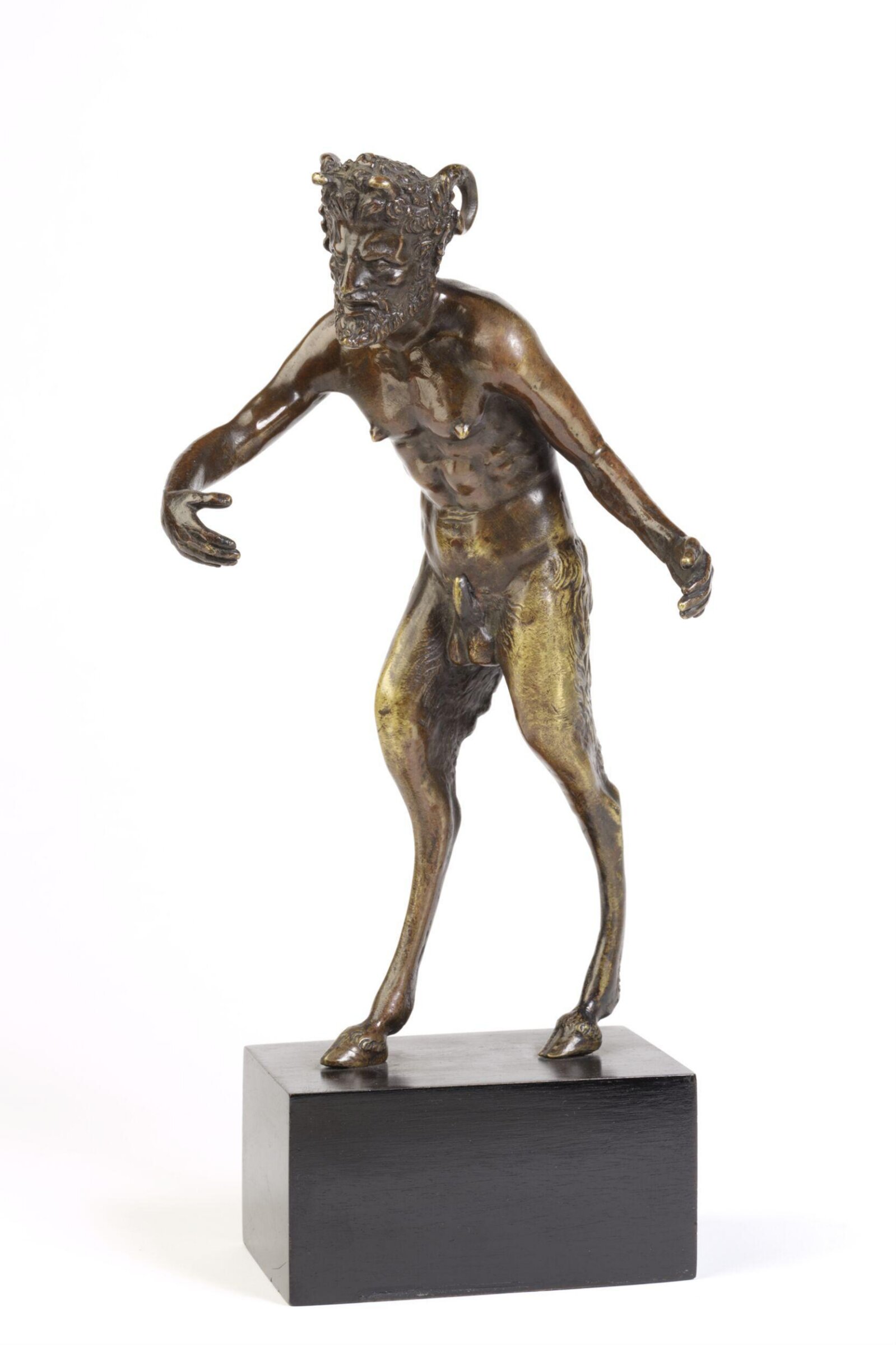
This bronze exists in several versions and is probably based on a model by the celebrated Paduan master, Il Riccio. During the Renaissance the goat was a symbol of male sexuality. It was also associated with the ancient Roman god of wine.
Riccio (1470-1532) - meaning 'Curly-Head' - worked primarily in bronze and is acknowledged as the master of the bronze statuette during the late 15th and early 16th centuries. He was active in the humanist circle of the University of Padua, in north-east Italy.
Riccio was trained as a goldsmith and lived and worked all his live in Padua. Today he is acknowledged as one of the greatest bronze sculptors of the Renaissance.
His statuettes, functional objects, like oil lamps, and reliefs reflect Riccio's inimitable ability to express the most refined humanist ideas prevalent in the Veneto in bronze.
继续阅读
He was also a specialist in rendering themes of Classical mythology.
His oeuvre is often neglected because of its small scale, but it constitutes one of the most fascinating manifestations of the poetic paganism of the High Renaissance.
维多利亚和阿尔伯特博物馆
作品信息
- 馆藏编号
- A.75-1952
画面内容
已收入目录
出处
- 维多利亚和阿尔伯特博物馆
- 图片: 维多利亚和阿尔伯特博物馆 — © Victoria and Albert Museum, London