 Claes Oldenburg美国, 1929–2022
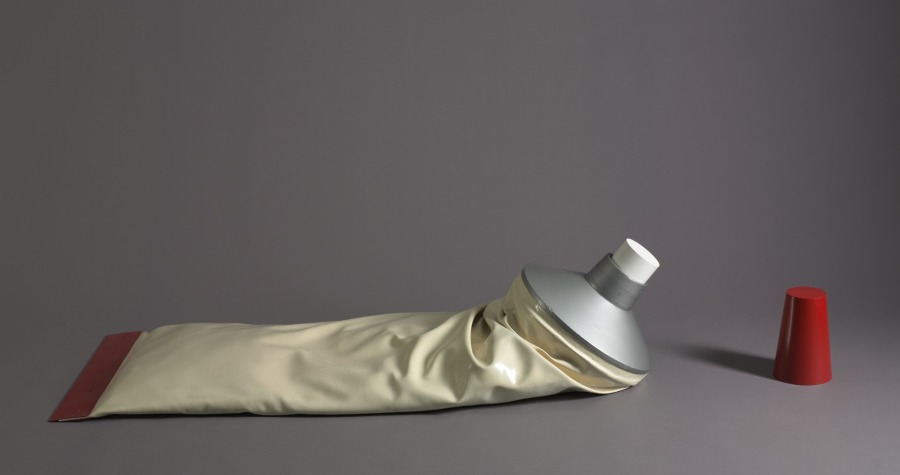
Giant Toothpaste Tube

关于这件雕塑
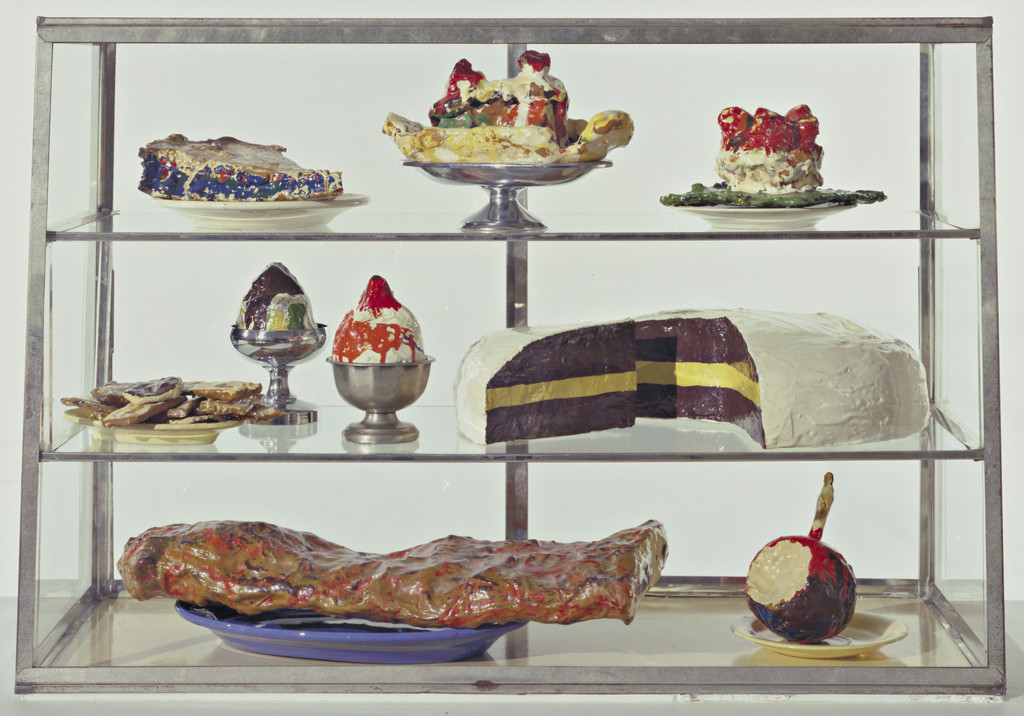
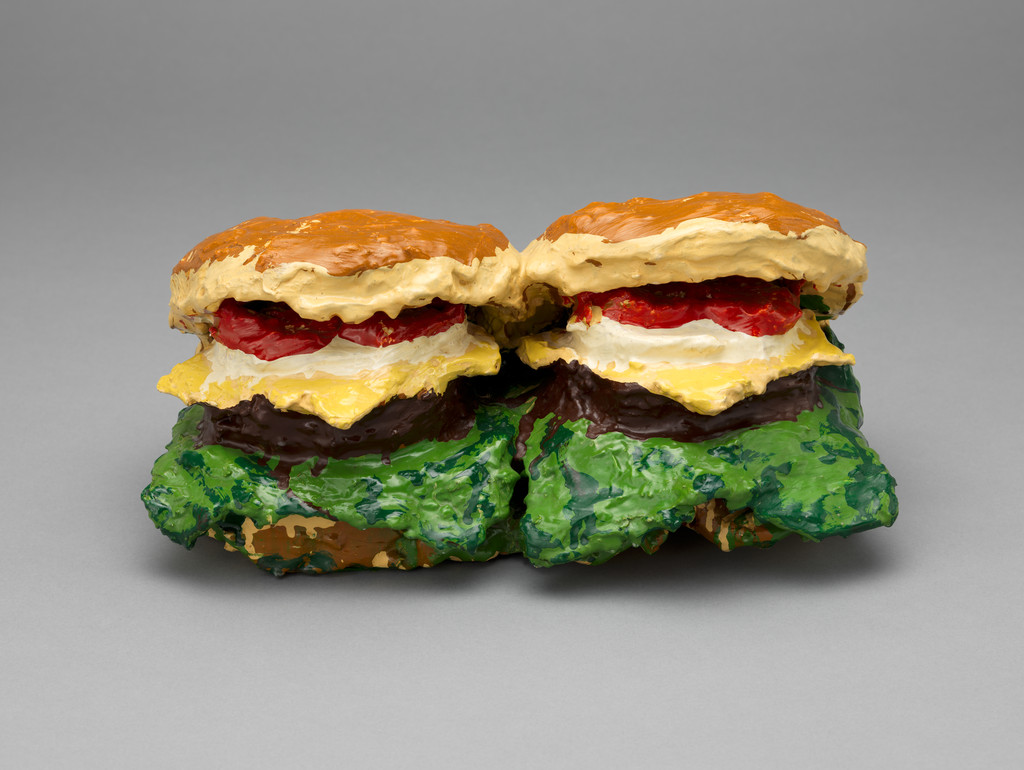
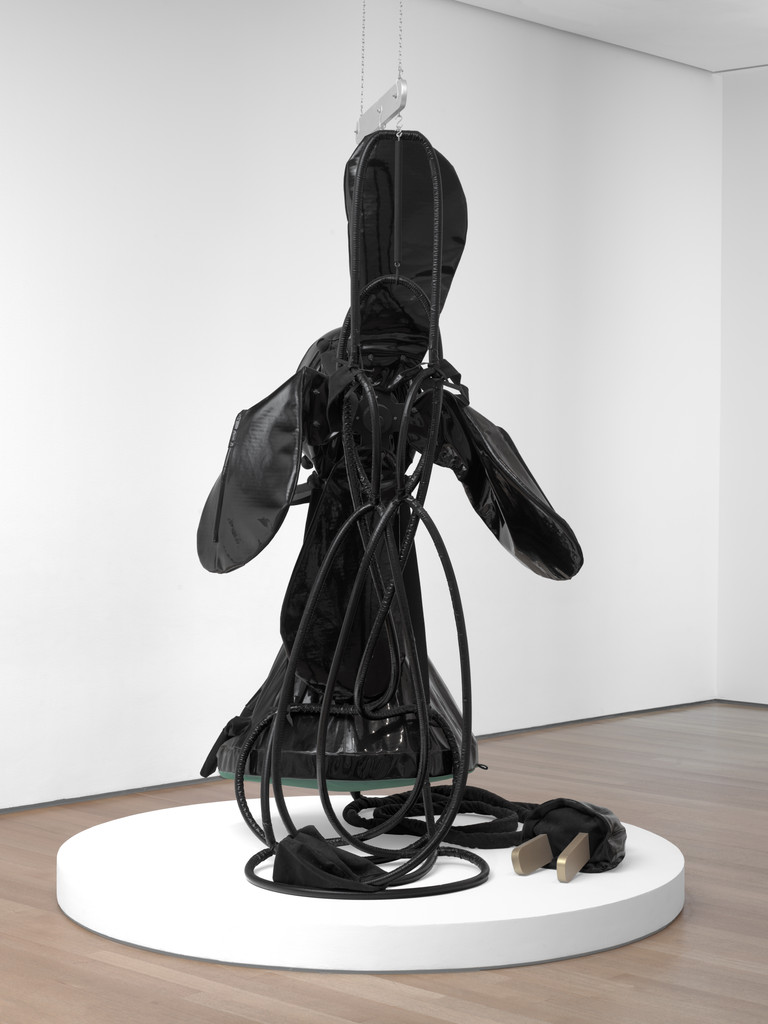
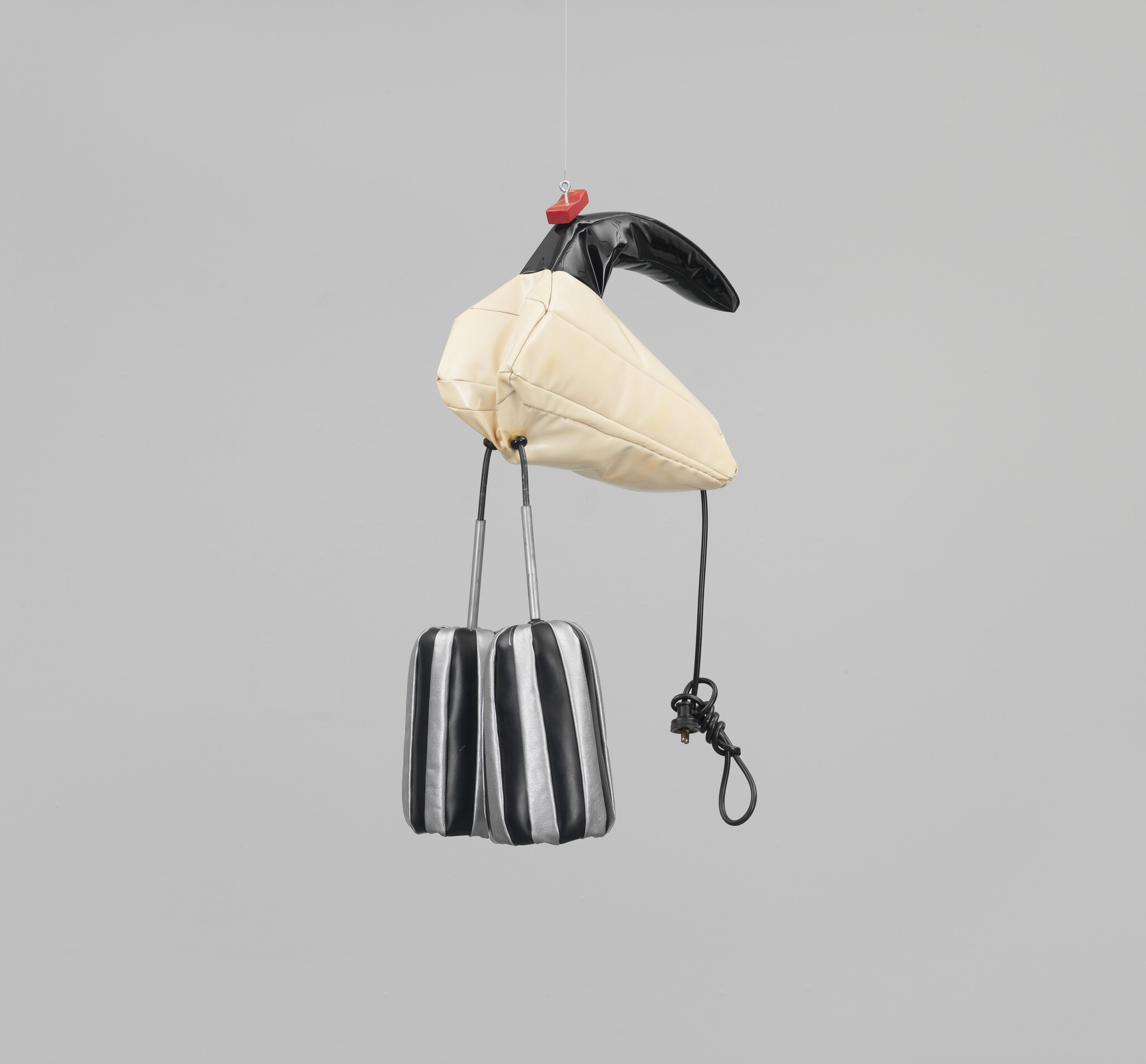
Oldenburg became known in the 1960s for his involvement with New York counterculture figures in producing group performances called happenings and art films. Later in the decade, he mined ubiquitous consumer culture to create sculptures of commonplace objects rendered in monumental size through unexpected materials. Elevated from a banal household thing into a work of art, these works make the most everyday subjects strange, presenting them as if we were encountering them for the first time.
克利夫蘭藝術博物館
作品信息
- 馆藏编号
- 2004.88
已收入目录
出处
- 克利夫蘭藝術博物館
- 图片: 克利夫蘭藝術博物館 — © Claes Thure Oldenburg
与此同时,在Claes Oldenburg的生活中
完整生平1960s
Happenings of the “Ray Gun Theater”
In the 1960s Oldenburg, now associated with Pop art, staged happenings he called the “Ray Gun Theater”, with Lucas Samaras, Tom Wesselmann, Carolee Schneemann and others; his first wife Patty Mucha, who sewed many of his early soft sculptures — “Floor Hamburger”, “Floor Cone”, “Floor Cake” — was a constant performer.
1963
Move to Los Angeles, “the most opposite thing to New York”
In 1963 Oldenburg moved to Los Angeles “because it was the most opposite thing to New York [he] could think of”.
1965
Projects for imaginary monuments
From 1965 Oldenburg drew projects for imaginary outdoor monuments — at first small collages: a fat, fuzzy teddy bear looming over the fields of Central Park (1965), lipsticks in Piccadilly Circus, London (1966).
1966
Solo show at the Moderna Museet
In 1966 Pontus Hultén organised a solo exhibition of Oldenburg's work at the Moderna Museet.