与此同时,在Francesco Albani的生活中
完整生平1590s
The Carracci Academy and four years under Ludovico
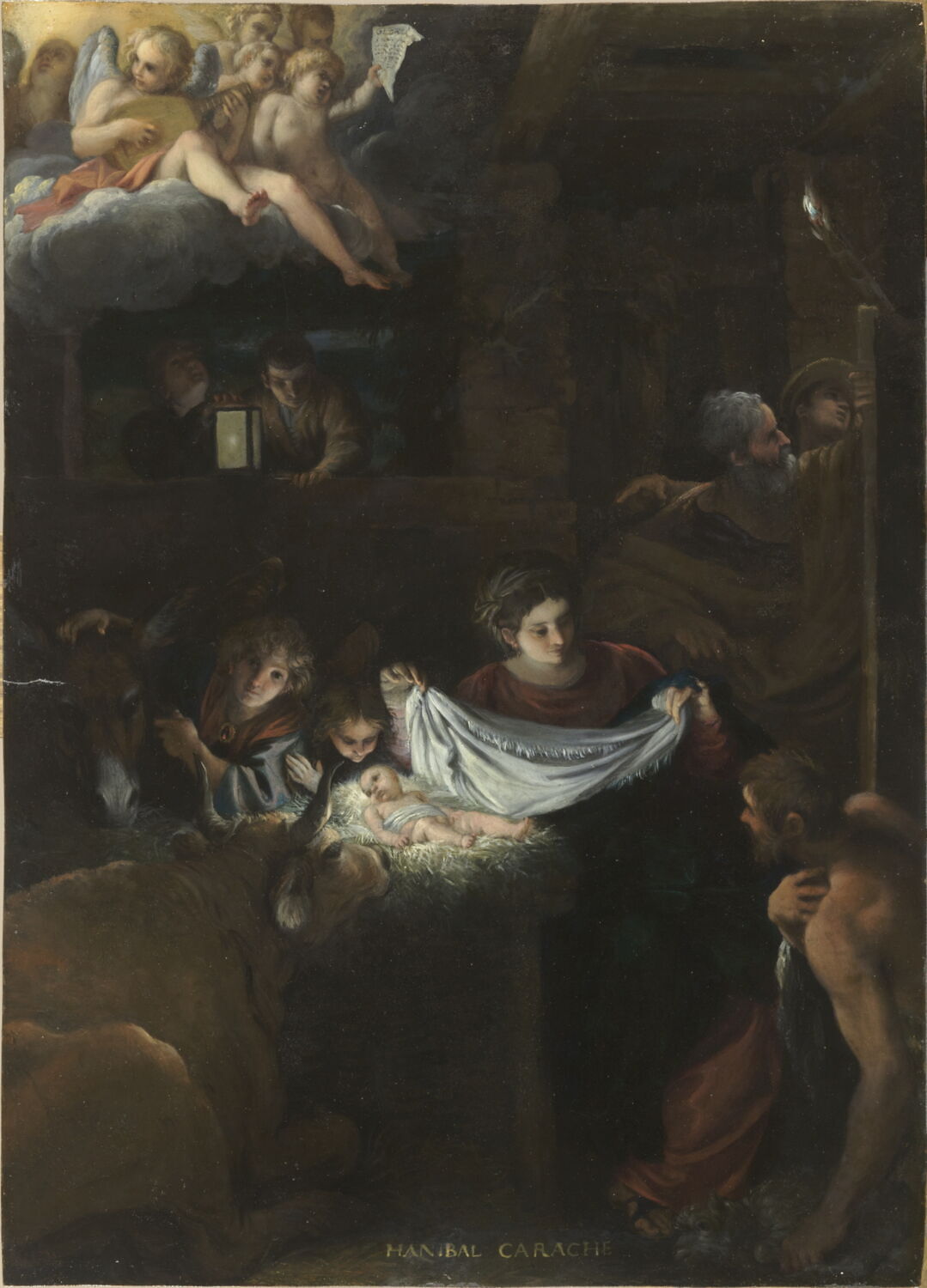
Following Reni, Albani soon moves to the so-called “Academy” run by Annibale, Agostino and Ludovico Carracci — a studio that fostered Domenichino, Lanfranco and many other painters of the Bolognese school. He studies for four years under Ludovico Carracci, through whom he secures his first public commissions.
1600
Moves to Rome: the gallery of the Palazzo Farnese
In 1600 Albani moves to Rome to work on the fresco decoration of the gallery of the Palazzo Farnese, which is being completed by Annibale Carracci's studio. Under Clement VIII Aldobrandini Rome enjoys administrative stability and renewed artistic patronage, and Cardinal Odoardo Farnese's support for the Bolognese Carracci establishes Bolognese dominance of Roman fresco painting for nearly two decades.
1609
Death of Annibale Carracci; the Aldobrandini lunettes
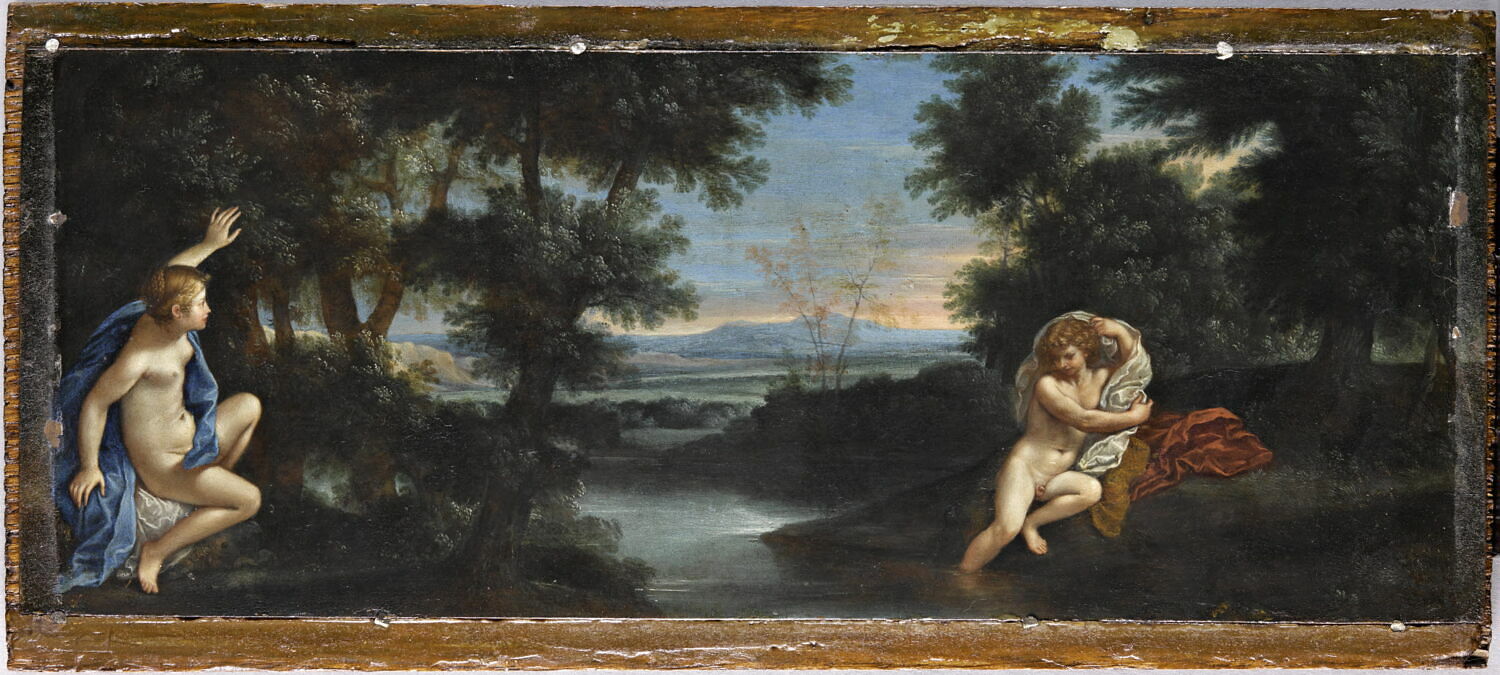
After Annibale Carracci's death in 1609 Albani supervises the completion of the Aldobrandini lunettes (Galleria Doria Pamphilj), left unfinished; work on them went on around 1604–5 and in 1610–13. In the “Landscape with the Assumption” he shows how fully he has absorbed his mentor's landscape style: small figures move against a grand landscape.
1618
Returns to Bologna after his wife's death; second marriage
After the death of his first wife, Anna Rusconi of Rome, Albani returns to Bologna, where he marries a second time, Doralice Fioravanti; Bologna remains his home for the rest of his life.
after 1625
Back in Bologna: a large studio
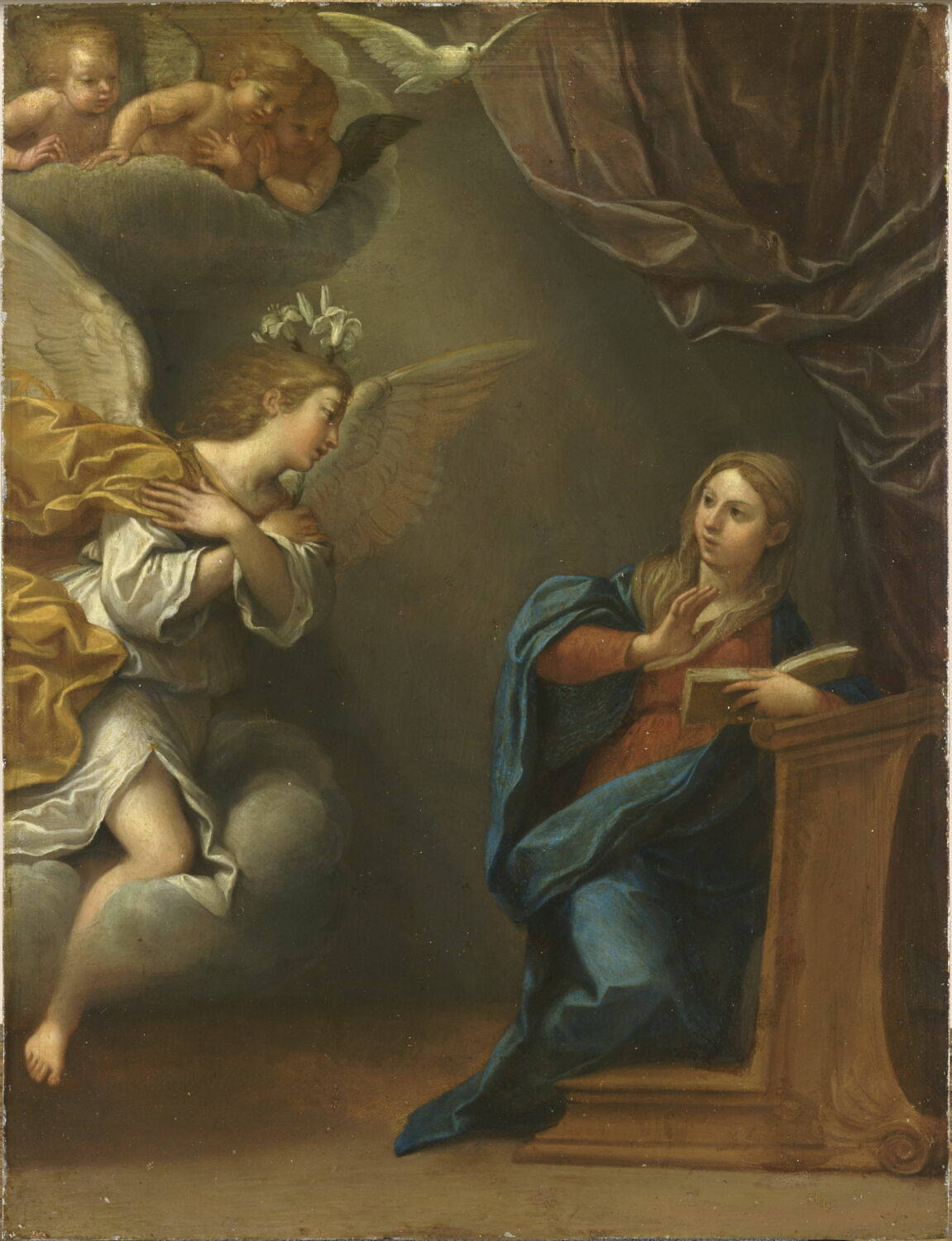
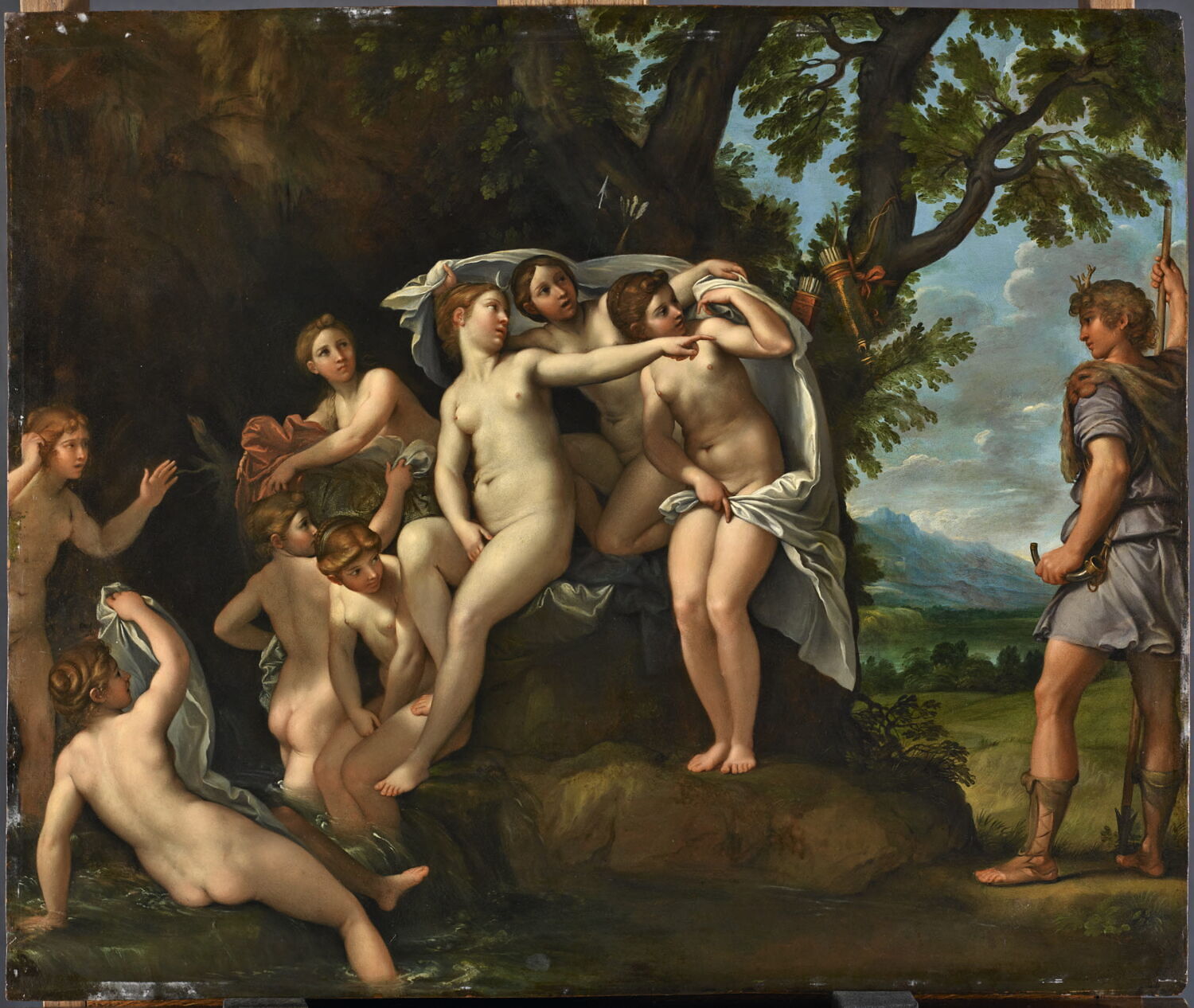
After working in Rome from 1623 to 1625, Albani returns to Bologna and runs a large studio that rivals Reni's for the most important public commissions. His main work becomes large-scale altarpieces for Bolognese and provincial churches and easel pictures for an international clientele.
1660年10月4日
Died