
 Jean-Honoré Fragonard法国, 1732–1806
Dans van saters
能看到吗?
不明
《Dans van saters》现在在哪里? 收藏方: 阿姆斯特丹国家博物馆, 阿姆斯特丹. 不明.

阿姆斯特丹, 荷蘭
所有者已知,目前是否展出尚不清楚。
- 出处
- 博物馆
关于作品
博物馆的介绍 — 荷兰语
Een bas-reliëf, staand op de grond tussen planten, met een afbeelding van een dansende saterfamilie. De sater met twee kinderen op de arm, de nimf met een schellenraam en een kleine dansende sater met de armen omhoog.
阿姆斯特丹国家博物馆
作品信息
- 馆藏编号
- RP-P-1969-233
画面内容
已收入目录
出处
- 阿姆斯特丹国家博物馆
- 图片: 阿姆斯特丹国家博物馆 — public domain
Jean-Honoré Fragonard当时的生活
完整生平c. 1761
Studio in the Louvre
On his return to Paris he received a studio in the Louvre palace, where he lived, and was put in charge of the decoration of the Galerie d'Apollon.
1761
Return to France via Venice and southern Italy
Having lived in Rome until April 1761, he left the Eternal City with his patron the Abbé de Saint-Non and Hubert Robert: he visited Florence, Bologna and Venice, where he studied Tiepolo, made a journey to southern Italy, and returned to France.
1765
"Coresus and Callirhoe" at the Salon: admission to the Academy
He exhibited at the Paris Salon the painting "Coresus and Callirhoe" (now in the Louvre), for which the Royal Academy of Painting and Sculpture admitted him as a member. Diderot devoted a lavish panegyric to it, and the king bought the painting and ordered it reproduced at the Gobelins manufactory.
second half of the 1760s
Abandoning history painting for "gallant scenes"
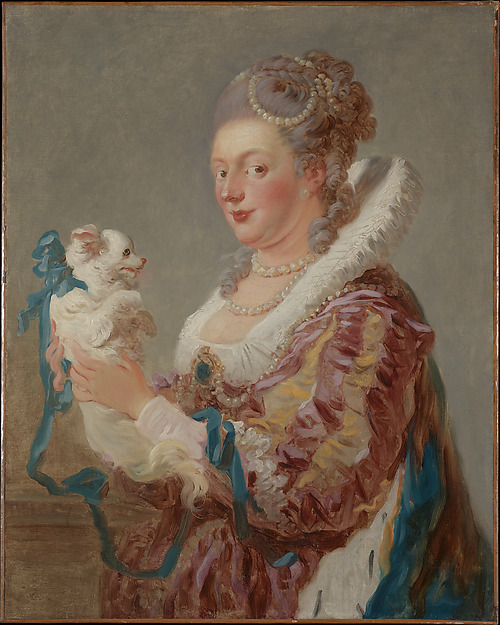
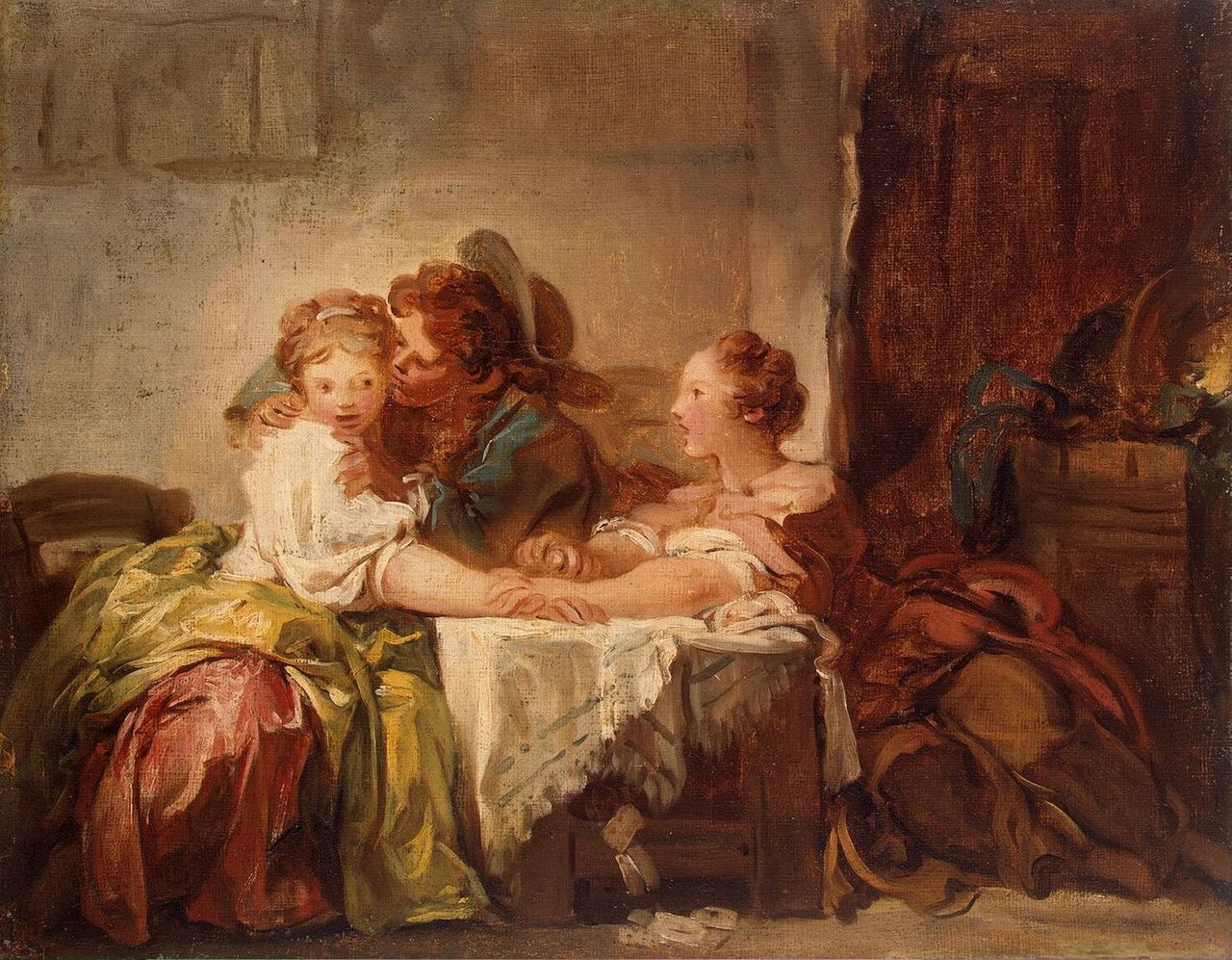
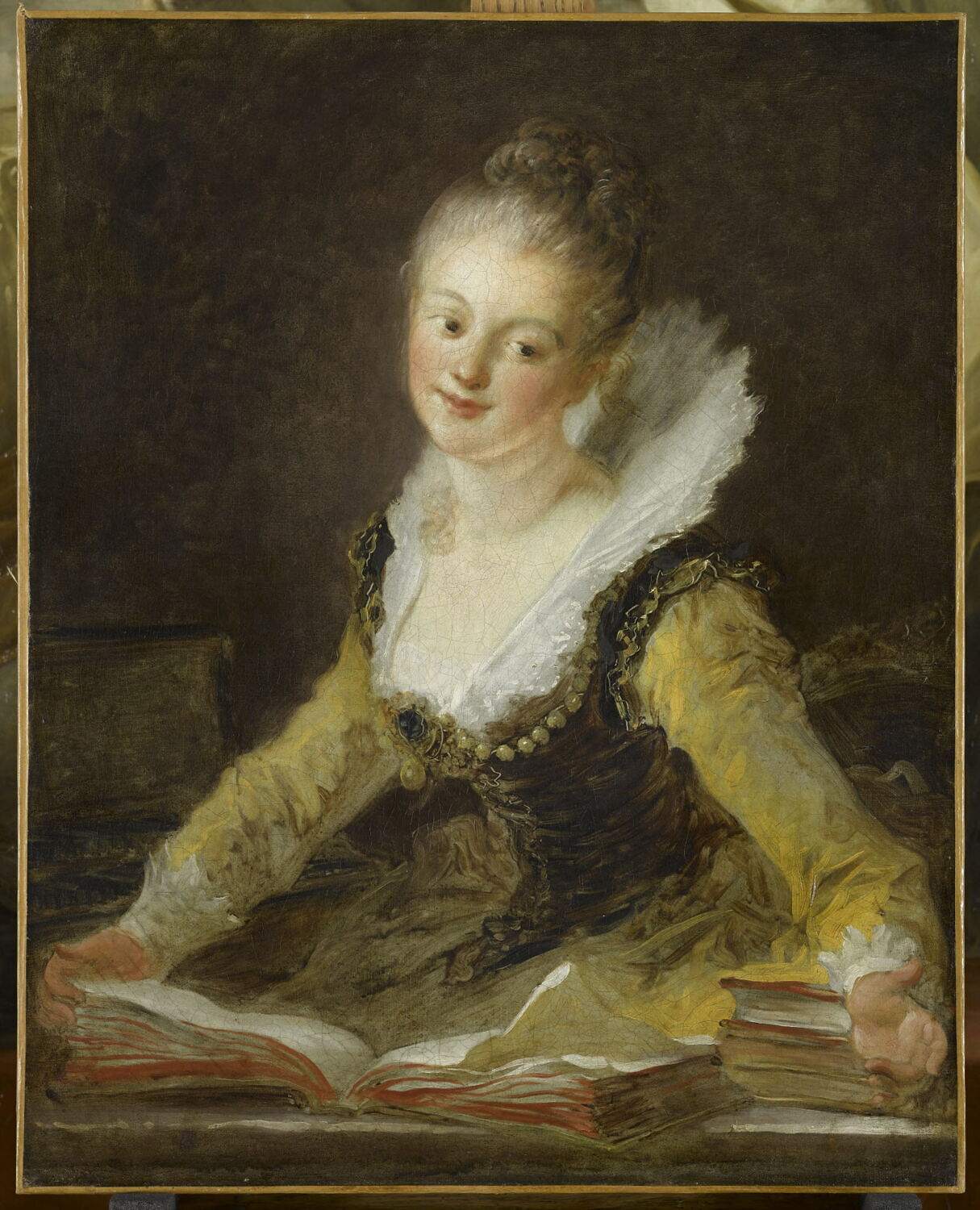
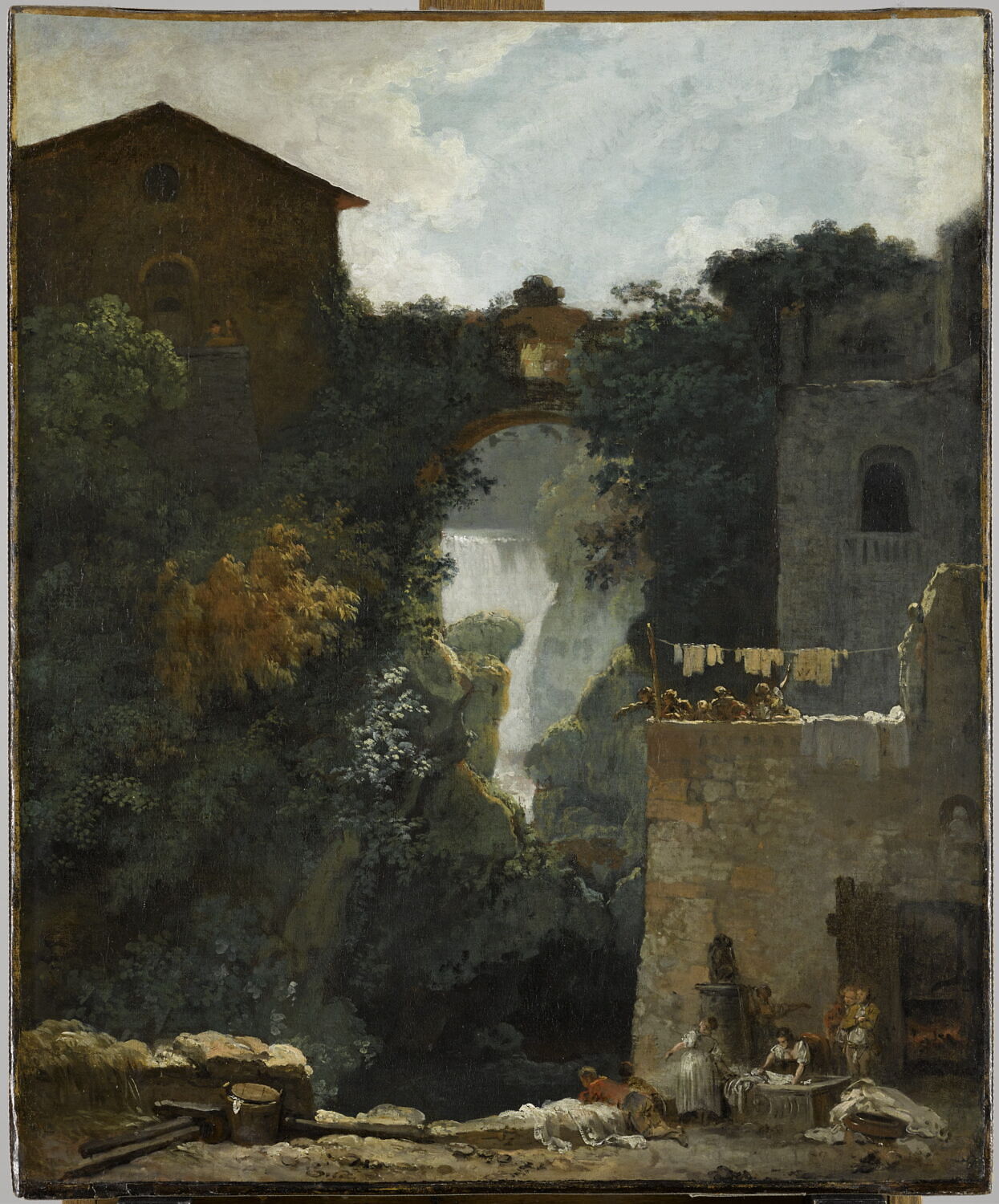
Despairing of attaining the position of first painter in the classical genre, he abandoned it for erotic genre scenes, which enjoyed the greatest success at the court of Louis XV. He soon became a fashionable artist — a master of pastoral landscapes, female portraits and small-format "cabinet pictures."




![[Une Bacchanale où l'on voit sur le devant une femme endormie; Bacchanal with Bacchus and a sleeping woman; Bacchanal mit Bacchus und einer Schlafenden], Titian, 1640](https://diglib.hab.de/varia/haum/podesta-g-a-ab3-0005/max/000001.jpg)


