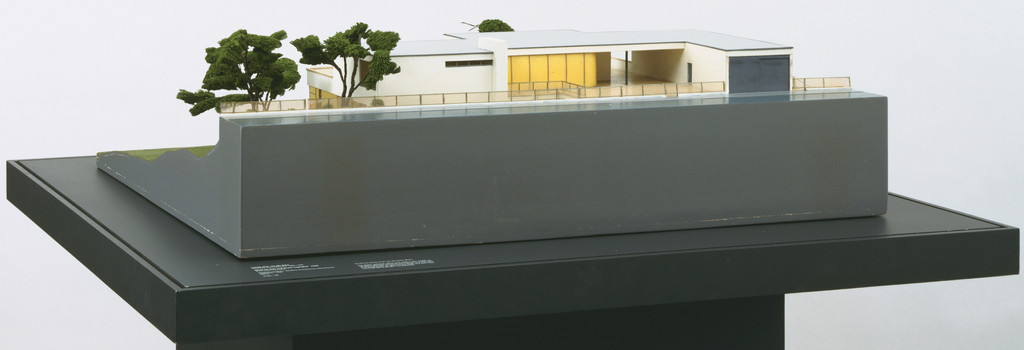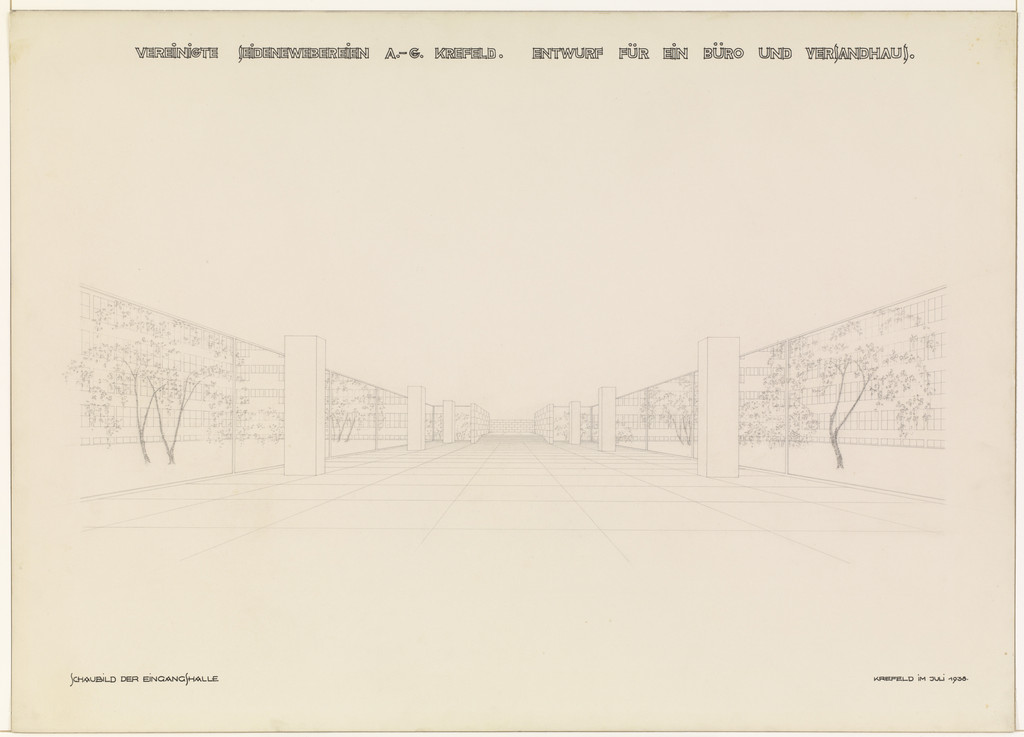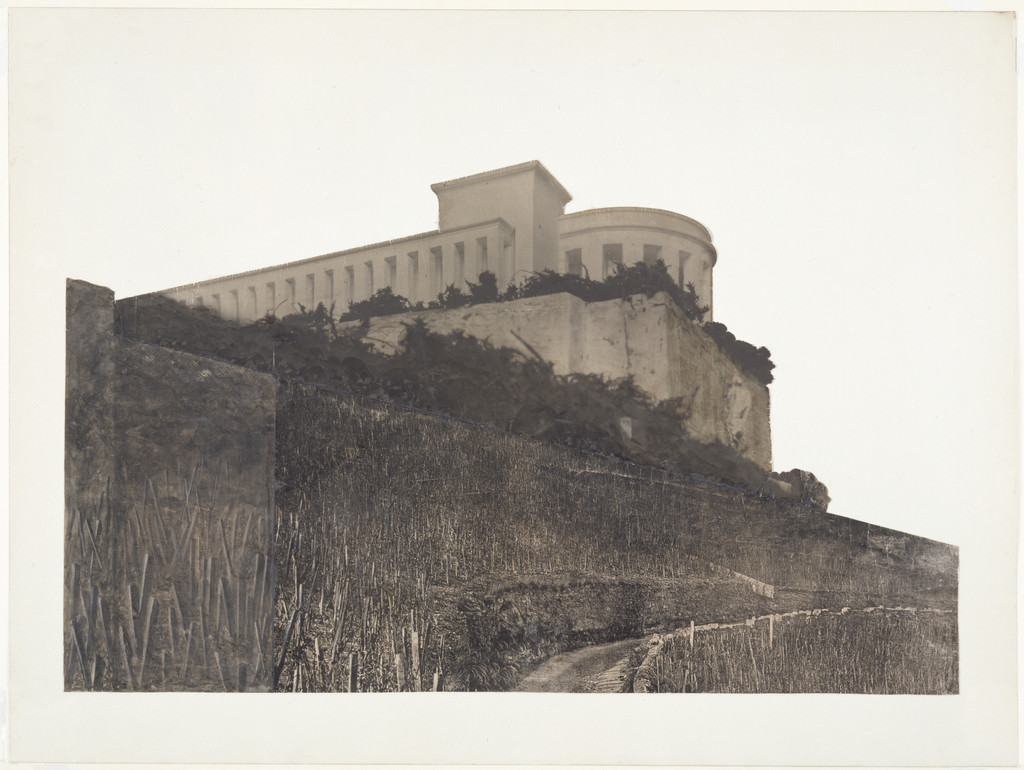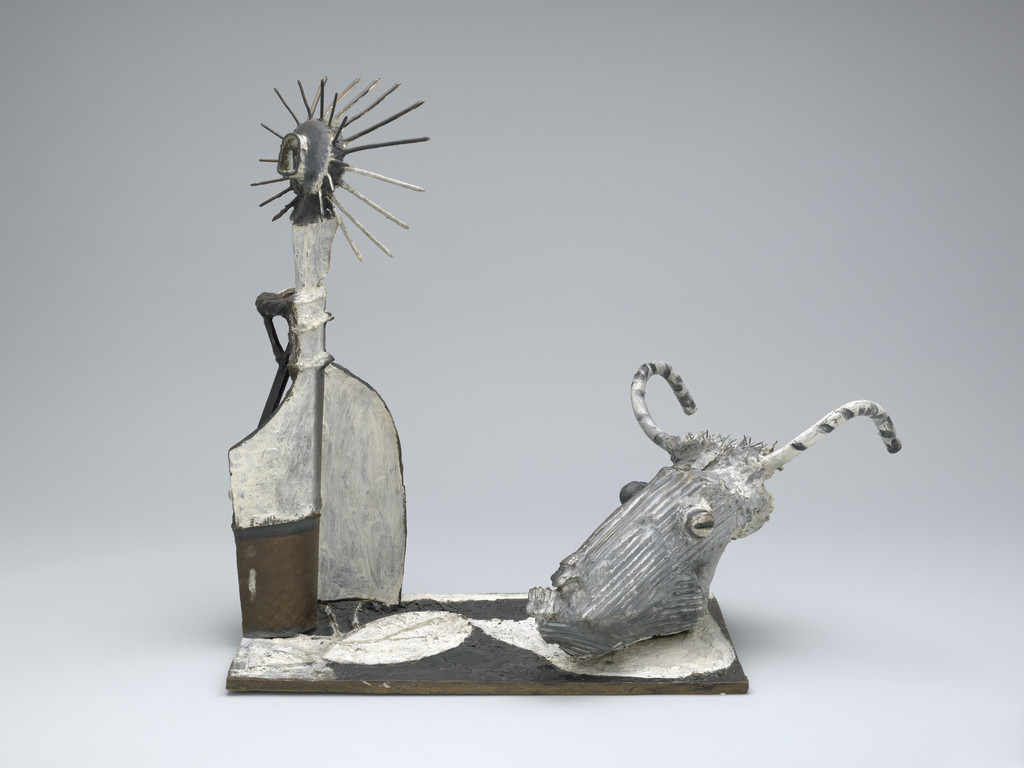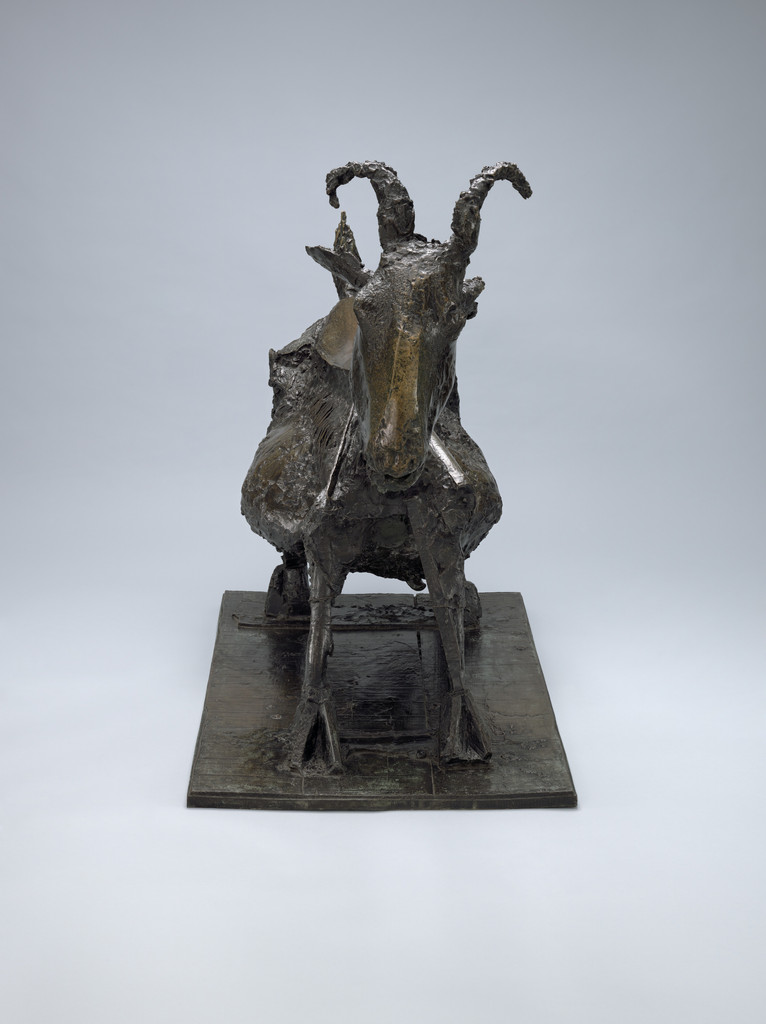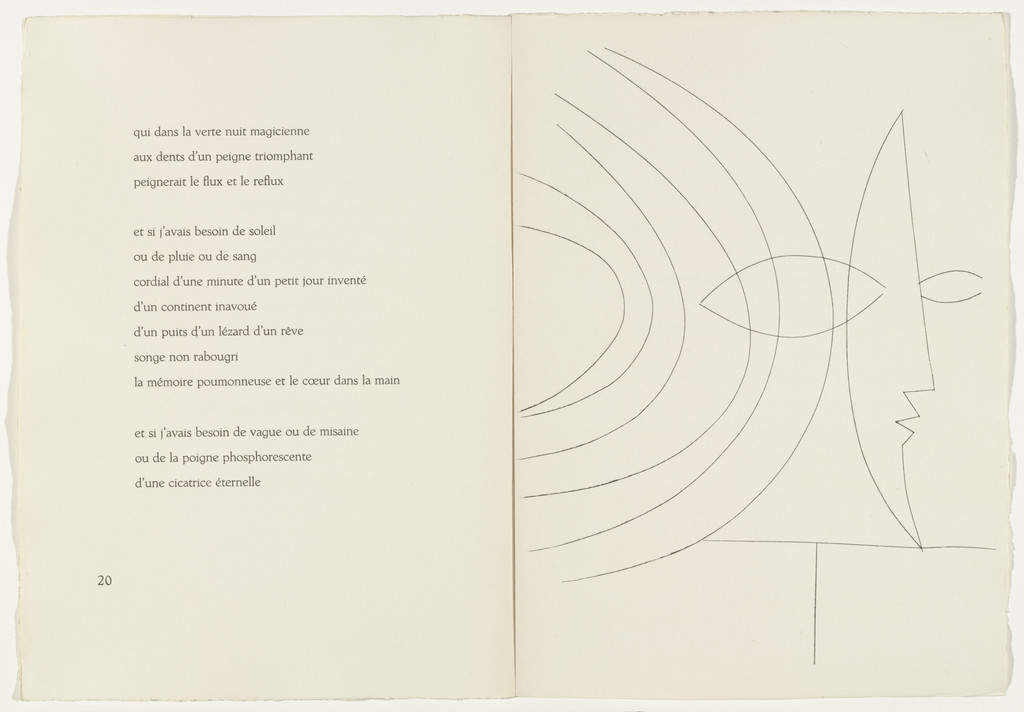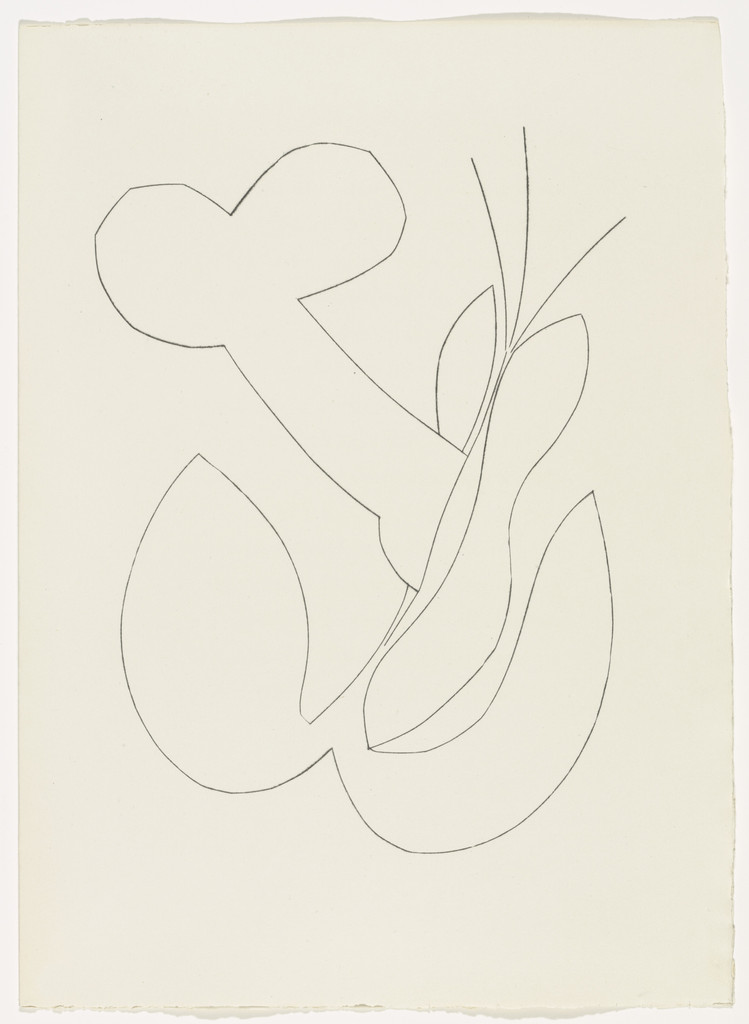
 Ludwig Mies van der Rohe美国, 1886–1969
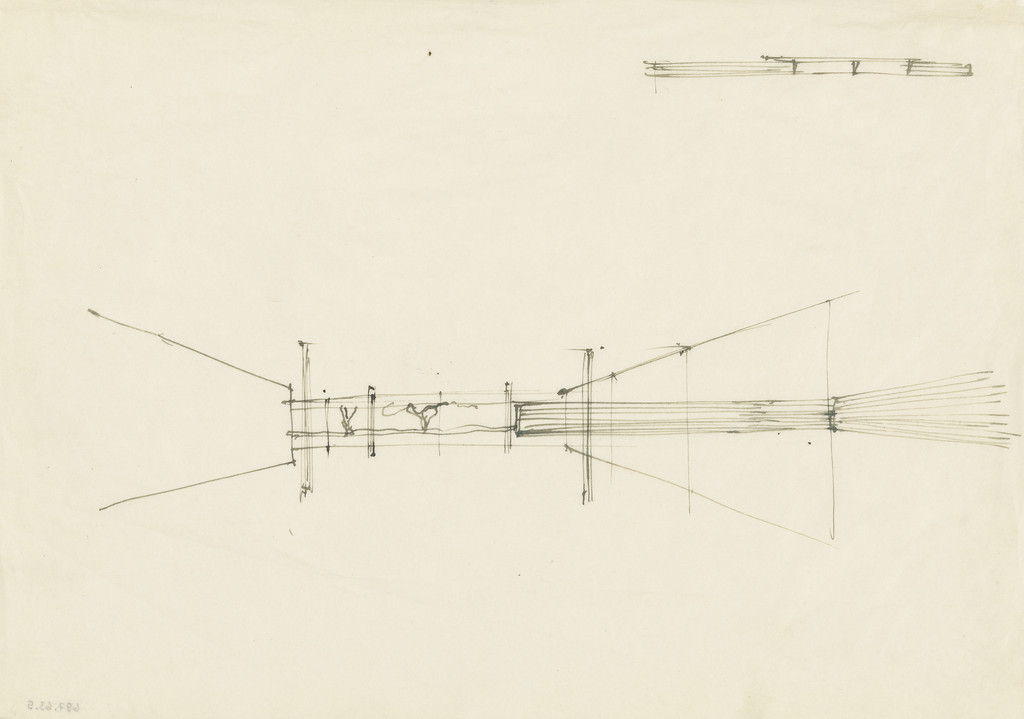
Courthouse Interior: Perspective Sketch
能看到吗?
目前未展出
《Courthouse Interior: Perspective Sketch》现在在哪里? 收藏方: 現代藝術博物館, 纽约. 目前未展出. 核实 2026年9月22日.

纽约, 美國
仍属馆藏,只是目前没有展出。
- 核实
- 出处
- 博物馆
作品信息
- 馆藏编号
- 687.1963.5
已收入目录
出处
- 現代藝術博物館
- 图片: 現代藝術博物館 — © the artist or rights holder
Ludwig Mies van der Rohe当时的生活
完整生平1924–1926
The driving force of the group Der Ring in Berlin
In 1924–1926 he was the “main driving force” of the Berlin architectural group Der Ring.
1927
Directs the housing exhibition in Stuttgart
He directed the International Housing Exhibition in Stuttgart and drew up the master plan of the model Weissenhof Estate; his own contribution was a three-storey apartment building with a “free plan”: kitchens and bathrooms in a fixed core, the rest of the space divided by movable partitions.
1929
The German Pavilion at the Barcelona exposition
He directed the construction of the German Pavilion at the international exposition — at once a pavilion and an exhibit in its own right: in place of ornament it relied on clear geometry and the reflective properties of polished travertine, onyx, glass and water, and the load was carried not by walls but by freestanding steel supports, so that the space flowed freely. He also created the “Barcelona” furniture collection for it; the project brought him worldwide fame.
1932
The Bauhaus driven out of Dessau; Mies moves it to Berlin
Since 1930, at the request of his colleague and competitor Gropius, he had directed the faltering Bauhaus; in 1932 the Nazis forced the school to leave its campus in Dessau and Mies moved it to an abandoned telephone factory in Berlin.
April – July 1933
The Gestapo raid and the closing of the Bauhaus
In April 1933 the Gestapo raided the school, and in July, because the Nazis had made its continued operation untenable, Mies and the faculty “voted” to close the Bauhaus.
1937–1938
Emigration to the United States
His modernist designs of glass and steel were not considered suitable for state buildings by the Nazis, and in 1937 or 1938 Mies reluctantly followed Gropius to the United States, where he accepted a residential commission in Wyoming and then an offer to head the department of architecture of the Armour Institute of Technology in Chicago.