Lyonel Feininger德国, 1871–1956
Carnival in Arcueil

关于这幅画
This is one of a group of recently rediscovered early masterpieces by Lyonel Feininger that had been left behind when the artist and his family were forced to leave Nazi Germany in 1937 for the United States. For over forty years, this group of roughly fifty pictures remained unknown and inaccessible in the East German home of the friend in whose custody Feininger had left them. Only after a prolonged legal battle were all but three of the pictures finally returned to the artist's heirs in 1984 and exhibited as a group in 1985.
继续阅读
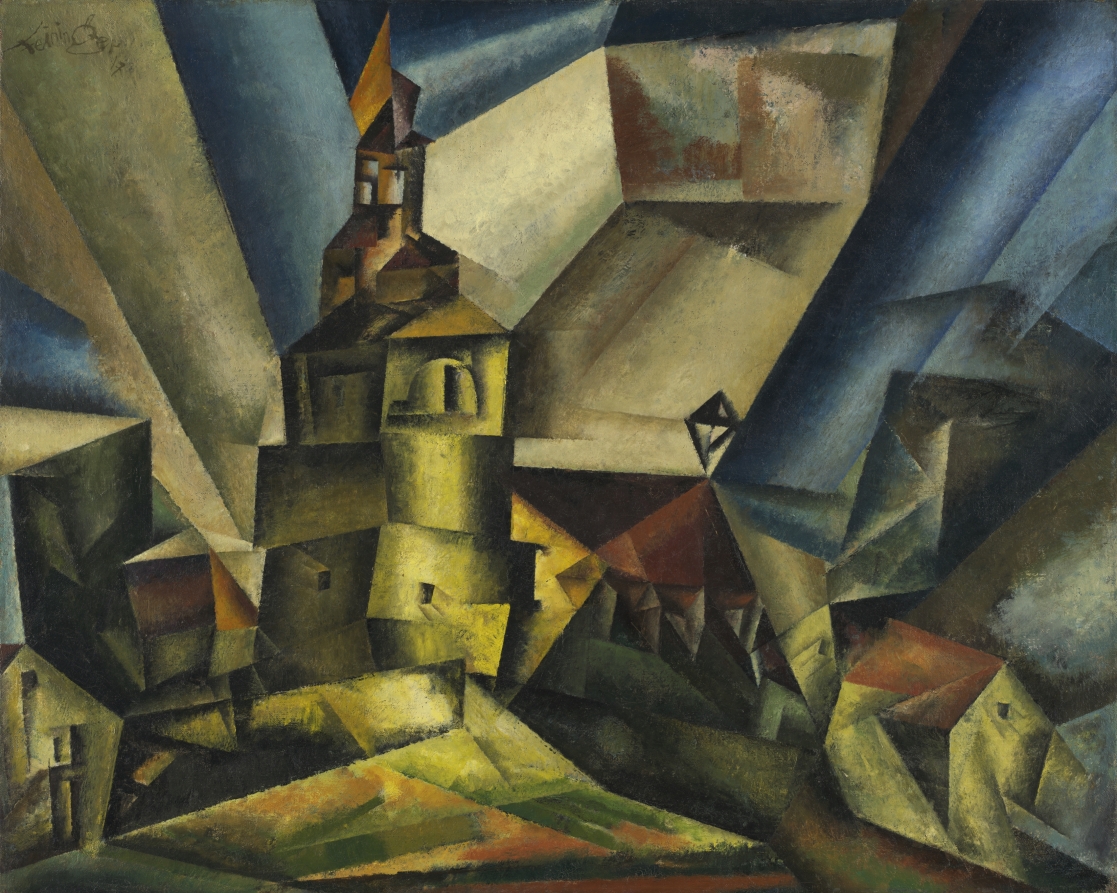
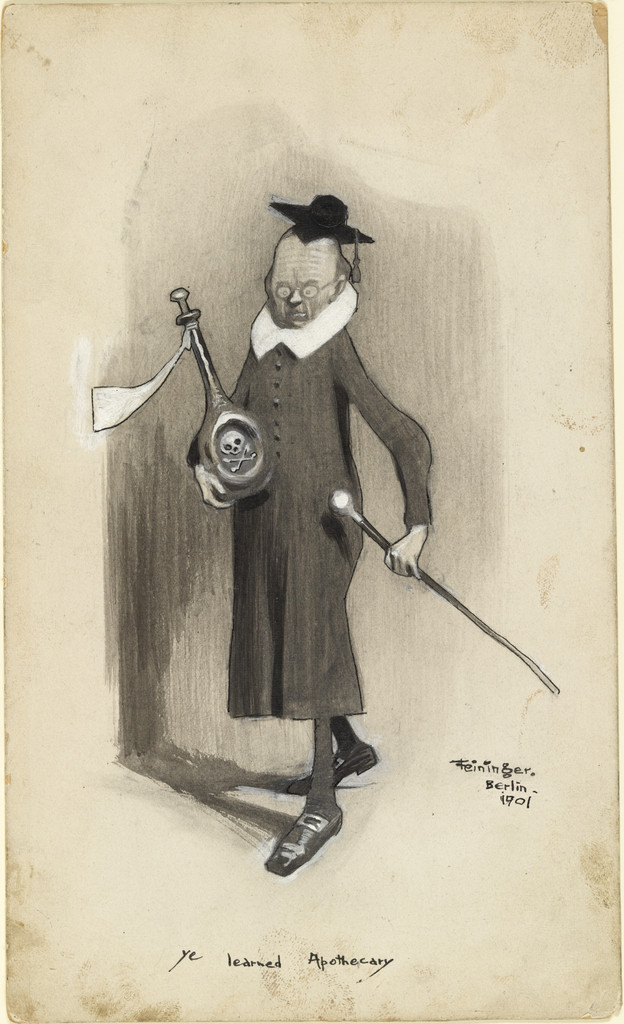
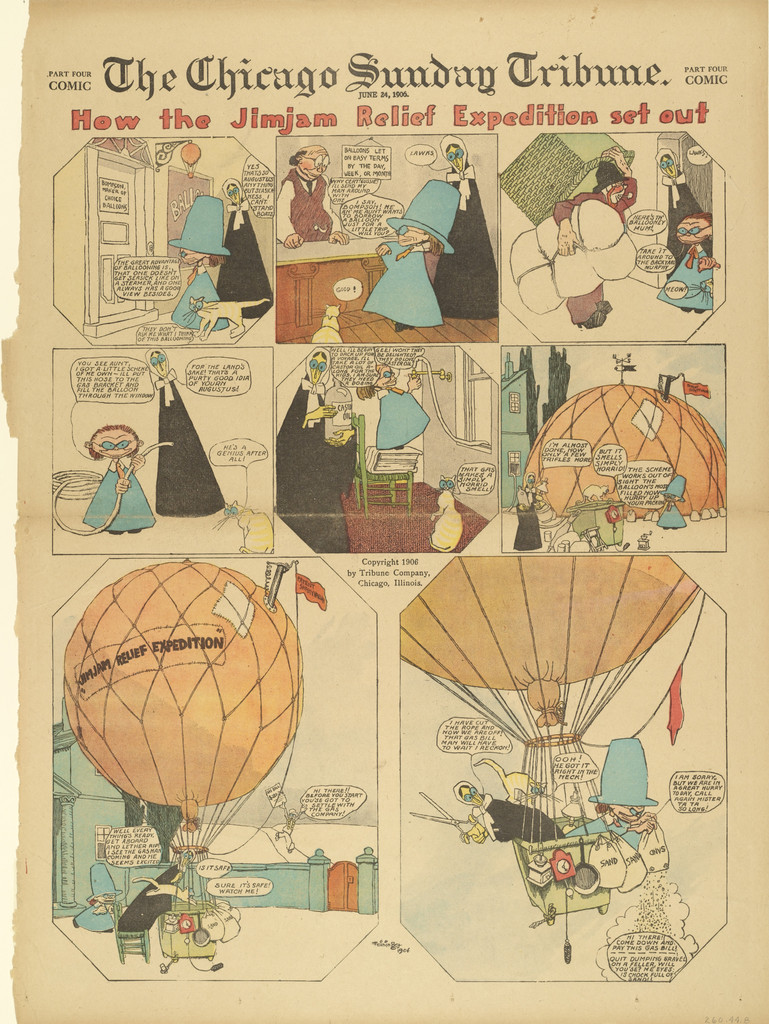
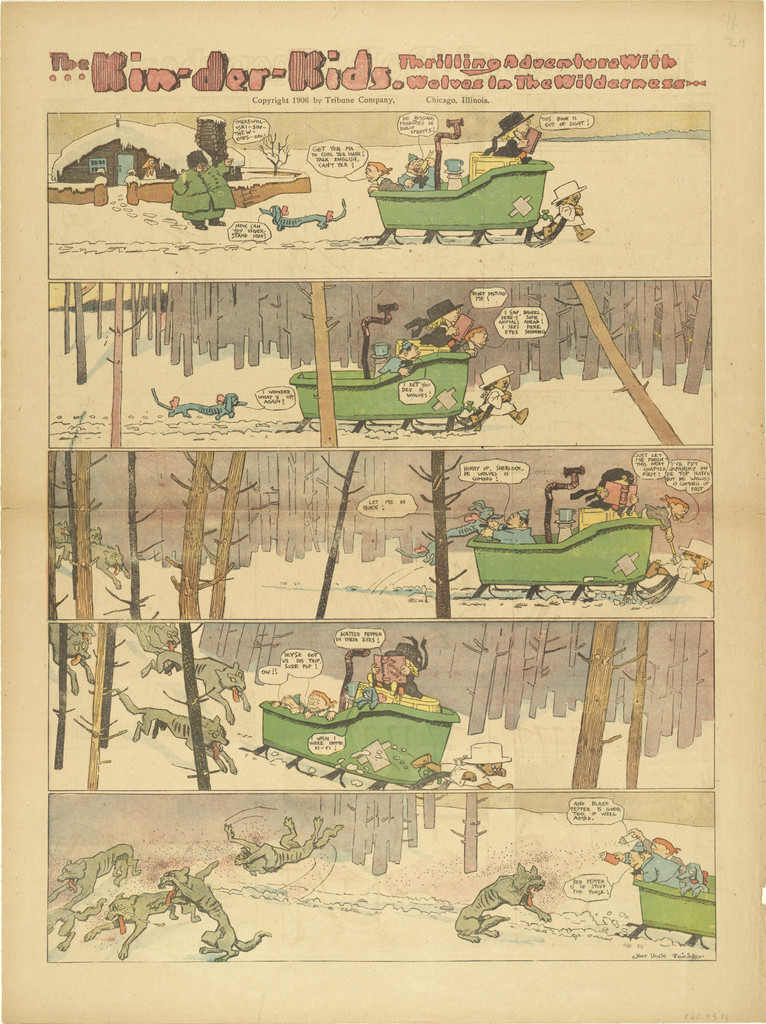
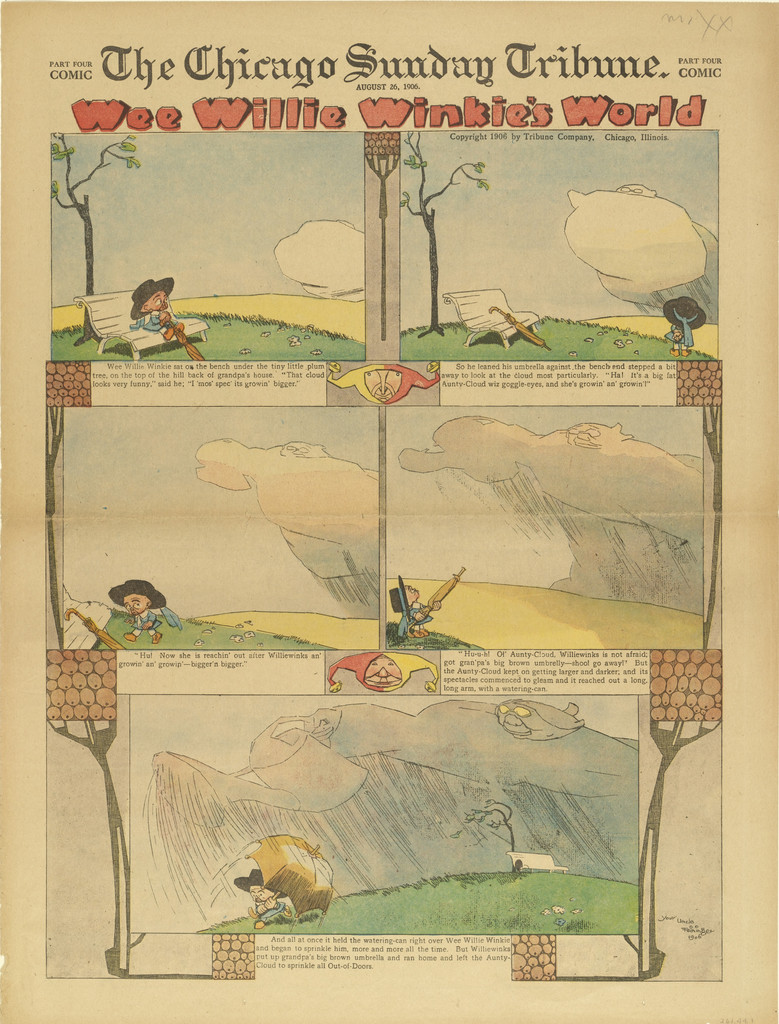
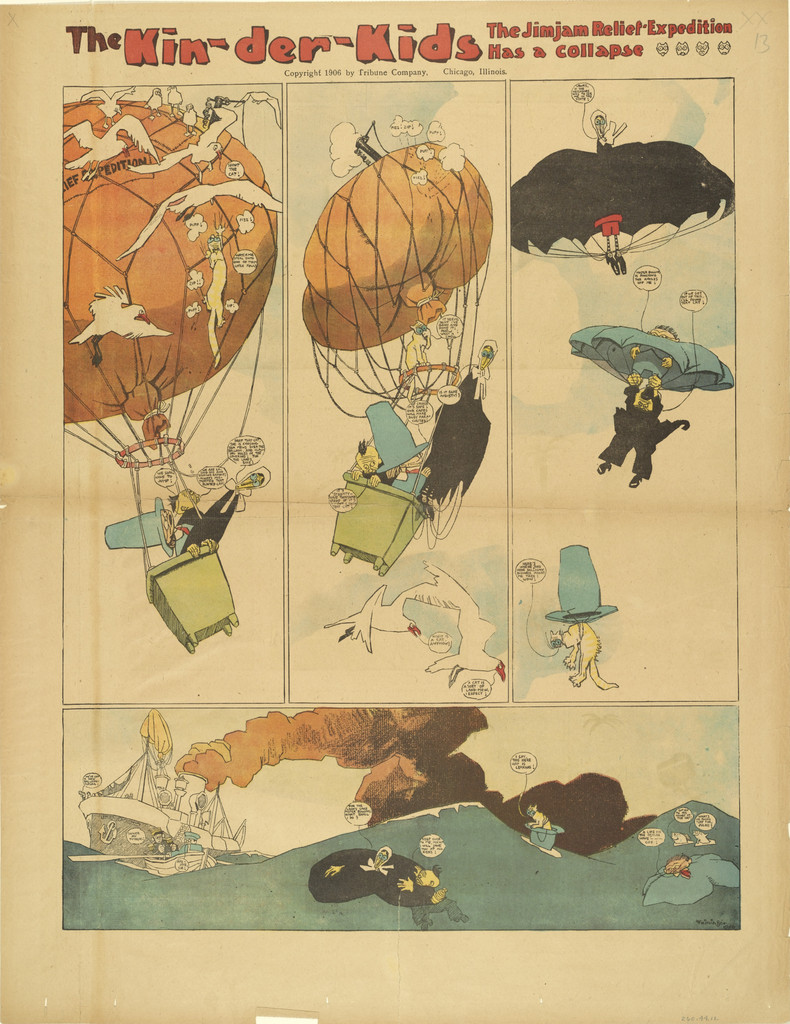
This picture reveals an artist of remarkable maturity and vision, despite the fact that Feininger had not turned seriously to painting until 1907. It was only then that improved financial circumstances allowed him to give up his successful career as a cartoonist. The setting for this painting is the town of Arcueil, south of Paris, where Feininger spent several months a year from 1906 to 1912. Its majestic viaduct became a frequent subject in the artist's drawings starting as early as 1908. His intense interest in architecture, which was to remain constant in Feininger's work, is apparent here not only in the use of the viaduct but also in the brilliantly colored block of houses in the middle ground. It may have been reinforced at this time by his interest in Robert Delaunay's work, in which architectural subjects likewise plays a primary role.
Feininger's early admiration for Vincent van Gogh seems evident in the heavily impastoed surface and in the use of highly saturated colors, especially yellow, which in the row of houses is beautifully modulated by touches of pink, green, and orange. Also reminiscent of van Gogh are the animated, billowing contours of the houses' rooftops, which in turn echo the sweeping movement of the clouds. Against this dramatic backdrop, Feininger deployed a motley crew of grotesque and vaguely sinister characters, some of whom recall Feininger's earlier cartoons. With their vividly colored costumes, these figures create a striking counterpoint to the dominant yellow of the background. But the ultimate impression is one of dissonance between the grandeur and beauty of the town's architecture and the bombastic artificiality of its inhabitants.
—Entry, Margherita Andreotti, Art Institute of Chicago Museum Studies, Vol. 20, No. 2, The Joseph Winterbotham Collection at The Art Institute of Chicago (1994), p. 144-145.
This is one of thirty-five works that comprise the Winterbotham Collection. Click here to learn more about the collection.
芝加哥藝術博物館CC BY 4.0
作品信息
- 馆藏编号
- 1990.119
画面内容
已收入目录
出处
- 芝加哥藝術博物館
- 图片: 芝加哥藝術博物館 — © the artist or rights holder
与此同时,在Lyonel Feininger的生活中
完整生平1908–1919
Years in Berlin, the “marine” pictures
From 1908 to 1919 he lives in Berlin and paints a series of “marine” pictures in the spirit of Caspar David Friedrich.
1909年4月5日
Son born: Laurence Feininger
1909–1918
Summers on the island of Usedom
From 1909 to 1918 he spends his summer vacations on the island of Usedom to recover and find new inspiration; typical works of these years are marine scenes from the Baltic shore. He keeps painting and drawing Benz for the rest of his life, even after returning to live in the United States.
1910年6月11日
Son born: T. Lux Feininger
1913
The First German Autumn Salon
In 1913 he takes part in the exhibition of the First German Autumn Salon in Berlin.