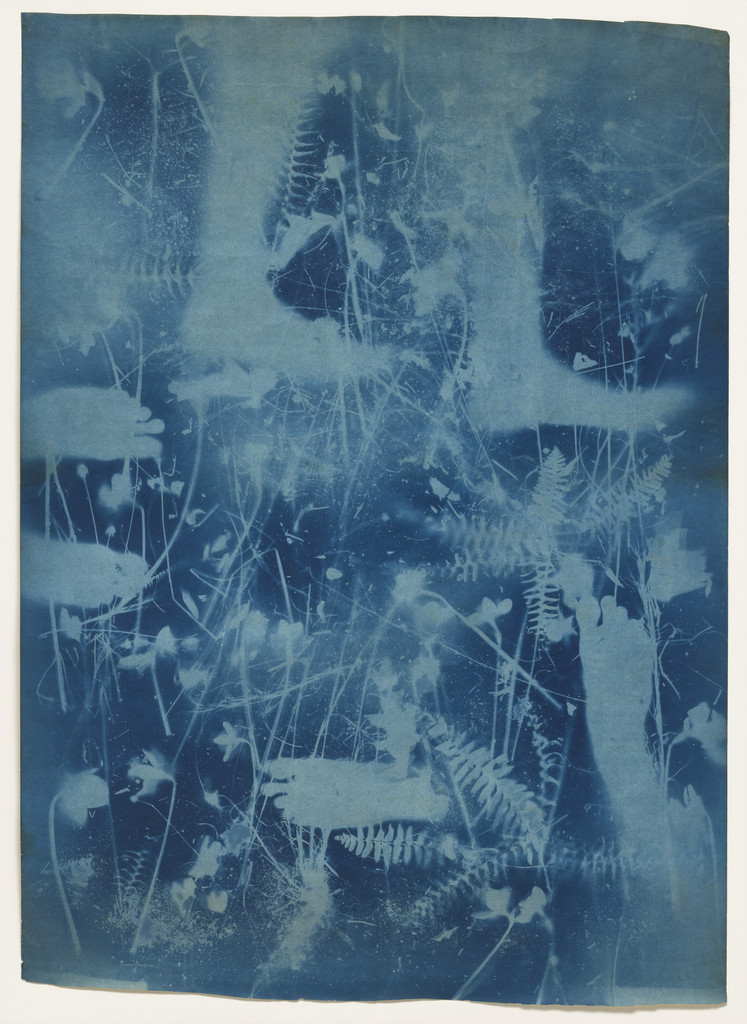
Robert RauschenbergAmerika Birleşik Devletleri, 1925–2008
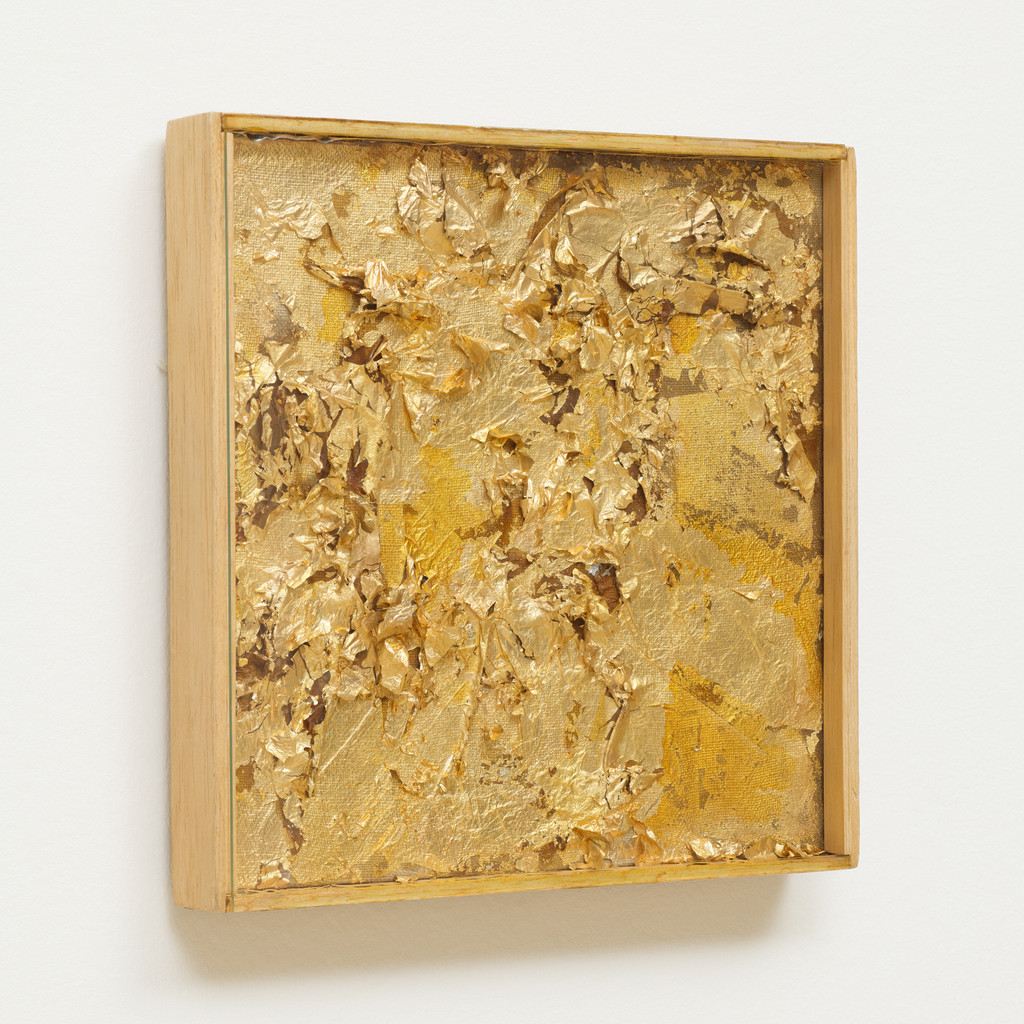
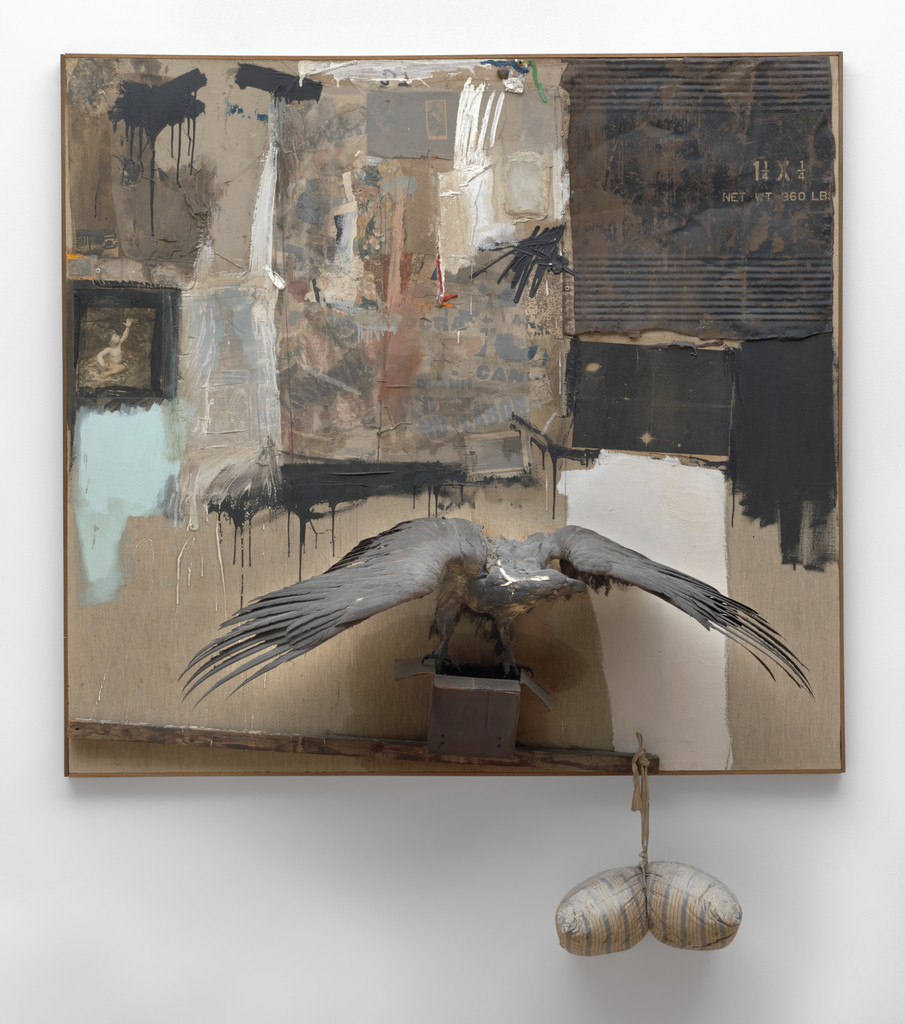
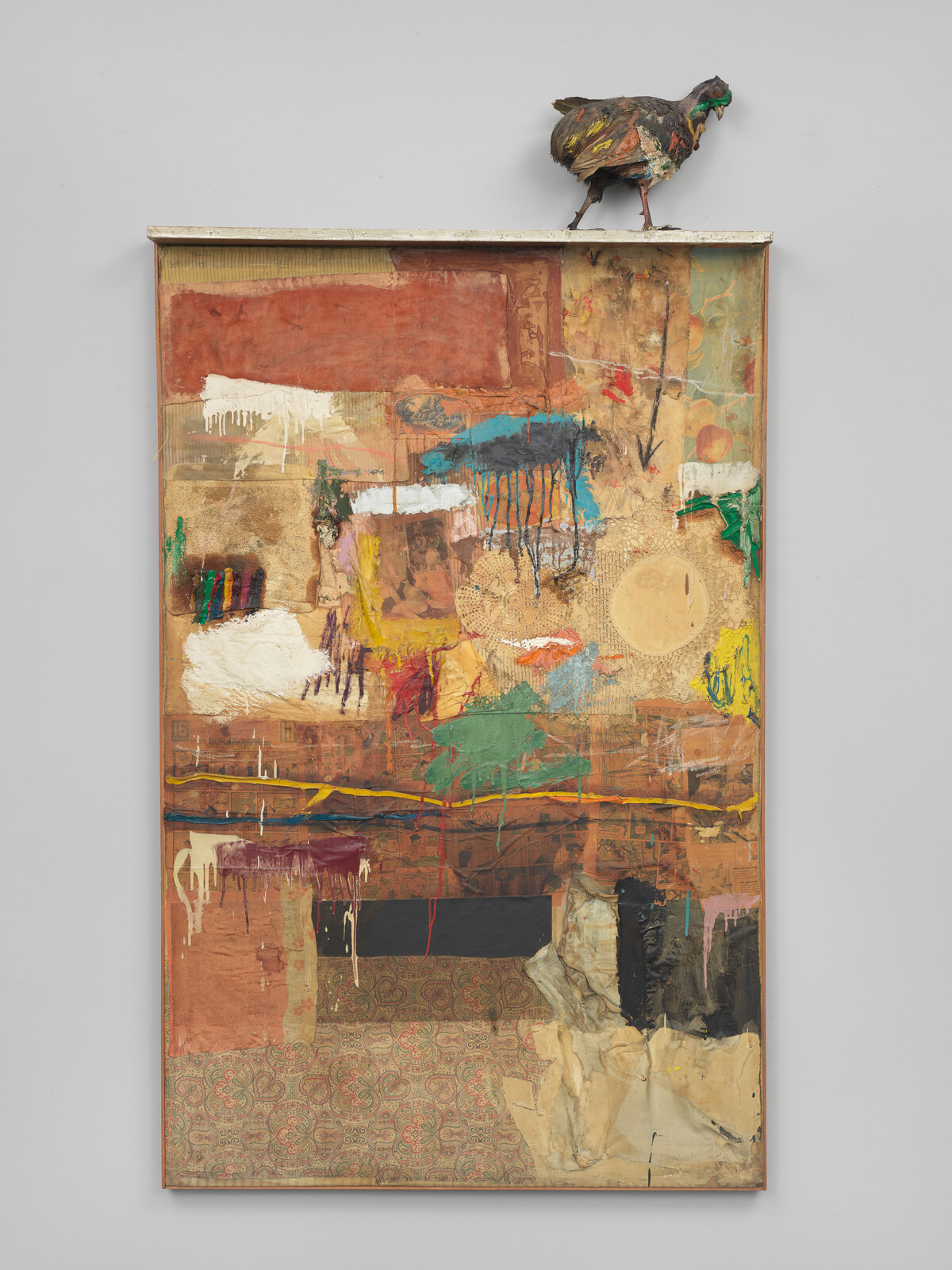
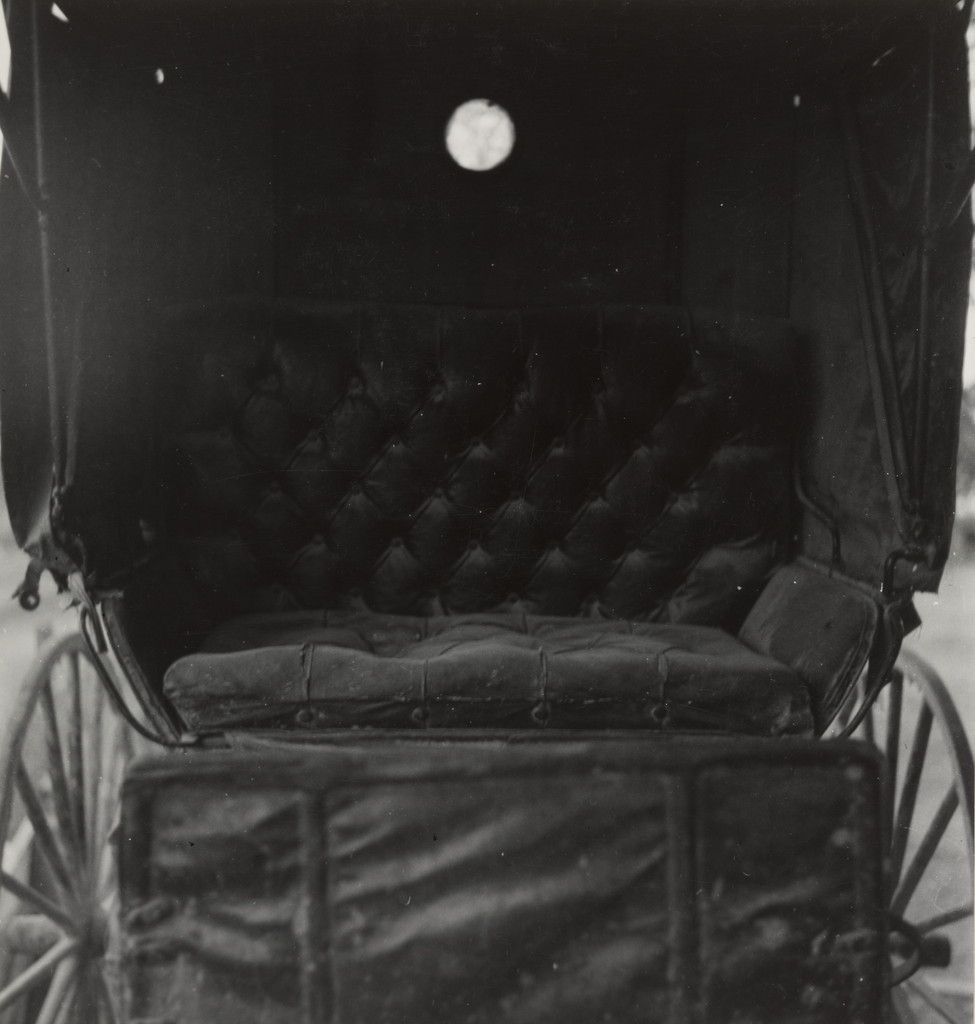
Untitled
Görebilir miyim?
Şu anda sergilenmiyor
“Untitled” şu anda nerede? Koleksiyon: Ulusal Sanat Galerisi, Washington. Şu anda sergilenmiyor. Kontrol edildi 9 Kasım 2026.

Washington, Amerika Birleşik Devletleri
Koleksiyona ait, ancak şu anda sergilenmiyor.
- Kontrol edildi
- Bu durumun başlangıcı
- Kaynak
- Müze
Ayrıntılar
- Envanter numarası
- 1985.48.36
Neyi konu alıyor
Katalogda
Kaynaklar
- Ulusal Sanat Galerisi
- Görsel: Ulusal Sanat Galerisi — © the artist or rights holder
Robert Rauschenberg: hayatındaki yeri
Tüm yaşam öyküsüautumn 1970
Moves to Captiva for good
From the autumn of 1970 the Captiva house became Rauschenberg's permanent home and studio. The first works made there were the “Cardboards” (1971–72) and “Early Egyptians” (1973–74) series, from locally sourced cardboard and sand: instead of urban imagery he now favoured the natural fibres of fabric and paper.
1970
Sets up Change, Inc. to help artists
Rauschenberg created Change, Inc., a programme awarding one-time emergency grants of up to $1,000 to visual artists in financial need.
1970
Helps create the Pepsi Pavilion at Expo '70 in Osaka
Rauschenberg took part in creating the Pepsi Pavilion for the 1970 World Exposition in Osaka; the opening was directed by the choreographer and artist Remy Charlip.
1973
The Scull auction and the fight for artists' royalties
In 1973 the taxi baron Robert Scull sold Rauschenberg's paintings “Thaw” and “Double Feature”, bought for $900 and $2,500, for $85,000 and $90,000 at Sotheby Parke Bernet. The artist took up the fight for resale royalties for artists (droit de suite), lobbying the US Congress for a law.