 Philippe de ChampaigneFransa, 1602–1674
Trois Apôtres
Görebilir miyim?
Bilinmiyor
“Trois Apôtres” şu anda nerede? Koleksiyon: Bibliothèque-musée Inguimbertine, Carpentras. Bilinmiyor.
Carpentras, Fransa
Sahibi biliniyor; bugün sergilenip sergilenmediği bilinmiyor.
- Bu durumun başlangıcı
- Kaynak
- Müze
Tablo hakkında
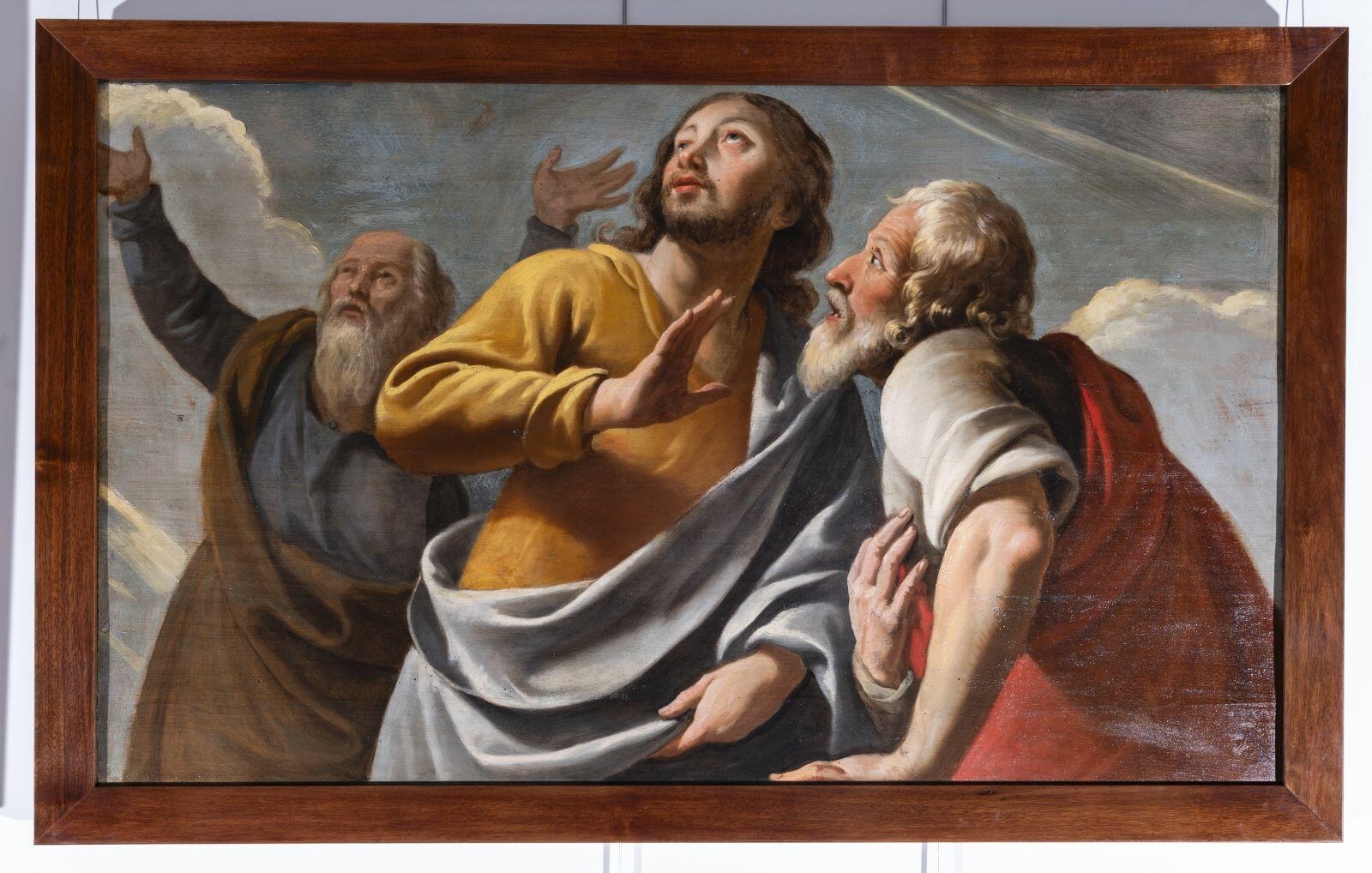
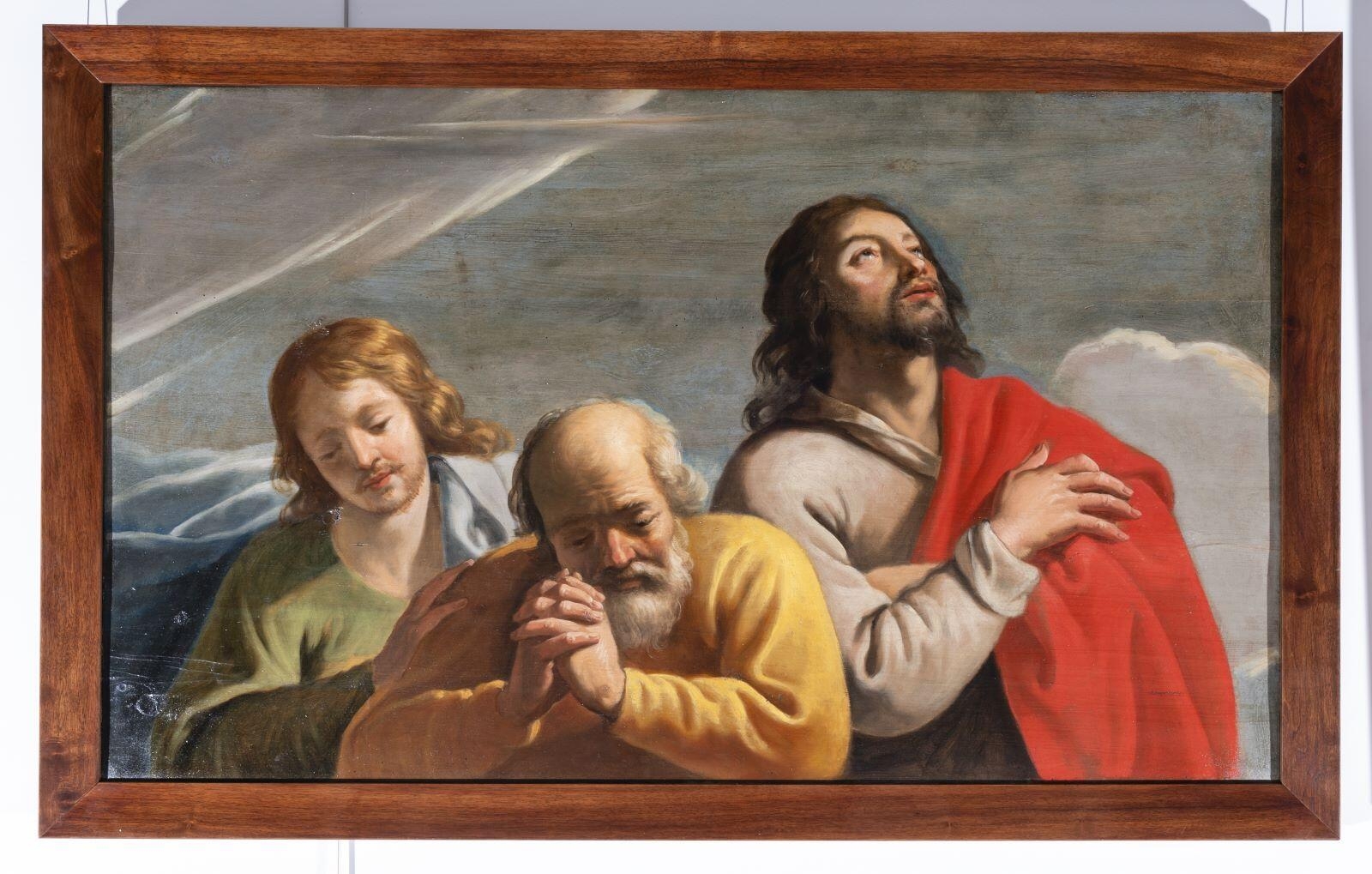
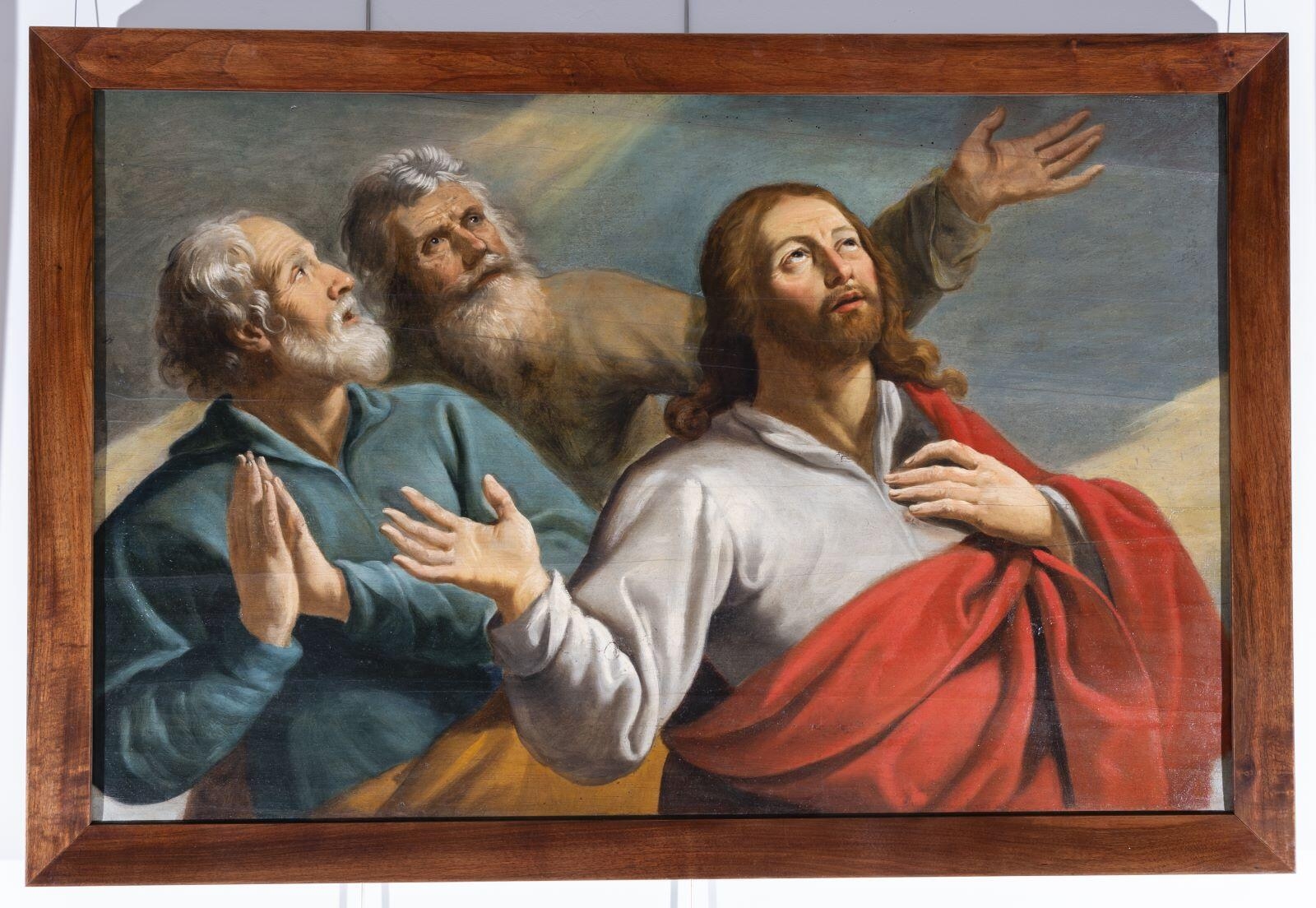
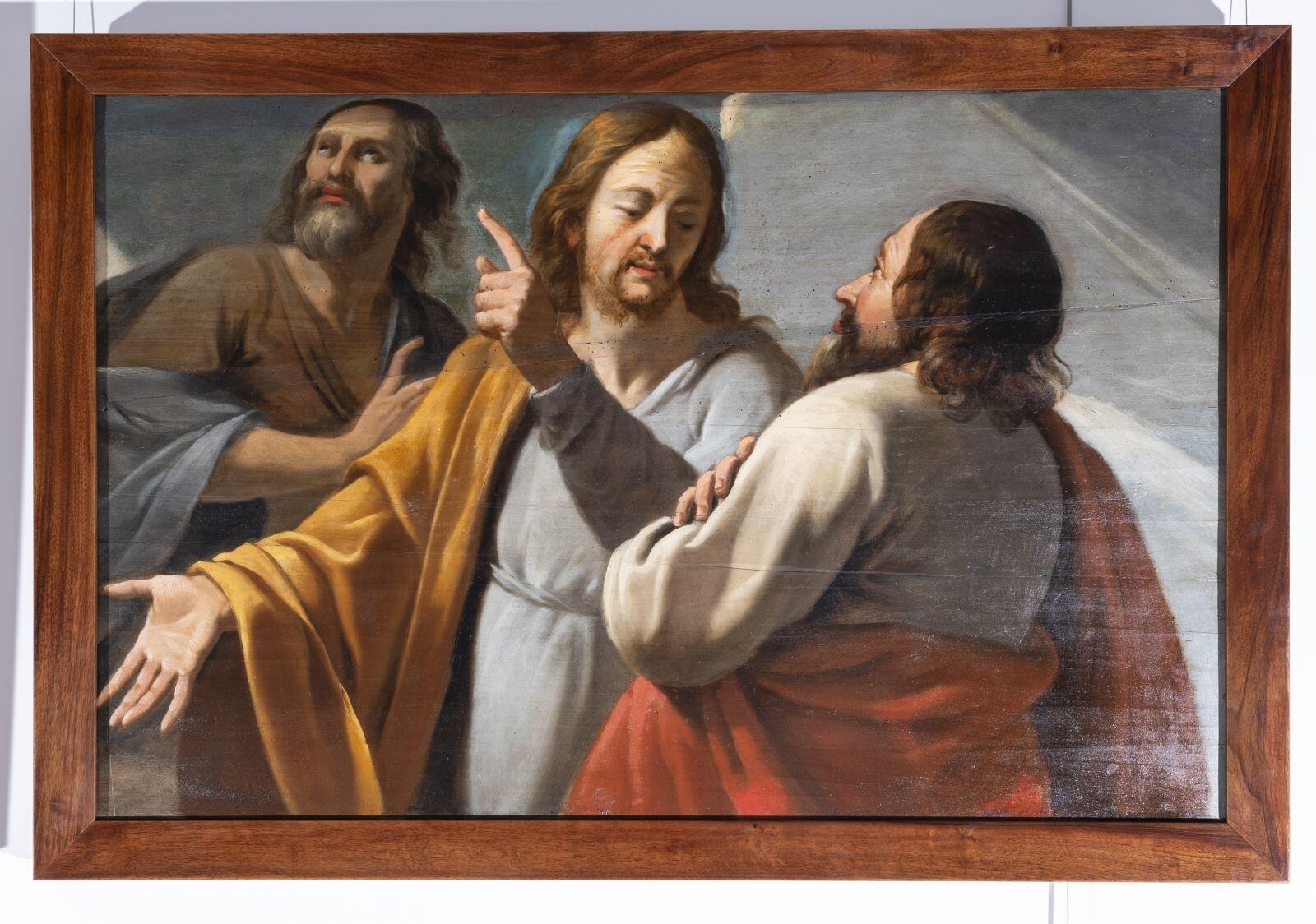
Philippe de Champaigne’s Three Apostles dates to the second half of the seventeenth century. The painting is in the Bibliothèque-musée Inguimbertine in Carpentras. Three half-length figures appear from a low viewpoint against the sky, wearing antique tunics and cloaks. At left, a man in brown and grey looks upwards. The central apostle, in grey with a blue cloak, speaks to his companion while pointing skyward with his left index finger. The right-hand figure wears beige and red, crosses his arms over his chest and watches the speaker.
Müze metninin dili: Fransızca
Scène figurant un groupe de trois personnages, vus à mi-corps en contre-plongée, sur un fond représentant le ciel. Ils sont vêtus à l'antique. Le personnage de gauche porte une tunique brune et un manteau gris. Il lève les yeux vers le ciel. Le personnage central est vêtu d'une tunique grise et d'un manteau bleu. Il s'adresse au personnage de droite tout en désignant le ciel de l'index gauche. Le troisième personnage, vêtu d'une tunique beige et d'un manteau rouge, est représenté de trois-quarts, les bras croisés sur la poitrine. Il regarde le personnage central.
Bibliothèque-musée Inguimbertine
Ayrıntılar
- Envanter numarası
- 1285
Neyi konu alıyor
Katalogda
Kaynaklar
- Bibliothèque-musée Inguimbertine
- Görsel: Bibliothèque-musée Inguimbertine — © Bruno Preschesmisky; Ministère de la Culture (France), base Joconde
Philippe de Champaigne: hayatındaki yeri
Tüm yaşam öyküsü1648
A founder of the Royal Academy
Champaigne was one of the founding members of the Académie royale de peinture et de sculpture, the premier art institution of Ancien Régime France.
1654
Rivalry with Charles Le Brun
From 1654 Champaigne competed with the king's First Painter, Charles Le Brun, and took part in decorating the Tuileries Palace under his direction.
1660s
Academy lectures recorded by Félibien
Champaigne left no printed writings, but his lectures and commentaries were recorded in the 1660s by André Félibien. In his last years he taught a great deal at the Academy; after his only son died young, his nephew Jean-Baptiste de Champaigne was brought from Brussels to become his main pupil.
c. 1662
His daughter's miraculous cure at Port-Royal
The artist's paralyzed daughter, who lived at the convent of Port-Royal, was reportedly cured by a miracle. Champaigne then painted the atypical votive picture “Ex-Voto de 1662” (Louvre), showing his daughter with Mother Superior Agnès Arnauld.
1673
Exhibits “The Supper at Emmaus”
Champaigne worked almost until his death: in 1673, a year before he died, he exhibited a “Supper at Emmaus”. In his last period he painted mainly religious subjects and members of his family.
12 Ağustos 1674
Died