Oskar SchlemmerAlmanya, 1888–1943
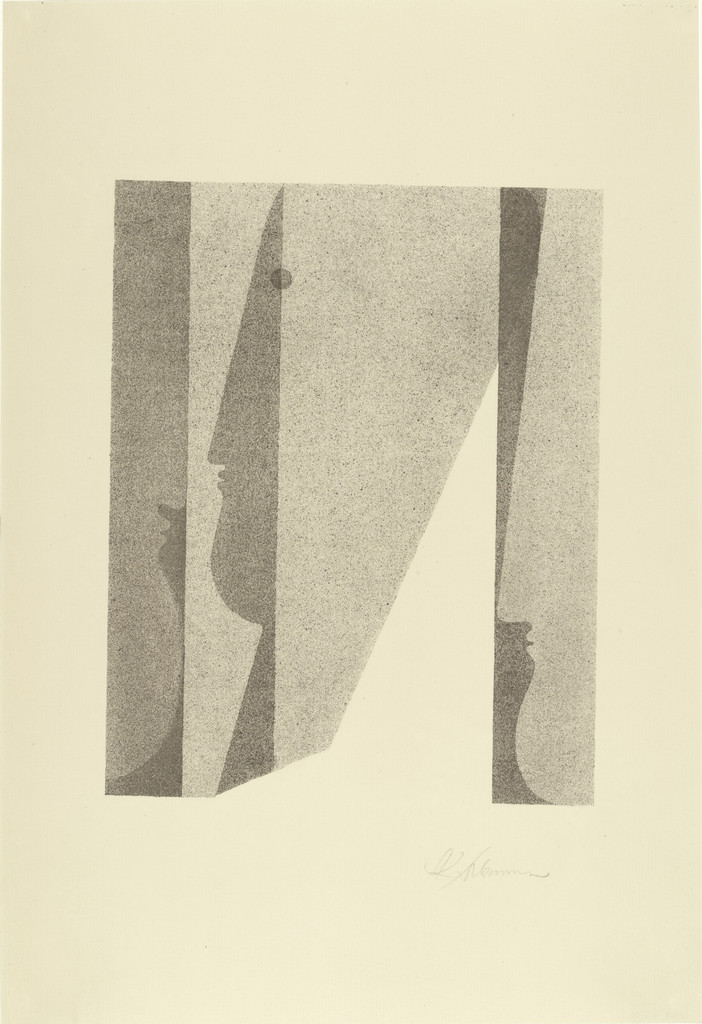
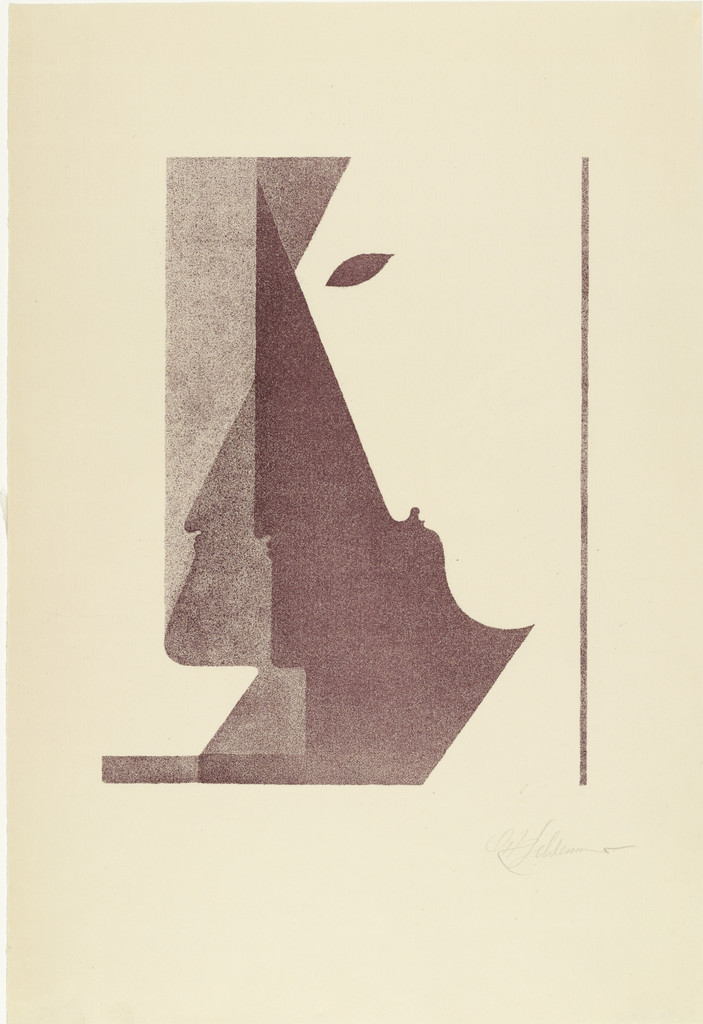
Testa di profilo
Görebilir miyim?
Bilinmiyor
“Testa di profilo” şu anda nerede? Koleksiyon: Pinacoteca Nazionale di Bologna, Bologna. Bugün sergilenip sergilenmediği bilinmiyor.
Bologna, İtalya
Sahibi biliniyor; bugün sergilenip sergilenmediği bilinmiyor.
- Bu durumun başlangıcı
- Kaynak
- Müze
Ayrıntılar
- Envanter numarası
- RCGE 30019
Neyi konu alıyor
Katalogda
Kaynaklar
- Pinacoteca Nazionale di Bologna
- Görsel: Pinacoteca Nazionale di Bologna — e Palazzo Pepoli Campogrande · Beni Culturali Standard (BCS) · Catalogo generale dei Beni Culturali (ICCD – MiC)
Oskar Schlemmer: hayatındaki yeri
Tüm yaşam öyküsü1914
Called up for the Western Front
In 1914 Schlemmer is enlisted to fight on the Western Front in the First World War; after he is wounded he is moved to a position with the military cartography unit in Colmar, where he lives until 1918.
1919
Turns to sculpture; exhibition at the Der Sturm gallery
In 1919 Schlemmer turns to sculpture and holds an exhibition of his work at the gallery Der Sturm in Berlin.
1920
Gropius invites Schlemmer to the Weimar Bauhaus
Walter Gropius invites Schlemmer to the Bauhaus in Weimar: by one account he runs the mural-painting and sculpture departments, by another he first heads the metal workshop and from 1922 the sculpture workshop.
1929
Leaves the Bauhaus and moves to Breslau
Because of the heightened political atmosphere in Germany at the end of the 1920s, and in particular the appointment of the Marxist architect Hannes Meyer as Gropius’s successor, Schlemmer resigns from the Bauhaus and takes a job at the Breslau Academy of Art and Applied Art.
1933
Forced to resign from the Berlin school under Nazi pressure
After the National Socialists come to power in 1933, Schlemmer’s contract with the Berlin United Schools of Art is terminated and he is forced to resign under pressure from the Nazis. His style changes too: the works become smaller, the figures move closer together, and the forms become softer and rounder, in warm, often dark colours.
13 Nisan 1943
Died