Salvator Rosaİtalya, 1615–1673
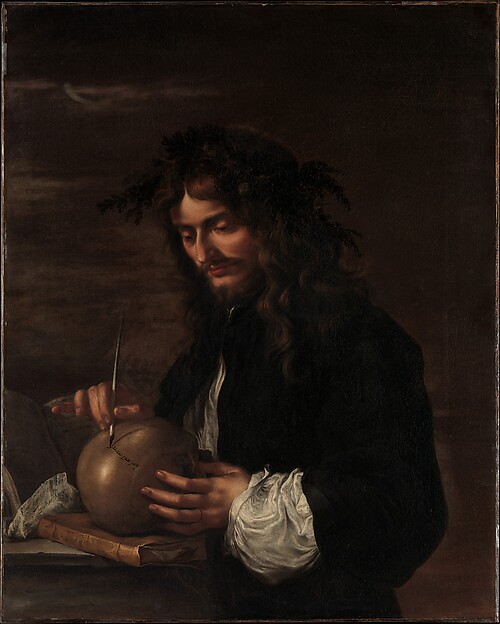
Self-Portrait
Görebilir miyim?
Evet, şu anda sergileniyor
“Self-Portrait” şu anda nerede? Detroit Institute of Arts, European: Grand Tour of Italy-Rome, Level 2, South Wing, Detroit. Evet, şu anda sergileniyor. Kontrol edildi 15 Kasım 2026.
Detroit, Amerika Birleşik Devletleri
SalonEuropean: Grand Tour of Italy-Rome, Level 2, South Wing
Kapalı· yarın 9:00 saatinde açılıyor
Ziyaretçilere açık olarak sergileniyor.
- Kontrol edildi
- · Bildirildi
- Bu durumun başlangıcı
- Kaynak
- Müzenin web sitesi
Ayrıntılar
- Envanter numarası
- 66.191
Katalogda
Sergilenme geçmişi
Sergileniyor · European: Grand Tour of Italy-Rome, Level 2, South Wing
Detroit Institute of Arts · 16 Kas 2026 — şimdi · Bildirildi
O tarihte sergilenip sergilenmediği bilinmiyor
Detroit Institute of Arts · 3 Kas 2026 — 16 Kas 2026 · Doğrulanmadı
Kaynaklar
- Wikidata
- Görsel: Detroit Institute of Arts — Salvator Rosa · Public domain · Wikimedia Commons
Salvator Rosa: hayatındaki yeri
Tüm yaşam öyküsü1640–1649
Florentine Period at the Medici Court
After scandalous quarrels with Bernini and his failure to gain admission to the Accademia di San Luca, he moved to Florence at the invitation of Giovanni Carlo de' Medici, where he remained until 1649.
1640s
Founding of the Accademia dei Percossi in Florence
In Florence he founded the Accademia dei Percossi — a combination of studio and salon of poets, playwrights, and painters, where satires and comedies were read at dinners.
1640s
The Satires "Music," "Poetry," "Painting," and "War"
While staying with the Maffei brothers in Volterra, he wrote four satires — Music, Poetry, Painting, and War; at the same time he painted the picture Philosophy (now in the National Gallery, London).
1650
Return to Rome, Seclusion
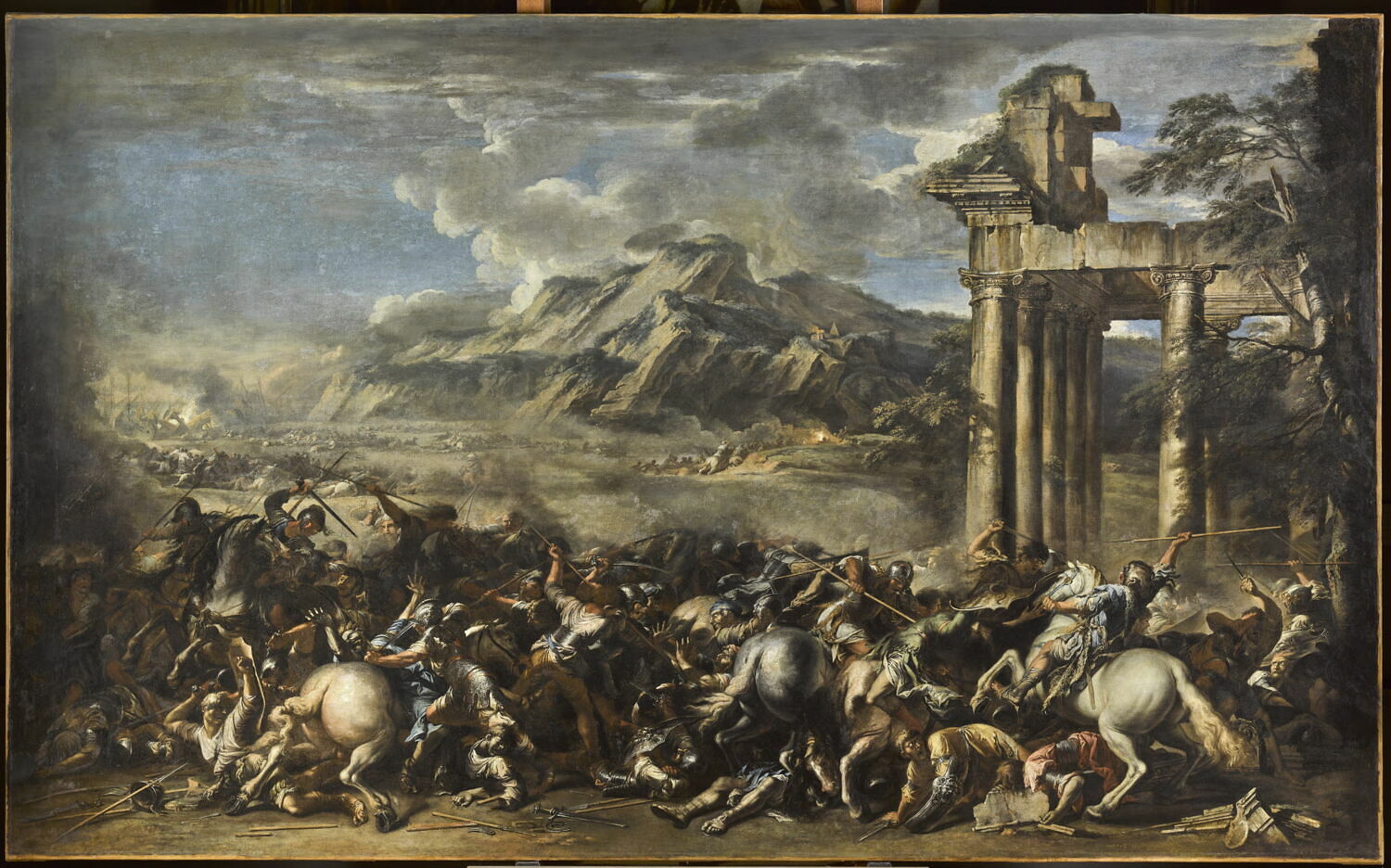
He returned to Rome, kept to himself, and accepted no commissions, devoting himself to battle scenes and enigmatic landscapes, which he sold through his friend, the banker Carlo de Rossi.
1650s
Scandal over the "Allegory of Fortune"
The painting Allegory of Fortune provoked a storm of indignation among the religious and secular authorities, who saw in it a satire on themselves; Rosa came close to arrest and published a text offering innocuous interpretations of its imagery.