Marcel DuchampFransa, 1887–1968
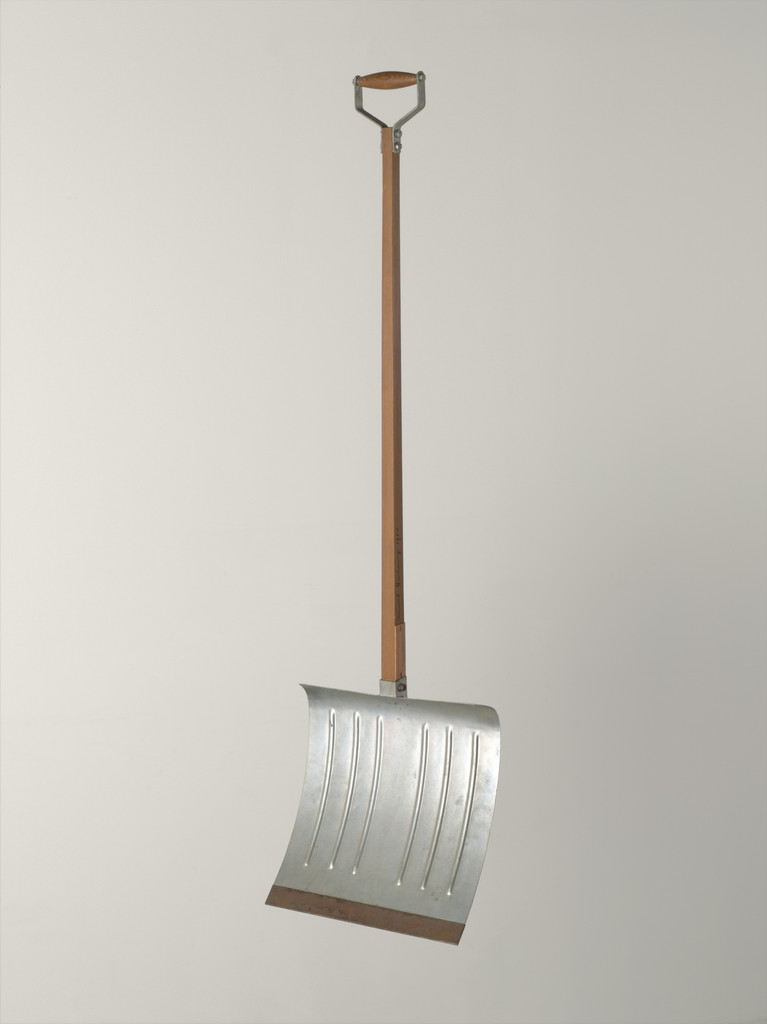
Hat Rack
Görebilir miyim?
Şu anda sergilenmiyor
“Hat Rack” şu anda nerede? Koleksiyon: Art Institute of Chicago, Şikago. Şu anda sergilenmiyor. Kontrol edildi 2 Kasım 2026.

Şikago, Amerika Birleşik Devletleri
Koleksiyona ait, ancak şu anda sergilenmiyor.
- Kontrol edildi
- Bu durumun başlangıcı
- Kaynak
- Müze
Ayrıntılar
- Envanter numarası
- 1989.54
Neyi konu alıyor
Katalogda
Kaynaklar
- Art Institute of Chicago
- Görsel: Art Institute of Chicago — © the artist or rights holder
Marcel Duchamp: hayatındaki yeri
Tüm yaşam öyküsü1915
Emigration to the United States
When the First World War began, Duchamp, exempted from service because of a heart murmur, felt uncomfortable in Paris, and the sale of all four of his paintings at the Armory Show let him finance the trip: in 1915 he left for New York. To his surprise he found himself a celebrity there and quickly befriended the patron Katherine Dreier and the artist Man Ray.
1917
“Fountain” rejected by the Independents’ show
A urinal signed with the pseudonym “R. Mutt” was submitted to the exhibition of the Society of Independent Artists, which displayed everything submitted without a jury; the committee insisted that it was not art and rejected it. The Dadaists were outraged and Duchamp resigned from the Society’s board.
1920
Founds the Société Anonyme
With Katherine Dreier and Man Ray he created the Société Anonyme as an experimental exhibition context that predates the Museum of Modern Art and was the first modern art collection in the US. In the same year, 1920, he returned from Paris to the United States.
1921
Rrose Sélavy is born
In 1921, in a series of Man Ray’s photographs, Duchamp appeared dressed as a woman under the pseudonym Rrose Sélavy, a pun on “Éros, c’est la vie” (“Eros, such is life”); later he used the name as a byline and signed several works with it.
1923
Back in Paris, and into chess
Back in Paris in 1923 he was in essence no longer a practising artist: his main interest became chess, which he studied for the rest of his life to the exclusion of most other activities.
1931
Coins the word “mobile”
In Alexander Calder’s studio, looking at the sculptor’s kinetic works, he suggested calling them “mobiles”; Calder agreed to use the new term in his coming show, and sculptures of this kind have been called that ever since.