PH-774
Kan jag se verket?
Visas inte just nu
Var finns ”PH-774” nu? Samling: Art Institute of Chicago, Chicago. Visas inte just nu. Kontrollerat 9 november 2026.

Chicago, USA
Tillhör samlingen men visas inte just nu.
- Kontrollerat
- Denna status sedan
- Källa
- Museet
Om målningen
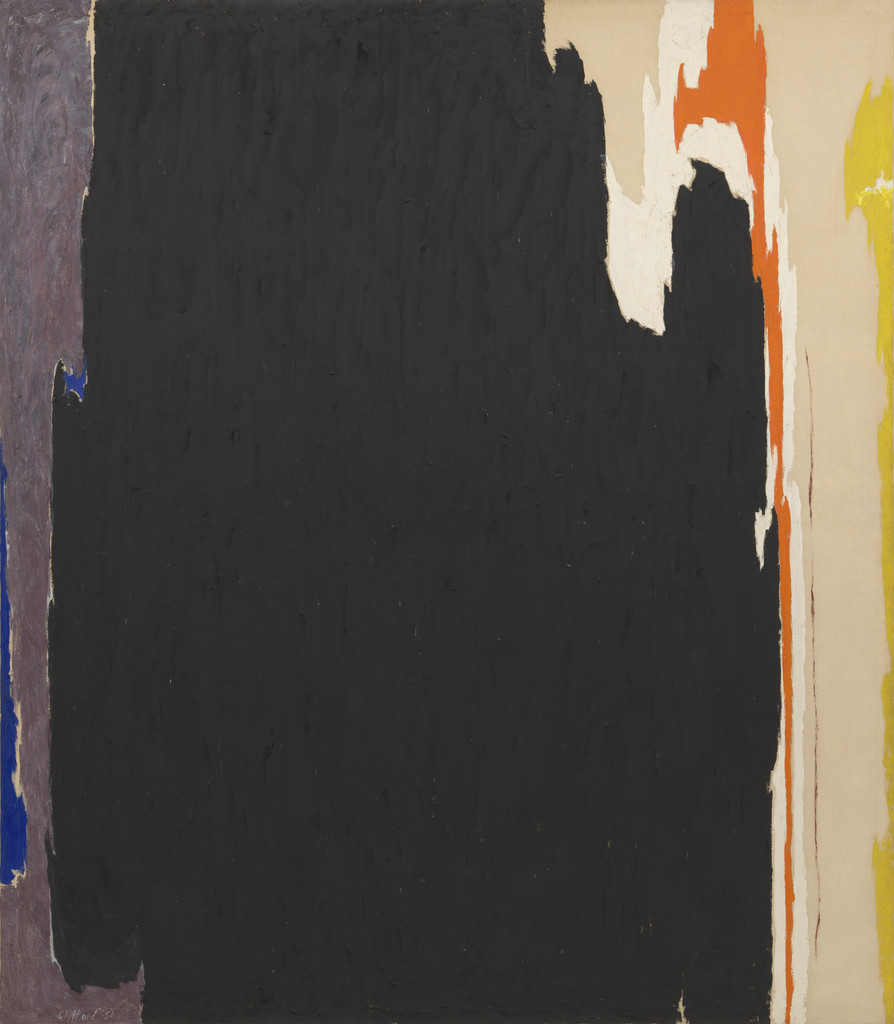
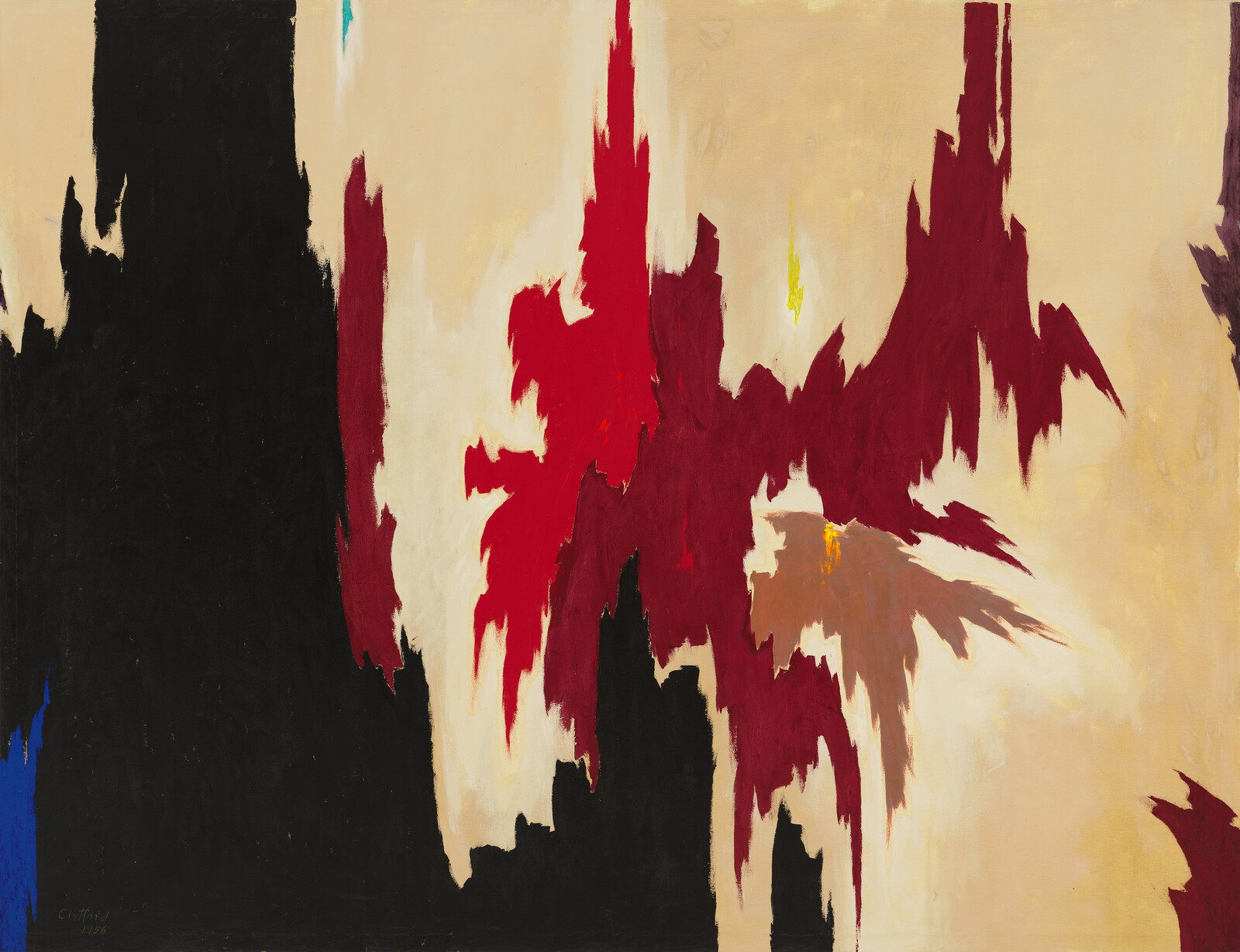
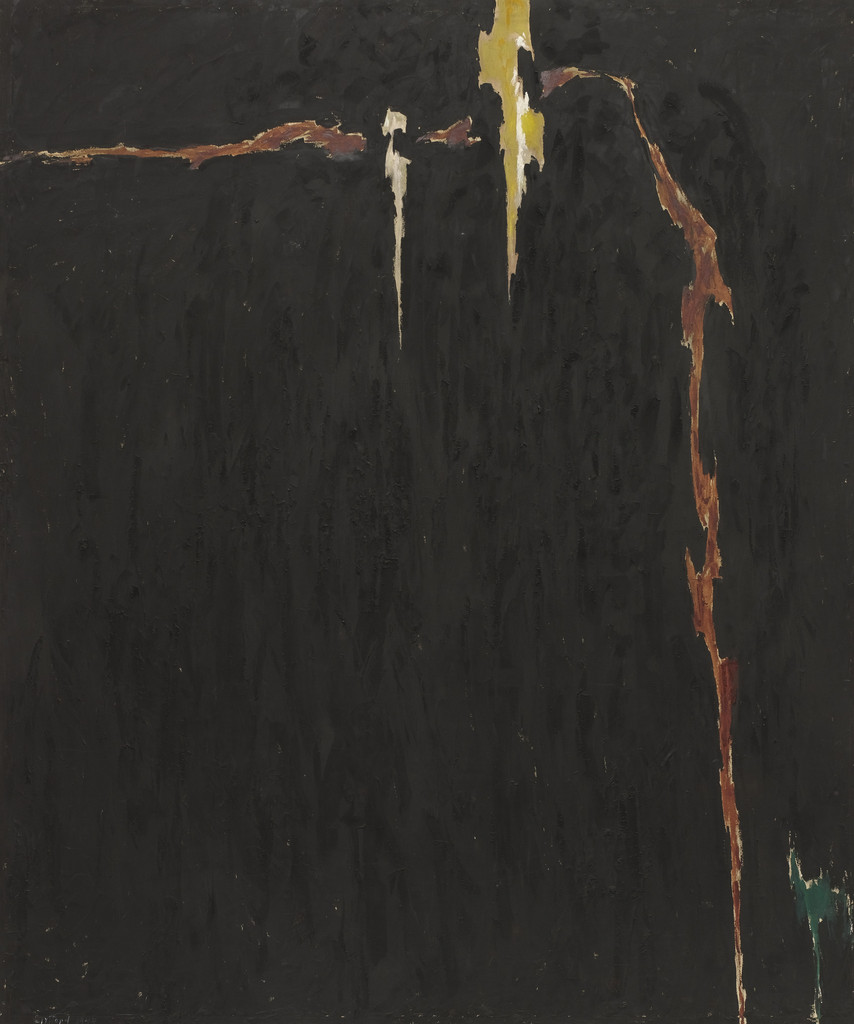
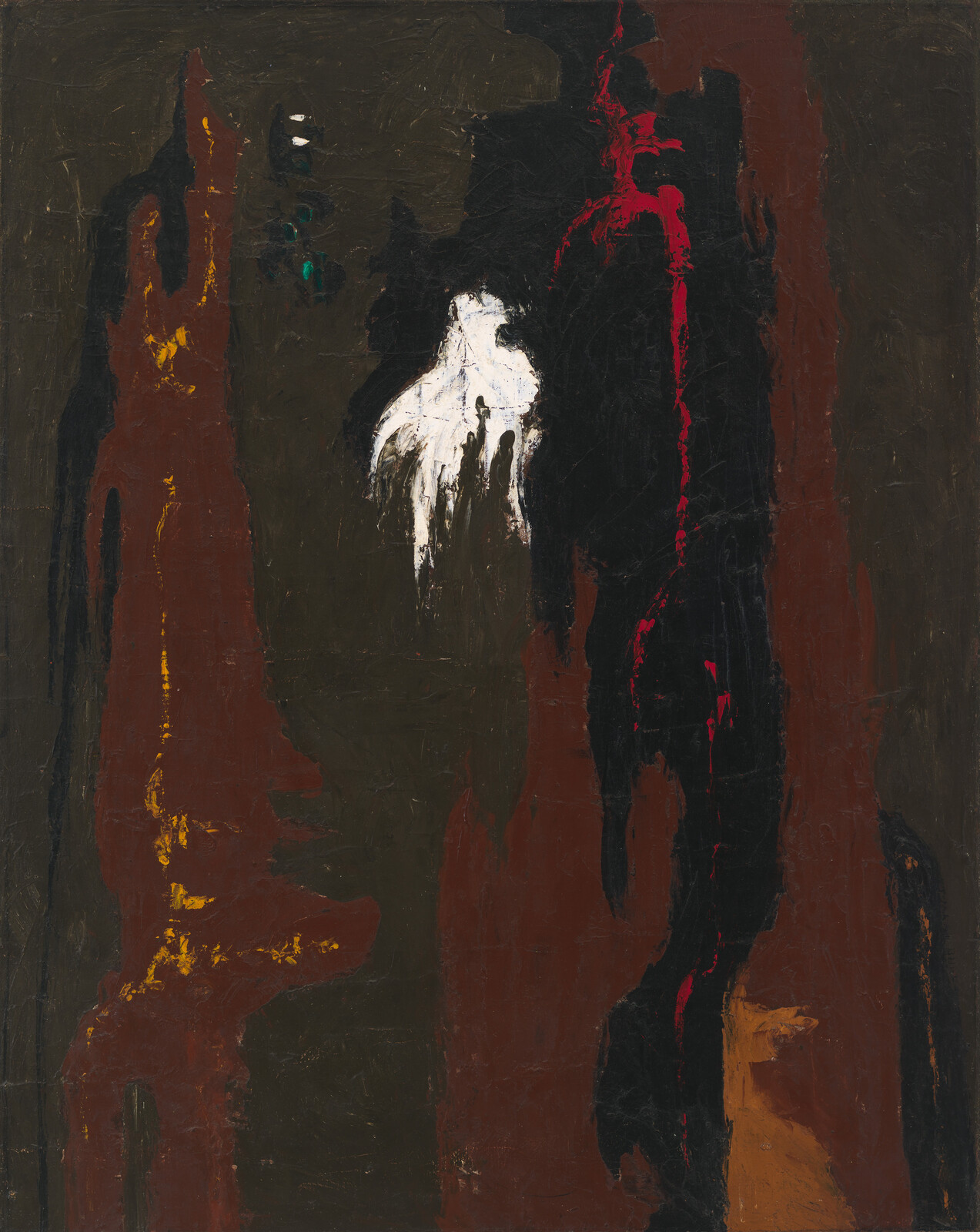
Clyfford Still's PH-774, painted in 1958, is at the Art Institute of Chicago, Chicago. Black paint dominates the canvas, applied with brushes and a trowel. Its surface shifts between chalky and reflective areas, rough grains and smooth passages. White paint and exposed canvas interrupt the dark fields, while coloured streaks resemble veins running through volcanic rock. Crimson occupies the boundaries between light and dark, edged with orange. Still had helped develop colour-field painting in the late 1940s alongside Barnett Newman and Mark Rothko.
Med museets egna ord
In the late 1940s Clyfford Still, along with Barnett Newman and Mark Rothko, originated the type of Abstract Expressionism known as color-field painting, a term used to describe very large canvases dominated by monumental expanses of intense, homogeneous color. Like most of Still’s mature work, Untitled is a sheer wall of paint, imposing and self-sustaining, that makes no concessions to conventional notions of beauty or pictorial illusionism. This painting’s textural effects give it an insistent, complex materiality. Dominated by blacks applied with both a trowel and brushes, the surface is by turns reflective and chalky, granular and smooth, feathery and leaden. These variegated black surfaces are even more emphatic because their continuity is broken by areas of blank canvas and white paint. Like veins in igneous rock, streaks of orange, yellow, and green paint are embedded in the black voids. Mediating between the light and dark masses are areas of crimson, heightened at the edges, as if inflamed, by bright orange.
Art Institute of ChicagoCC BY 4.0
Uppgifter
- Inventarienummer
- 1997.164
Vad bilden föreställer
I katalogen
Källor
- Art Institute of Chicago
- Bild: Art Institute of Chicago — © the artist or rights holder