Victor VasarelyUngern, Frankrike, 1906–1997
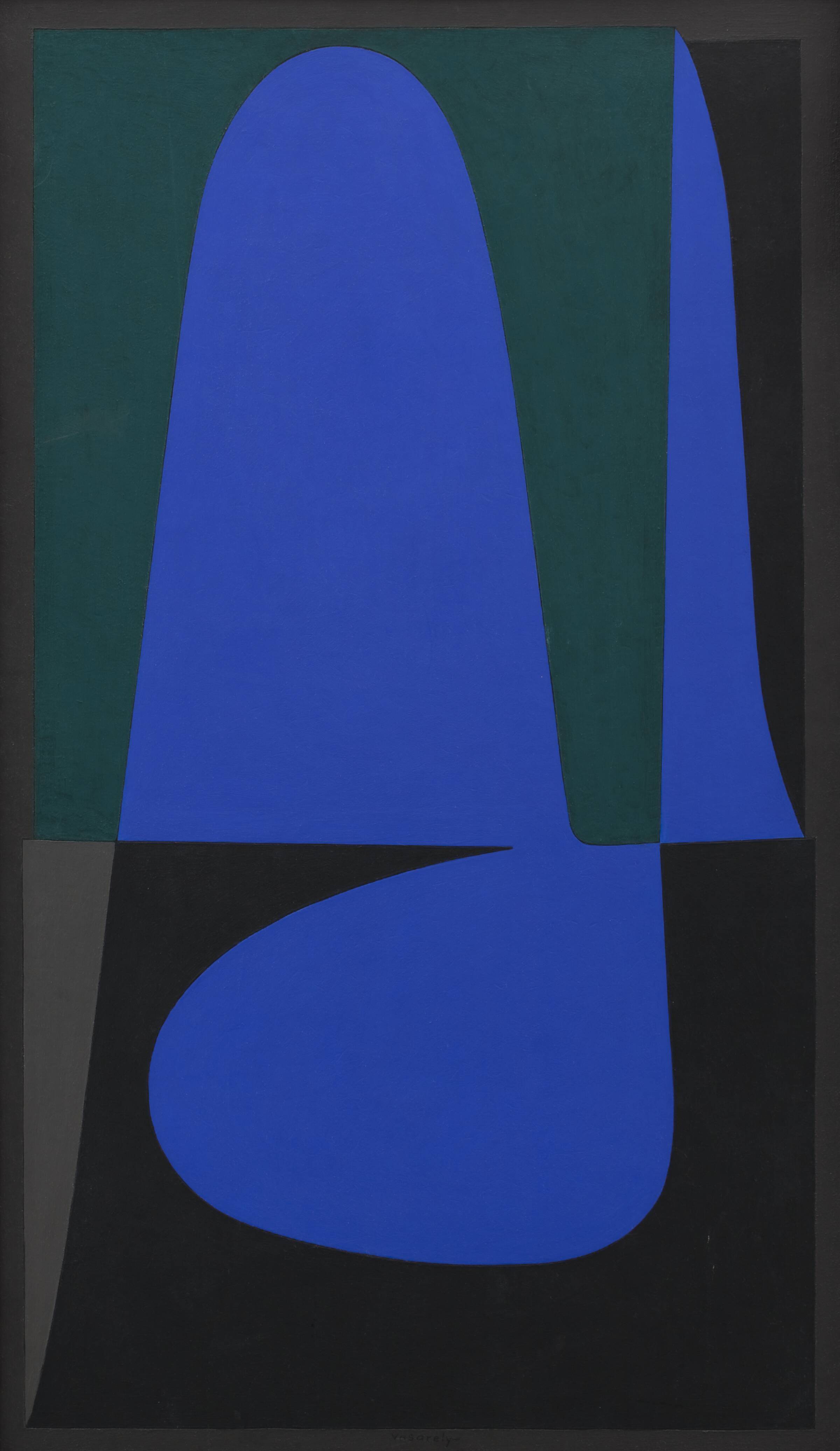
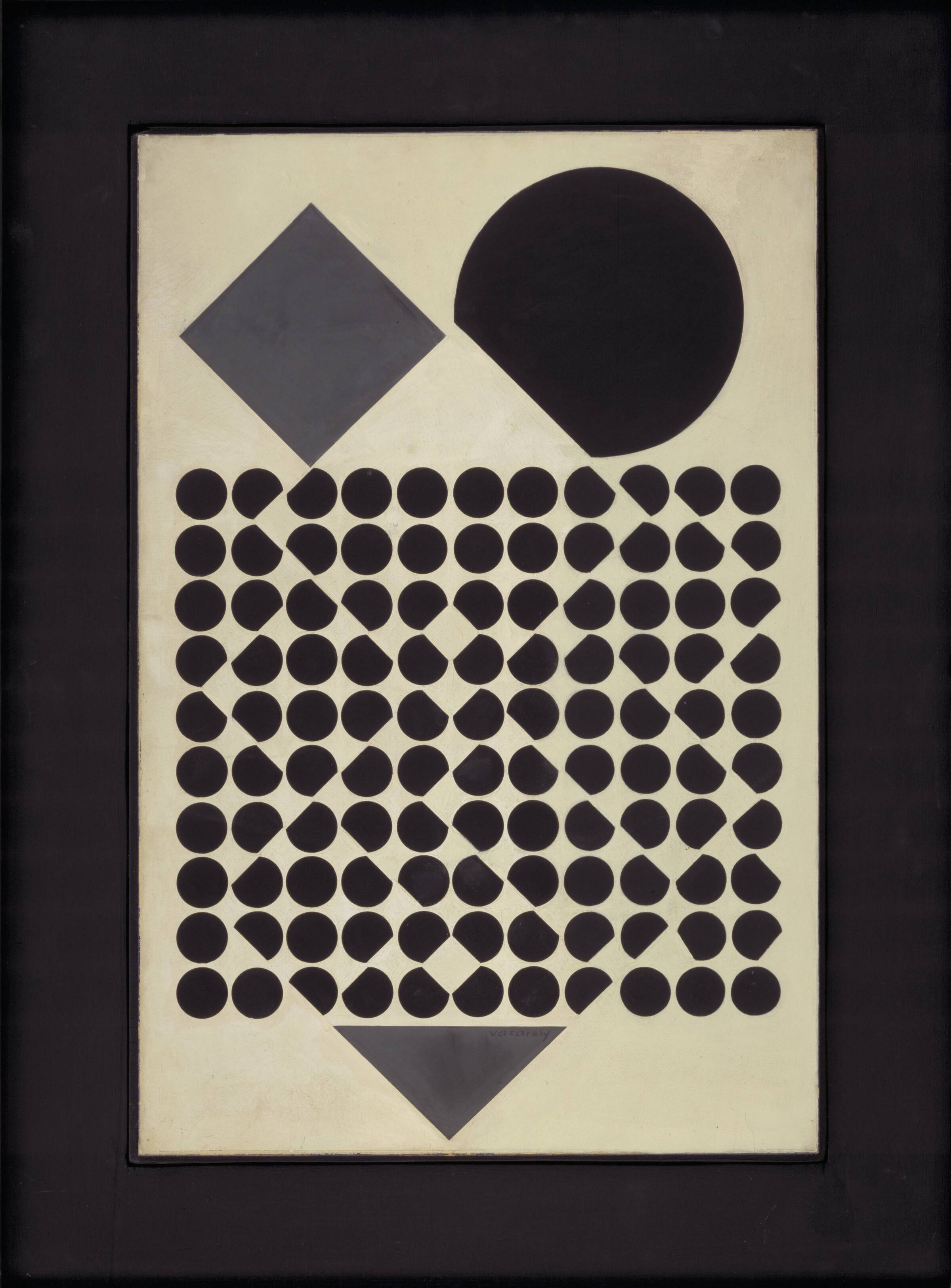
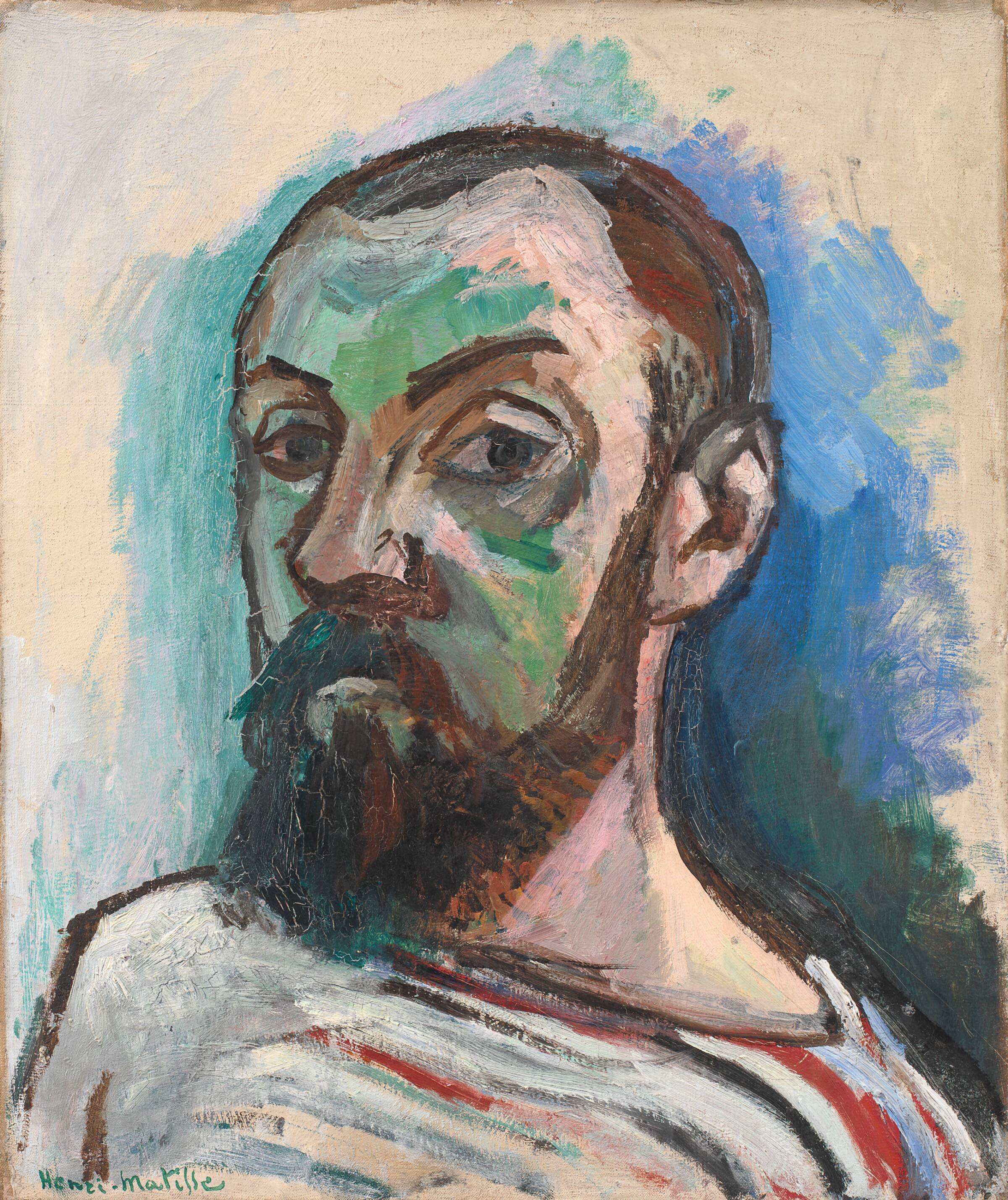
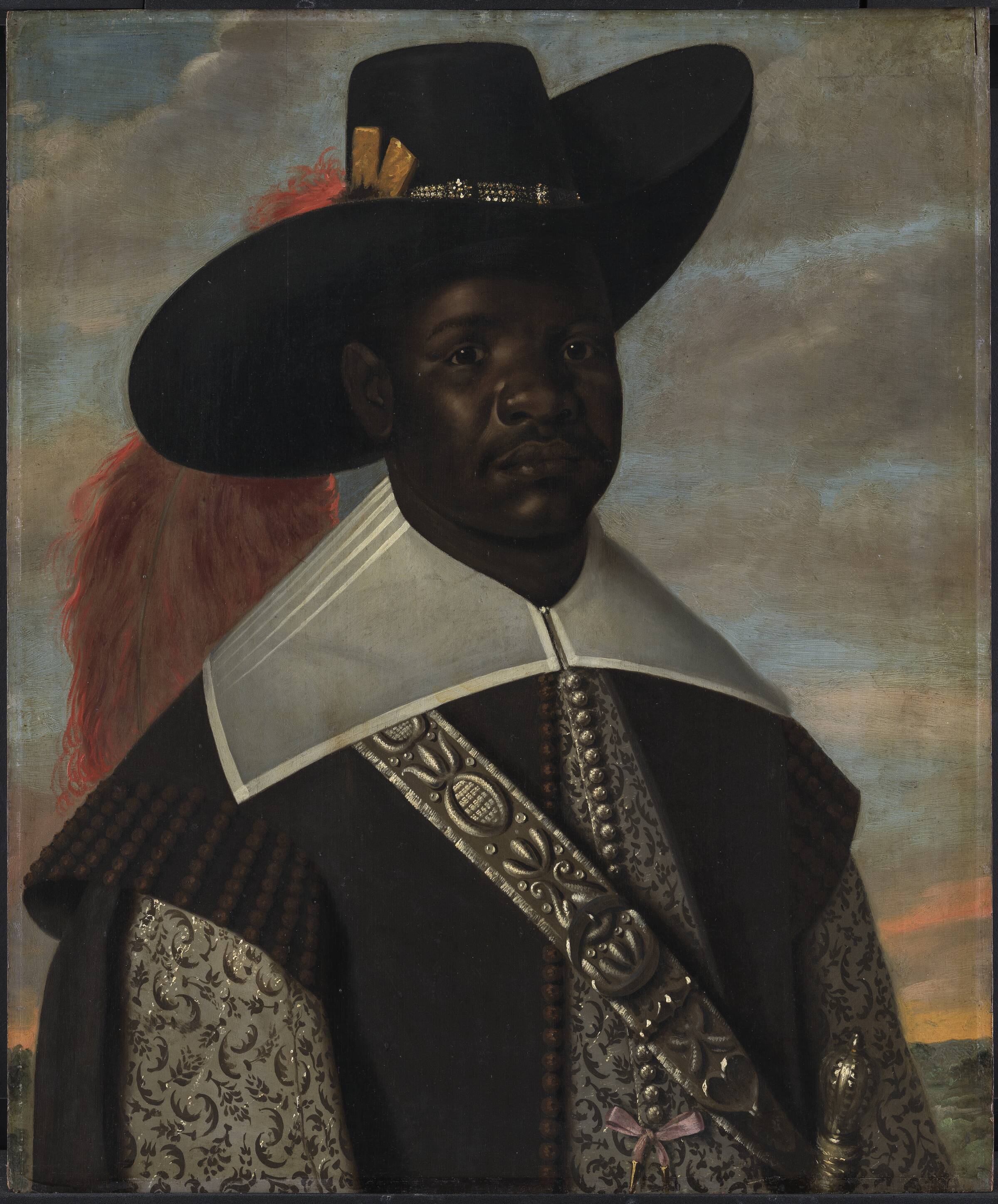
Komposition
Kan jag se verket?
Visas inte just nu
Var finns ”Komposition” nu? Samling: Statens Museum for Kunst, Köpenhamn. Visas inte just nu. Kontrollerat 9 november 2026.

Köpenhamn, Danmark
Tillhör samlingen men visas inte just nu.
- Kontrollerat
- Denna status sedan
- Källa
- Museet
Uppgifter
- Inventarienummer
- KKS1981-150
I katalogen
Källor
- Statens Museum for Kunst
- Bild: Statens Museum for Kunst — © the artist or rights holder
I Victor Vasarelys liv
Hela livet1944–1947
“Les Fausses Routes”: searching without a style of his own
In 1944 Vasarely takes up painting and for three years experiments with cubist, futurist, expressionist, symbolist and surrealist manners without developing a style of his own; afterwards he says he was “on the wrong track”.
1946–1947
First shows at Denise René and René Breteau
In 1946 Vasarely exhibits at the gallery of Denise René and in 1947 at the gallery of René Breteau; Jacques Prévert, who writes the introduction to the catalogue, places him among the surrealists and coins the term “imaginaires” (images + noir, black) for the paintings.
1947
Belle Île: pebbles and shells inspire a series
Ellipsoid pebbles and shells found during a vacation in 1947 on the Breton coast at Belle Île inspire the “Belle-Île” works, built on round and ellipsoid forms.
from 1948
Spends summers in Gordes from 1948
From 1948 Vasarely usually spends his summer months in Gordes in Provence; the village's cubic houses lead him to the “Gordes/Cristal” works, which tackle empty and filled space, perspective and volume.
1951–1955
“Le Mouvement” at the Denise René gallery
Kinetic art flourishes: works by Vasarely, Calder, Duchamp, Man Ray, Soto and Tinguely are exhibited at the Denise René gallery under the title “Le Mouvement”.
1951–1955
Kinetic pictures from layered panes
From his Gordes works he develops kinetic pictures: superimposed acrylic glass panes create a dynamic impression that shifts with the viewpoint; in the black-white period he combines the frames into a single pane by transposing photographs into two colours.