Joachim HenneГермания, 1630
Unknown Lady
Можно ли лицезреть?
Сейчас не принимает

Музей Виктории и Альберта
Лондон, Великобритания
Числится в собрании, но в залах её сейчас нет.
- Проверено
- В этом положении с
- Источник
- Данные самого музея
О скульптуре
Словами музея — на английском
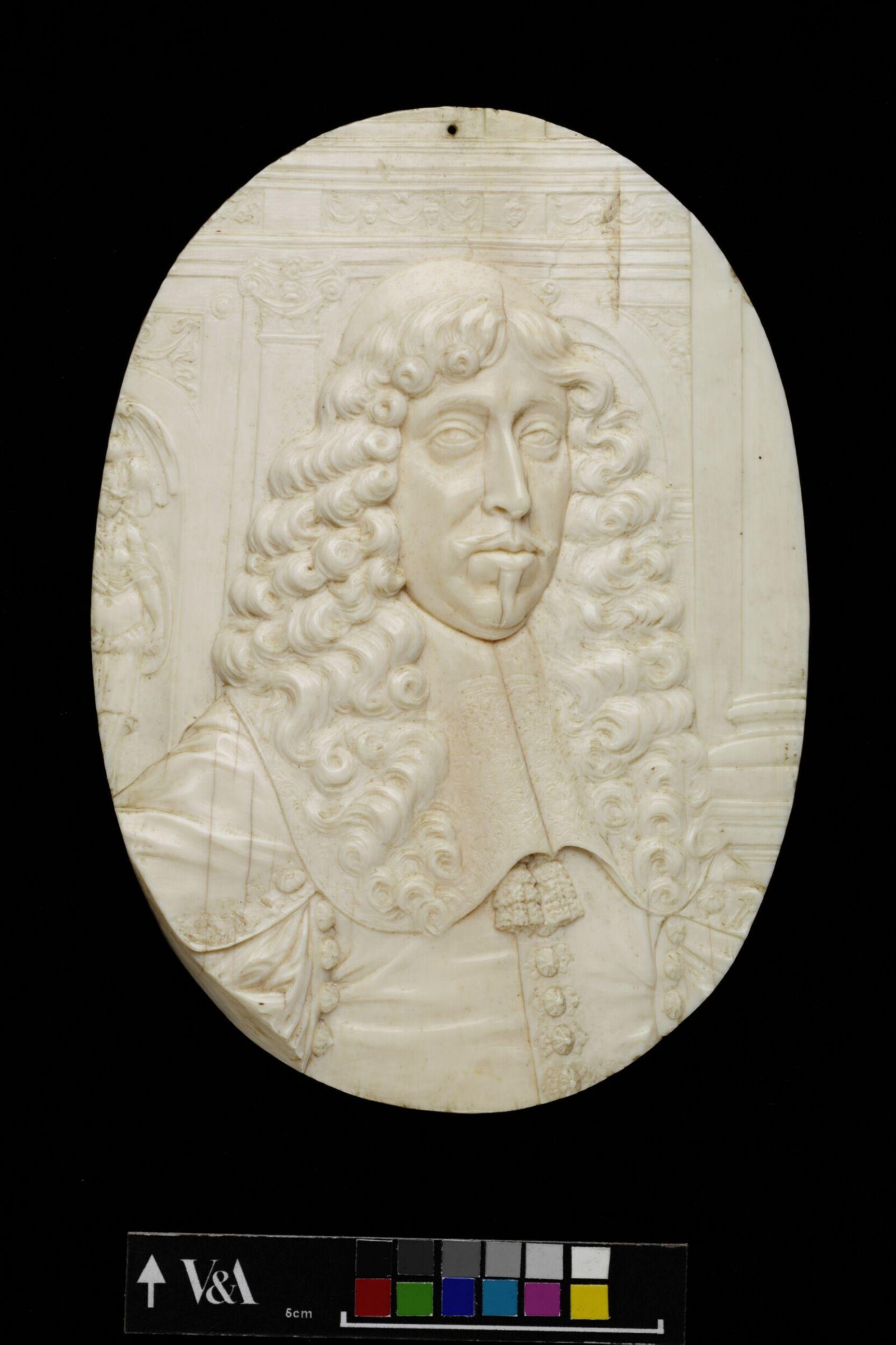
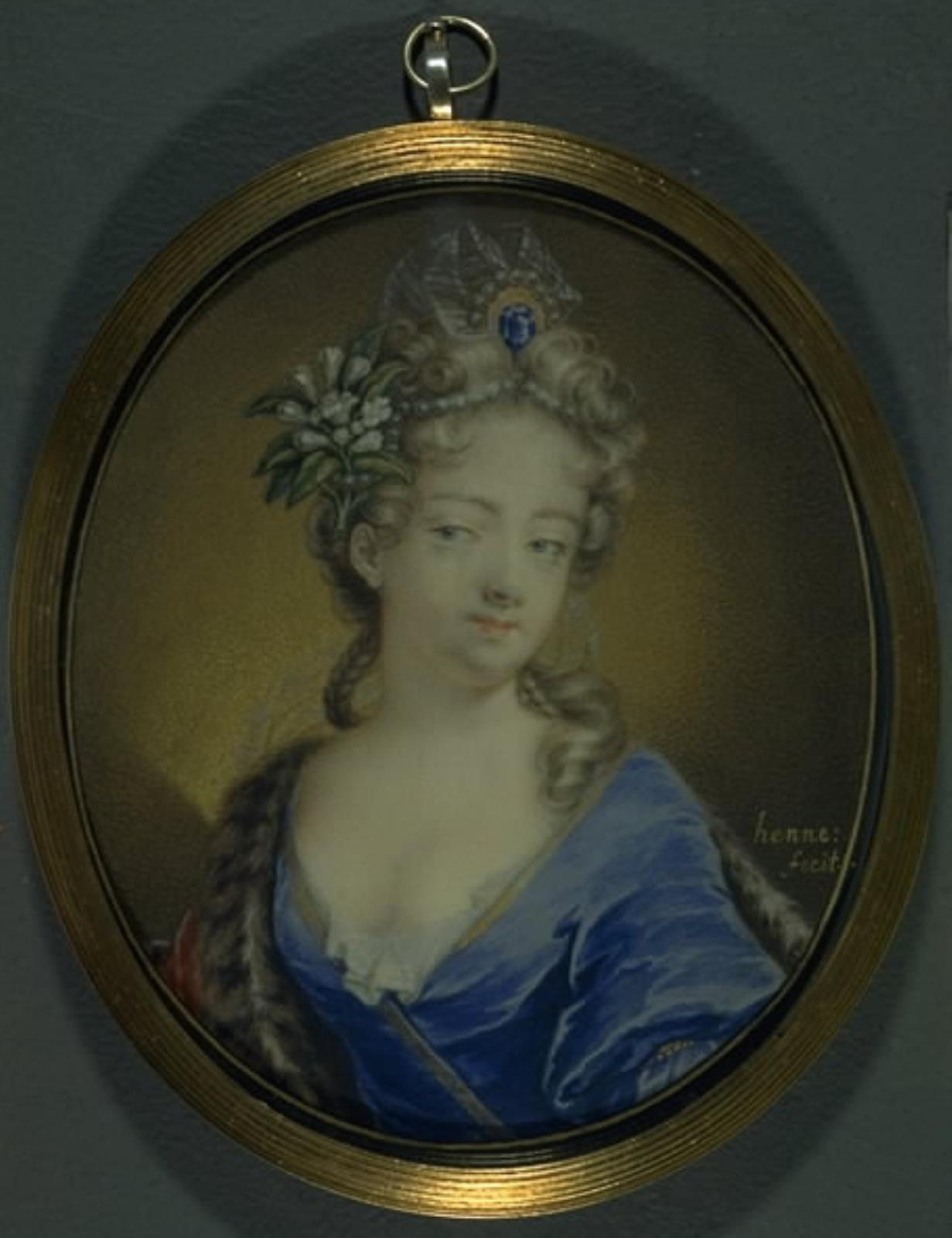
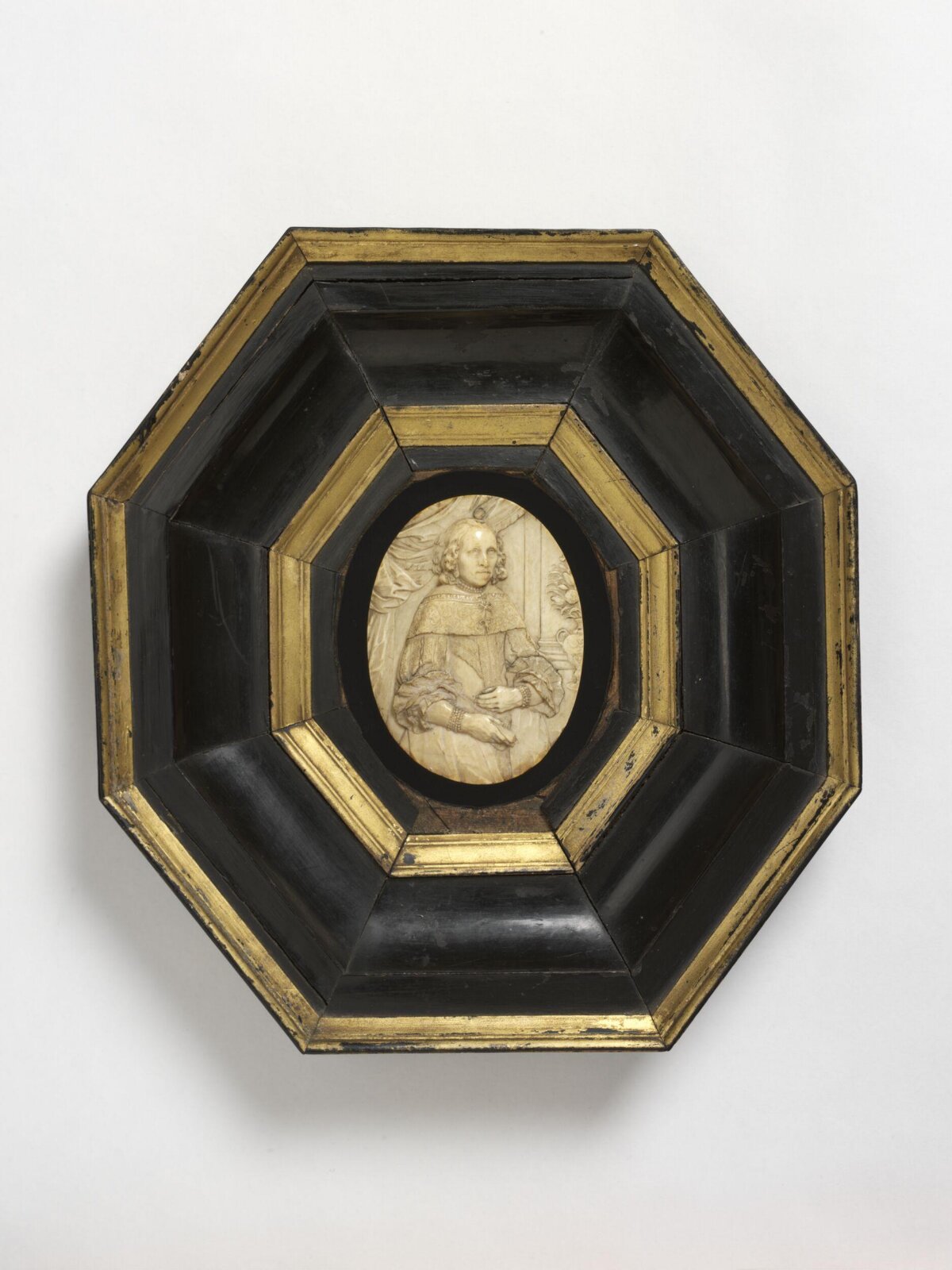
This ivory relief medallion is made by Joachim Henne in ca. 1666. It depicts an unknown lady as a half-length portrait. She stands holding a book before a draped curtain, with a vase of flowers half-visible at her left. Her hair is worn in ringlets with a central parting, and she is dressed in fashionable attire, her Flemish bobbin lace collar typical of the 1660s. The ivory is carved extremely sensitively; the attention to detail, seen for example in the fine openwork lace collar, and the naturalistic facial features of this solemn woman, are typical of Joachim Henne. Exceptionally this ivory still has what must be its original contemporary octagonal wood frame, veneered in ebony with remains of gilding. Its distinctive fan-construction, typical of the 17th century, is to be seen at the back. Analogous frames are to be found in the Rosenborg collection in Copenhagen.
Читать дальше
Joachim Henne (active 1663-1707) was a renowned ivory carver, who worked in Denmark and Northern Germany, specialising in small portrait reliefs and busts. He also executed figure groups, and relief depicting mythological scenes. Comparatively little is known of Henne’s life, including when and where he was born or died, or where he was trained. Although possibly from Jutland or North Germany, he may have trained in South Germany, in Ulm or Augsburg, and was active in Hamburg (1663-5), Gottorf (1665-7), and Copenhagen at the Court of King Frederick III, and then under that of Frederick’s successor, King Christian V, from 1667 until 1691. From 1702-7 he is recorded as court miniature painter at the Brandenburg Court in Berlin, and he is also known to have worked in wood.
Музей Виктории и Альберта
Сведения
- Инвентарный номер
- A.2:1, 2-2011
Что изображено
В каталоге
Источники
- Музей Виктории и Альберта: открытые данные самого музея · получено 10 дней назад
- Изображение: Музей Виктории и Альберта — © Музей Виктории и Альберта