 Thomas AllomВеликобритания, 1804–1872
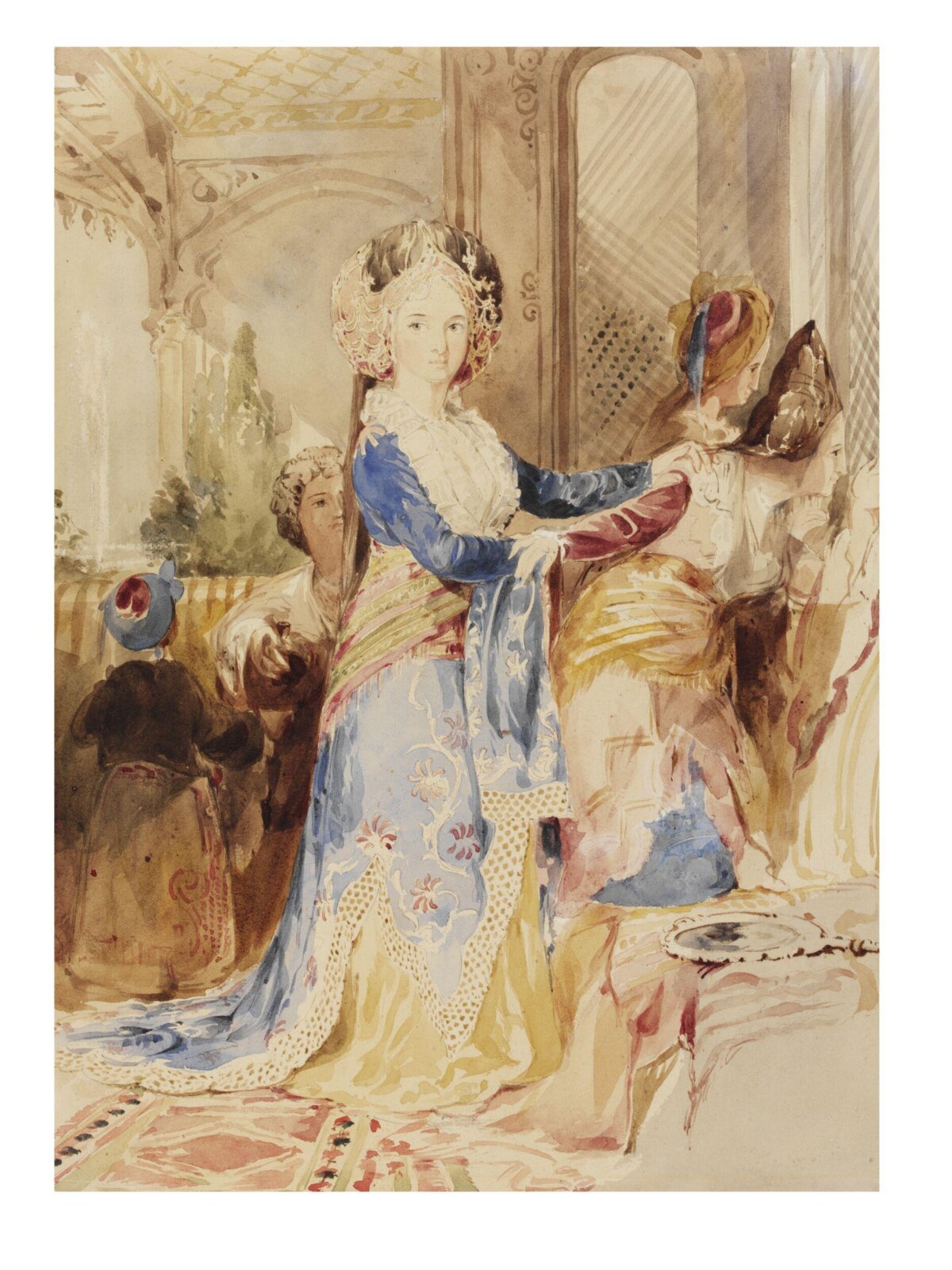
The Favourite Odalisque
Можно ли лицезреть?
Сейчас не принимает

Музей Виктории и Альберта
Лондон, Великобритания
Числится в собрании, но в залах её сейчас нет.
- Проверено
- В этом положении с
- Источник
- Музей
О работе
Словами музея — на английском
Watercolour paintings of North African, Turkish or Egyptian domestic scenes became very popular in the nineteenth century. The increasing ease of travel meant that many more artists, illustrators, travellers and tourists were able to sketch and paint rapidly in watercolour those places they had previously known only from written accounts.
Читать дальше
The harem depicted here is a complete fantasy composed by Allom. He was responding to a demand for pictures of what only could be imagined by those men who were not, and could never be, entitled to enter, unless they became Muslims and set up households of their own. This picture was intended as an illustration in a book of lithographs, Character and Costume in Turkey and Italy, published in 1840. According to the description by Emily Reeve accompanying the plate in Character and Costume, `The odalique [sic] is a fair slave of Circassia or Georgia, the purchase and property of her master alone, and frequently the favourite of his heart - the "light of his harem." The spelling `odalique' is a more accurate version of the Turkish word.
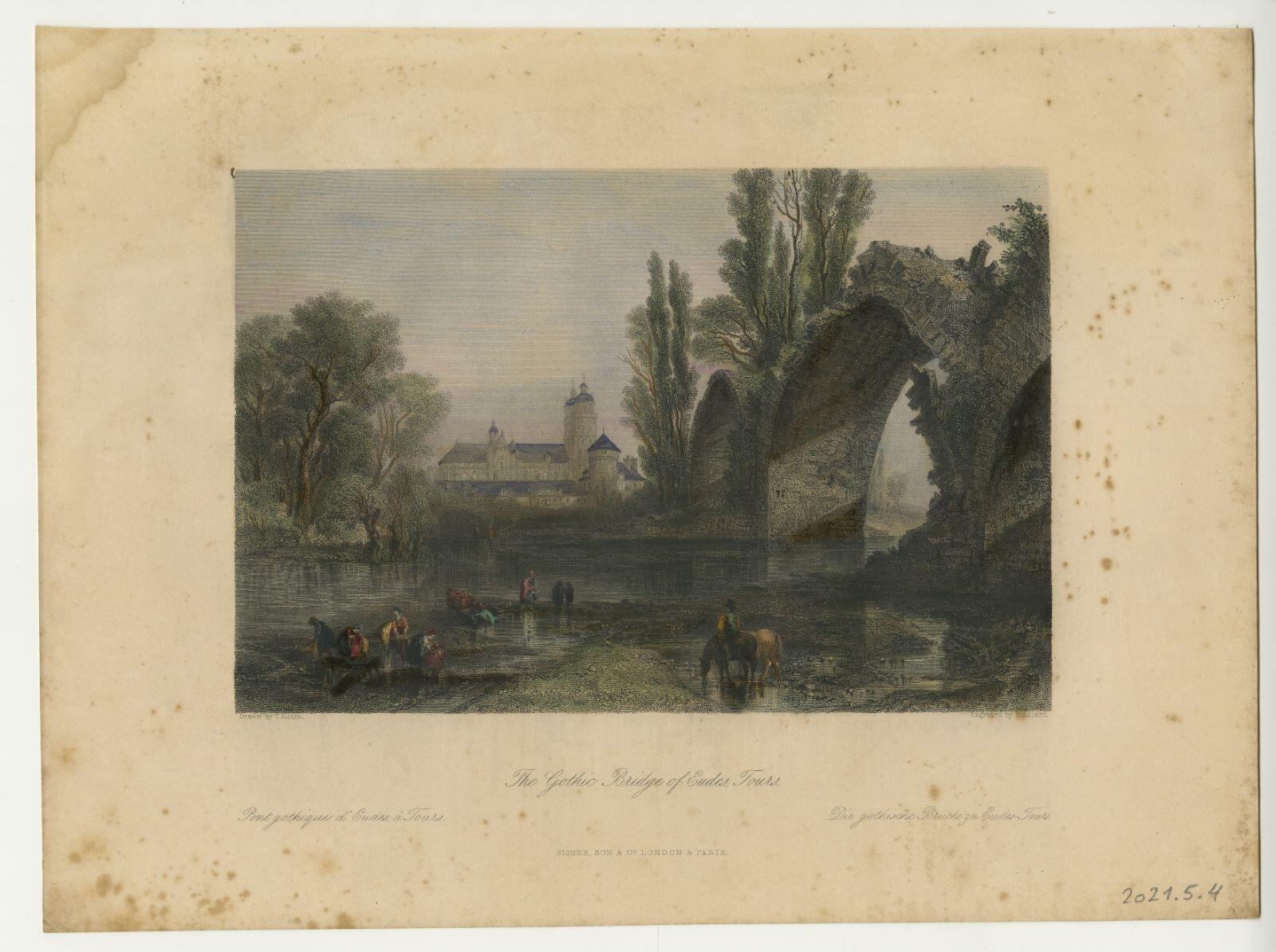
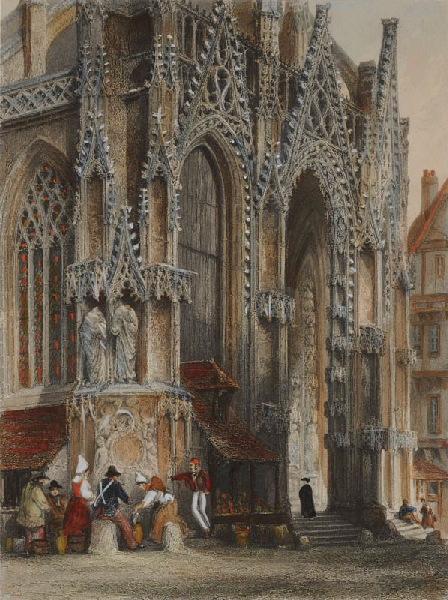
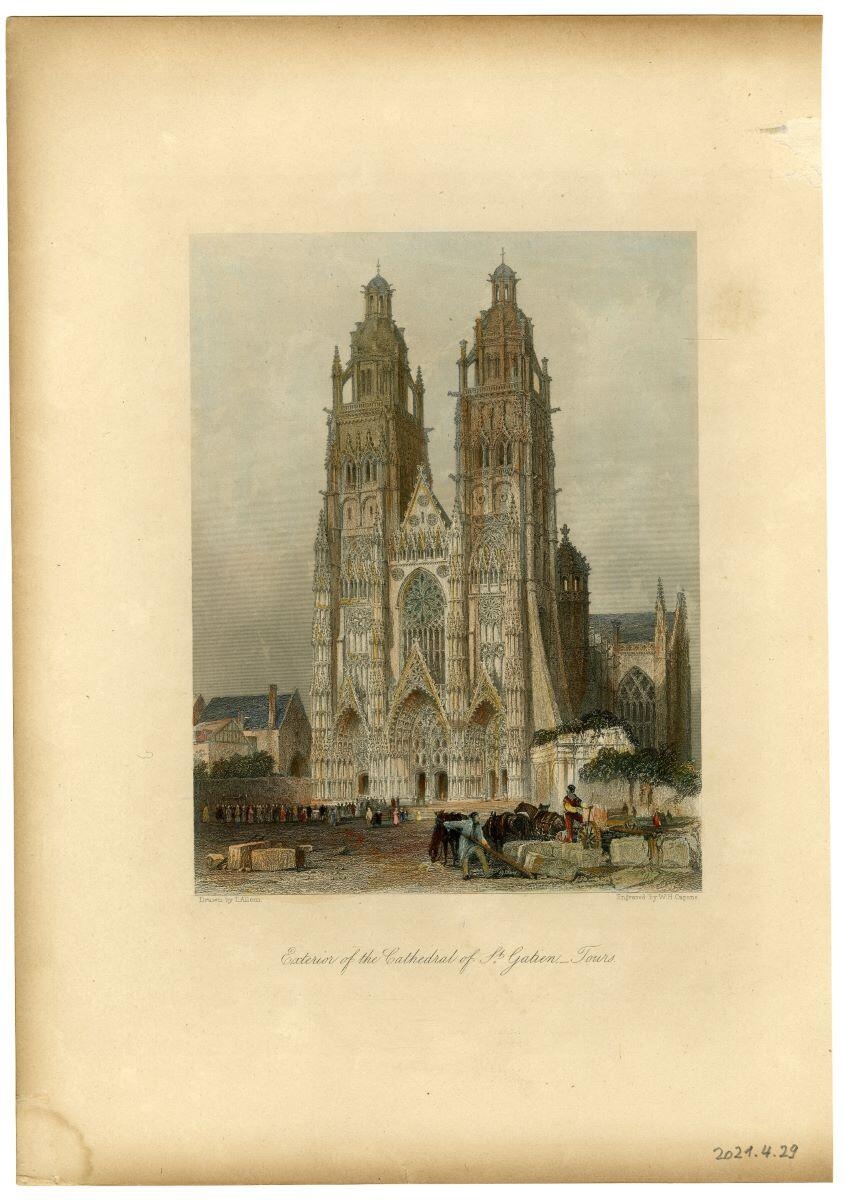
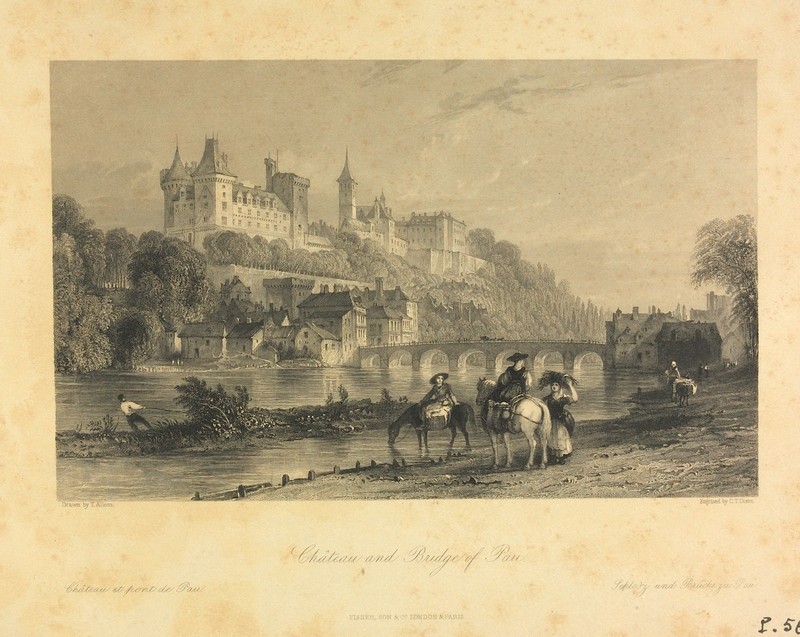
Although he trained as an architect, Allom is better known now as a topographical artist. In 1834 he was a founder member of the Institute of British Architects, [later the RIBA] of which he became a fellow in 1860. He first drew views to finance himself as a student, but was so successful that he then travelled widely and contributed at least 1500 illustrations to numerous books on places in Europe, the Near East and even China, published during the 1830s and 1840s. Few details of his journeys are known, but between 1828 and 1845 he made extensive sketching tours in England, Scotland, France, Belgium, and Turkey, mainly for the publisher H. Fisher & Son.
Музей Виктории и Альберта
Сведения
- Инвентарный номер
- SD.21
В каталоге
Источники
- Музей Виктории и Альберта
- Изображение: Музей Виктории и Альберта — © Музей Виктории и Альберта