ART WIKI32 963 в залах
КартаКоллекцияХудожникиМузеиВыставкиЖурнал
Войти

ART WIKI

Где висит шедевр и когда к нему пускают.

Собрания: Гарвардские художественные музеи, Государственный музей изобразительных искусств имени А. С. Пушкина, Государственный музей искусств, Лувр, Метрополитен-музей, Миннеаполисский институт искусства, Музей американского искусства Уитни, Музей Виктории и Альберта, Музей Гетти, Музей современного искусства, Музей Хиршхорн и сад скульптур, Национальная галерея искусства, Национальная портретная галерея, Рейксмюсеум, Русский музей, Смитсоновский музей американского искусства, Третьяковская галерея, Художественный музей Кливленда, Чикагский институт искусств, Эрмитаж, Getty Villa, National Museum of Asian Art, Госкаталог Музейного фонда России (274 музея), Европеана (19 музеев), Викиданные (6 музеев), Парижские музеи (12 музеев) и Жоконда, база музеев Министерства культуры Франции (495 музеев). Изображения принадлежат правообладателям.

Разделы

  • Карта
  • Поиск
  • Коллекция
  • Шедевры
  • Сейчас в залах
  • Художники

Ещё

  • Музеи и галереи
  • Выставки
  • Журнал
  • Откуда данные
  • Конфиденциальность и куки
ГлавнаяКартаКаталог
  1. Коллекция/
  2. Музей Виктории и Альберта/
  3. Shiva Ekamukhalinga
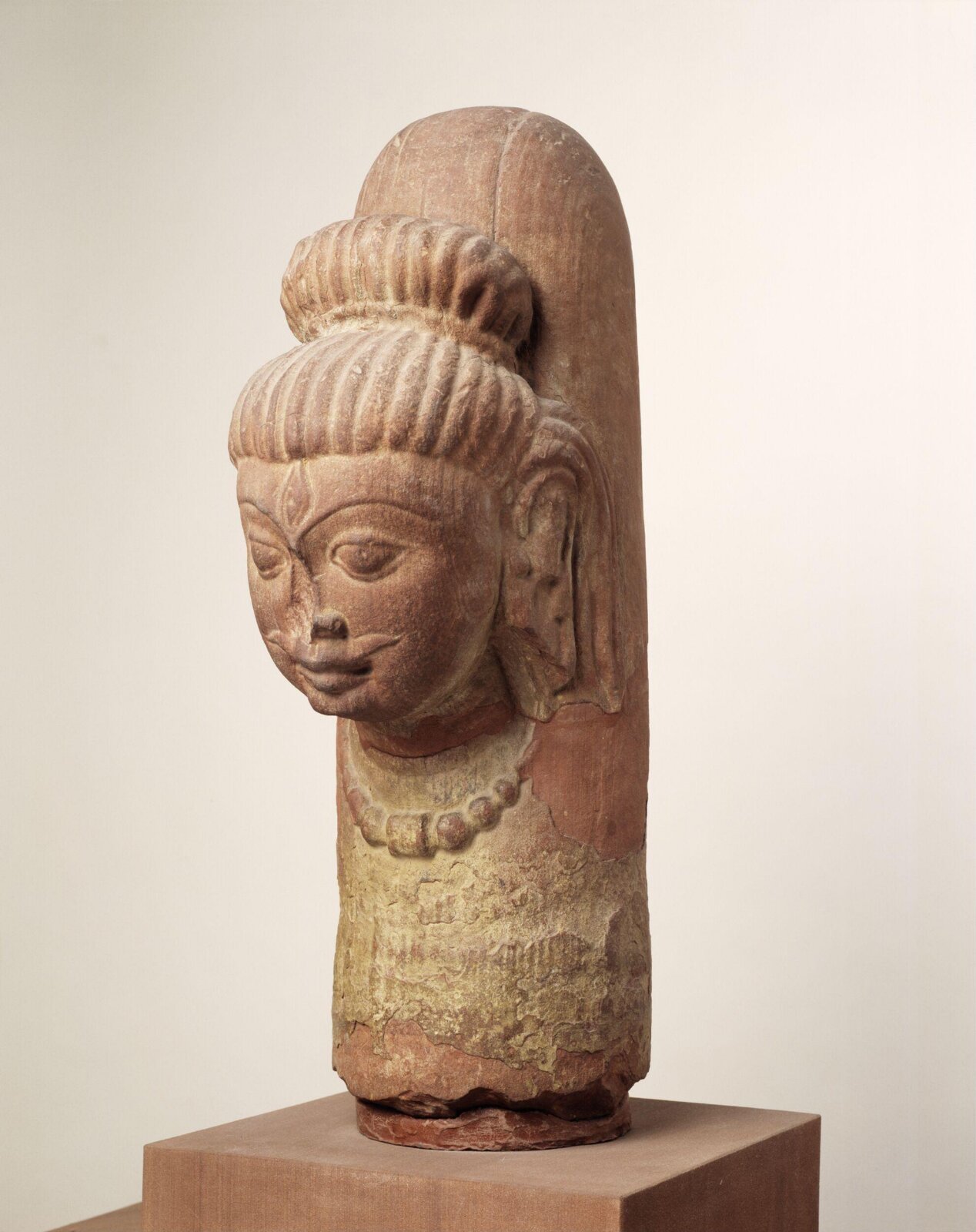
Shiva Ekamukhalinga, начало V века

Shiva Ekamukhalinga

начало V века · Скульптура, камень

Можно ли лицезреть?

Сейчас не принимает

Музей Виктории и Альберта

Лондон, Великобритания

Числится в собрании, но в залах её сейчас нет.

Проверено
12 дней назад
В этом положении с
25 сент. 2026 г.
Источник
Музей
На картеСтраница музея

О скульптуре

Словами музея — на английском

Shiva has many manifestations, but is worshipped principally, and primarily, in his linga or phallus form symbolising his primordial power of creation. From the earliest period of the appearance of Shiva in the linga form, around the 1st century BCE at Aghapur and Gudimallam, the linga shaft addorsed with Shiva in anthropomorphic form was established as the dominant linga-type of the early period. In this representation the head of Shiva, with the third eye clearly visible, emerges from the shaft of the linga. Shiva is moustached, and wears a rudraksa mala necklace, made from the stones of the fruit of a tree holy to Shiva. He wears his uncut hair piled high (jatamakuta) in the style of a yogic ascetic; further locks of hair cascade down behind his ears. A linga of this scale could have been worshipped as the cult image of a Saivite temple, of which few survive intact from the Gupta period. The distinctive pink sandstone suggests that it originated in the region of Mathura.

Читать дальше

Representations of a deity emerging from a tree trunk occur in Sunga and Satavahana art of the 1st century BCE, embodying shared concepts of the divine in nature, and of the manifestation of the god-head in anthropomorphic form. The symbolism of the tree-post-pillar as devices linking the (mundane) earth and (heavenly) sky were widespread in early religious thinking in India and may be assumed to have contributed to the pillar, with or without explicit phallic overtones, becoming a central motif. The linga, which literally means "sign", became the most powerful icon of Shva, to which all others are subsidiary.

Музей Виктории и Альберта

Сведения

Инвентарный номер
IS.10-1969

В каталоге

СкульптураКамень

Источники

  • Музей Виктории и Альберта
  • Изображение: Музей Виктории и Альберта — © Музей Виктории и Альберта

Соседи по залам: Музей Виктории и Альберта

Страница музея
Bird of Paradise, Hashimoto Chitaka, 2026

Hashimoto Chitaka

Bird of Paradise, 2026

Torsion 2, Taruma Shoko, 2025

Taruma Shoko

Torsion 2, 2025

Fu, Someya Satoshi, 2025

Someya Satoshi

Fu, 2025

Bow Before the Curtain Falls, 2024

Bow Before the Curtain Falls, 2024

Summer, 2024

Summer, 2024

Red Flow, Ishizuka Genta, 2024

Ishizuka Genta

Red Flow, 2024

3D replica of Michelangelo's Prisoner (4117-1854), Factum Arte, 2024

Factum Arte

3D replica of Michelangelo's Prisoner (4117-1854), 2024

Sculpture, ‘Co-Existence – the Man and the Monkey’, Zhao Lin, 2024

Zhao Lin

Sculpture, ‘Co-Existence – the Man and the Monkey’, 2024






