Ловис КоринтГермания, 1858–1925
Self-Portrait
Можно ли лицезреть?
Сейчас не принимает

Чикагский институт искусств
Чикаго, США
Числится в собрании, но в залах её сейчас нет.
- Проверено
- 5 часов назад
- В этом положении с
- 19 авг. 2026 г.
- Источник
- Данные самого музея
О работе
Словами музея — в подлиннике
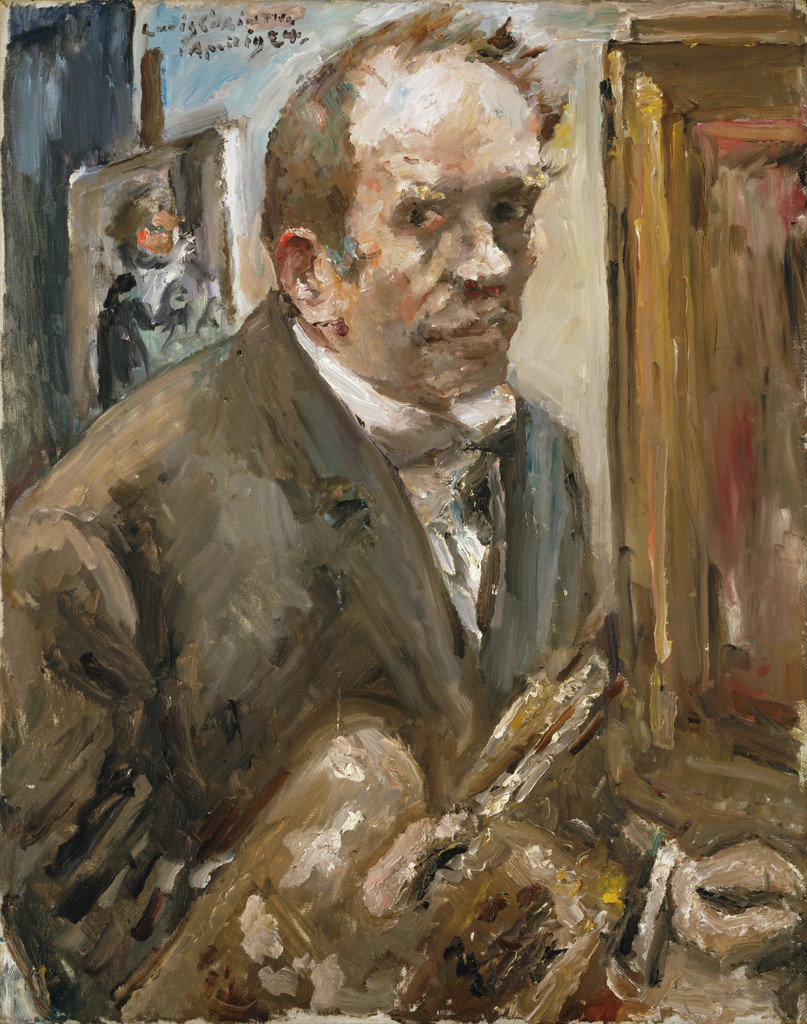
“The times are not the same for us old folk anymore,” reads a 1923 diary entry by Lovis Corinth, who suffered a stroke in 1911 and never quite recovered. “We have lost our way . . . so sad, so very sad.” The following year, the artist created this tortured self-image; he was sixty-five, with one year left to live. An inveterate self-portraitist, Corinth produced more images of himself than almost any other artist except Rembrandt van Rijn. In this haunting gouache, he gazes at the viewer in anguish. The brooding palette portrays a deeply shadowed face— contorted, haggard, and sunk into hunched shoulders. The pain that both the diary entry and this portrait convey is curiously at odds with Corinth’s professional life, which had, in fact, been successful.
Читать дальше
Challenging traditional approaches to art, his early figure compositions, with their overt sexuality and theatrical movements, made his reputation. Later he executed intensely colored, windswept landscapes that became his most popular works. But Corinth was a deeply patriotic man, and his personal accomplishments failed to assuage the torment he experienced after Germany’s humiliation in World War I and his despair over the values of the Weimar Republic that followed.
Чикагский институт искусствCC BY 4.0
Сведения
- Инвентарный номер
- 1987.280
Что изображено
В каталоге
Источники
- Чикагский институт искусств: открытые данные самого музея · получено 6 дней назад
- Изображение: Чикагский институт искусств — © автор или правообладатель
А тем временем в жизни художника
Вся жизнь целиком1922
Участие в Венецианской биеннале
Работы Коринта были показаны на Венецианской биеннале.
1923
Выставка к 65-летию в Национальной галерее
К 65-летию Коринта Национальная галерея организовала выставку из 170 картин, находившихся в частных собраниях.
16 июня 1925
Последняя поездка в Нидерланды
Закончив свою последнюю крупную работу «Ecce Homo», отправился в Дюссельдорф и Амстердам, чтобы ещё раз посмотреть на работы Франса Халса и Рембрандта; в поездке заболел воспалением лёгких и умер в Зандворте.
17 июля 1925
Кончина