Марио ДжакомеллиИталия, 1925–2000
Scanno, no. 52
Можно увидеть?
Сейчас не выставлена
Где сейчас «Scanno, no. 52»? Собрание: Музей Гетти, Лос-Анджелес. Сейчас не выставлена. Проверено 7 октября 2026 г.
Лос-Анджелес, США
Числится в собрании, но в залах её сейчас нет.
- Проверено
- Этот статус с
- Источник
- Музей
О работе
Словами музея — на английском
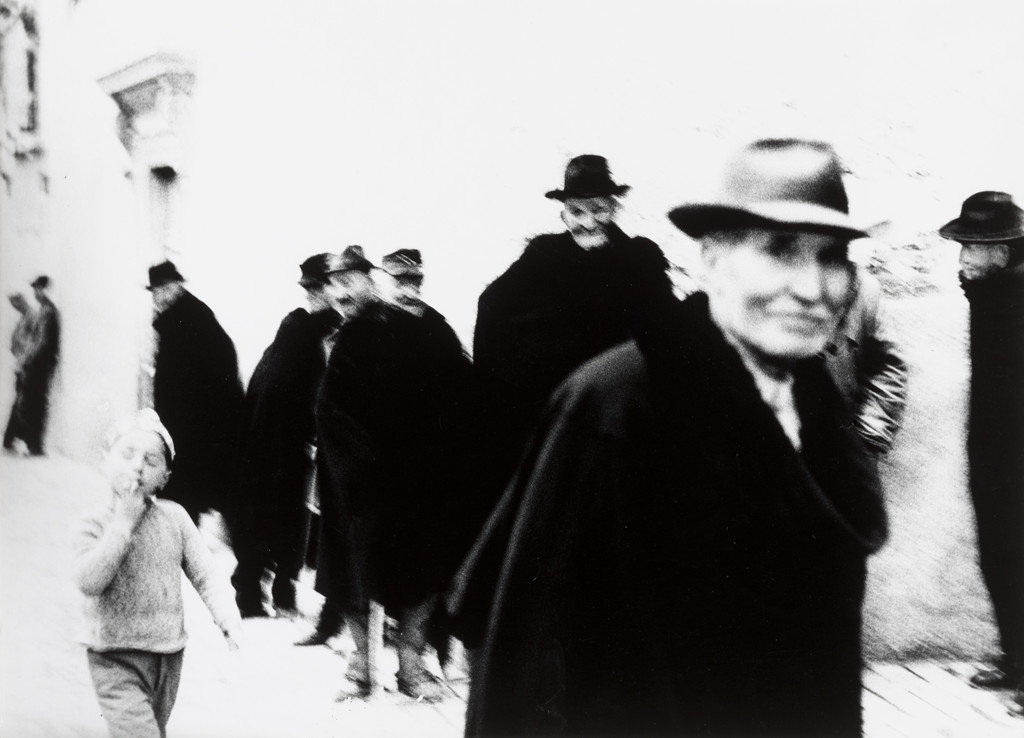
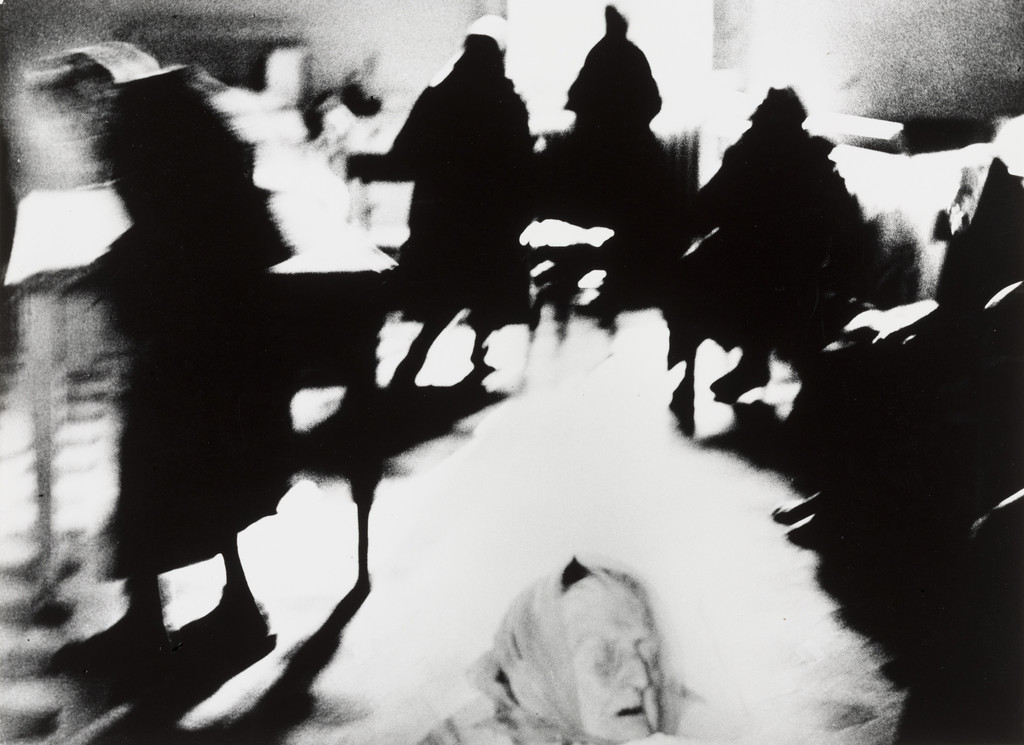
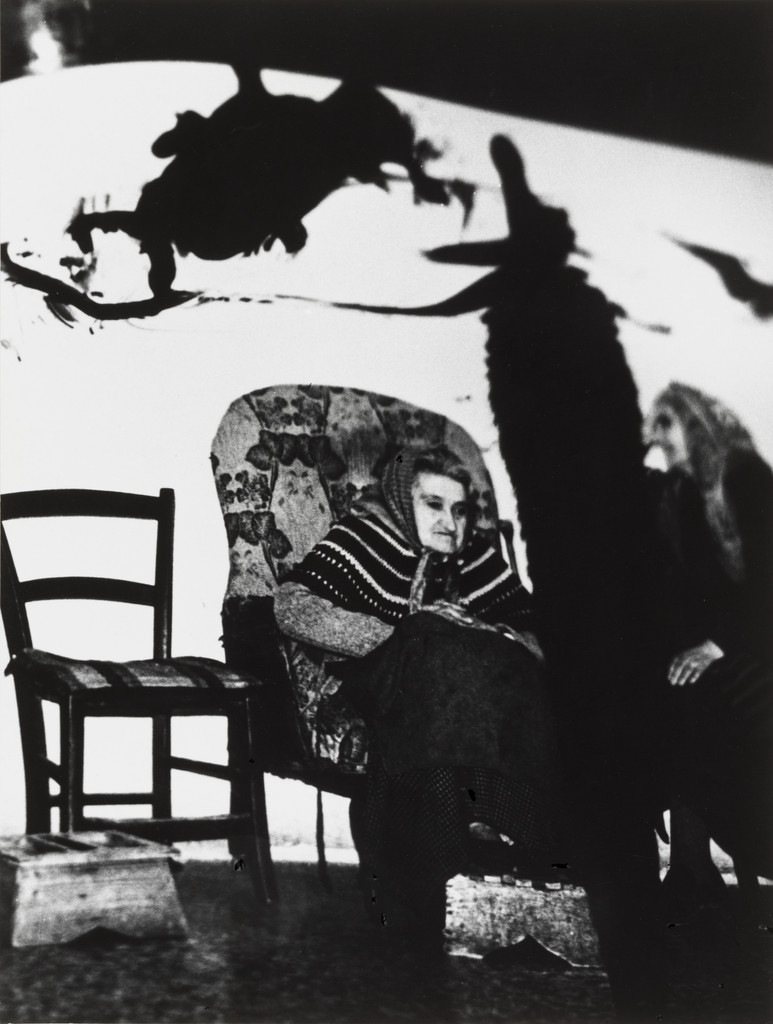
Following his sustained observation of hospice residents in Senigallia ([2016.179.6.10](http://www.getty.edu/art/collection/objects/297444/), [2016.179.6.11](http://www.getty.edu/art/collection/objects/297445/), [2016.179.6.12](http://www.getty.edu/art/collection/objects/297446/), [2016.179.40](http://www.getty.edu/art/collection/objects/297490/), [2020.74](http://www.getty.edu/art/collection/objects/350481/)), the photographs that Giacomelli made during trips to Scanno in 1957 and 1959 further demonstrate his ability to describe people in a specific time and place. In this town located in the Apennine Mountains of central Italy, about 270 miles south of Senigallia, Giacomelli encountered men and women going about their daily chores or gathering in the square, draped in dark garments or cloaks, their heads covered with hats or scarves.
Читать дальше
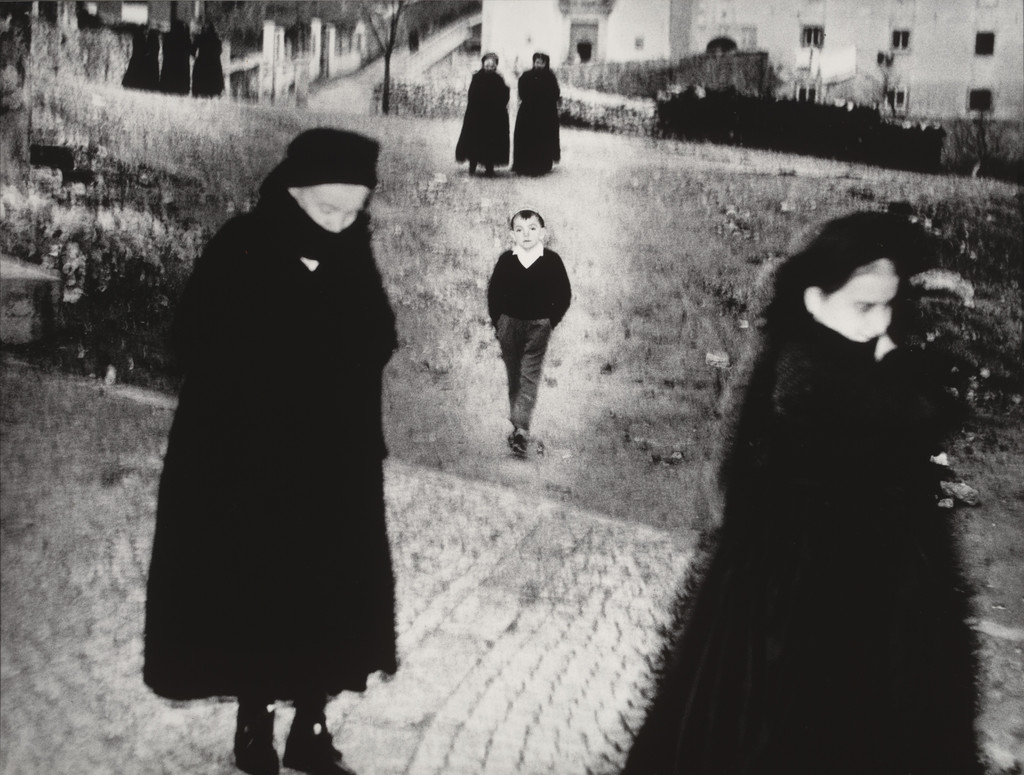
Even when congregating, subjects seem to be isolated or lost in thought. Whether in sharp focus or blurred by movement, the occasional individual who looks directly into his camera suggests a sense of mystery or furtiveness. Giacomelli used a slow shutter speed and shallow depth of field to photograph these stark, black-clad figures against whitewashed architectural settings, introducing indistinct passages that amplify the fairy-tale mood of a town that appears to be irretrievably steeped in the past.Often referred to as *Scanno Boy*, this photograph is one of Giacomelli’s most famous images.
Curator John Szarkowski included it in his seminal book *Looking at Photographs: 100 Pictures from the Collection of the Museum of Modern Art* (1973), where he described the composition as “revolving around the small boy who levitates within the halo of the worn footpath” and attributed its success to split-second timing. Giacomelli used flash and darkroom manipulation to create the halo effect. He also captured the moment just before this photograph was made (2019.176.5), enabling viewers to fully appreciate the achievement of the iconic image.
See other examples of works from the Scanno series ([2016.179.5.12](http://www.getty.edu/art/collection/objects/297427/), [2016.179.7](http://www.getty.edu/art/collection/objects/297453/), [2016.179.6.9](http://www.getty.edu/art/collection/objects/297443/), [2016.179.6.17](http://www.getty.edu/art/collection/objects/297451), [2016.179.26](http://www.getty.edu/art/collection/objects/297475), [2016.179.30](http://www.getty.edu/art/collection/objects/297479/), [2016.179.35](http://www.getty.edu/art/collection/objects/297484/), [2016.179.39](http://www.getty.edu/art/collection/objects/297489/), [2016.179.41](http://www.getty.edu/art/collection/objects/297492/), [2016.179.44](http://www.getty.edu/art/collection/objects/297498/), [2016.179.61](http://www.getty.edu/art/collection/objects/297520/)). Virginia Heckert, J. Paul Getty Museum, Department of Photographs 2021
Музей Гетти
Сведения
- Инвентарный номер
- 2016.179.6.14
В каталоге
Источники
- Музей Гетти
- Изображение: Музей Гетти — ; In Copyright