Эдвард СтайхенСША, 1879–1973
Rodin, Le Penseur
Можно ли лицезреть?
Сейчас не принимает

Чикагский институт искусств
Чикаго, США
Числится в собрании, но в залах её сейчас нет.
- Проверено
- В этом положении с
- Источник
- Музей
О работе
Словами музея — на английском
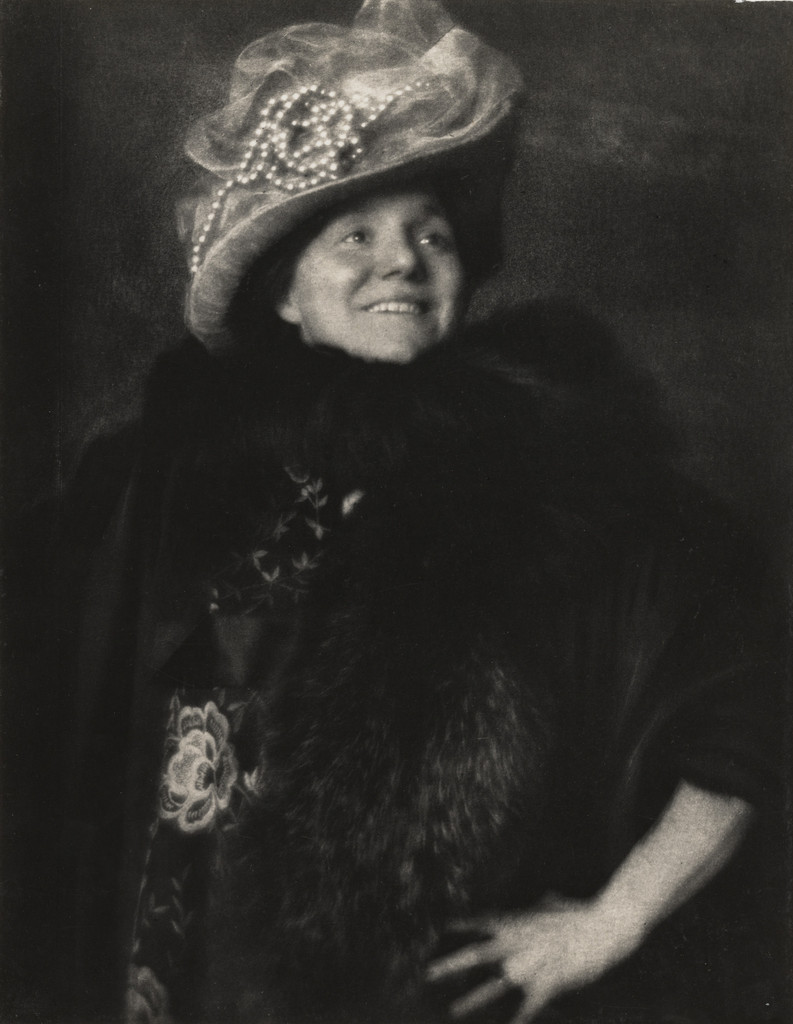
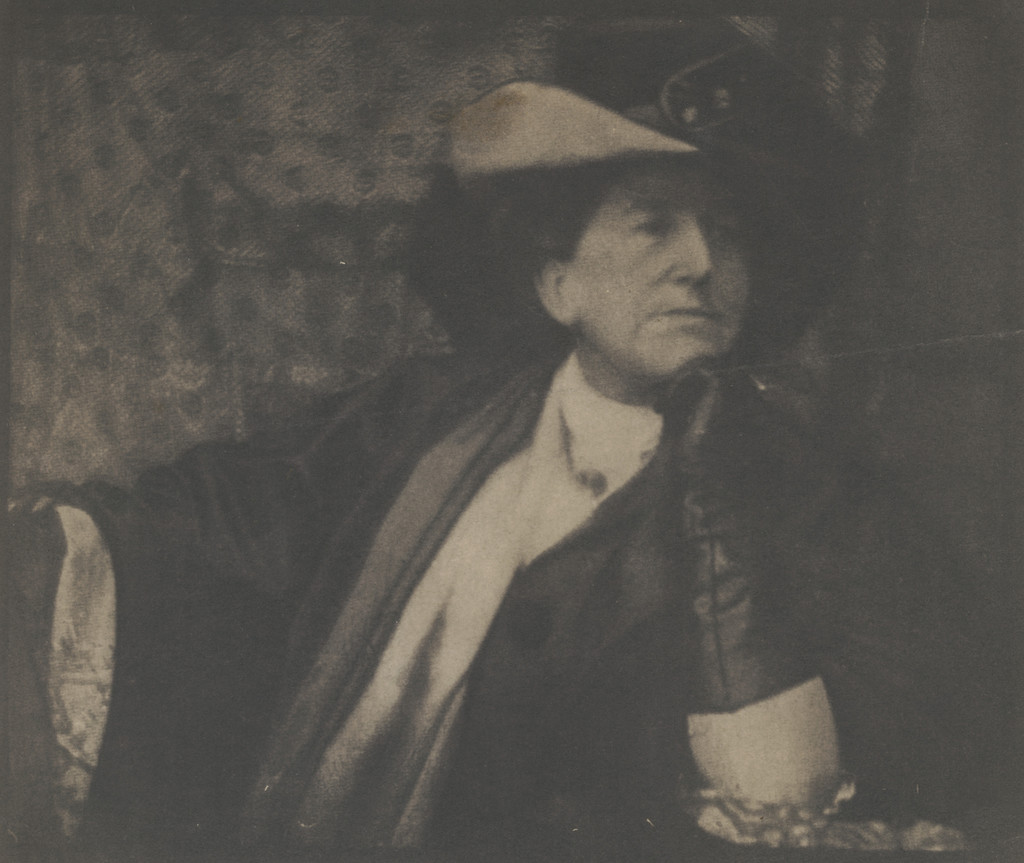
“What is true of the oil or watercolor is equally true of the photograph,” Edward Steichen once said, aptly expressing the overt pictorial intent of Rodin, Le Penseur. This romantic silhouette portrait depicts Auguste Rodin seated in his studio opposite his famous work Le Penseur, with his sculpture of Victor Hugo in the background. In 1902, the year he made this photograph, Steichen believed he would become a painter, and he visited Rodin and his circle of artists and admirers often. But as a founding member of Alfred Stieglitz’s Photo-Secession group, Steichen increasingly created photographs that were the artistic equivalents of his paintings, in the hope of winning artistic credibility for the newer art form.
Читать дальше
Here the artist expertly manipulated the elastic and expressive gum-bichromate method, in which the application of water and brushwork in the printing process can soften or omit details, reduce dark spaces, and even change light into dark (and vice versa). The result is a combination of two separate images, both dramatically posed and lit, into a striking, painterly photograph.
For more on Edward Steichen’s work in the Art Institute’s collection visit the website: Edward Steichen's World War I Years.
For more on the Alfred Stieglitz collection at the Art Institute, along with in-depth object information, please visit the website: The Alfred Stieglitz Collection.
Чикагский институт искусствCC BY 4.0
Сведения
- Инвентарный номер
- 1949.825
Что изображено
В каталоге
Источники
- Чикагский институт искусств
- Изображение: Чикагский институт искусств — © автор или правообладатель
А тем временем в жизни художника
Вся жизнь целиком1900
Знакомство со Стиглицем по пути в Париж
Уезжает из Милуоки в Париж учиться искусству; по рекомендательному письму Кларенса Уайта в Нью-Йорке знакомится с Альфредом Стиглицем, который хвалит его живописную подготовку и покупает три его фотоотпечатка. В Париже он проведёт несколько лет и откроет для себя авангардное искусство.
1900
Американское гражданство
Становится гражданином США и подписывает документы как Edward J. Steichen, но до конца Первой мировой войны продолжает пользоваться именем, данным при рождении, — Эдуар.
1902
Логотип Camera Work и Photo-Secession
Когда Стиглиц задумывает журнал Camera Work, он просит Стайхена нарисовать логотип со специальным шрифтом; Стайхен становится самым часто публикуемым в журнале фотографом. В том же году он — один из основателей Photo-Secession в Нью-Йорке.
1904
Первые опыты с цветной фотографией
Начинает экспериментировать с цветной фотографией и становится одним из первых в США, кто применил процесс «Автохром Люмьер».
1 июля 1904
Родилась дочь: Mary Calderone