Kesav Kalan
Painting
Можно ли лицезреть?
Сейчас не принимает

Музей Виктории и Альберта
Лондон, Великобритания
Числится в собрании, но в залах её сейчас нет.
- Проверено
- В этом положении с
- Источник
- Музей
О картине
Словами музея — на английском
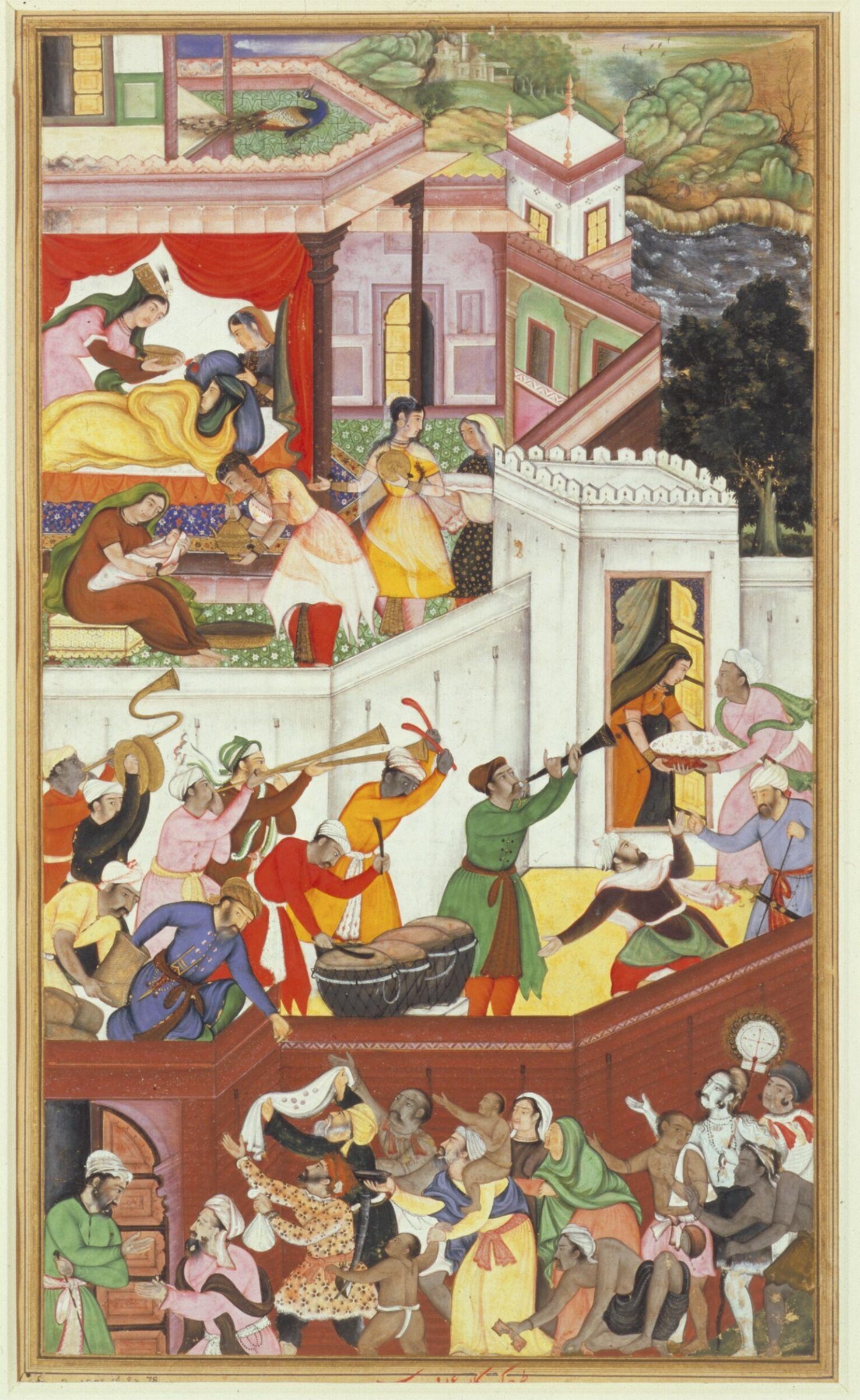
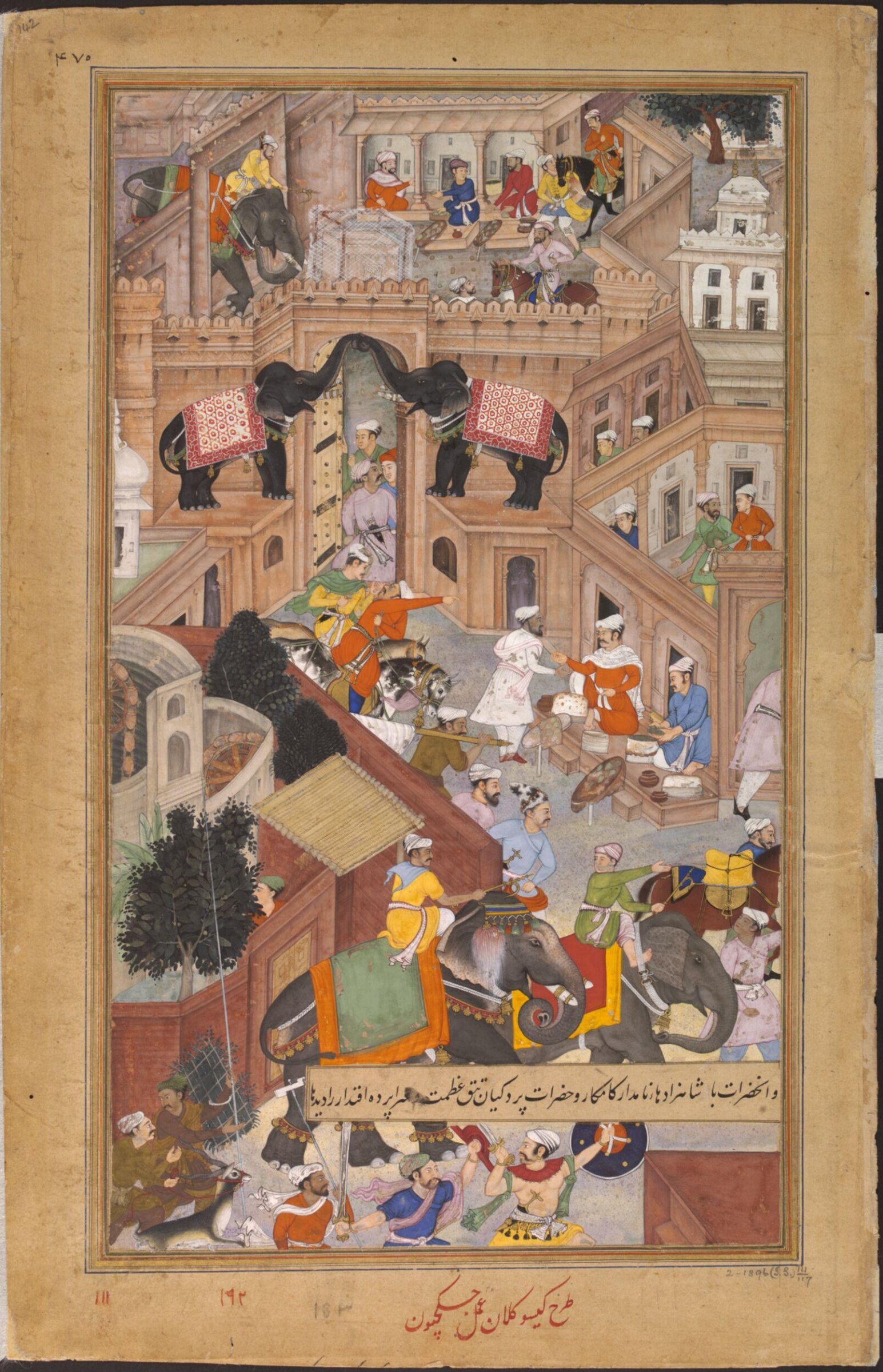
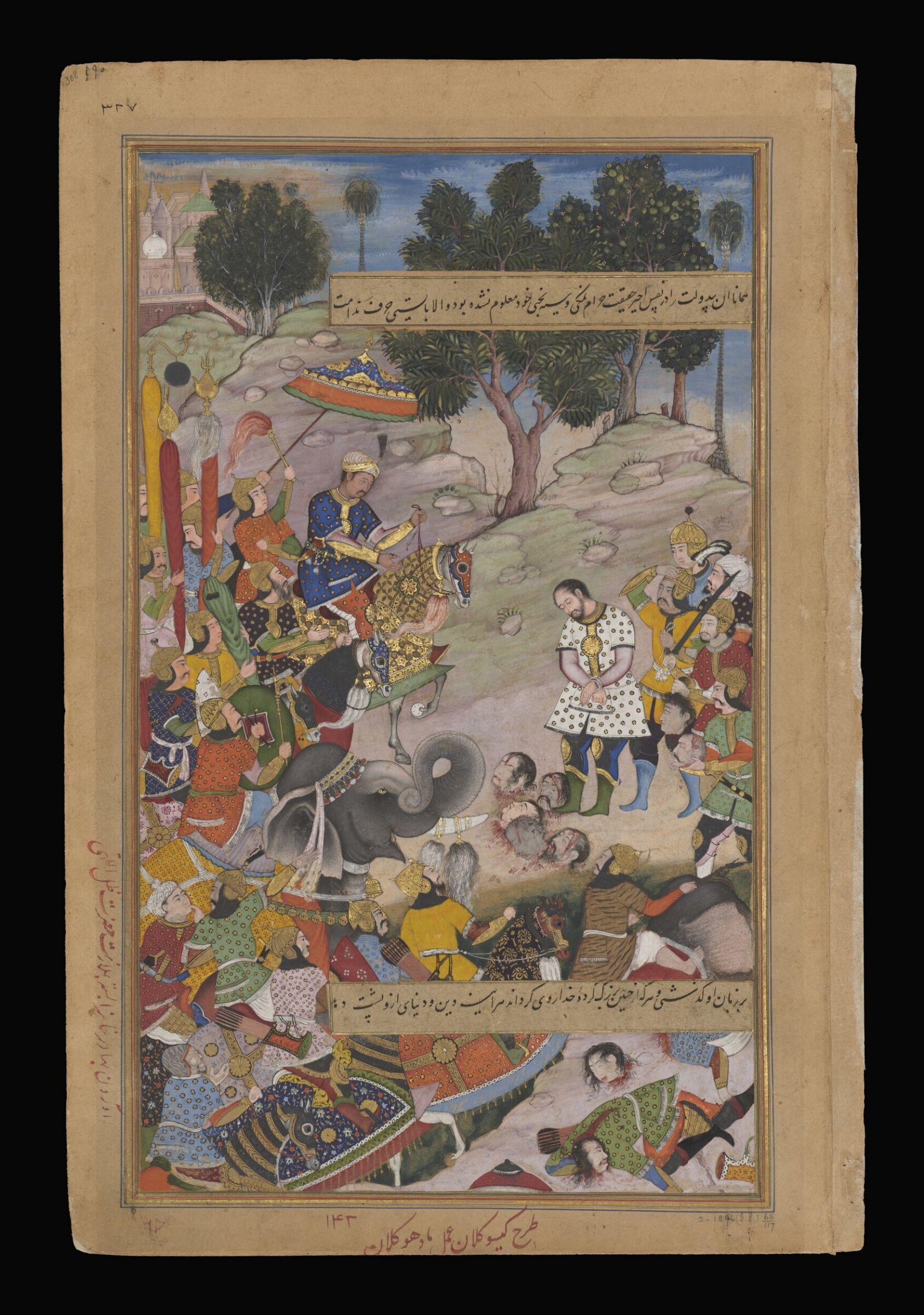
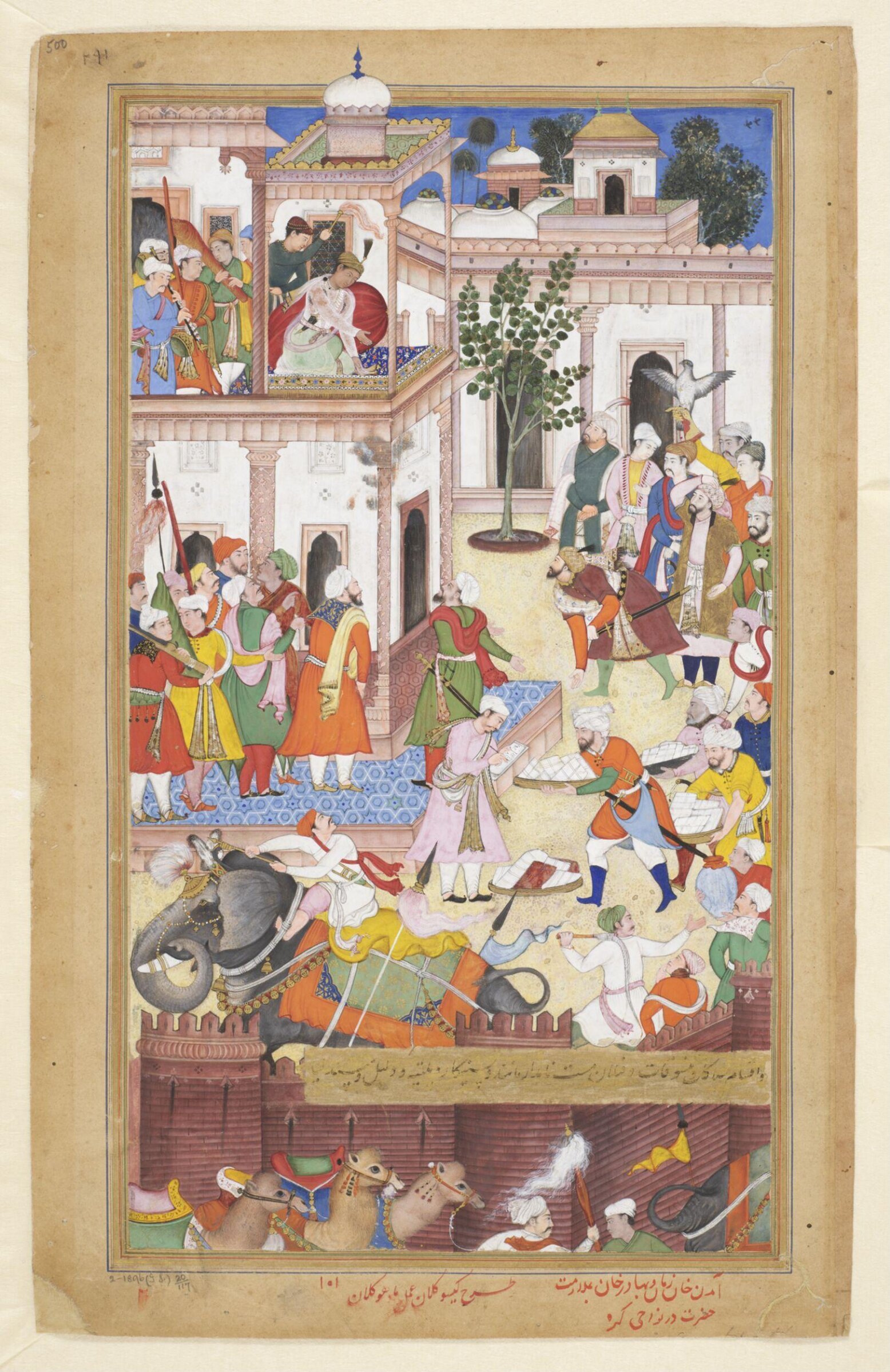
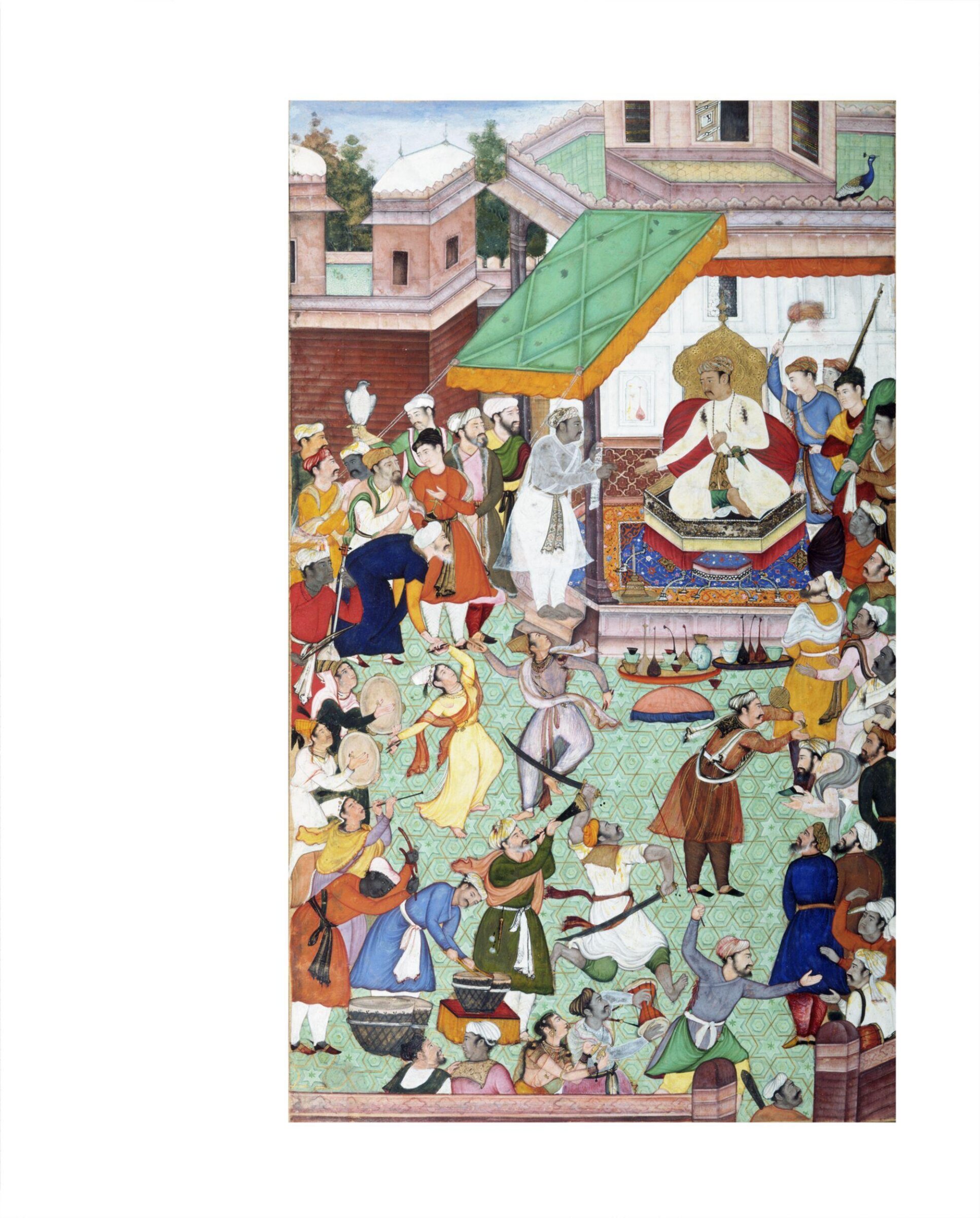
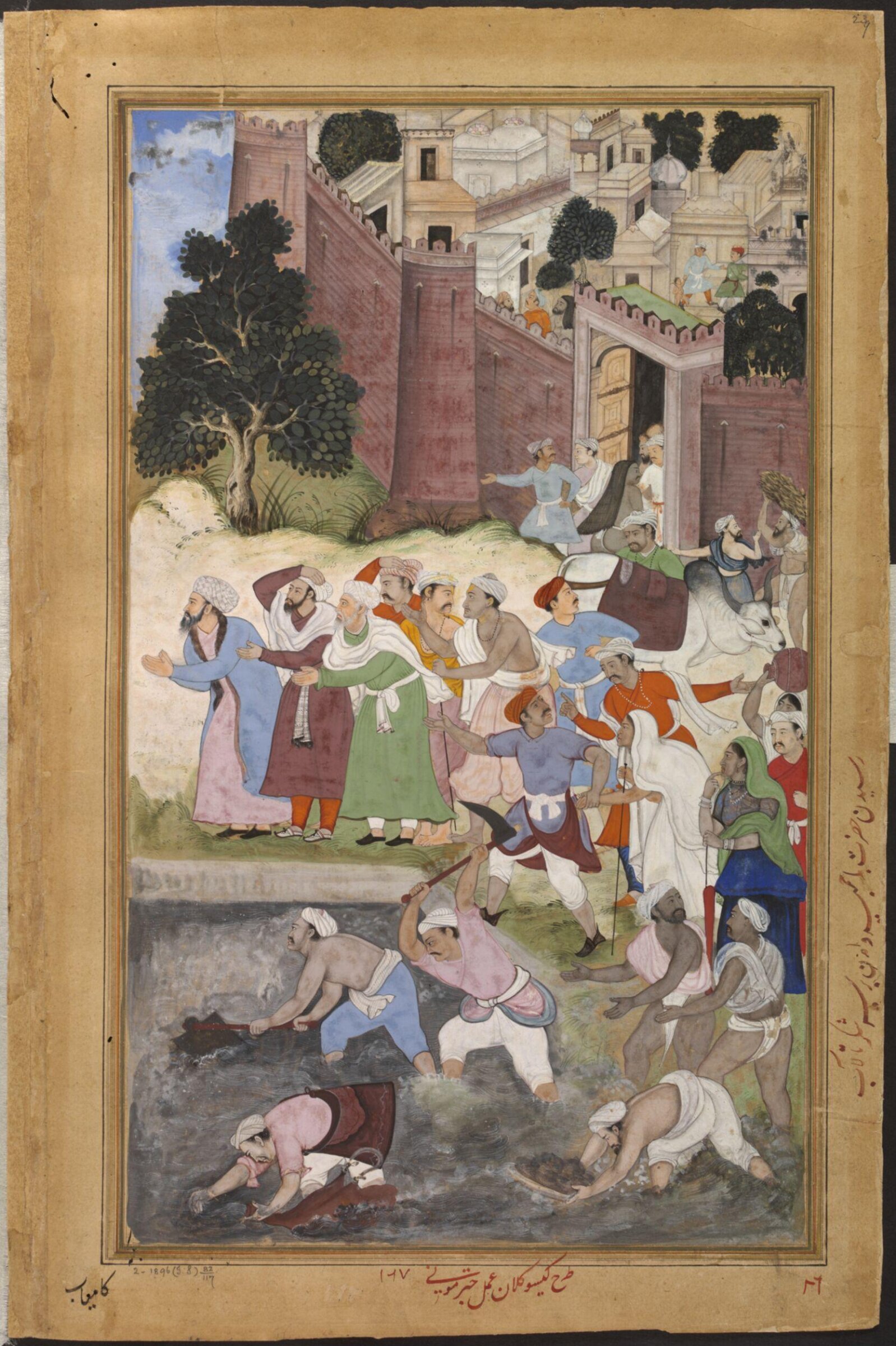
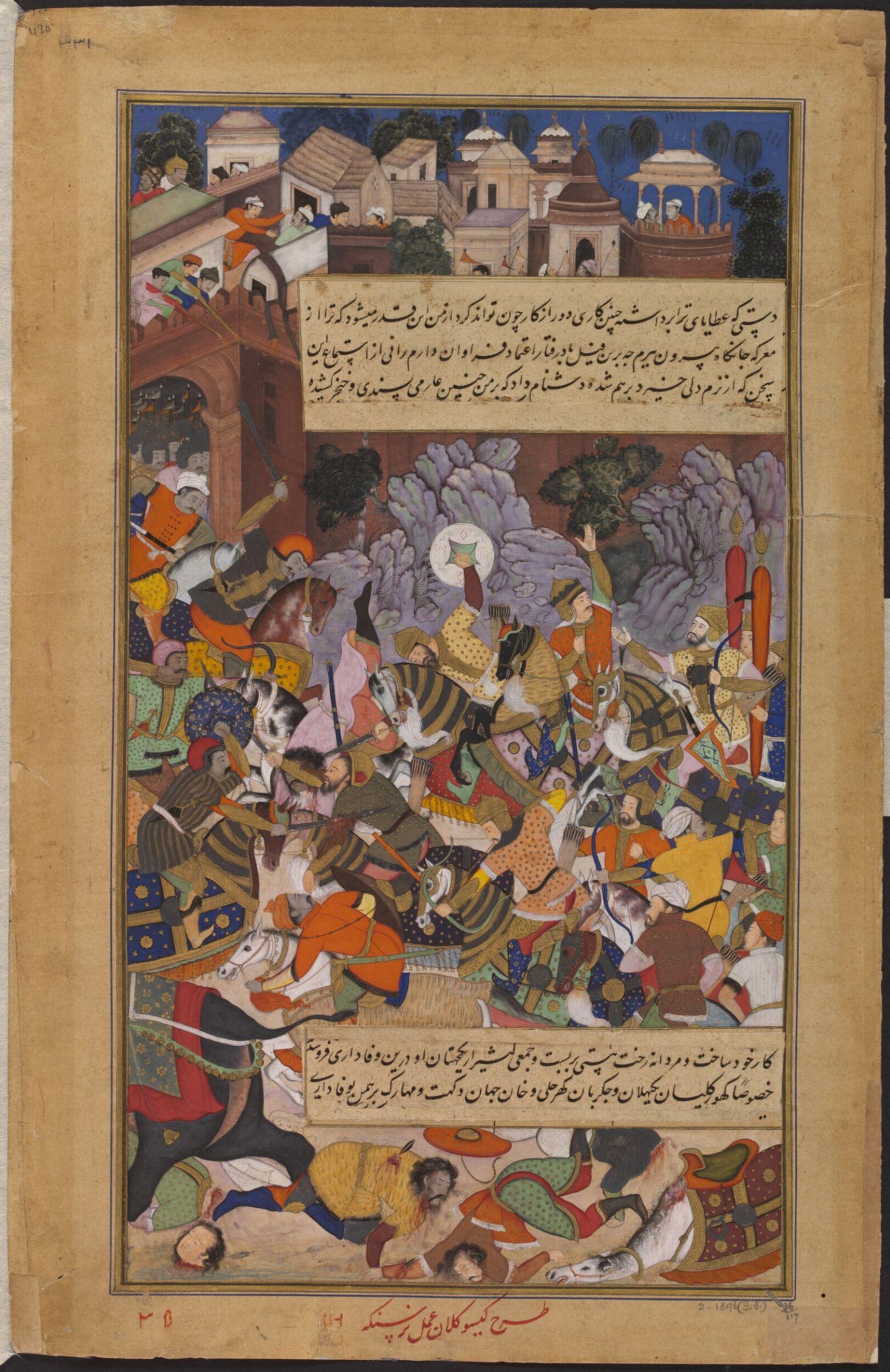
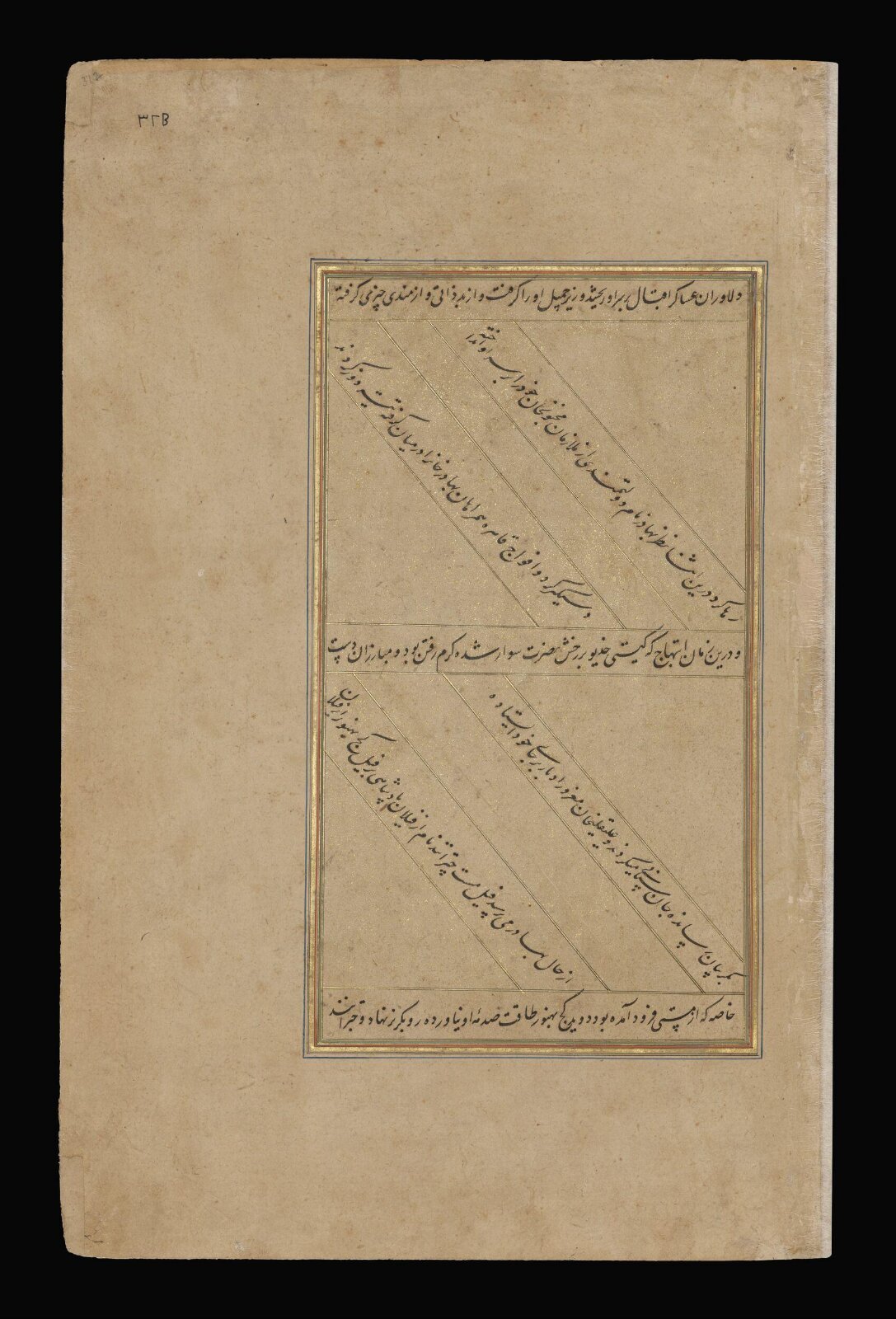
This painting by the Mughal court artists Kesav Kalan and Chetar Muni is an illustration to the Akbarnama (Book of Akbar). It is on the same opening as Museum no. IS.2:115-1896 but the two compositions are independent. This painting depicts the discovery in 1567 of the decapitated head of the rebel Khan Zaman. He was repeatedly disloyal to the Mughal emperor Akbar (r.1556–1605) and a reward was offered to anyone who brought his head to the emperor. Eventually, Khan Zaman’s head was found lying under a tree, as shown here.
Читать дальше
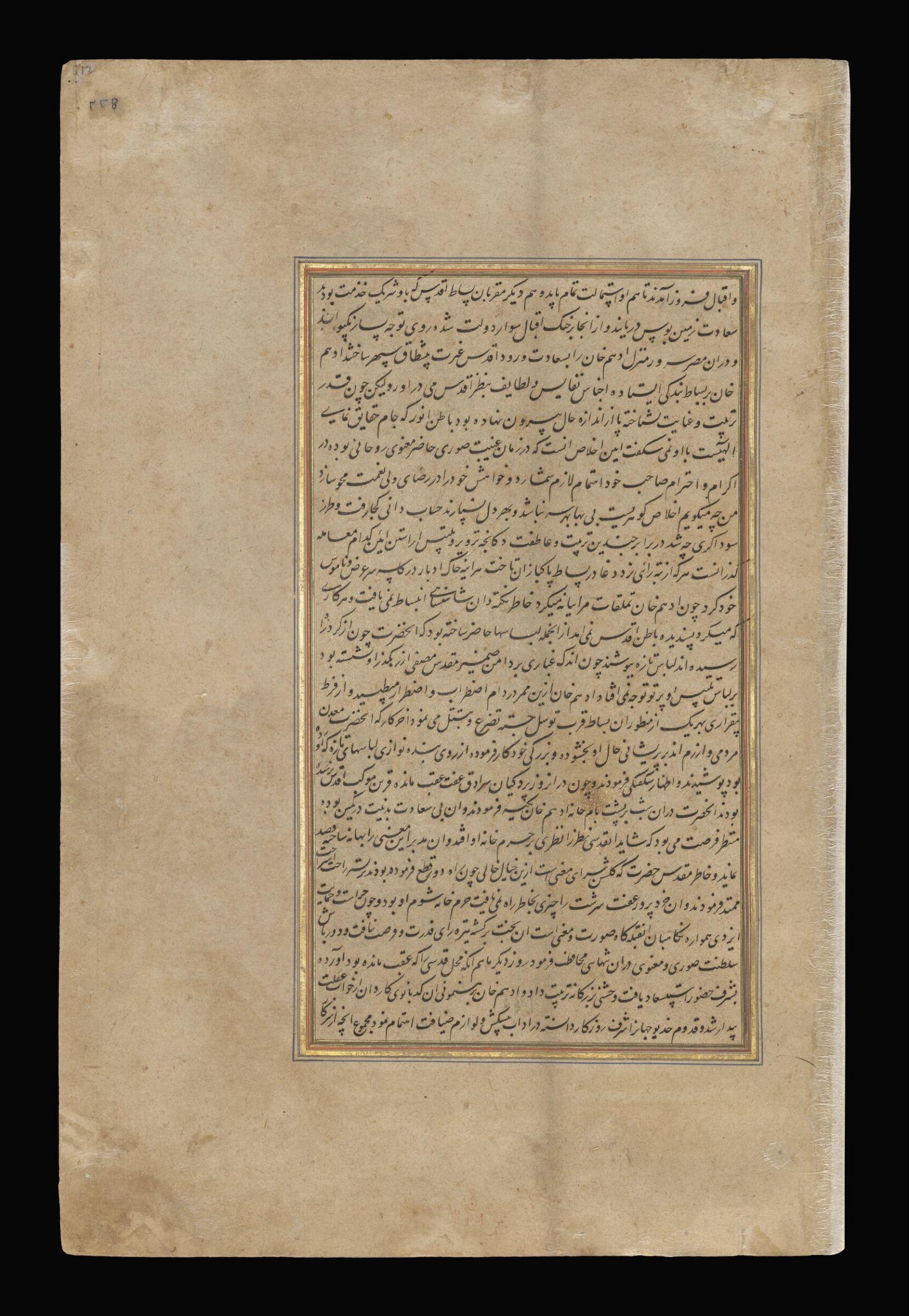
The Akbarnama was commissioned by Akbar as the official chronicle of his reign. It was written in Persian by his court historian and biographer, Abu’l Fazl, between 1590 and 1596, and the V&A’s partial copy of the manuscript is thought to have been illustrated between about 1592 and 1595. This is thought to be the earliest illustrated version of the text, and drew upon the expertise of some of the best royal artists of the time. After Akbar’s death, the manuscript remained in the library of his son Jahangir, from whom it was inherited by Shah Jahan.
The V&A purchased the manuscript in 1896 from Frances Clarke, the widow of Major General John Clarke, who bought it in India while serving as Commissioner of Oudh between 1858 and 1862.
Музей Виктории и Альберта
Сведения
- Инвентарный номер
- IS.2:63-1896
В каталоге
Источники
- Музей Виктории и Альберта
- Изображение: Музей Виктории и Альберта — © Музей Виктории и Альберта