Georges BraqueФранция, 1882–1963
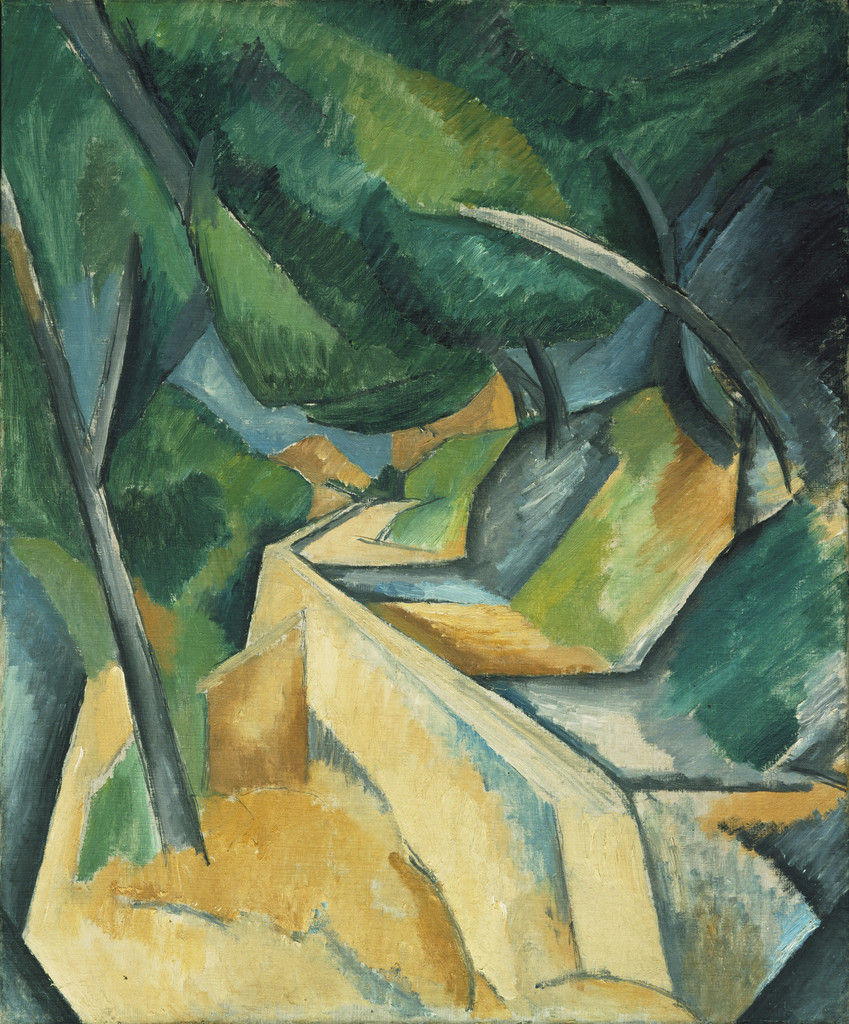
Landscape at L'Estaque
Можно ли лицезреть?
Сейчас не принимает

Чикагский институт искусств
Чикаго, США
Числится в собрании, но в залах её сейчас нет.
- Проверено
- В этом положении с
- Источник
- Музей
О картине
Словами музея — на английском
Born into a family of decorative and house painters, Georges Braque once remarked that his decision to become a painter was no more premeditated than his choosing to breathe. After apprenticing in his father’s shop and studying at an art school in his hometown of Le Havre, he went to Paris. In 1905, at the annual Salon d’Automne, he was confronted by the arresting paintings of Henri Matisse and others who had begun to employ vibrant, unmixed colors and energetic, rhythmic brushwork. The unbridled intensity of these works prompted a disapproving critic to call the artists "fauves" (wild beasts). Braque quickly joined the group.
Читать дальше
Braque painted Landscape at L’Estaque on his first trip to this town on the French Mediterranean coast. He and other young artists were drawn to Provence, in southeastern France, because of its clear light and because of their reverence for the art of Paul Cézanne, who worked in and around the area until his death in 1906. Braque drew upon Cézanne’s use of faceted brushwork, distorted perspectives, and color to structure his compositions for this view down a steep, tree-lined road. Using a palette of highly saturated reds, oranges, and yellows, Braque evoked a sense of turbulent heat, despite the shade provided by the trees. Cézanne’s influence continued to exert itself over Braque in other, critical ways: in early 1908, he would join Pablo Picasso in the development of a revolutionary new style based on the formal construction that constitutes the core of Cézanne’s vision. That style would come to be known as Cubism.
—Entry, Master Paintings in the Art Institute of Chicago, 2013, p.102.
Чикагский институт искусствCC BY 4.0
Сведения
- Инвентарный номер
- 1981.65
В каталоге
Источники
- Чикагский институт искусств
- Изображение: Чикагский институт искусств — © автор или правообладатель
А тем временем в жизни художника
Вся жизнь целиком1903–1904
Академия Эмбера: знакомство с Лорансен и Пикабиа
Получив свидетельство декоратора, на следующий год Брак поступил в парижскую Академию Эмбера и писал там до 1904 года; здесь он познакомился с Мари Лорансен и Франсисом Пикабиа.
1905
Обращение в фовизм
Ранние работы Брака были импрессионистскими, но, увидев в 1905 году выставку фовистов — Матисса, Дерена и других, — он перенял их яркий цвет. Ближе всего он работал с земляками-гаврцами Раулем Дюфи и Отоном Фризом, выработав более сдержанный вариант фовизма.
1906
С Отоном Фризом в Эстак и Антверпен
В 1906 году Брак вместе с Фризом ездил писать в Эстак, в Антверпен и домой в Гавр. Тогда же появился «Морской пейзаж. Эстак», ныне хранящийся в Музее Тиссен-Борнемиса в Мадриде.
май 1907
Успех в Салоне независимых
В мае 1907 года Брак успешно выставил фовистские работы в Салоне независимых.
октябрь – ноябрь 1907
Знакомство с Пабло Пикассо
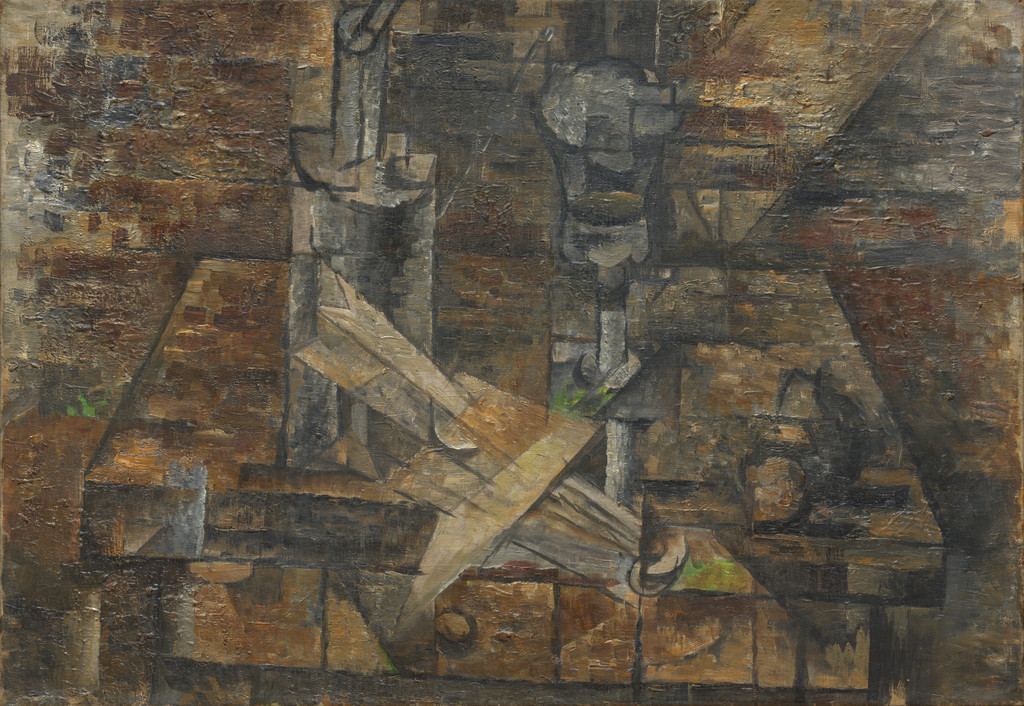
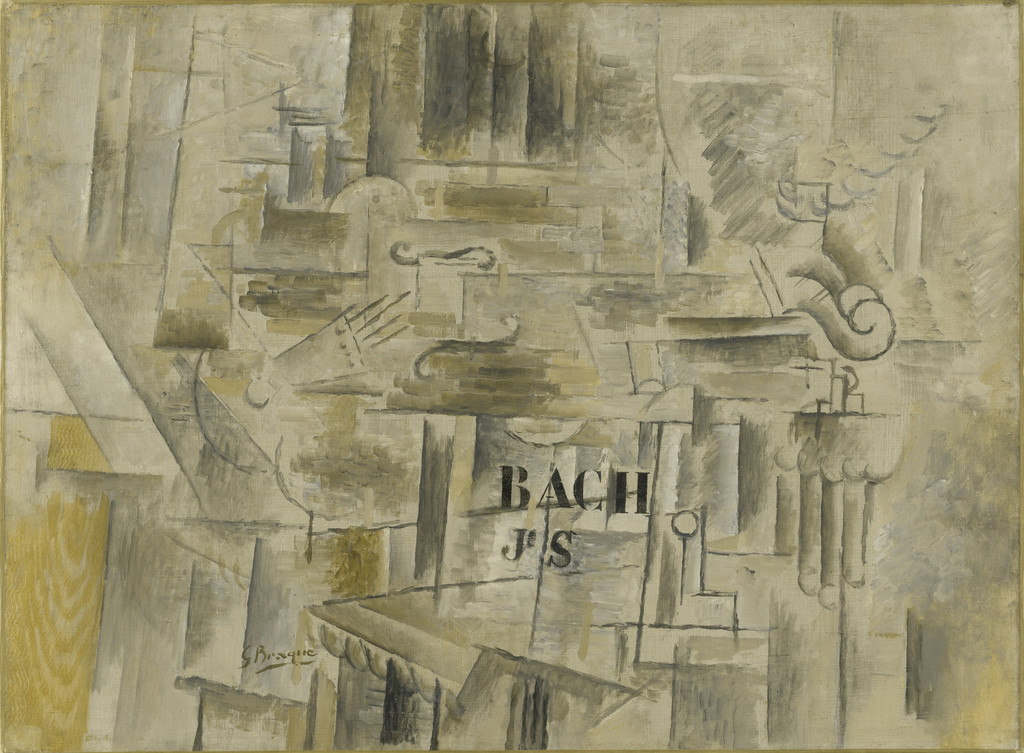
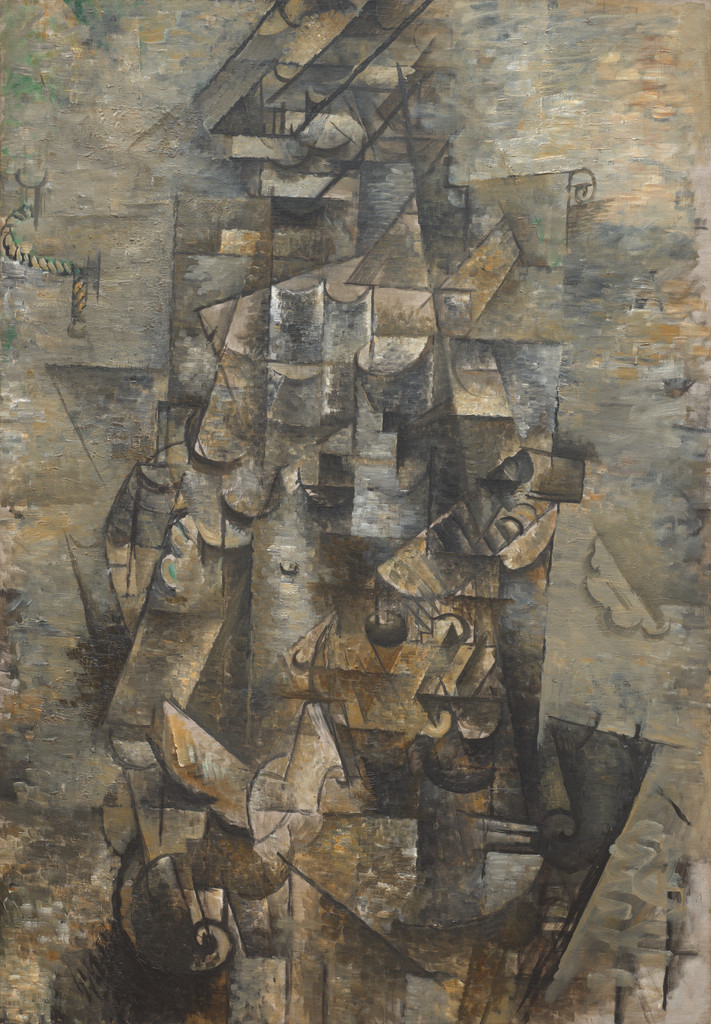
Осенью 1907 года Брак побывал в мастерской Пикассо и после встречи резко изменил манеру, стремясь к лаконизму и геометризации предметов (по другой оценке, встреча скорее ускорила и усилила его следование идеям Сезанна).
14 ноября 1908
Выставка у Канвейлера и «кубы» Вокселя
В рецензии на выставку Брака в галерее Канвейлера критик Луи Воксель назвал его смельчаком, презирающим форму и сводящим всё — места, фигуры, дома — «к геометрическим схемам, к кубам».