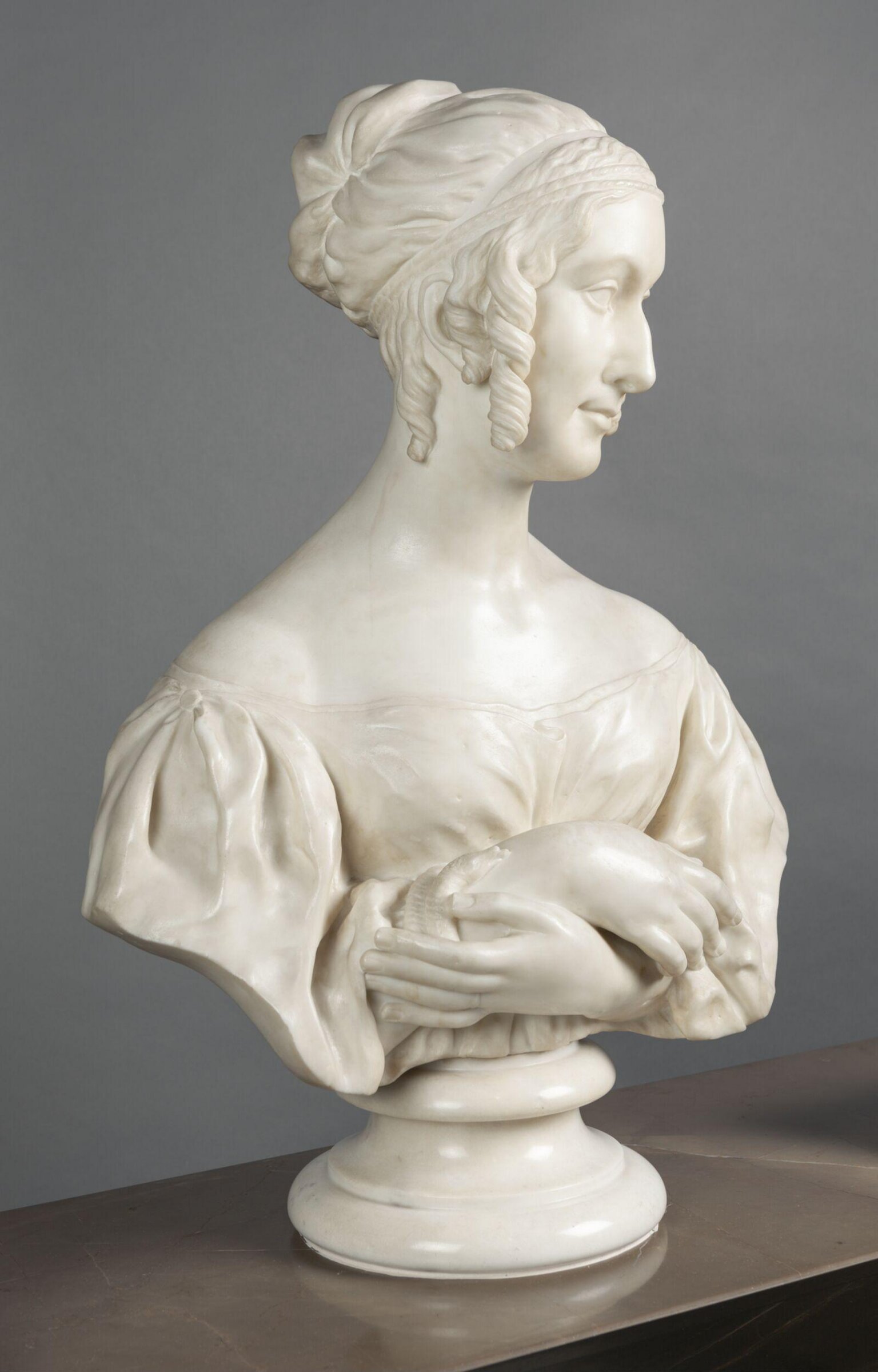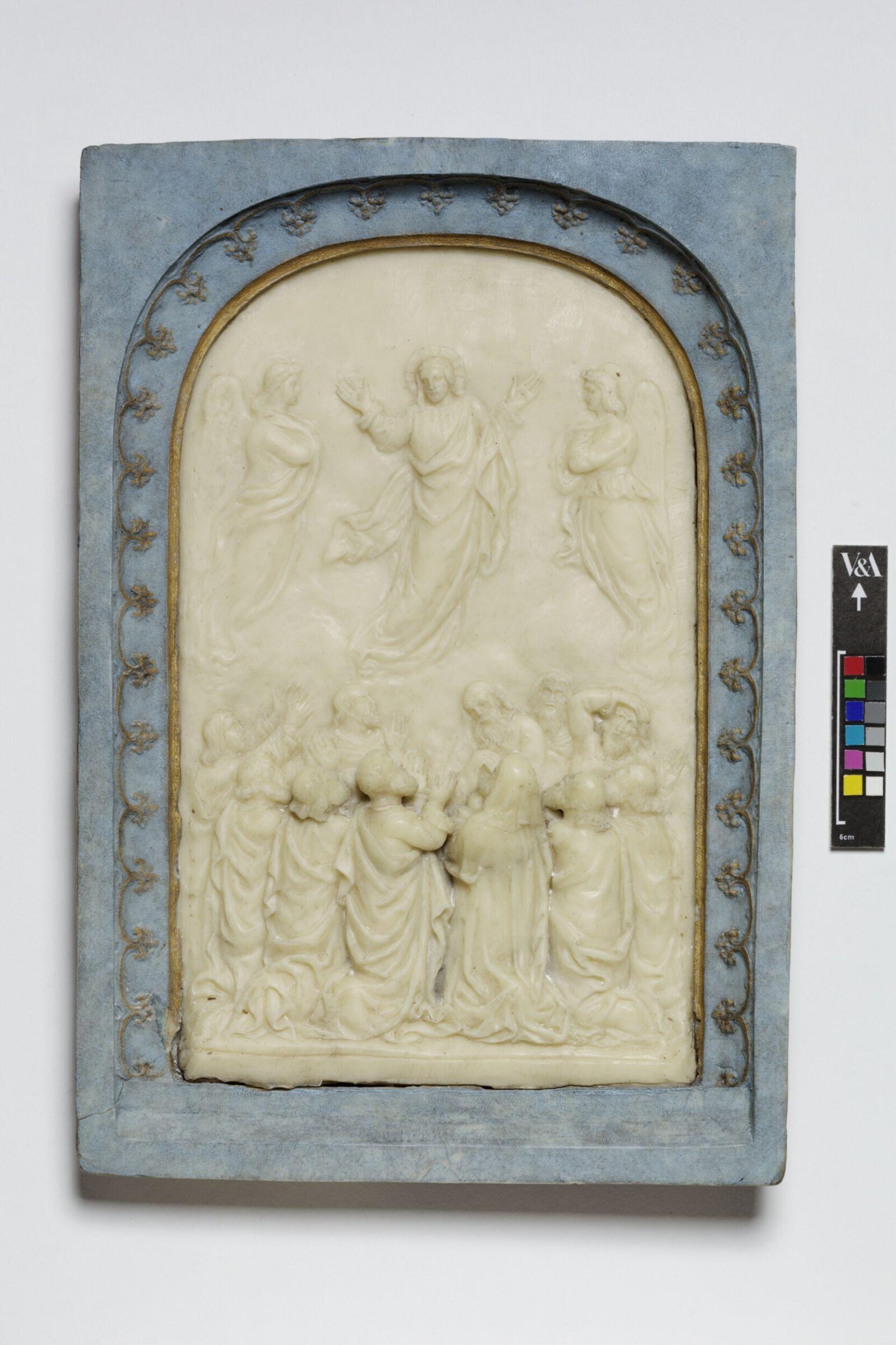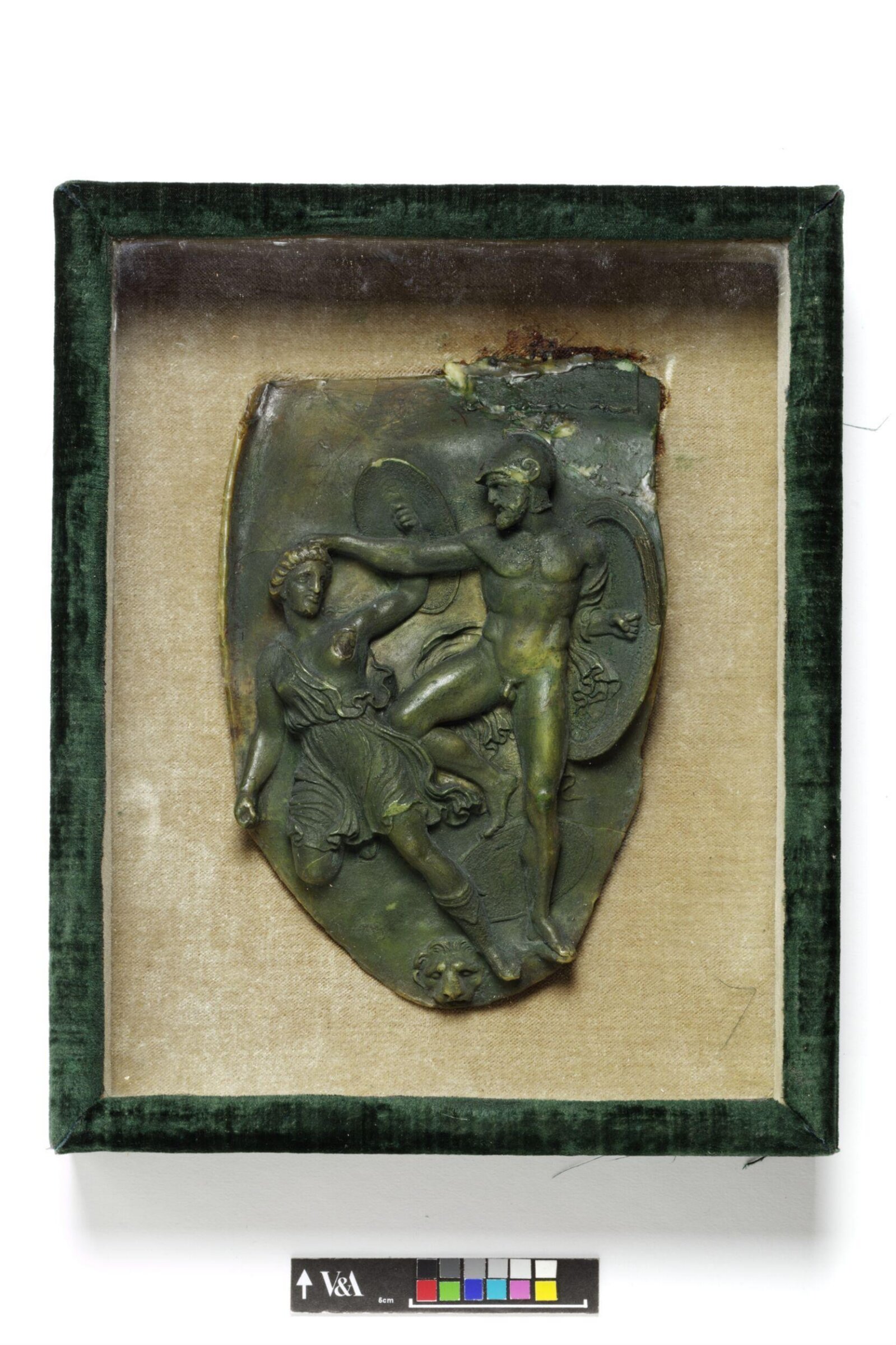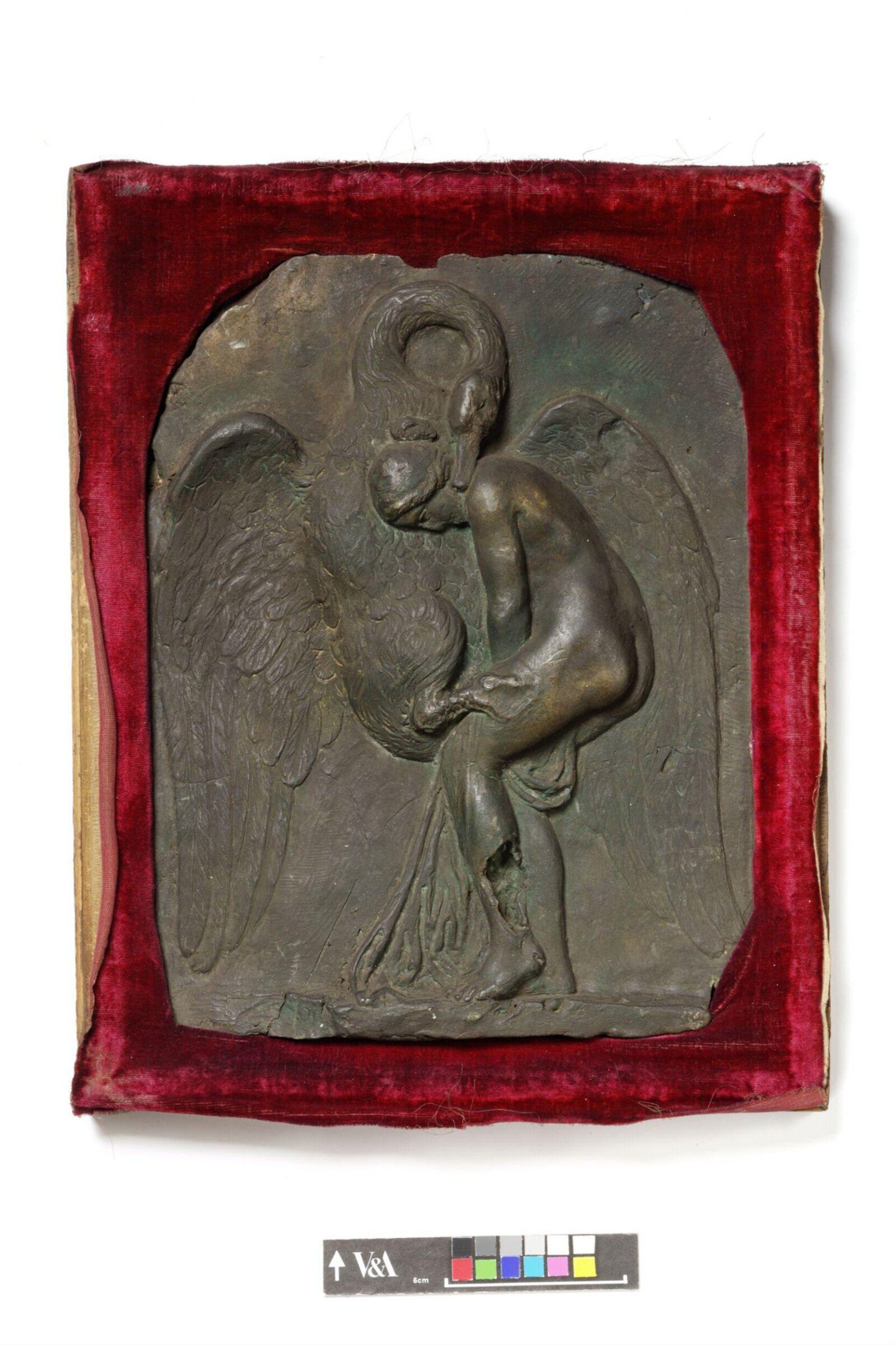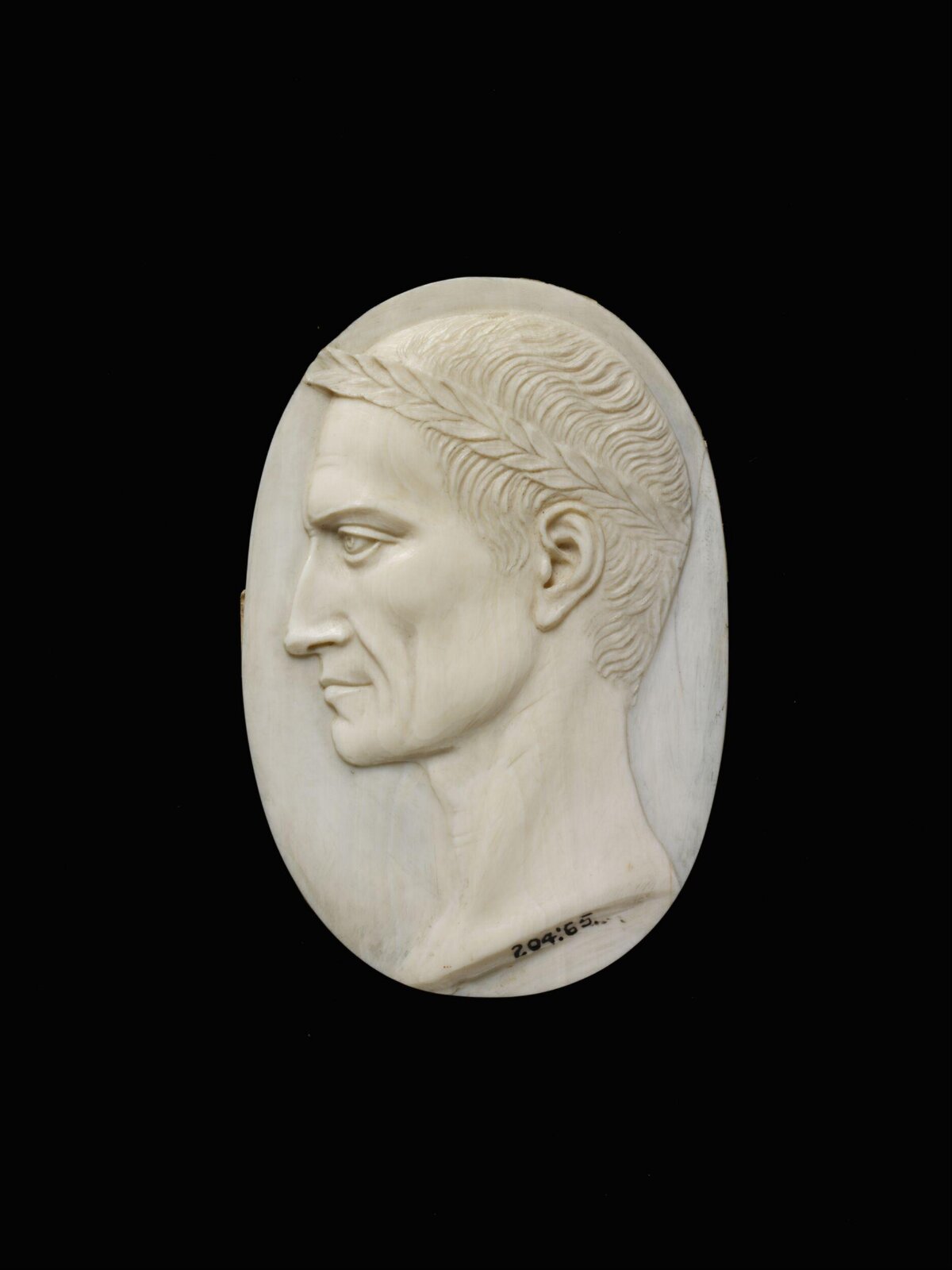
 Richard Cockle LucasВеликобритания, 1800–1883
Julius Caesar
Можно ли лицезреть?
Сейчас не принимает

Лондон, Великобритания
Числится в собрании, но в залах её сейчас нет.
- Проверено
- В этом положении с
- Источник
- Музей
О скульптуре
Словами музея — на английском
This is an ivory plaque made by Richard Cockle Lucas in ca. 1840-65 in Britain. The plaque is carved in low relief and represents Julius Caesar facing left.
Читать дальше
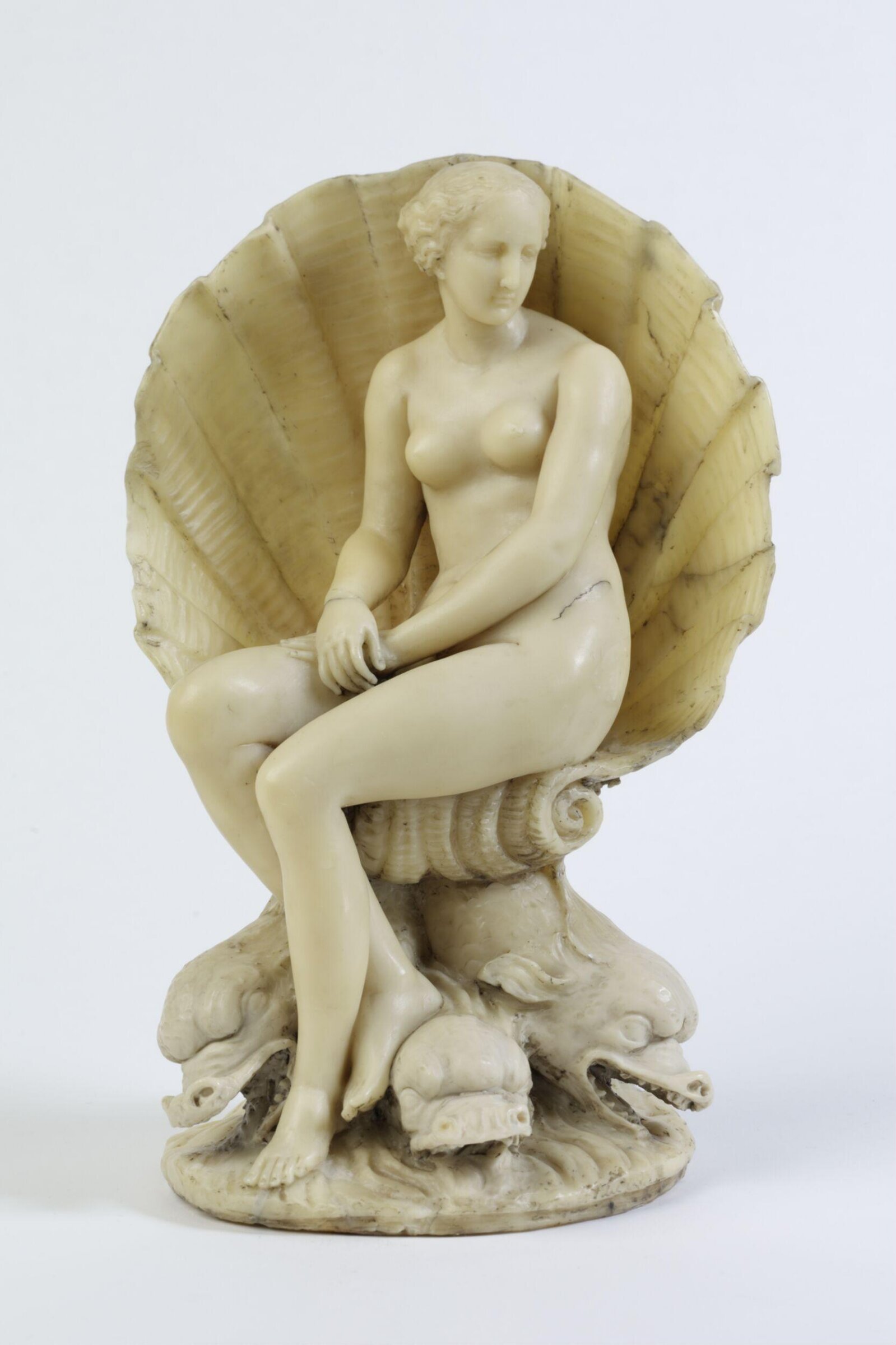
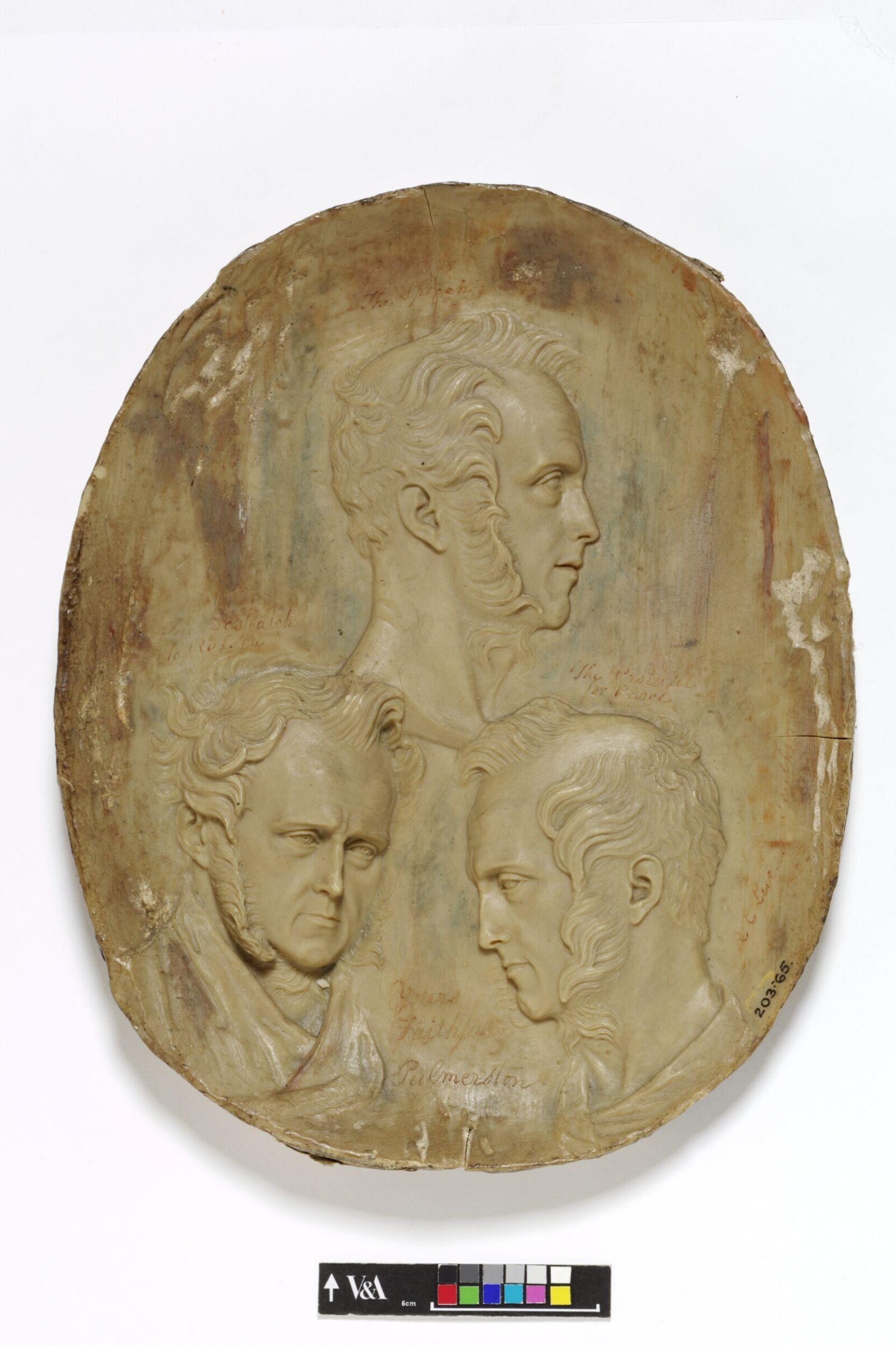
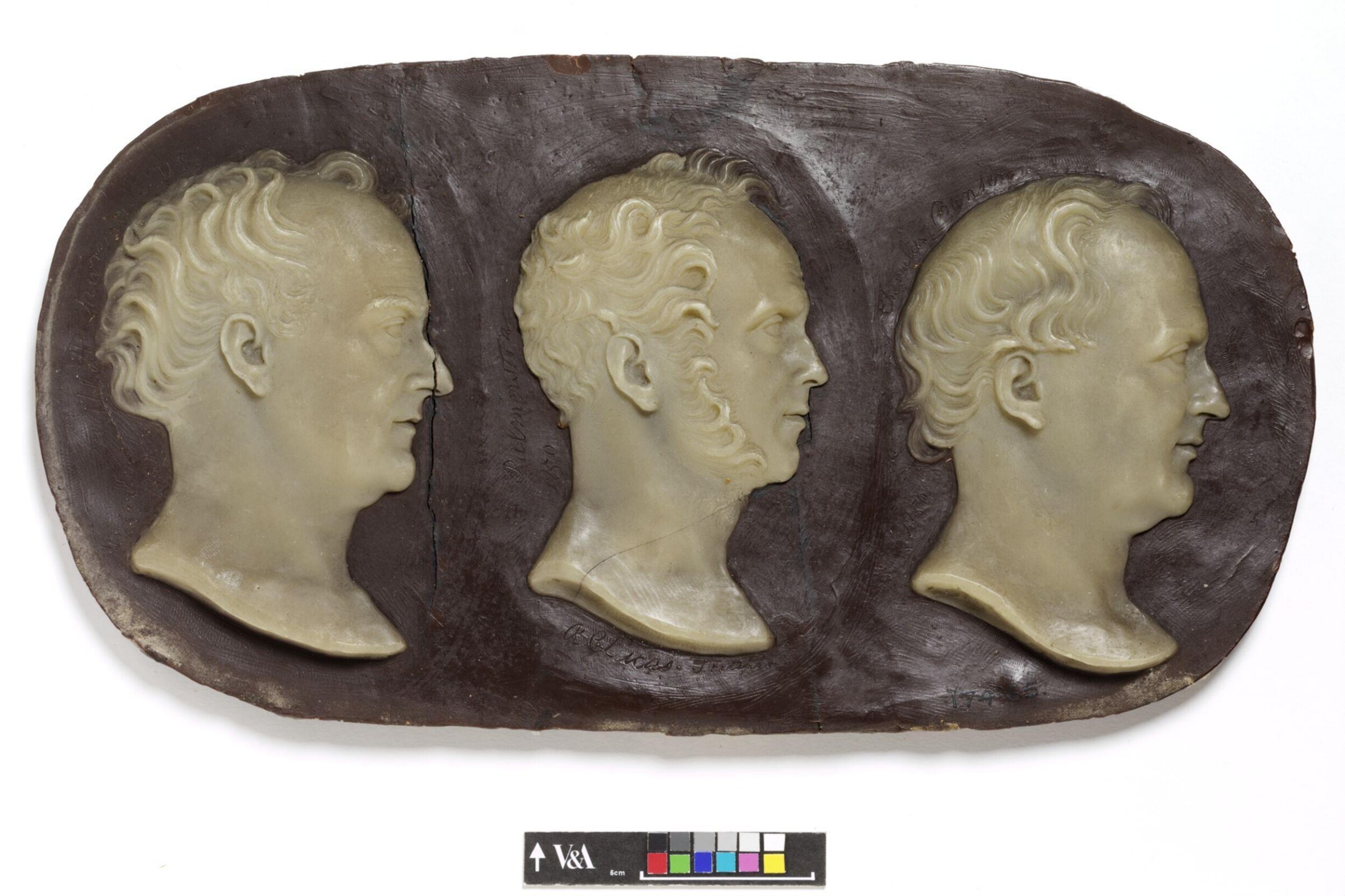
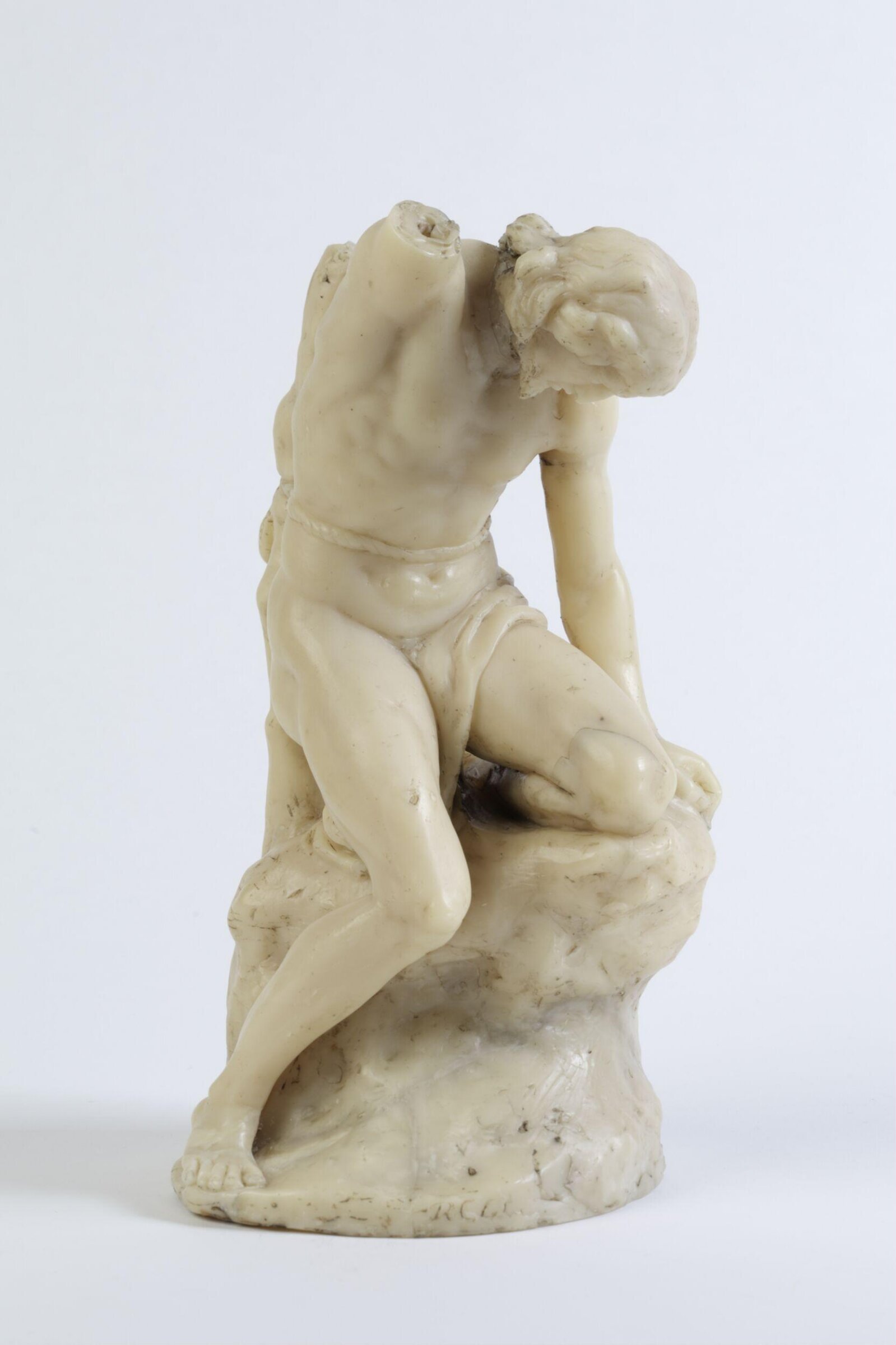
Richard Cockle Lucas (1800-1883) is mainly known as a sculptor in wax and ivory, but he also worked in glass, marble and bronze, as well as being a painter. Lucas began his career as a sculptor as an apprentice to his uncle, who worked as a cutler in Winchester, carving knife handles. He joined the Royal Academy Schools in 1828 and studied under Richard Westmacott. Lucas made two models of the Parthenon, in its original state and after the explosion of 1687, which were acquired by the British Museum. He is best known for his small scale works including wax sculptures and ivory carvings. Lucas was at the centre of a controversy about the bust of Flora in the Kaiser Friedrich Museum in Berlin. The bust was thought to be an authentic work by Leonardo da Vinci but the sculptor's son Albert Dürer Lucas claimed in the Burlington Magazine that the bust was modelled by his father.
It is now generally thought that the bust is probably by Leonardo or his circle but was repaired by Lucas. He exhibited at the Royal Academy between 1829 and 1859 and showed ivory carvings and imitation bronzes at the Great Exhibition in 1851.
Музей Виктории и Альберта
Сведения
- Инвентарный номер
- 204-1865
В каталоге
Источники
- Музей Виктории и Альберта
- Изображение: Музей Виктории и Альберта — © Музей Виктории и Альберта