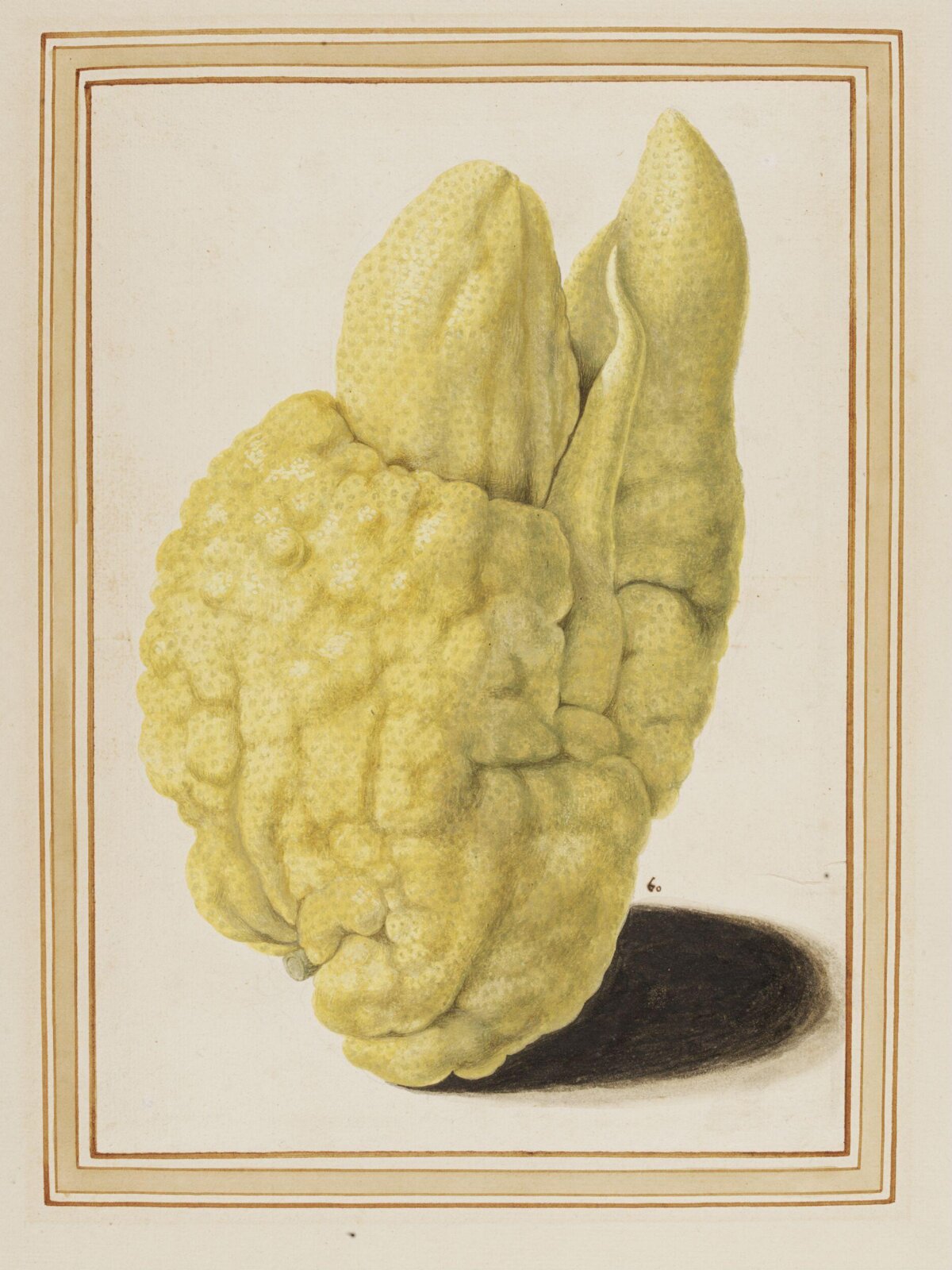
Vincenzo Leonardi
Citron
Можно ли лицезреть?
Сейчас не принимает

Музей Виктории и Альберта
Лондон, Великобритания
Числится в собрании, но в залах её сейчас нет.
- Проверено
- В этом положении с
- Источник
- Музей
О работе
Словами музея — на английском
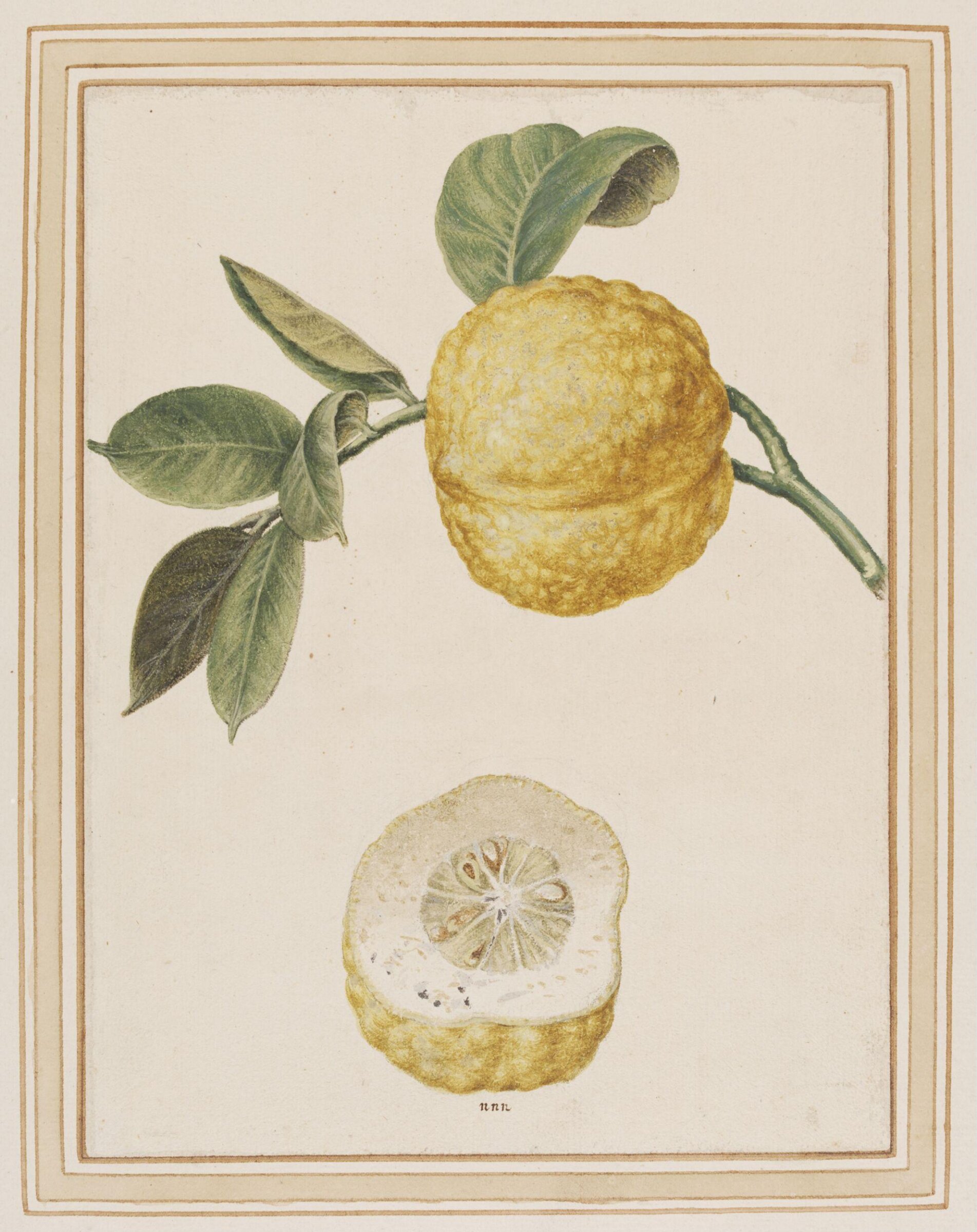
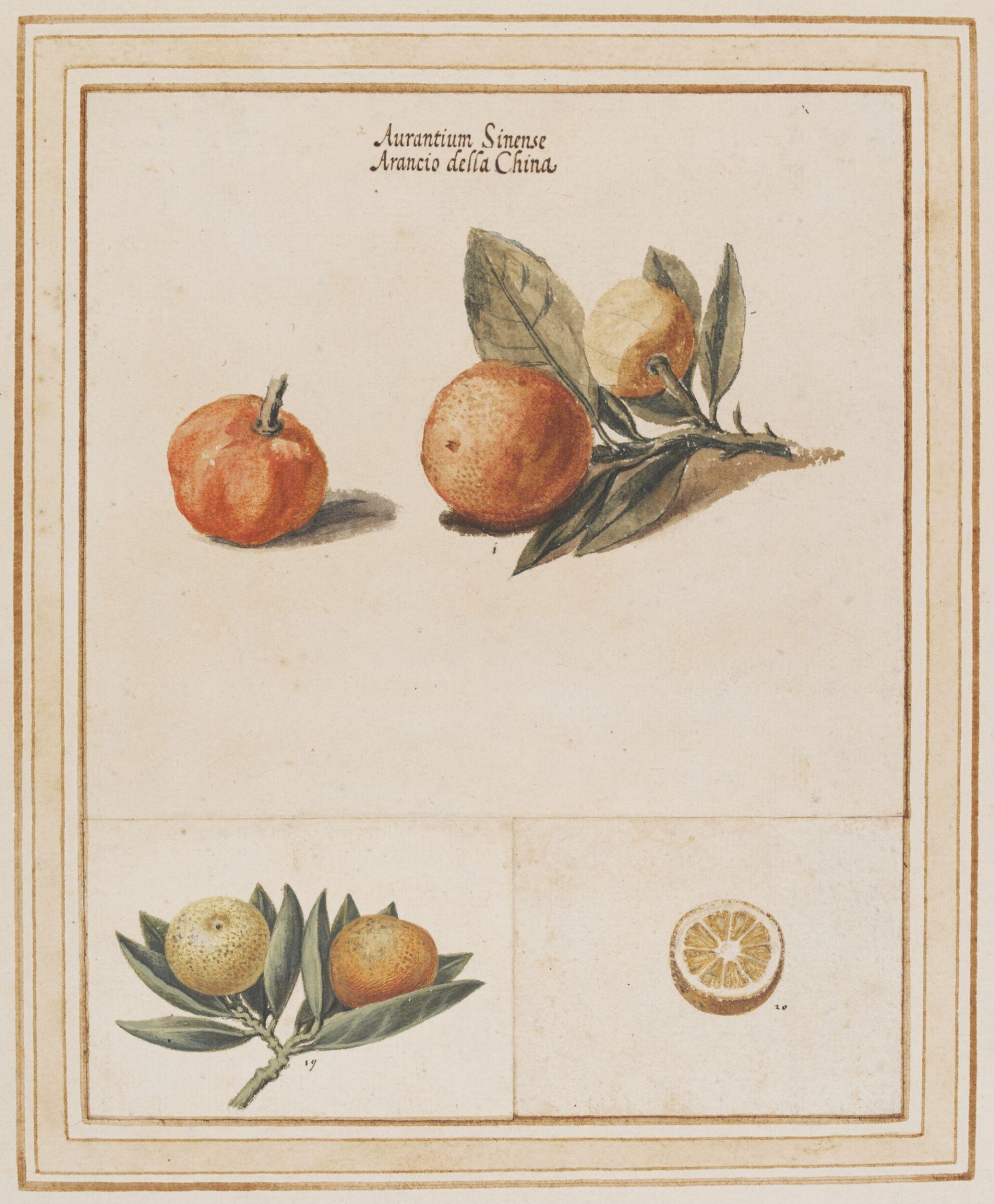
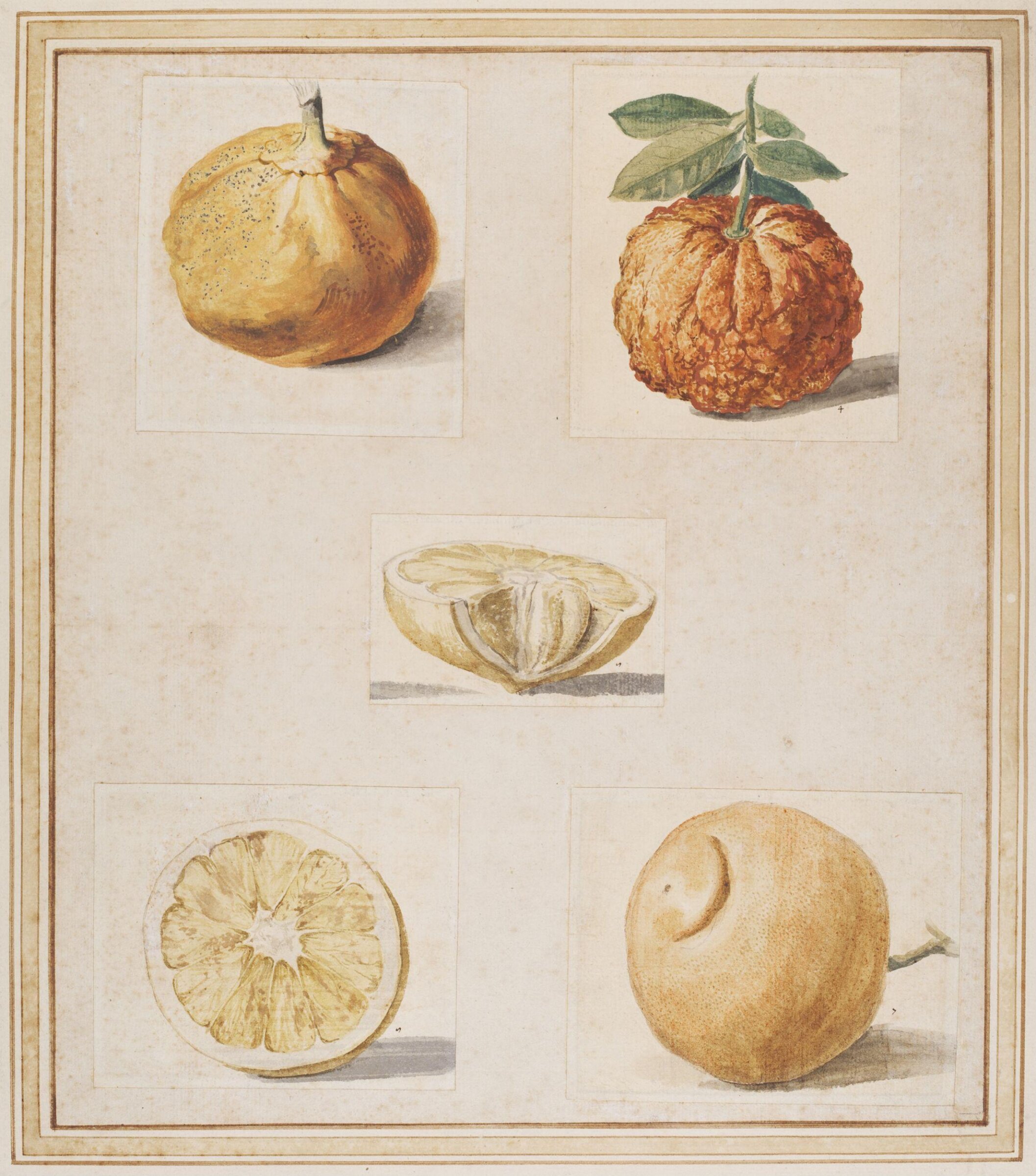
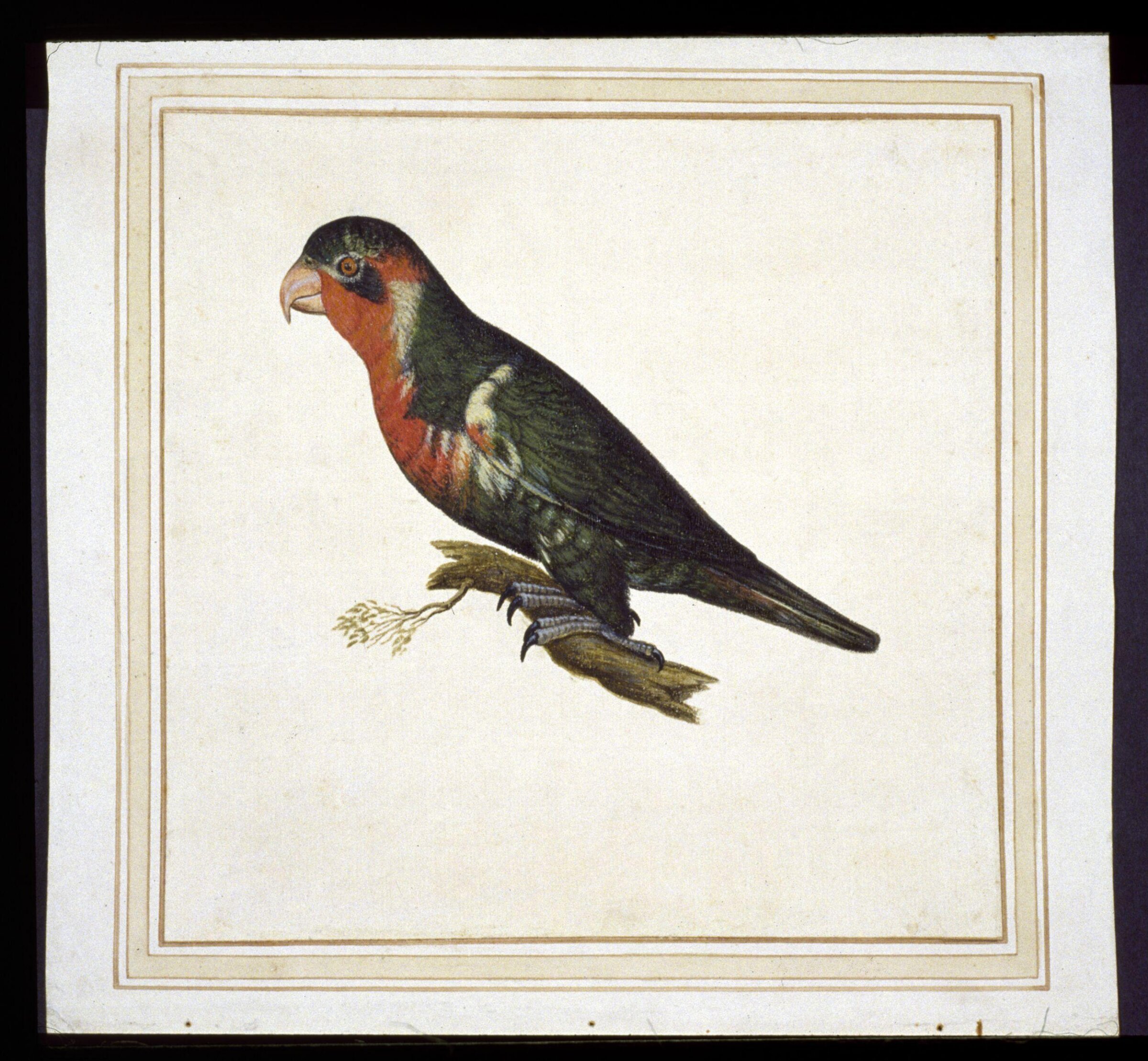
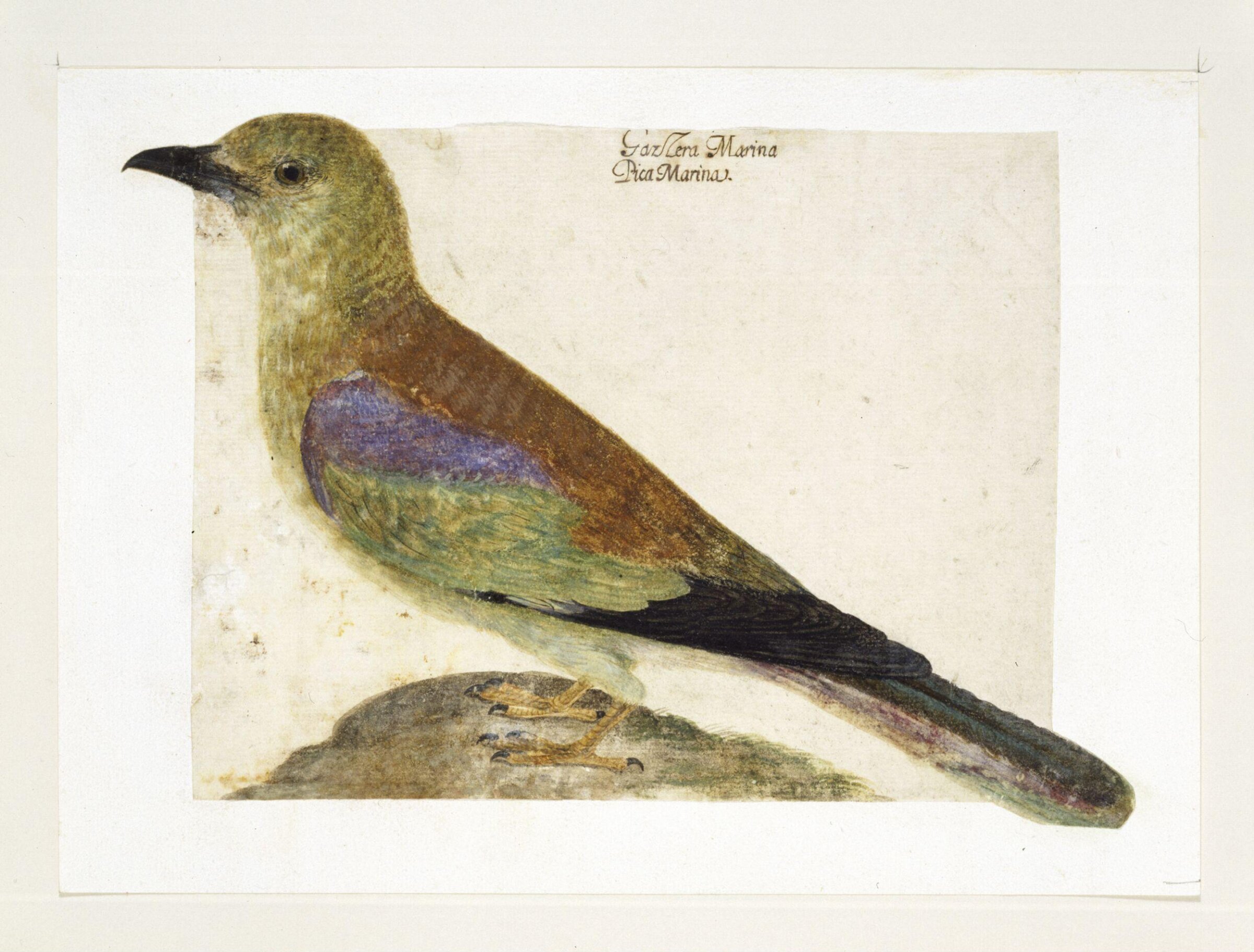
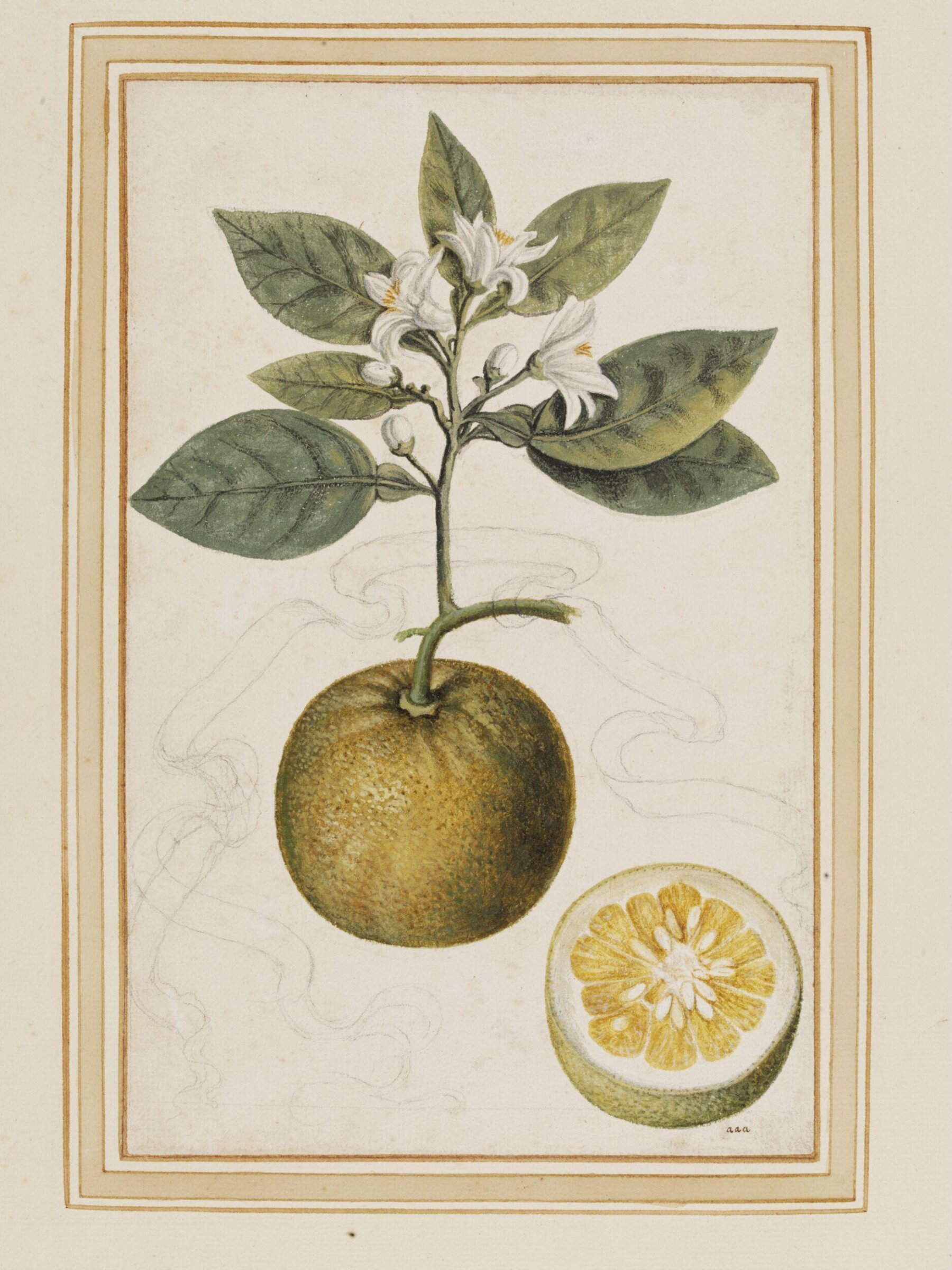
This watercolour is part of the 'Paper Museum' assembled by the 17th-century Roman antiquarian and collector Cassiano dal Pozzo (1588-1657). This was a vast visual encyclopaedia of the ancient and natural worlds, consisting of thousands of drawings and prints. Of roughly 7000 surviving drawings from the Paper Museum, around 2500 are of natural history subjects, including fruit and plants.
Cassiano was a member of Europe's first modern scientific academy, the prestigious Accademia dei Lincei, established in Rome in 1603 - half a century before either the Royal Society in London or the Académie des Sciences in Paris. The Accademia, which numbered Galileo amongst its members, placed great emphasis on observation as the key to unravelling the mysteries of nature.
Читать дальше
For his Paper Museum Cassiano commissioned artists to make drawings directly from specimens; the resulting works were intended to be clear and objective scientific records. Little is known about these artists, due to the documentary bias of the visual encyclopaedia. However, many of the drawings are attributed on stylistic grounds to Vincenzo Leonardi, who was often employed by Cassiano.
Cassiano was particularly interested in abnormality, both in animals and plants, and commissioned numerous watercolours of misshapen fruits; his interest was based on the belief that a study of abnormality could result in a greater understanding of normal growth. The deformity in this citron is caused by the action of a mite on the bud of the flower. At the time, however, this was not known; one explanation of the digitated, or 'fingered', appearance of this fruit involved the tragic transformation of a mythical youth into a citrus tree.
This watercolour was used as a preparatory study for the Malum citreum digitatum seu multiformewhich was illustrated in the Hesperides, a treatise on the cultivation of citrus fruit by Giovanni Battista Ferrari, published in 1646.
Музей Виктории и Альберта
Сведения
- Инвентарный номер
- E.426-2009
В каталоге
Источники
- Музей Виктории и Альберта
- Изображение: Музей Виктории и Альберта — © Музей Виктории и Альберта