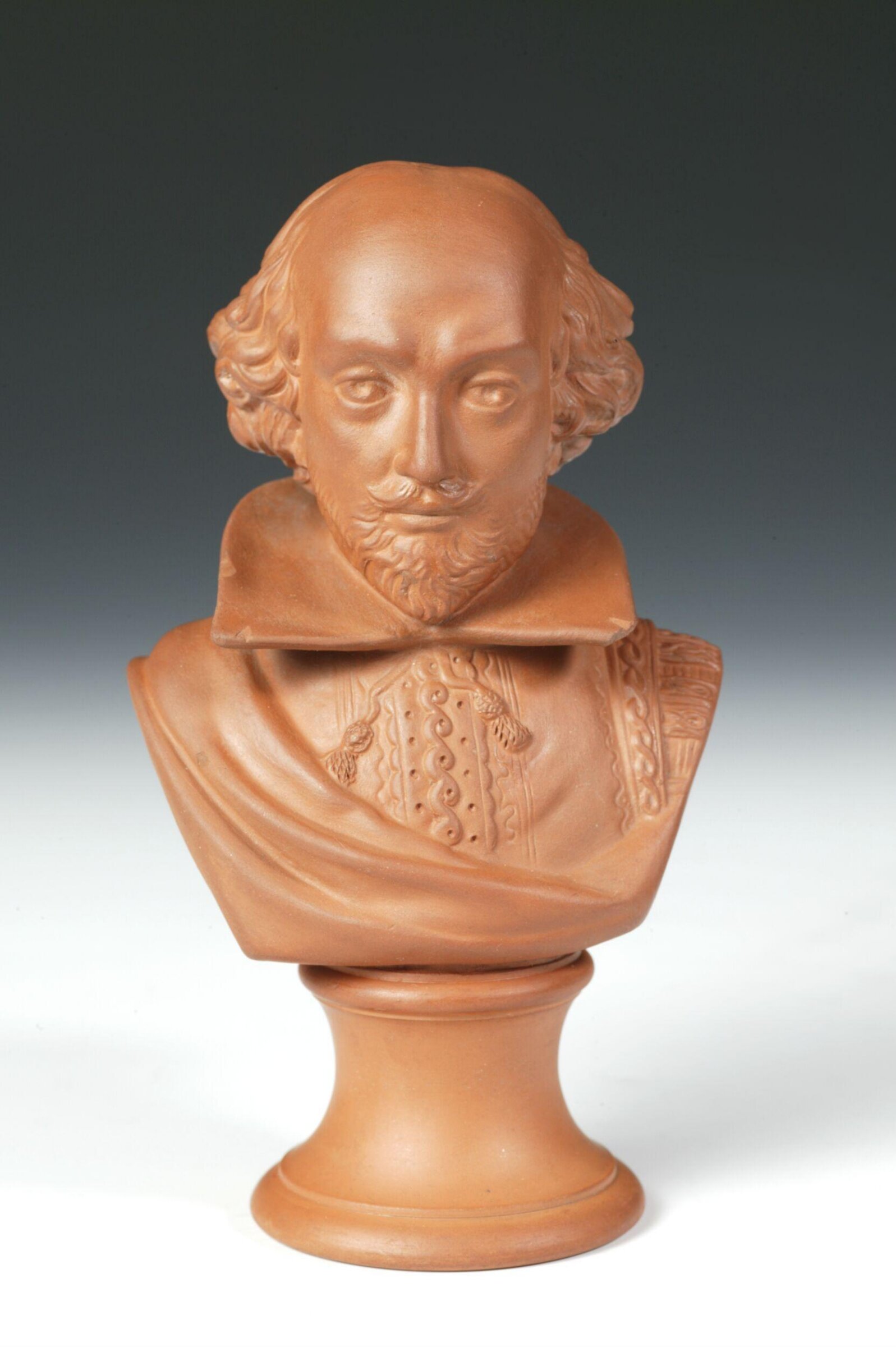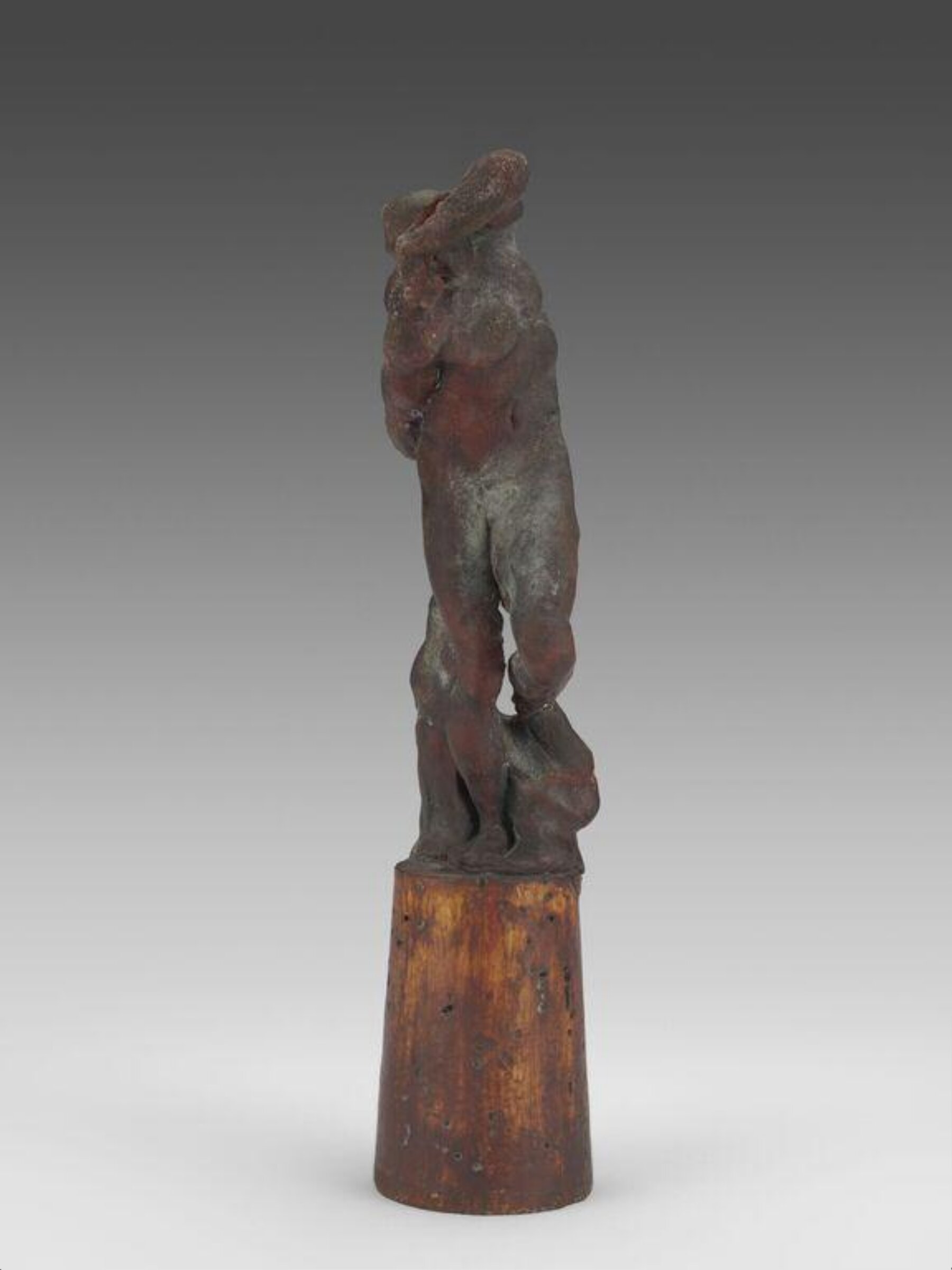
Watcombe Pottery Co.
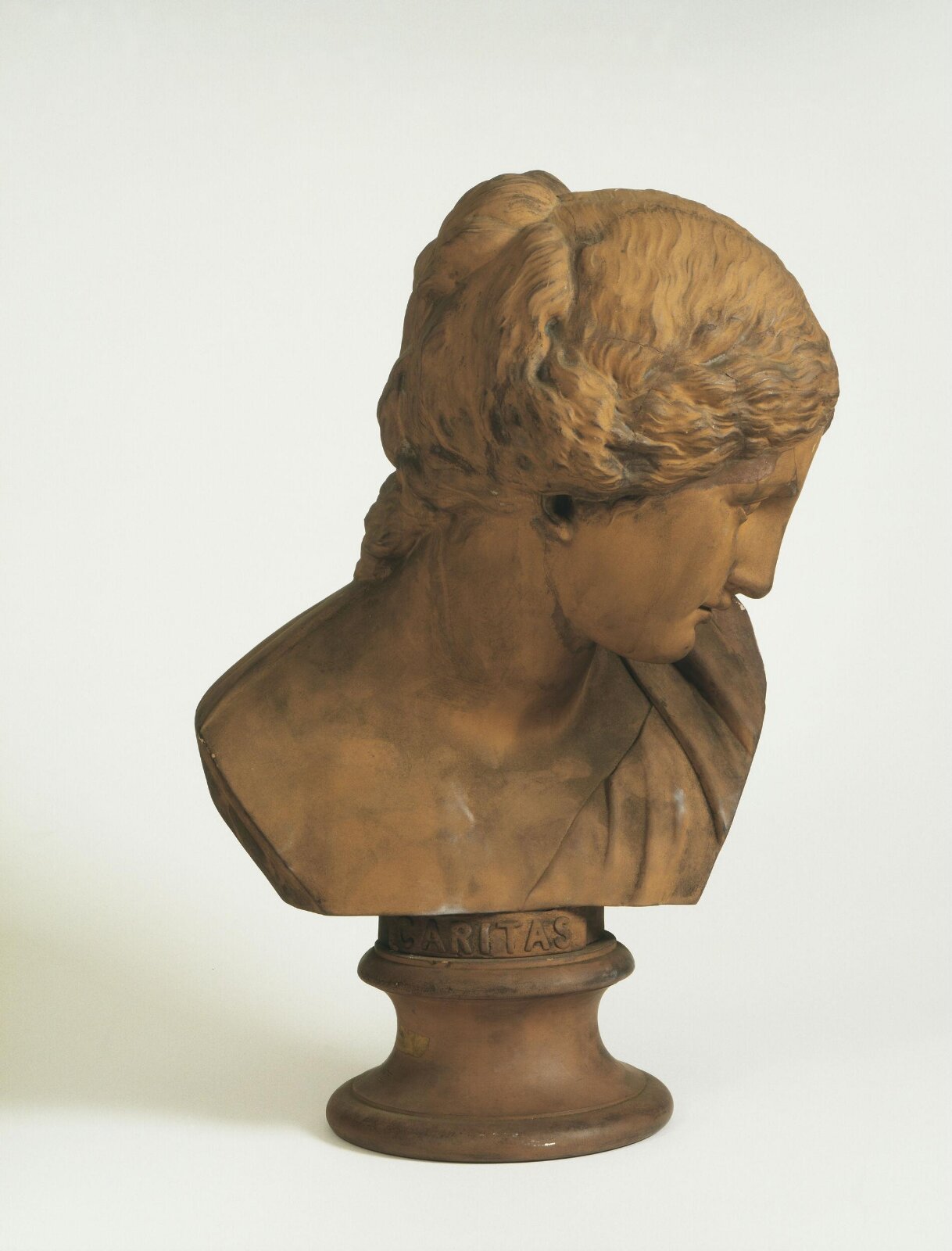
Charity
Можно ли лицезреть?
Сейчас не принимает

Музей Виктории и Альберта
Лондон, Великобритания
Числится в собрании, но в залах её сейчас нет.
- Проверено
- В этом положении с
- Источник
- Данные самого музея
О скульптуре
Словами музея — на английском
This terracotta (baked clay) bust is not one of the known busts made for sale by Watcombe at Torquay, Devon, in south-west England, and may therefore have been a trial piece. It is based on a much admired marble statue of St Susanna in the church of S. Maria di Loreto, Rome, carved in the late 1620s by François Du Quesnoy. Stamped on the band beneath this bust is 'CARITAS' (Charity). François Duquesnoy (c. 1594-1643) was a Netherlandish sculptor who spent most of working life in Rome and assimilated the classical style. His tender and sensuous reliefs of cupids, satyrs and small children were highly influential.
Читать дальше
Watcombe Terra-cotta Clay Company Ltd. was founded in 1869 (and continued business until 1883) by George Allen at St Mary's Church, Torquay, Devon. It capitalised on the rich deposits of red clay found whilst builders were excavating the foundations for Watcombe House. Christopher Dresser has been linked with the firm, for its products show similarities to Dresser's designs and sometimes carry ornament derived from his published works. The south Devon pottery industry grew rapidly during the latter part of the nineteenth century following the discovery of fine terra cotta clay at Watcombe in 1865.
Charity (lat. Caritas), literally means 'love', love in the sense of lovingness and kindness towards all others and is the foremost of the virtues. Charity is often represented with a flame, often coming out of some kind of vase, or she holds a candle. Often she is suckling to infants, or she is surrounded by three to four infants, one usually at the breast.
Музей Виктории и Альберта
Сведения
- Инвентарный номер
- 3742-1901
В каталоге
Источники
- Музей Виктории и Альберта: открытые данные самого музея · получено 12 дней назад
- Изображение: Музей Виктории и Альберта — © Музей Виктории и Альберта