ART WIKI32 963 em exposição
MapaColeçãoArtistasMuseusExposiçõesRevista
Entrar

ART WIKI

Onde está a obra-prima, e a que horas se abre a porta.

Coleções: Art Institute of Chicago, Galeria Nacional de Arte, Galeria Tretiakov, Getty Villa, Harvard Art Museums, Hermitage, Hirshhorn Museum and Sculpture Garden, Instituto de Artes de Minneapolis, Museu de Arte de Cleveland, Museu de Arte Moderna, Museu do Louvre, Museu Estatal de Amesterdão, Museu J. Paul Getty, Museu Metropolitano de Arte, Museu Nacional de Arte da Dinamarca, Museu Pushkin, Museu Russo, Museu Smithsoniano de Arte Americana, Museu Vitória e Alberto, Museu Whitney de Arte Americana, National Museum of Asian Art, National Portrait Gallery, Catálogo Estatal do Fundo Museológico da Rússia (274 museus), Europeana (19 museus), Wikidata (6 museus), Paris Musées (12 museus) e Joconde, a base de museus do Ministério da Cultura de França (495 museus). As imagens pertencem aos titulares dos direitos.

Secções

  • Mapa
  • Pesquisa
  • Coleção
  • Obras-primas
  • Em exposição agora
  • Artistas

Mais

  • Museus e galerias
  • Exposições
  • Revista
  • De onde vêm os dados
  • Privacidade e cookies
InícioMapaCatálogo
  1. Coleção/
  2. Museu de Arte Moderna/
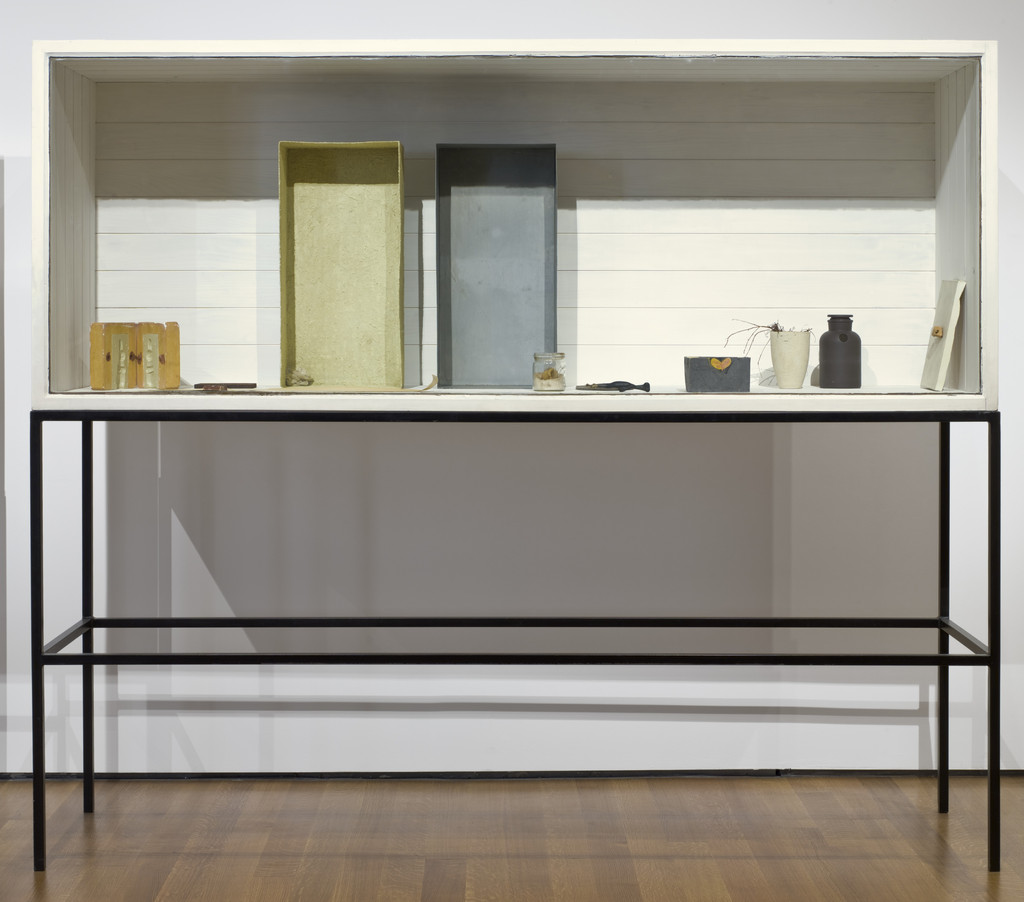
  3. Woman
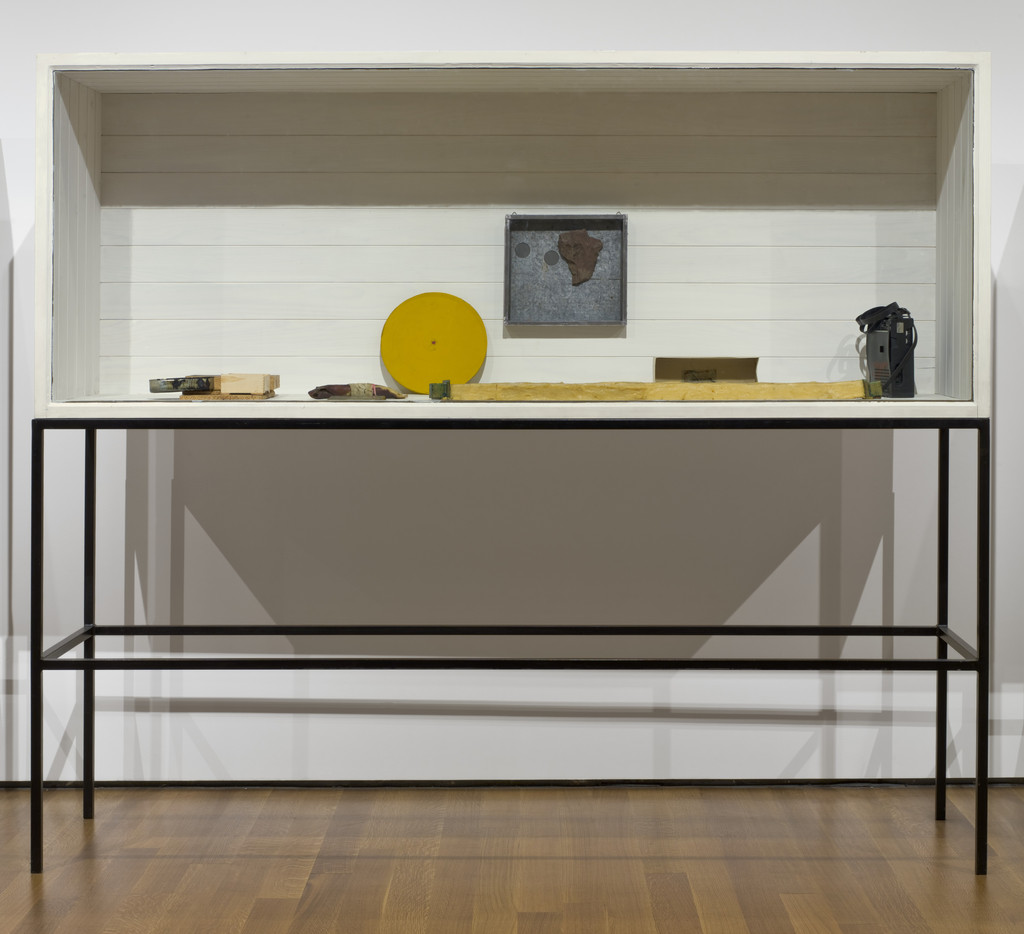
Woman, Joseph Beuys, 1971
Joseph Beuys, retratoJoseph BeuysAlemanha, 1921–1986

Woman

1971 · Installation

Será possível contemplá-la?

De momento, não recebe

Museu de Arte Moderna

Nova Iorque, Estados Unidos

Pertence à coleção, mas de momento não está exposta.

Verificado
há 8 dias
Fonte
O museu
No mapaPágina do museu

Pormenores

1971 · aos 50 anos
19211986
Número de inventário
1150.2007.f

No catálogo

EsculturaMadeiraArte do pós-guerraSéculo XX

Fontes

  • Museu de Arte Moderna
  • Imagem: Museu de Arte Moderna — © the artist or rights holder

Entretanto, na vida de Joseph Beuys

A vida inteira
  1. 1960s

    Forms the idea of “social sculpture”

    Drawing on Novalis and Schiller and on Rudolf Steiner's ideas of social threefolding, Beuys developed the concept of social sculpture: society as a whole is one great work of art to which everyone can contribute creatively (“everyone is an artist”).

  2. May 1970

    In Scotland with Demarco: the idea of “7000 Oaks”

    Invited by Richard Demarco, Beuys came to Scotland; at Loch Awe and Rannoch Moor he first conceived the necessity of “7000 Oaks”.

  3. August 1970

    The 1970 Edinburgh Festival: “Arena” and “The Pack”

    In August 1970, at the Edinburgh International Festival, Beuys, with Günther Uecker, Blinky Palermo, Robert Filliou and other Düsseldorf artists, showed the retrospective “Arena” and the installation “The Pack” and performed “Celtic Kinloch Rannoch”, using a blackboard for the first time; a year later he developed the action in Basel as “Celtic+”.

  4. 1972

    Bolognano: a second home and Baroness De Domizio Durini

    After spending time in Naples (where in 1972 he staged “Vitex Agnus Castus”) and Foggia, Beuys came to Bolognano (Pescara) at the invitation of Lucrezia De Domizio and Buby Durini and returned many times, making it his second home. Baroness Lucrezia De Domizio Durini became one of his main supporters, the publisher of twenty-seven of his works and one of his major collectors.

  5. October 1972

    Dismissed from the Düsseldorf Academy

    Beuys abolished entry requirements to his class, and this policy caused friction; in 1972 he found 142 rejected applicants whom he wished to take on and, with 16 students, occupied the academy's offices. The relationship became irreconcilable and in October he was dismissed; he refused to accept the dismissal, which provoked a wave of protests from students, artists and critics.

  6. 1972–1985

    The project “In Defence of Nature” in Bolognano

    From 1972 to 1985 Beuys carried out in Bolognano the project “Operation In Defence of Nature”, the Italian project with the greatest international impact: artistic, political, ecological and humanitarian actions, among them the “Paradise Plantation” of 7,000 plants (1982) and “Olivestone” (1984).
Mais obras de Joseph Beuys

Todas as obras
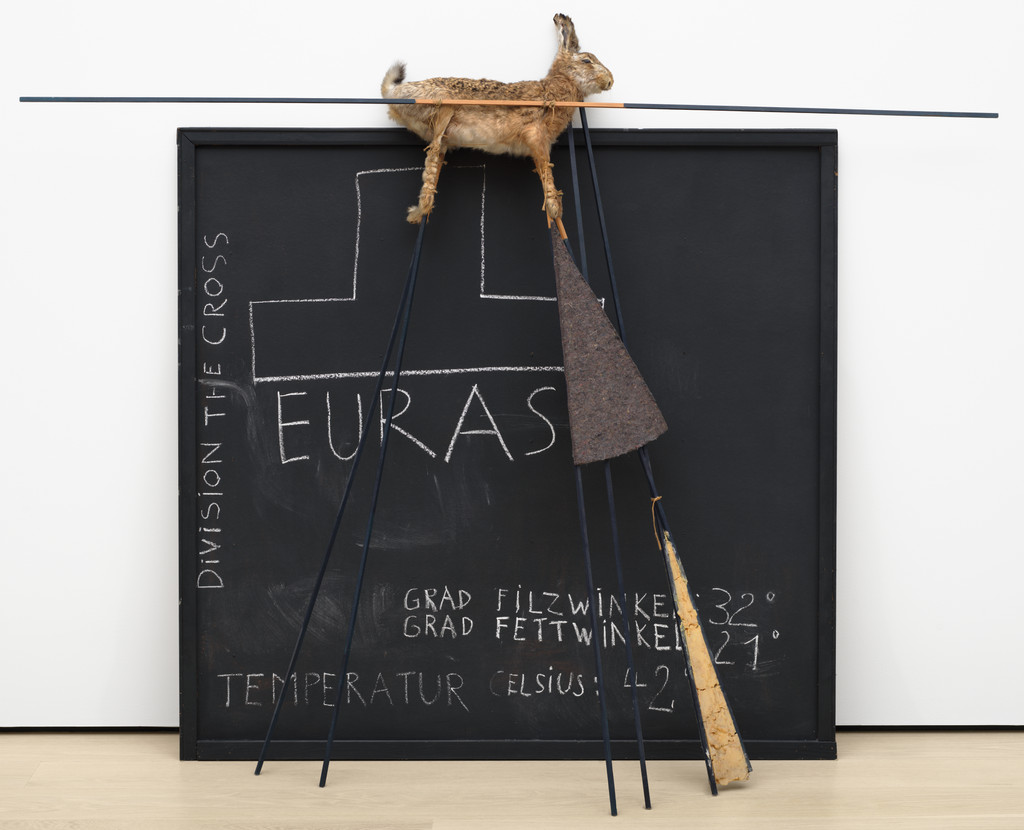
Eurasia Siberian Symphony 1963, Joseph Beuys, 1966

Eurasia Siberian Symphony 1963

1966 · Museu de Arte Moderna

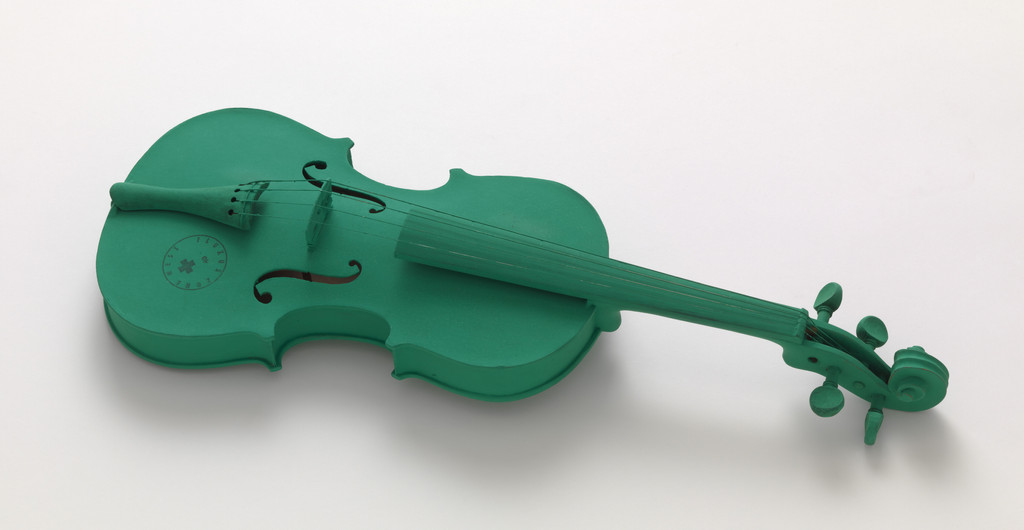
Green Violin (Grüne Geige), Joseph Beuys, Henning Christiansen, 1974

Green Violin (Grüne Geige)

1974 · Museu de Arte Moderna

Untitled, Joseph Beuys, n.d.

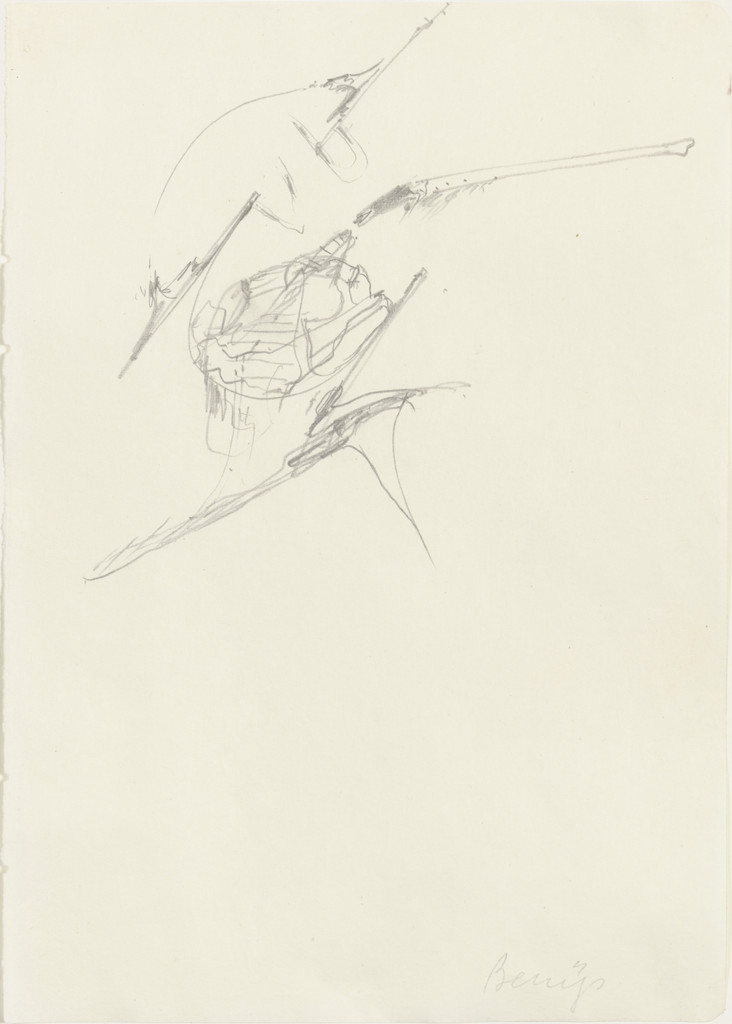
Untitled

n.d. · Não exposta · Museu de Arte Moderna

Untitled, Joseph Beuys, 1947 and 1970s

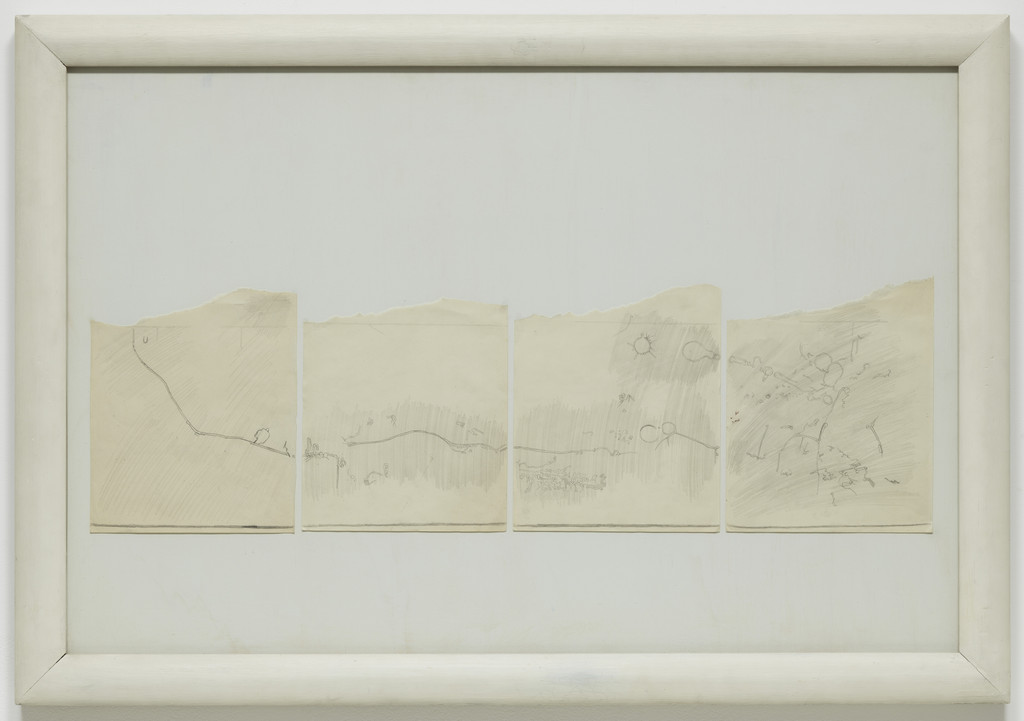
Untitled

1947 and 1970s · Não exposta · Museu de Arte Moderna

Untitled III, Joseph Beuys, 1948-81

Untitled III

1948-81 · Não exposta · Museu de Arte Moderna

Hind (Hirschkuh), Joseph Beuys, 1948, printed 1973-74

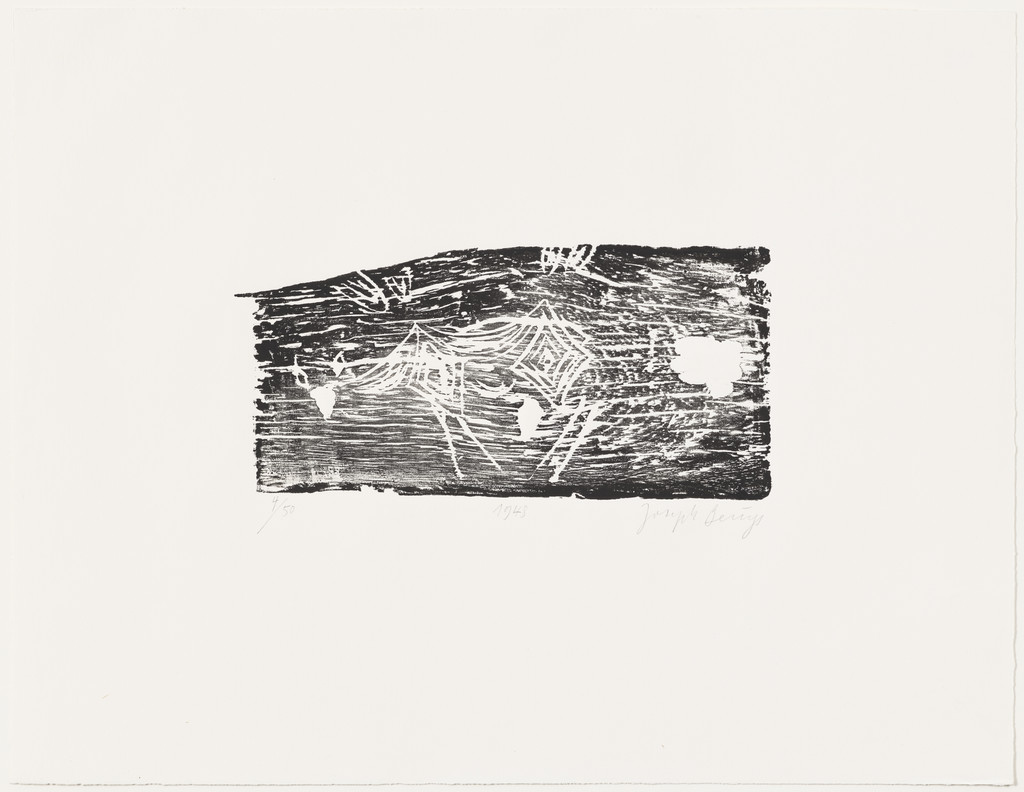
Hind (Hirschkuh)

1948, printed 1973-74 · Não exposta · Museu de Arte Moderna

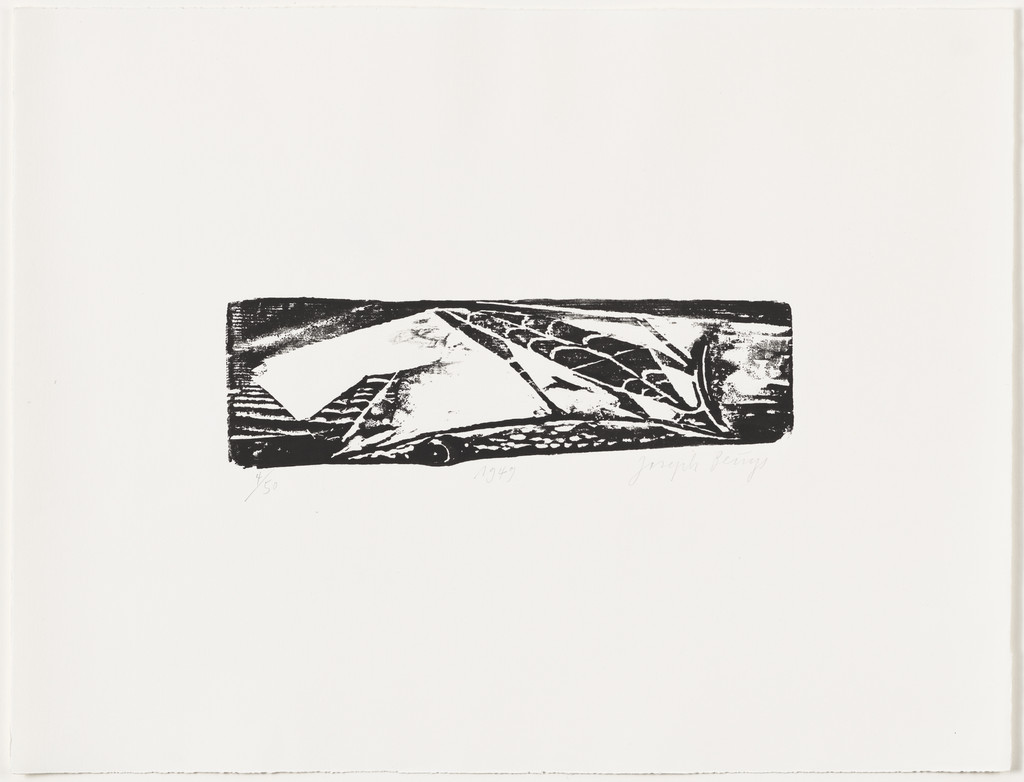
Shallows (Wattenmeer), Joseph Beuys, 1949,  printed 1973-74

Shallows (Wattenmeer)

1949, printed 1973-74 · Não exposta · Museu de Arte Moderna

Untitled V, Joseph Beuys, 1949-82

Untitled V

1949-82 · Não exposta · Museu de Arte Moderna

Vizinhas de sala: Museu de Arte Moderna

Página do museu
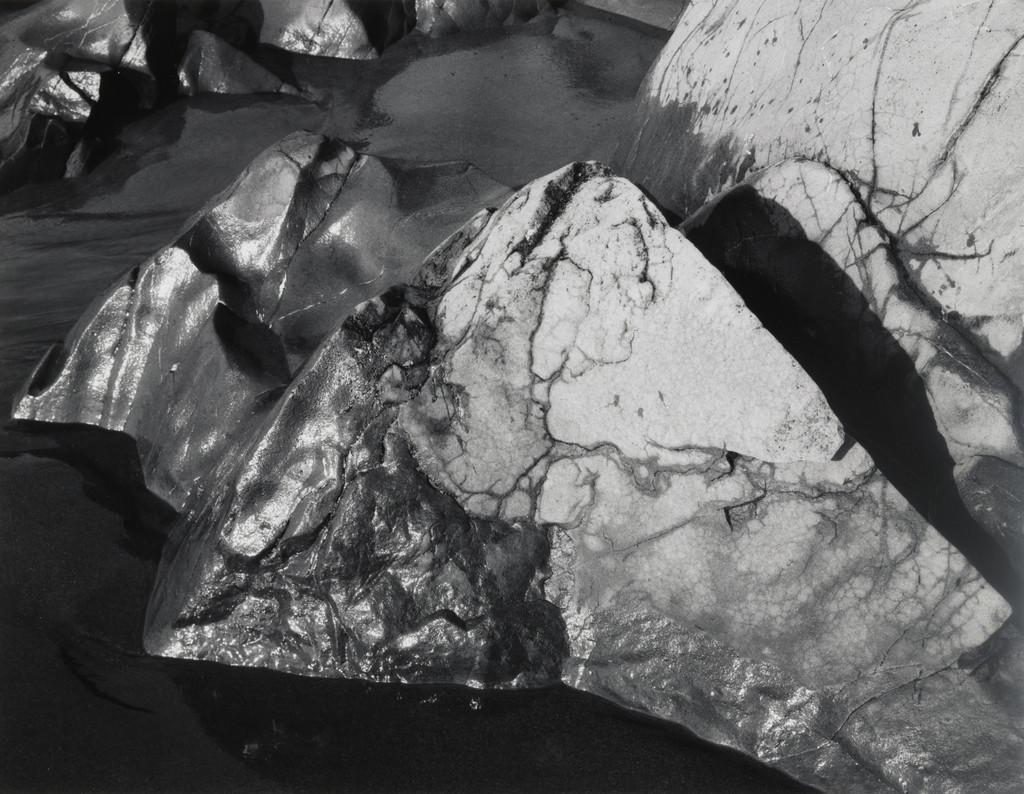
Rock, Bakers Beach, San Francisco, California, Ansel Adams, c. 1931

Ansel Adams

Rock, Bakers Beach, San Francisco, California, c. 1931

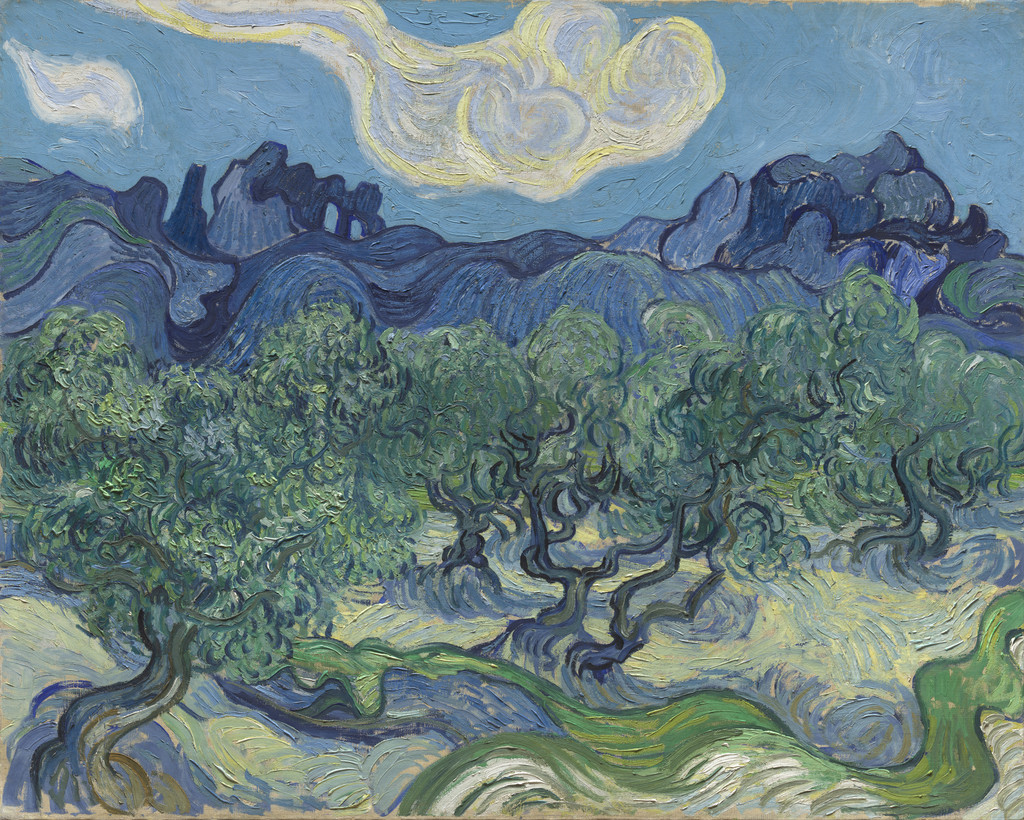
The Olive Trees, Vincent van Gogh, Saint Rémy, June-July 1889

Vincent van Gogh

The Olive Trees, Saint Rémy, June-July 1889

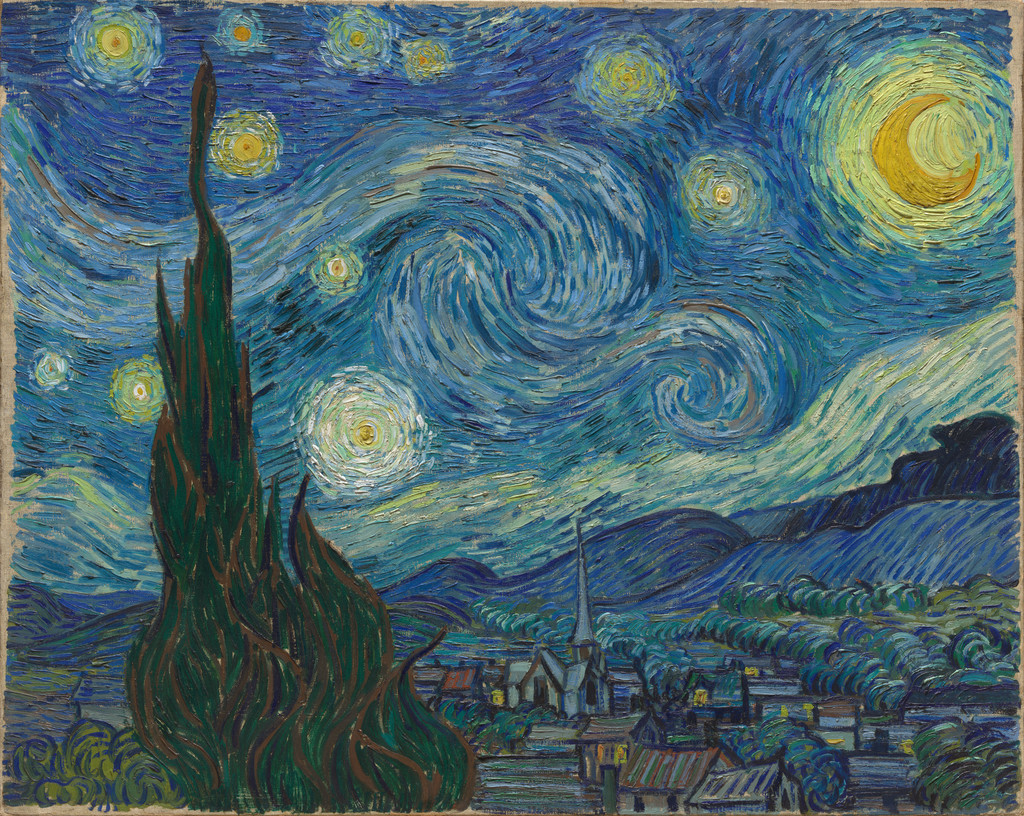
The Starry Night, Vincent van Gogh, Saint Rémy, June 1889

Vincent van Gogh

A Noite Estrelada, Saint Rémy, June 1889

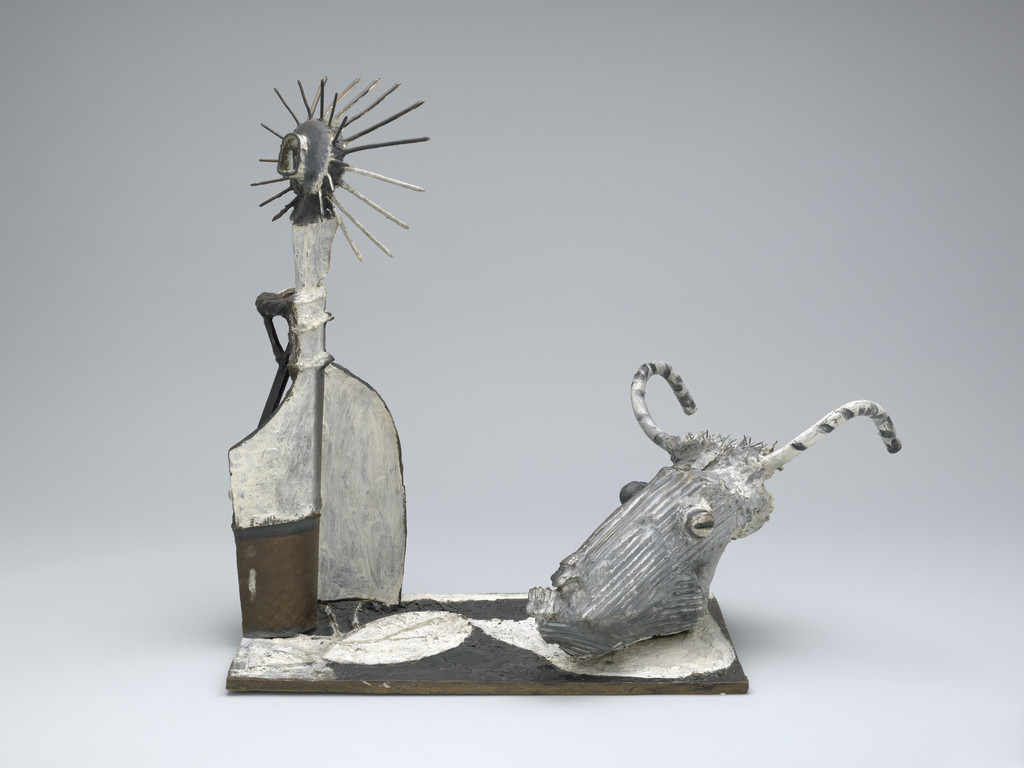
Goat Skull and Bottle, Pablo Picasso, Vallauris, 1951 (cast 1954)

Pablo Picasso

Goat Skull and Bottle, Vallauris, 1951 (cast 1954)

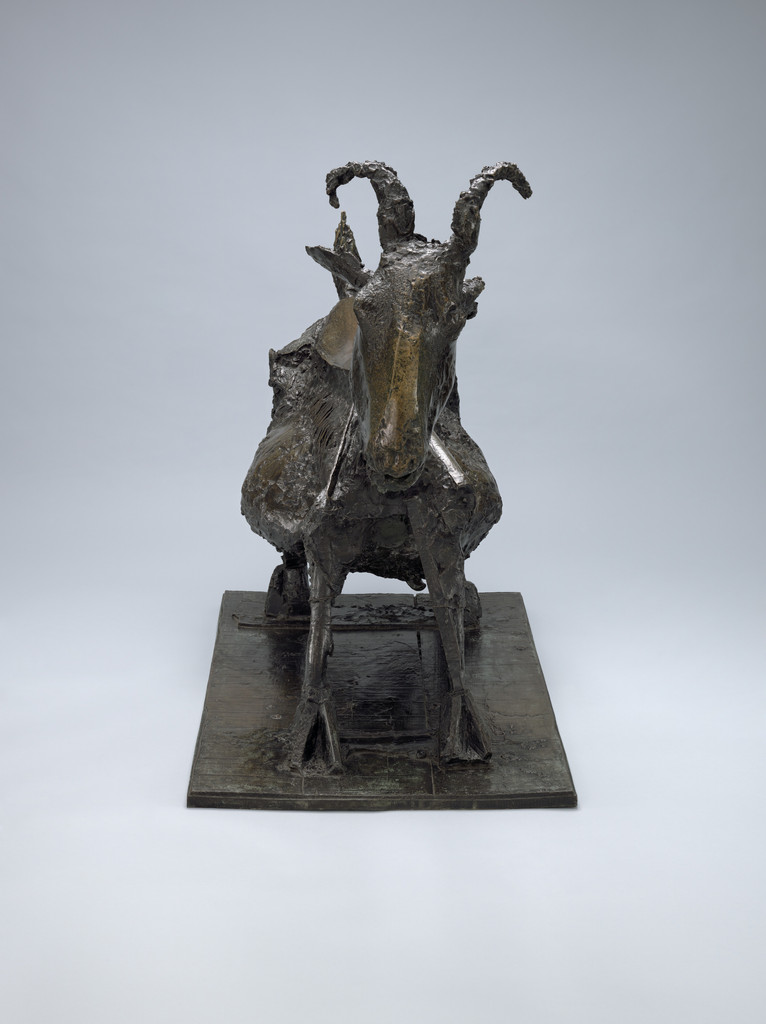
She-Goat, Pablo Picasso, Vallauris, 1950 (cast 1952)

Pablo Picasso

She-Goat, Vallauris, 1950 (cast 1952)

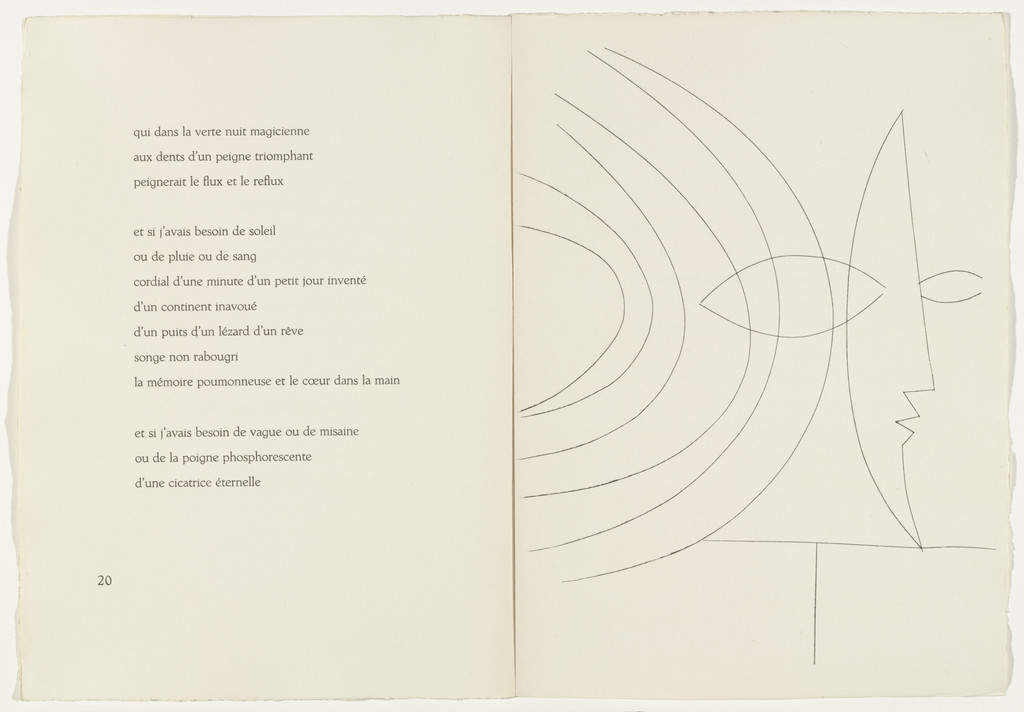
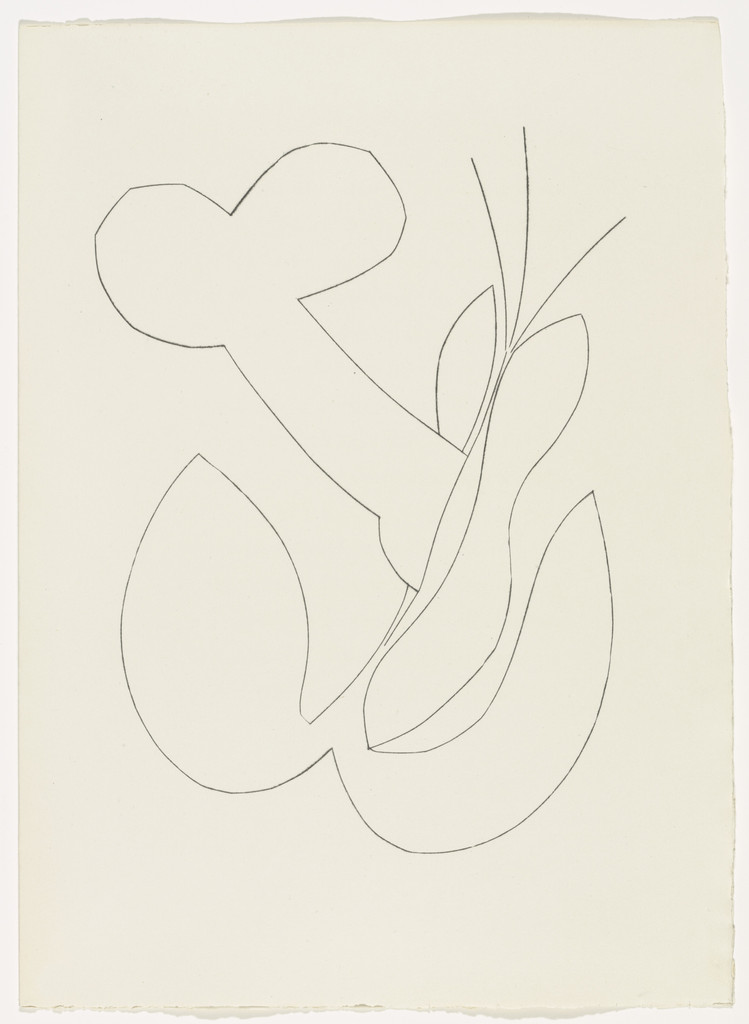
Face in Profile (plate, page 21) from Corps perdu, Pablo Picasso, 1949, published 1950

Pablo Picasso

Face in Profile (plate, page 21) from Corps perdu, 1949, published 1950

Coupling (plate, page 17) from Corps perdu, Pablo Picasso, 1949, published 1950

Pablo Picasso

Coupling (plate, page 17) from Corps perdu, 1949, published 1950

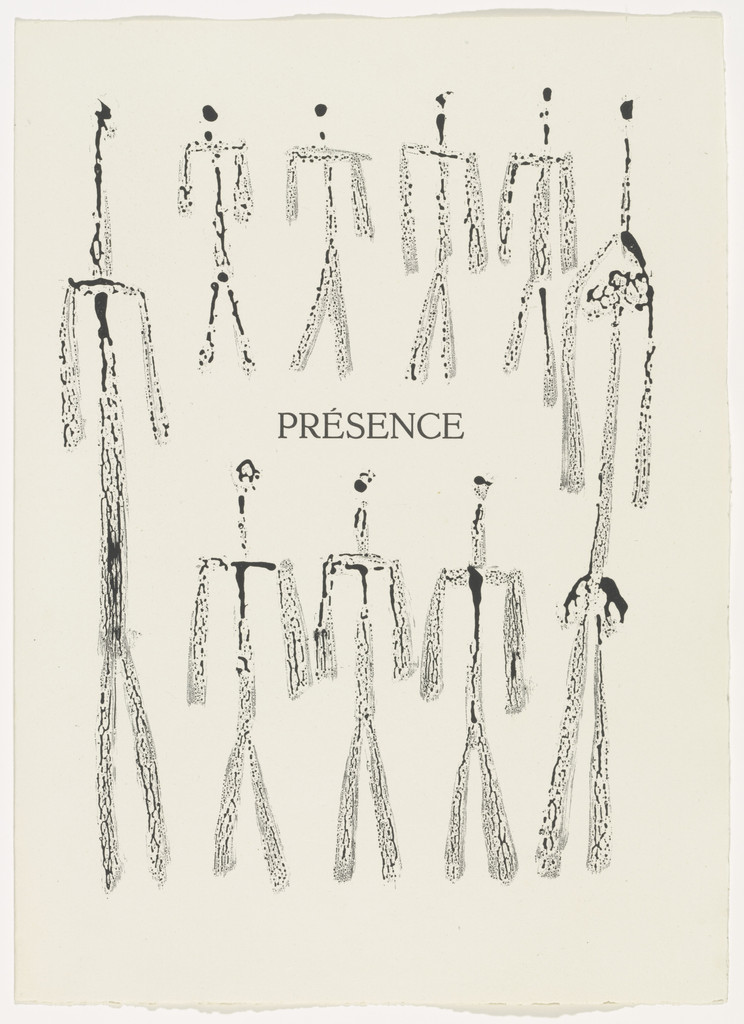
"Présence" (chapter title, page 13) from Corps perdu, Pablo Picasso, 1949, published 1950

Pablo Picasso

"Présence" (chapter title, page 13) from Corps perdu, 1949, published 1950