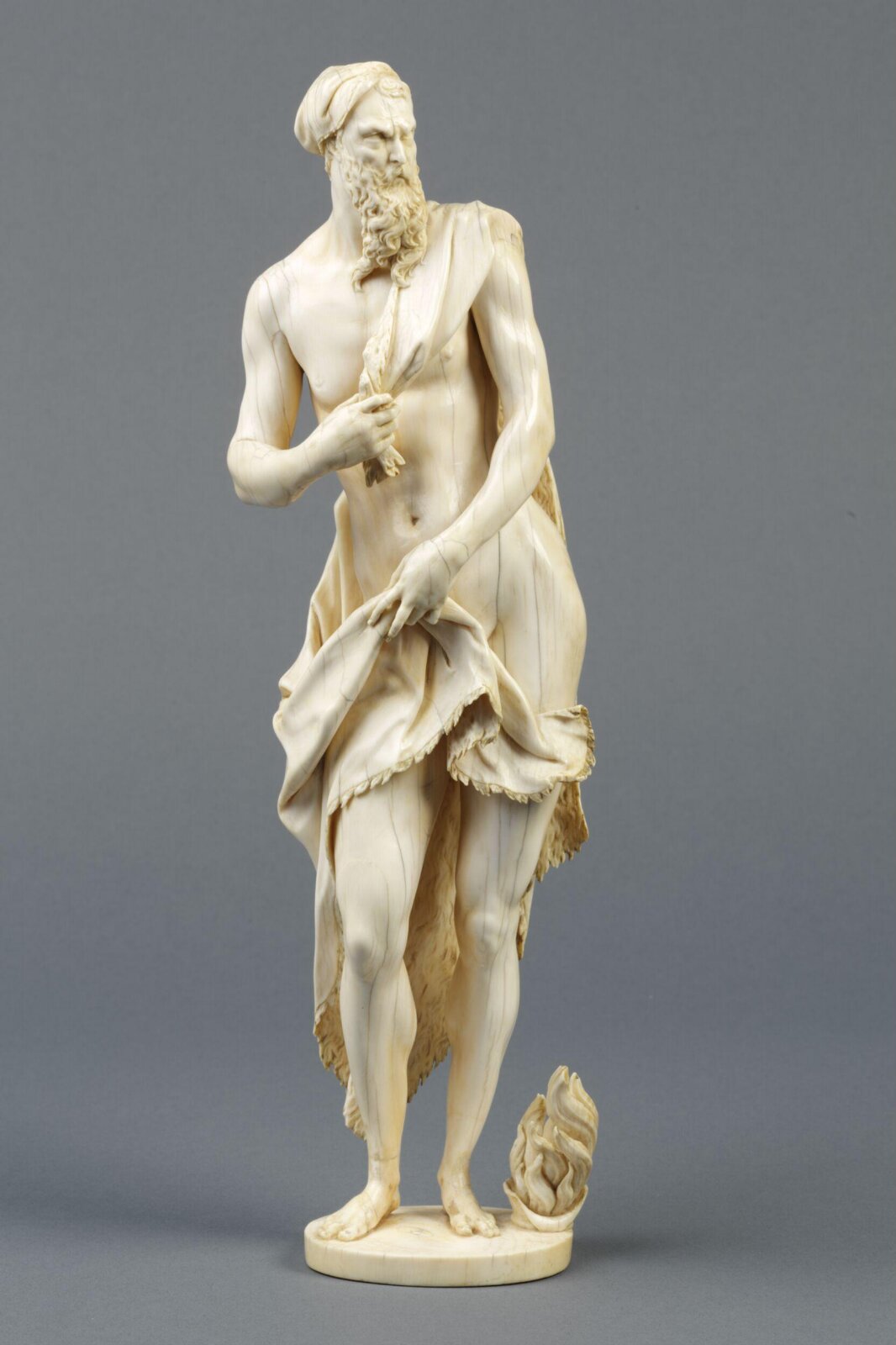
Winter
Será possível contemplá-la?
Sim, recebe visitas

Museu Vitória e Alberto
SalaSculpture, Room 111, The Gilbert Bayes GalleryLondres, Reino Unido
Exposta ao público. Quem o garante vem indicado abaixo.
- Verificado
- há 7 dias
- Neste estado desde
- 25 de set. de 2026
- Fonte
- Os dados da própria coleção do museu
About the sculpture
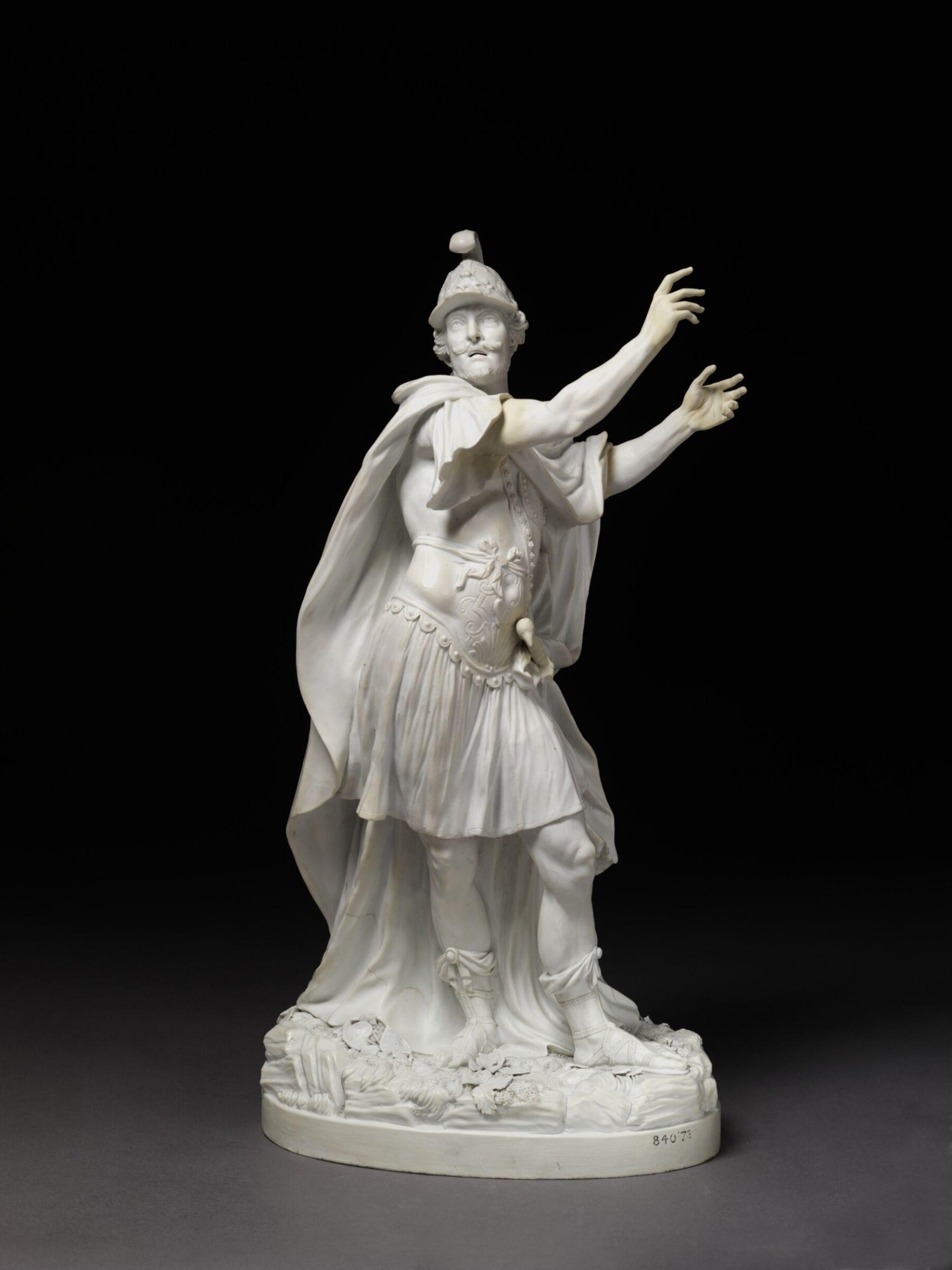
This statuette representing 'Winter' was made by an unknown artist, made probably in Germany or perhaps Spain, in ca. 1700-1720. The figure is Italianate by the proportions and and stylistic features. The head, feet and hands of this figure are disproportionately small, and the elongated limbs recall Italian mannerist sculpture of the sixteenth century. Analogous pieces are in the Kunsthistorisches Museum, Vienna: Neptune and Amphitrite. The elongated proportions and poses of the figures are closely comparable, and the facial features and beard of the Neptune in Vienna are very similar to those of Winter. Those in Vienna and the present figure bear some analogies with the reliefs known to be by Leoni in the Bayerisches Nationalmuseum in Munich. The proportions of this figure, with its elongated legs and small head, also bear resemblances to sixteenth-century Italian bronzes, such as those by Alessandro Vittoria (1525-1608).
Read on
These three figures, in London and Vienna respectively, show paralells with a group of six ivory statuettes representing gods and goddesses, now in the Sammlung Würth (fig. 3).
Another group of three ivories, beloging to the Portland Estate in Britain, with a much earlier provenance, is however unquestionably related to the Winter in the V&A. Those depict the other three Seasons: Flora representing Spring, Ceres as Summer and Bacchus as Autumn. All four figures have a small symbol of their identity in the form of a basket of flowers, grapes, or Winter's brazier, at their feet. Additionally their graceful poses echo and complement each other. When and why the Winter statue was separated from the other three is unknown, as well as the authorship.
Museu Vitória e Alberto
Pormenores
- Número de inventário
- A.52-1949
What it shows
No catálogo
Fontes
- Museu Vitória e Alberto: the museum's own open data · obtido há 7 dias
- Imagem: Museu Vitória e Alberto — © Victoria and Albert Museum, London