ART WIKI33 040 em exposição
MapaColeçãoArtistasMuseusExposiçõesRevista
Entrar

ART WIKI

Onde está a obra-prima, e a que horas se abre a porta.

Coleções: Art Institute of Chicago, Galeria Nacional de Arte, Galeria Tretiakov, Getty Villa, Harvard Art Museums, Hermitage, Hirshhorn Museum and Sculpture Garden, Instituto de Artes de Minneapolis, Museu de Arte de Cleveland, Museu de Arte Moderna, Museu do Louvre, Museu Estatal de Amesterdão, Museu J. Paul Getty, Museu Metropolitano de Arte, Museu Nacional de Arte da Dinamarca, Museu Pushkin, Museu Russo, Museu Smithsoniano de Arte Americana, Museu Vitória e Alberto, Museu Whitney de Arte Americana, National Museum of Asian Art, National Portrait Gallery, Catálogo Estatal do Fundo Museológico da Rússia (274 museus), Europeana (19 museus), Wikidata (6 museus), Paris Musées (12 museus) e Joconde, a base de museus do Ministério da Cultura de França (495 museus). As imagens pertencem aos titulares dos direitos.

Secções

  • Mapa
  • Pesquisa
  • Coleção
  • Obras-primas
  • Em exposição agora
  • Artistas

Mais

  • Museus e galerias
  • Exposições
  • Revista
  • De onde vêm os dados
  • Privacidade e cookies
InícioMapaCatálogo
  1. Coleção/
  2. Museu de Arte de Cleveland/
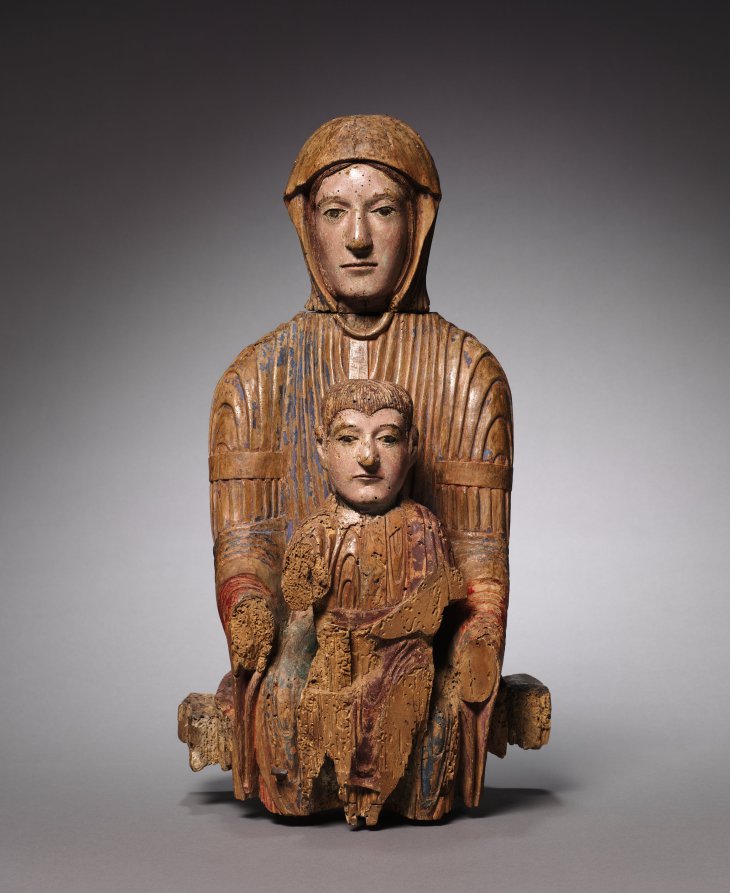
  3. Virgin and Child in Majesty
Virgin and Child in Majesty, c. 1150–1200

Virgin and Child in Majesty

c. 1150–1200 · Sculpture

Será possível contemplá-la?

Sim, recebe visitas

Museu de Arte de Cleveland

Cleveland, Estados Unidos

Sala106B Romanesque & Gothic Sculpture

Exposta ao público. Quem o garante vem indicado abaixo.

Verificado
há 9 dias
Neste estado desde
19 de ago. de 2026
Fonte
O museu
No mapaPágina do museu

Sobre a escultura

This sculpture belongs to a group of early representations of the Virgin and Child known as the Sedes Sapientiae (the Throne of Wisdom). The subject embodies a complex and core Christian doctrine of the Virgin’s role in the Incarnation (the moment in which Christ became flesh) and ultimately in the redemption of humankind. Mary faces forward, her gaze toward the beholder. As she is seated on a throne, she in turn becomes the throne to the Christ child, thus symbolizing her role in giving birth not only to the human Jesus, but also to the divine Christ. The Incarnation gave Mary a unique role as principal mediator between heaven and earth, and between God and humankind. As a result, her image proliferated in art, especially after the 12th century, a period in which there was surging interest in Mary’s life and increasing devotion to her person and images.

Continuar a ler

The sculpture belongs to a rare group of surviving figures produced in the Auvergne region of central France during the second half of the 12th century. These "Auvergne" Virgins are estimated to number only about 25 or 30 and are characterized by their linear, calligraphic draperies, which form beautiful swirls and contours. All such sculptures are smaller than life-size and made of wood in order to make them mobile. Evidence suggests that they were moved from altar to altar or church to church, and were frequently carried in procession within churches and town streets on Marian feast days. The heads were intentionally removable in order to "dress" them in costumes for such processions.

Museu de Arte de Cleveland

Pormenores

Número de inventário
2012.52

Na mesma sala · 106B Romanesque & Gothic Sculpture, Museu de Arte de Cleveland

Página do museu

No catálogo

EsculturaMadeiraIdade MédiaAntes de 1400France, Auvergne

Fontes

  • Museu de Arte de Cleveland
  • Imagem: Museu de Arte de Cleveland — Museum open access
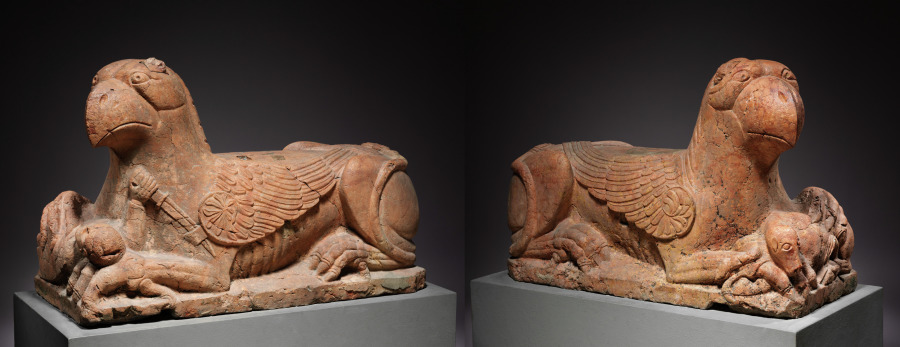
Guardian Griffin (pair), 1150–1175

Guardian Griffin (pair), 1150–1175

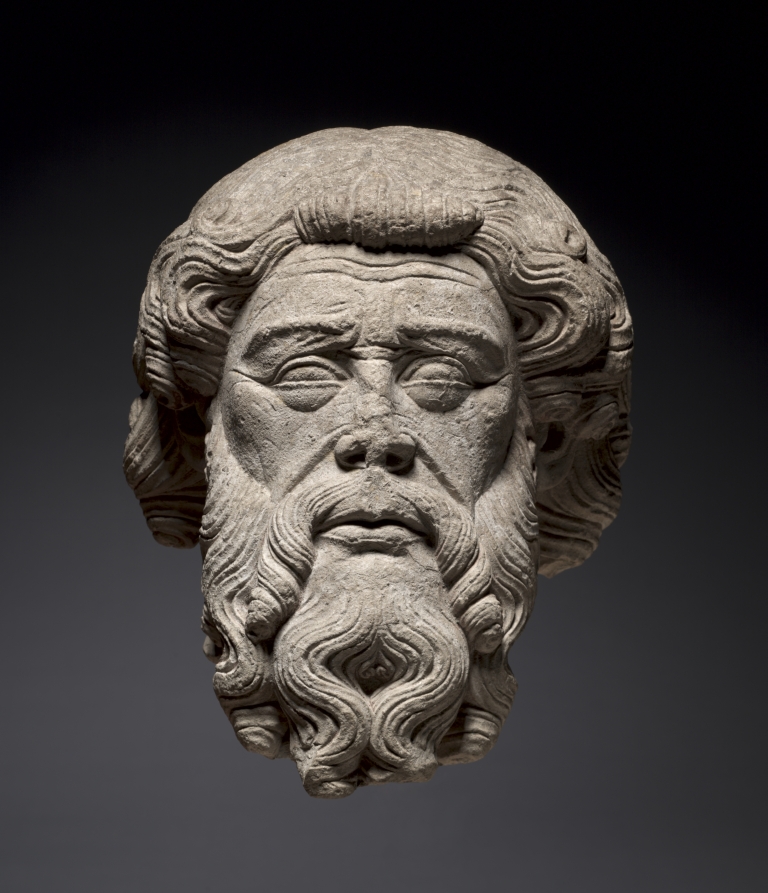
Head of an Apostle, c. 1325–1350

Head of an Apostle, c. 1325–1350

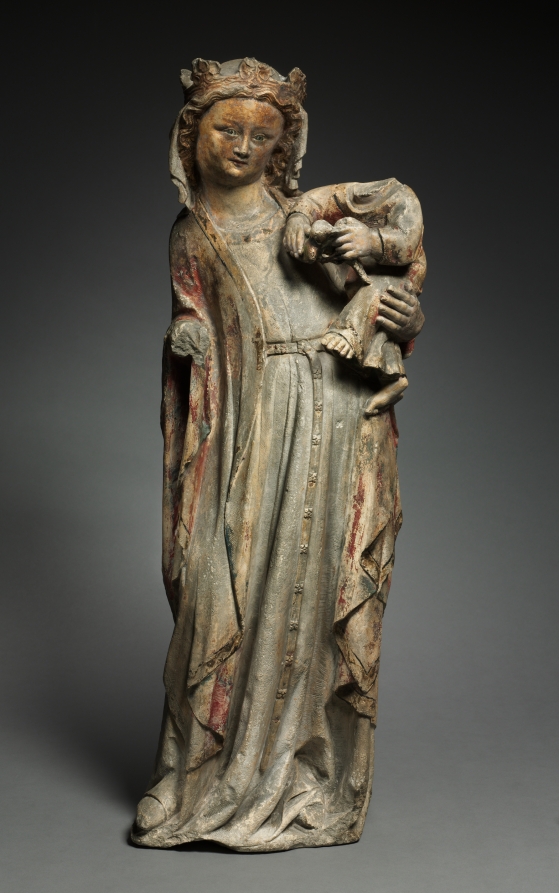
Virgin and Child, c. 1315–20

Virgin and Child, c. 1315–20

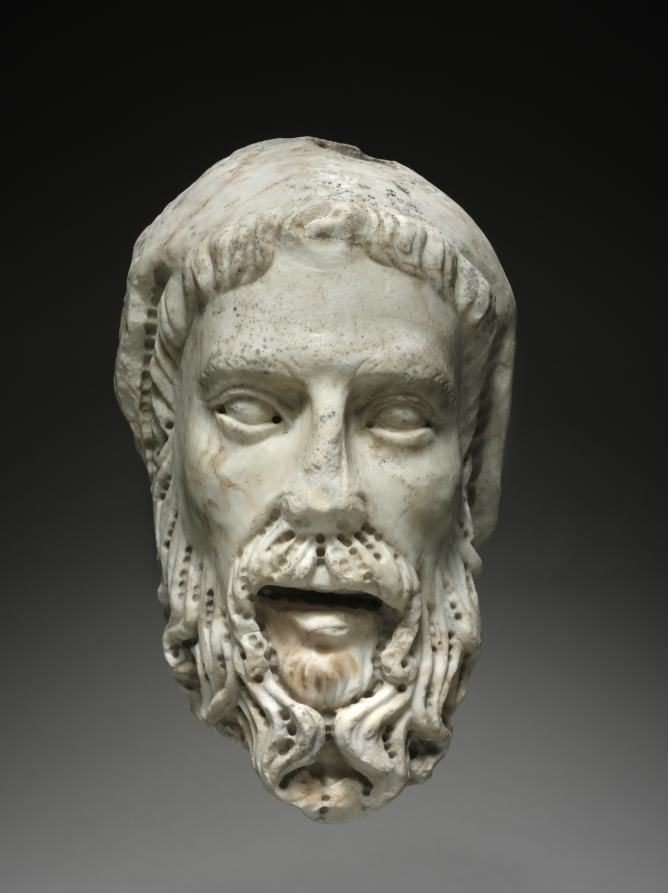
Head of a Prophet, Giovanni Pisano, c. 1300–1325

Giovanni Pisano

Head of a Prophet, c. 1300–1325

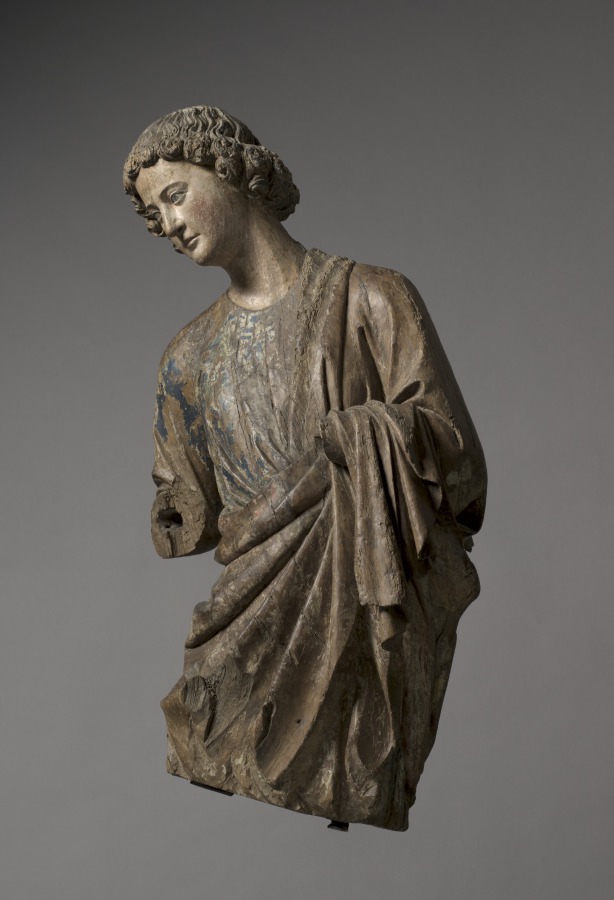
Angel, c. 1250

Angel, c. 1250

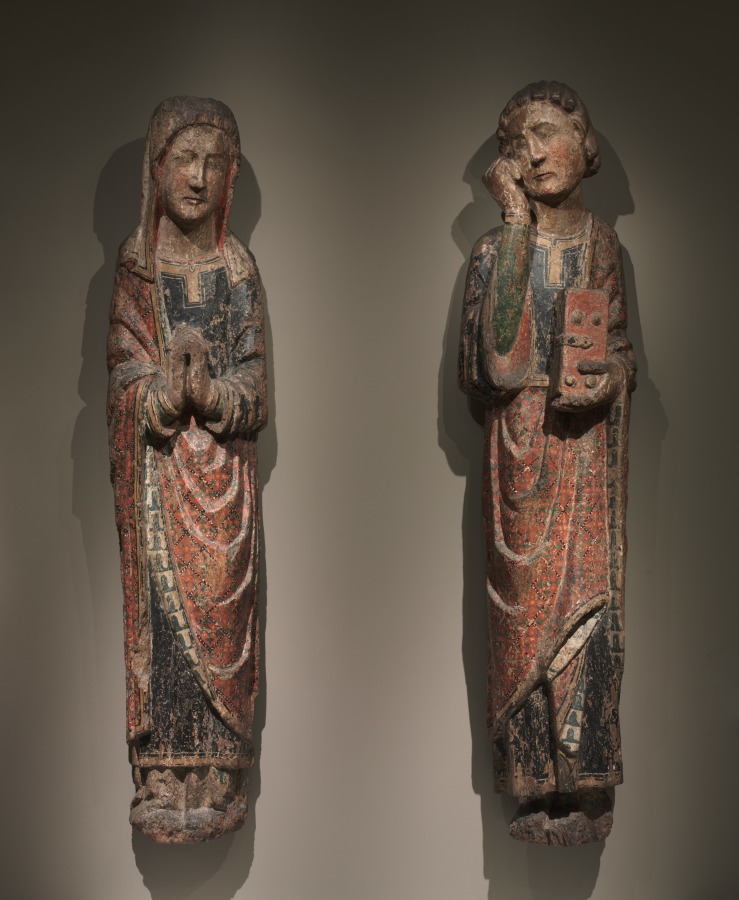
Mourning Saint John and Mourning Virgin (pair), c. 1250–1275

Mourning Saint John and Mourning Virgin (pair), c. 1250–1275

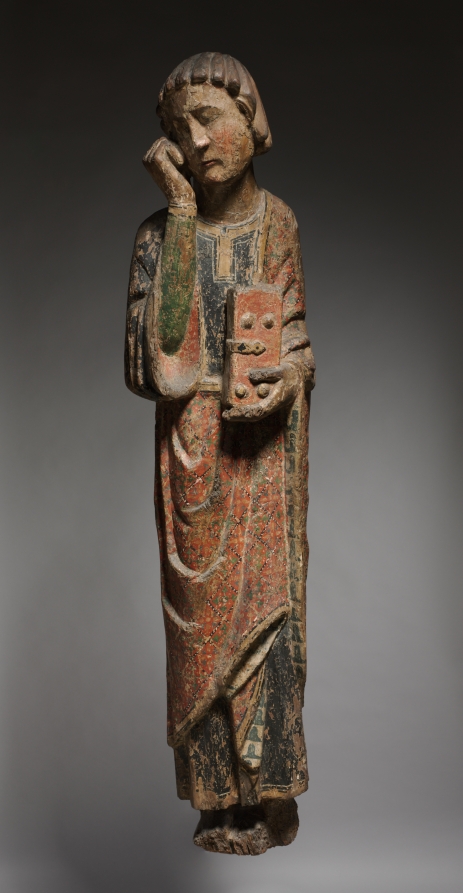
Mourning Saint John, c. 1250–1275

Mourning Saint John, c. 1250–1275

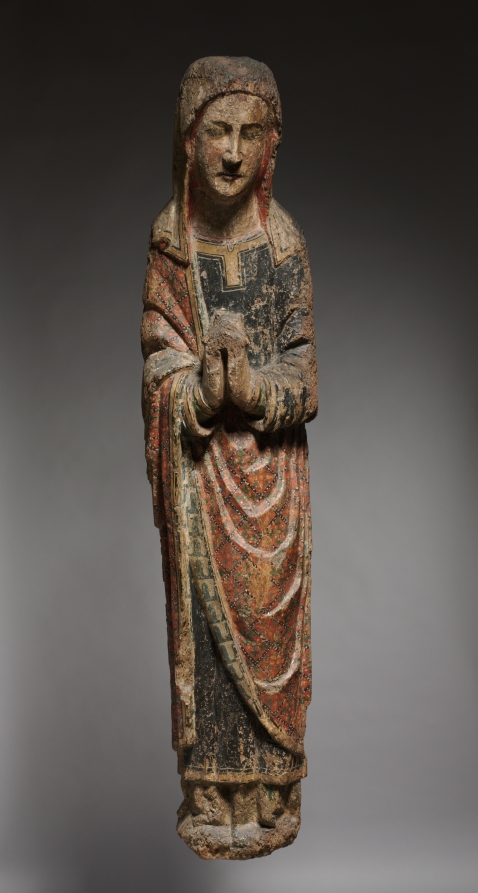
Mourning Virgin, c. 1250–1275

Mourning Virgin, c. 1250–1275