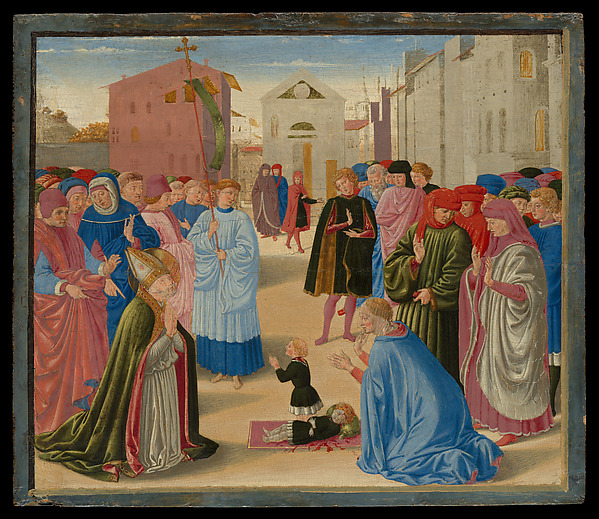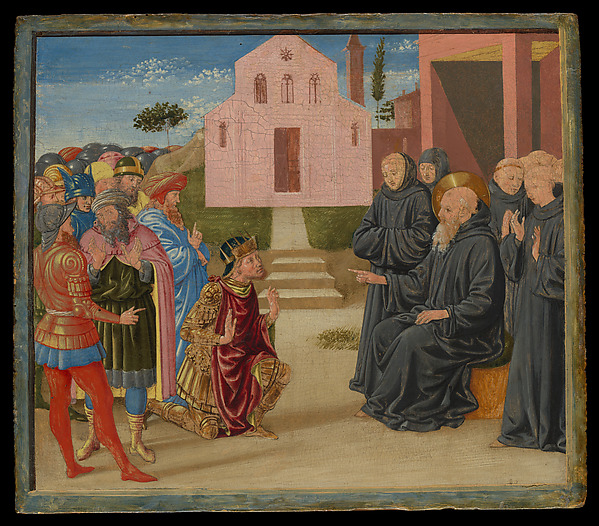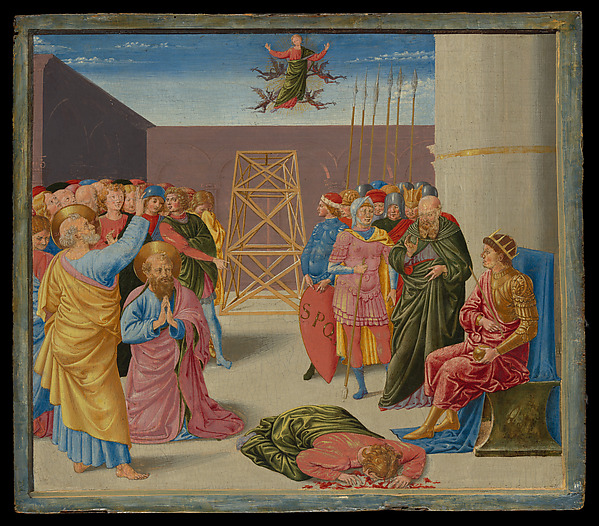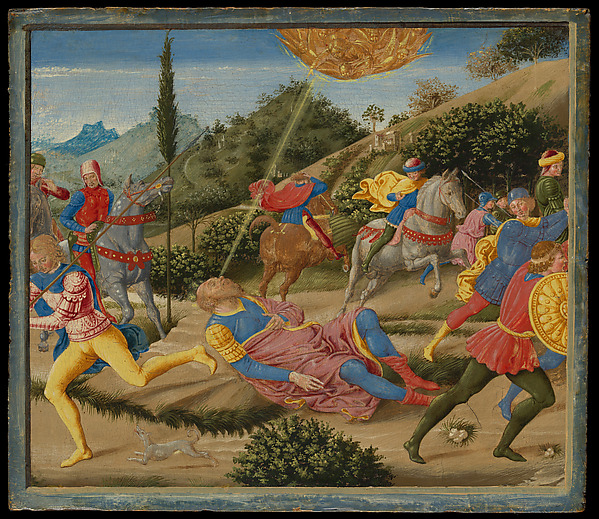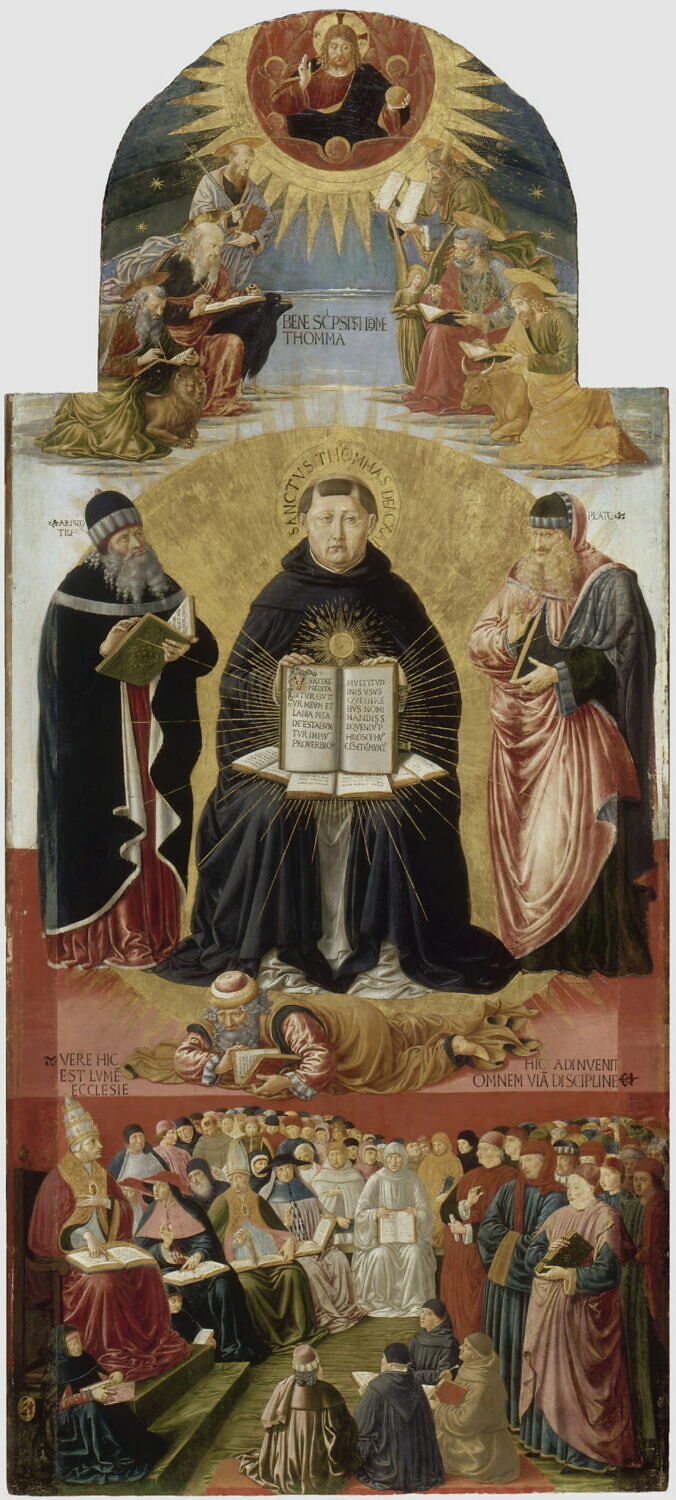
 Benozzo GozzoliItália, 1420–1497
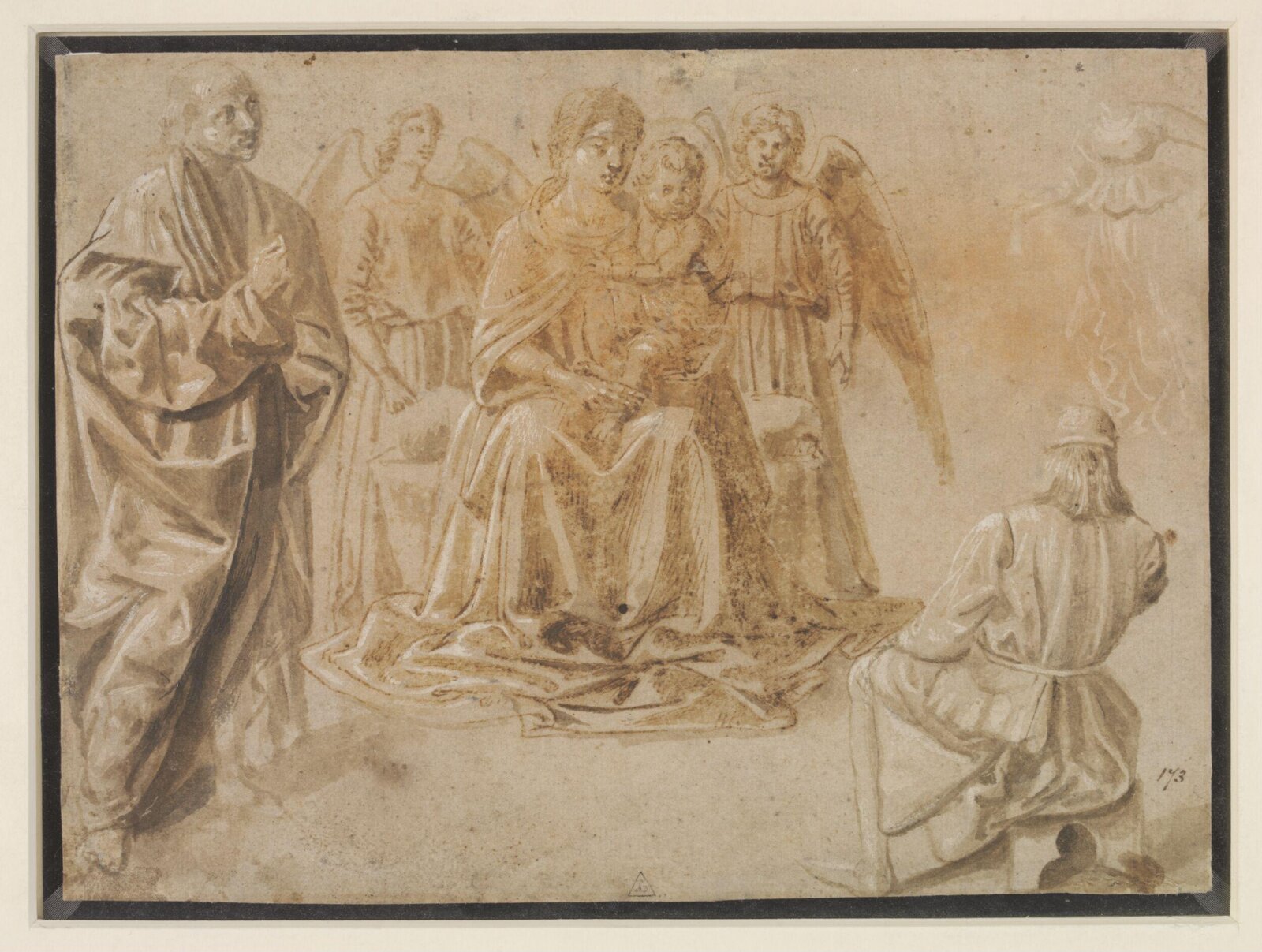
Virgin and Child
Posso vê-la?
Não exposta de momento
Onde está «Virgin and Child» hoje? Coleção: Museu Vitória e Alberto, Londres. Não exposta de momento. Verificado 25 de setembro de 2026.

Londres, Reino Unido
Pertence à coleção, mas de momento não está exposta.
- Verificado
- Neste estado desde
- Fonte
- O museu
Pormenores
- Número de inventário
- DYCE.173
O que mostra
No catálogo
Fontes
- Museu Vitória e Alberto
- Imagem: Museu Vitória e Alberto — © Victoria and Albert Museum, London
Na vida de Benozzo Gozzoli
A vida inteira1420
Born
1439–1440 and 1443–1444
Assistant to Fra Angelico at the convent of San Marco
According to Vasari, Fra Angelico was his master, though there is no further confirmation of this; in 1439–1440 and 1443–1444 Benozzo helps the master decorate the convent of San Marco in Florence. His established contributions are the “Adoration of the Magi” in Cosimo de' Medici's cell and the “Women at the Tomb” in cell 8 (these are dated 1440–1441).
1449
Leaving Fra Angelico: independent work in Umbria
Leaving Fra Angelico, he moves to Umbria and begins to work independently. Pope Nicholas V entrusts him with frescoes in the monastery of San Fortunato near Montefalco: a “Madonna and Child between St Francis and St Bernardine of Siena” and three other works, among them the altarpiece “Madonna of the Girdle” (now in the Vatican Museums), which shows how close Benozzo's early style is to Angelico's.
1467
Moving to Pisa and the commission for the Campo Santo frescoes
He leaves San Gimignano for Pisa (by other accounts in 1469), where he takes on the most extensive commission of his career: the murals of the Campo Santo, twenty-four Old Testament subjects from the “Drunkenness of Noah” to the “Visit of the Queen of Sheba to King Solomon”. His contract calls for three subjects a year at about ten ducats each, but in practice he paints only three pictures in two years.
1495
The French invasion forces him to leave Pisa
After the invasion of Italy by the French troops of Charles VIII he is forced to leave Pisa and return to Florence; the same year he goes to Pistoia, having received another prestigious commission: to decorate the interior of the town hall with frescoes.
4 de outubro de 1497
Died