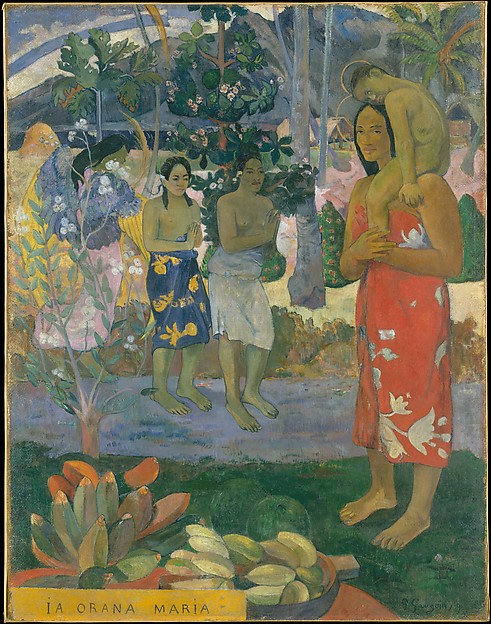
Edvard MunchNoruega, 1863–1944
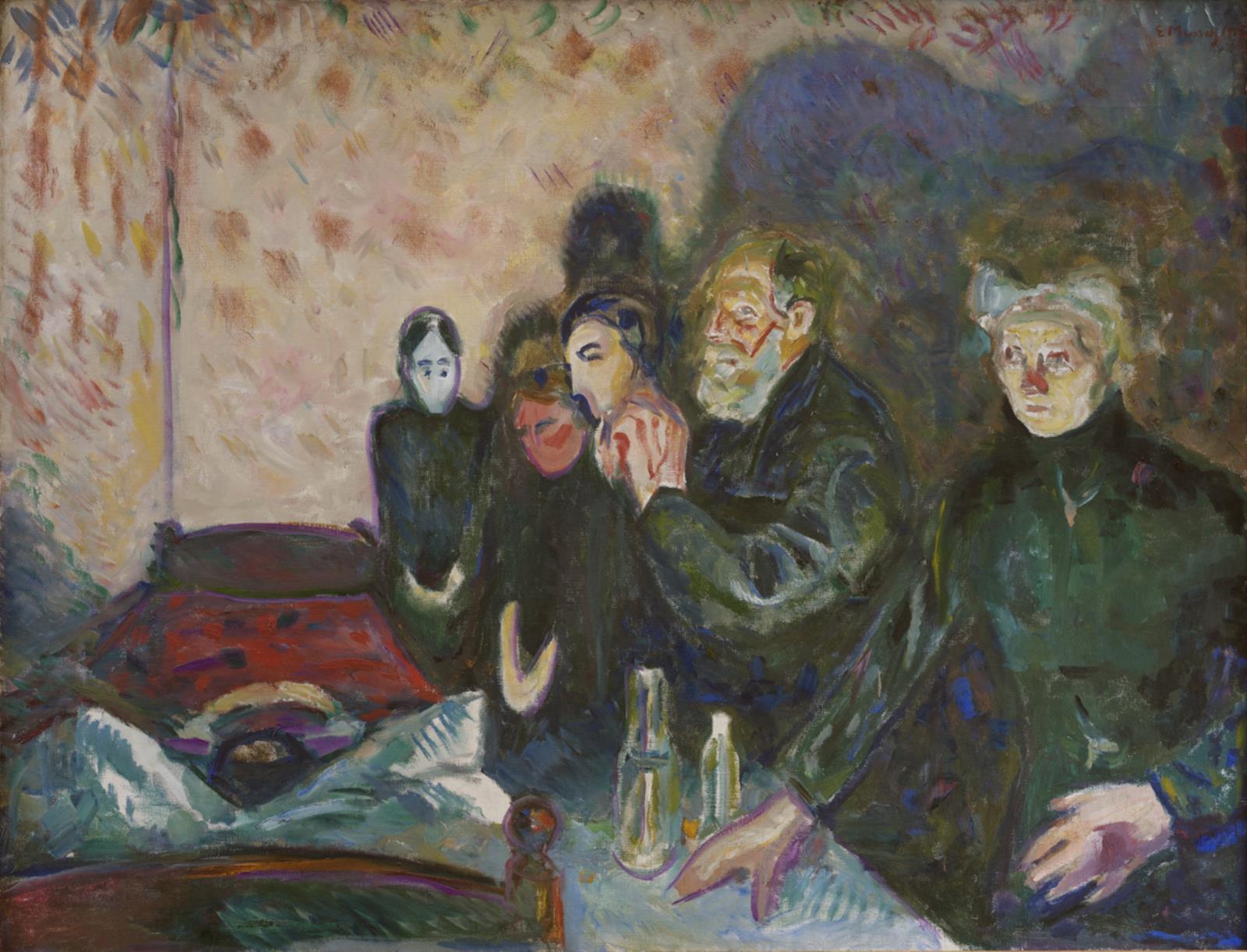
Vampire II (Vampyr II)
Será possível contemplá-la?
De momento, não recebe

Washington, D.C., Estados Unidos
Pertence à coleção, mas de momento não está exposta.
- Verificado
- Neste estado desde
- Fonte
- O museu
Pormenores
- Número de inventário
- 2021.101.2
O que mostra
No catálogo
Fontes
- Galeria Nacional de Arte
- Imagem: Galeria Nacional de Arte — © the artist or rights holder
Entretanto, na vida de Edvard Munch
A vida inteira1893
The "Love" Exhibition: Beginning of "The Frieze of Life"
At an exhibition on Unter den Linden he showed, among other works, six paintings under the title "Studies for a Series: Love" — the beginning of the cycle later named "The Frieze of Life — a Poem about Life, Love and Death."
1896
Meetings with Gauguin and the Symbolists in Paris
During an important stay in Paris he met Gauguin, Émile Bernard, Maurice Denis, and Symbolist poets, notably Mallarmé. At this time he turned to etching, woodcut, and lithography.
1896
Exhibition at the Maison de l'Art Nouveau
Siegfried Bing showed 60 of Munch's works, including "The Kiss," "The Scream," "Madonna," and "The Sick Child." The exhibition introduced the French public to the artist's work.
1898
Beginning of the Affair with Tulla Larsen
An affair began with Tulla (Mathilde) Larsen, a wealthy young Norwegian woman. Initially warm, the relationship in time began to weigh on Munch because of Tulla's ardor and possessiveness.
1902
The Revolver Incident
After Tulla Larsen's suicide attempt and a mysterious quarrel, Munch shot himself through the hand and was hospitalized. The relationship with Tulla ended, but the artist's mental wellbeing was badly shaken.
1902
"The Frieze of Life" Complete at the Berlin Secession
"The Frieze of Life" was exhibited for the first time in the form the artist had conceived, at the gallery of the Berlin Secession; Munch wrote of the show's "symphonic effect." Here he gained long-standing patrons, Albert Kollmann and Max Linde.




![Ginevra de' Benci [obverse], Leonardo da Vinci, c. 1474/1478](https://api.nga.gov/iiif/8f29e3c9-a289-4d53-abf0-31a66e9e98fa/full/!2400,2400/0/default.jpg)
![Wreath of Laurel, Palm, and Juniper with a Scroll inscribed Virtutem Forma Decorat [reverse], Leonardo da Vinci, c. 1474/1478](https://api.nga.gov/iiif/ff62e8d0-45c4-498f-ad36-6358de827e04/full/!2400,2400/0/default.jpg)