ART WIKI32 979 em exposição
MapaColeçãoArtistasMuseusExposiçõesRevista
Entrar

ART WIKI

Onde está a obra-prima, e a que horas se abre a porta.

Coleções: Art Institute of Chicago, Galeria Nacional de Arte, Galeria Tretiakov, Getty Villa, Harvard Art Museums, Hermitage, Hirshhorn Museum and Sculpture Garden, Instituto de Artes de Minneapolis, Museu de Arte de Cleveland, Museu de Arte Moderna, Museu do Louvre, Museu Estatal de Amesterdão, Museu J. Paul Getty, Museu Metropolitano de Arte, Museu Nacional de Arte da Dinamarca, Museu Pushkin, Museu Russo, Museu Smithsoniano de Arte Americana, Museu Vitória e Alberto, Museu Whitney de Arte Americana, National Museum of Asian Art, National Portrait Gallery, Catálogo Estatal do Fundo Museológico da Rússia (274 museus), Europeana (19 museus), Wikidata (6 museus), Paris Musées (12 museus) e Joconde, a base de museus do Ministério da Cultura de França (495 museus). As imagens pertencem aos titulares dos direitos.

Secções

  • Mapa
  • Pesquisa
  • Coleção
  • Obras-primas
  • Em exposição agora
  • Artistas

Mais

  • Museus e galerias
  • Exposições
  • Revista
  • De onde vêm os dados
  • Privacidade e cookies
InícioMapaCatálogo
  1. Coleção/
  2. Instituto de Artes de Minneapolis/
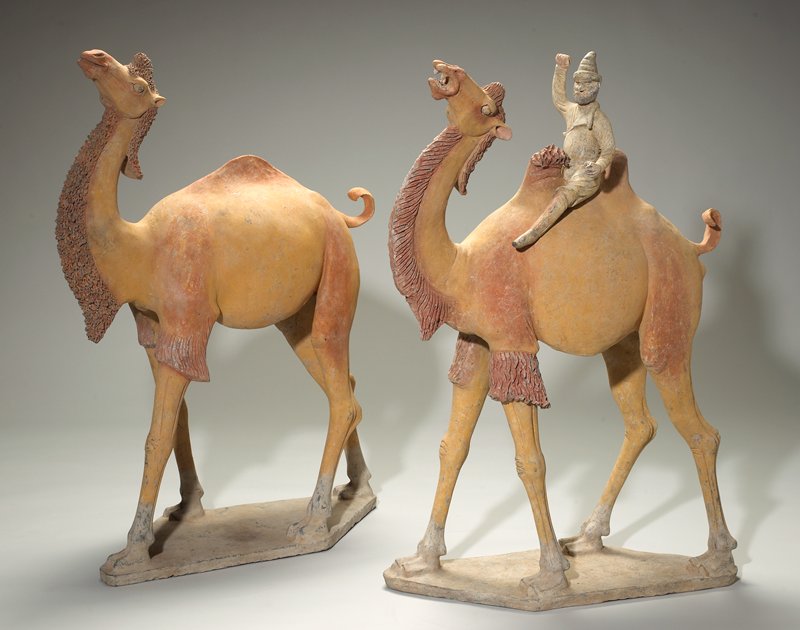
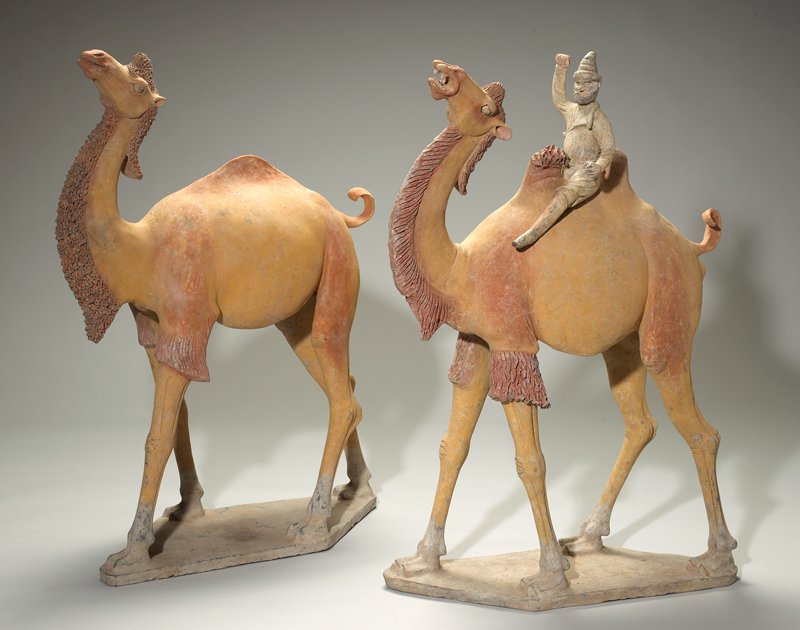
  3. Two camels and a groom (Camel)
Two camels and a groom (Camel), 618–907

Two camels and a groom (Camel)

618–907 · Ceramics, Sculpture · 105.41 × 72.39 cm

Sobre a escultura

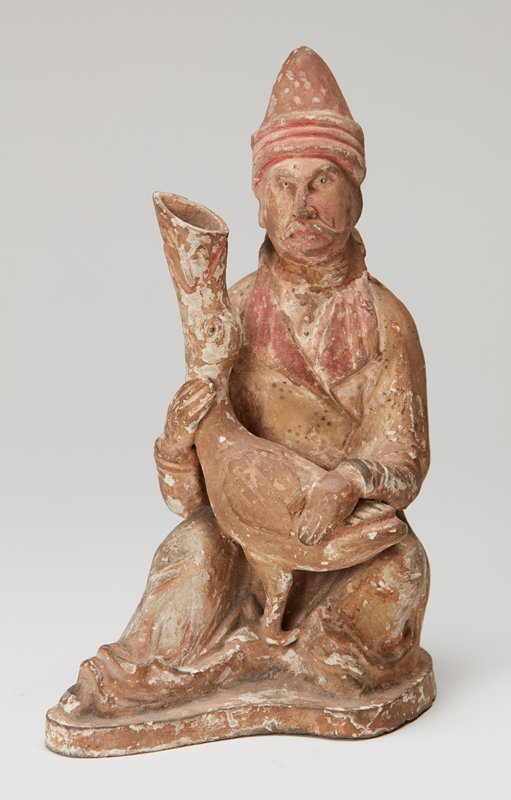
This group of two camels and their central Asian driver is remarkable for its large size, expressive modeling, and strong color. The heavily bearded groom rides a Bactrian (two-humped) camel, and they are accompanied by a one-humped dromedary. As the Chinese empire extended across most of central Asia during the Tang dynasty (618–907), the need for camels was enormous. Camels were treasured for their reliability in transporting people and trade merchandise through the great Gobi and Tarim deserts. Most camel herders were foreigners from Mongolia and central Asia. The great dusty beasts thronging the sprawling markets of cities like Chang’an (present-day Xi’an) and Luoyang gave Tang potters ample opportunity to study their every characteristic as well as those of the foreigners who tended them.

Instituto de Artes de Minneapolis

Pormenores

Número de inventário
2004.205.1.1

Na mesma sala · G207, Instituto de Artes de Minneapolis

Página do museu

Será possível contemplá-la?

Sim, recebe visitas

Instituto de Artes de Minneapolis

Minneapolis, Estados Unidos

SalaG207

Exposta ao público. Quem o garante vem indicado abaixo.

Verificado
há 3 dias
Neste estado desde
25 de set. de 2026
Fonte
O museu
No mapaPágina do museu

No catálogo

EsculturaChina

Fontes

  • Instituto de Artes de Minneapolis
  • Imagem: Instituto de Artes de Minneapolis — public domain
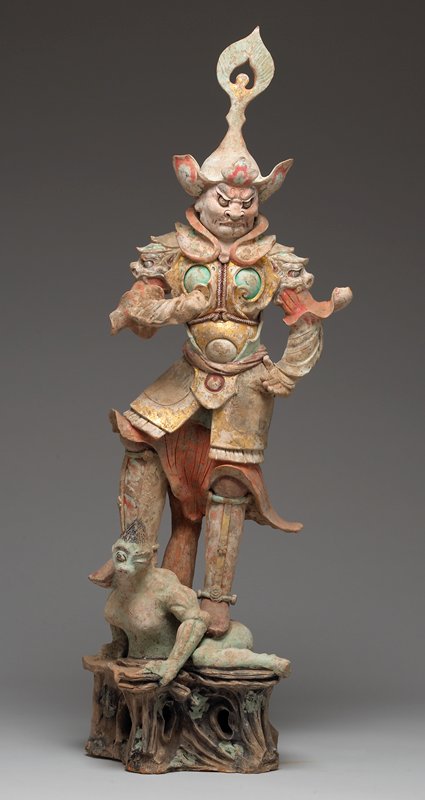
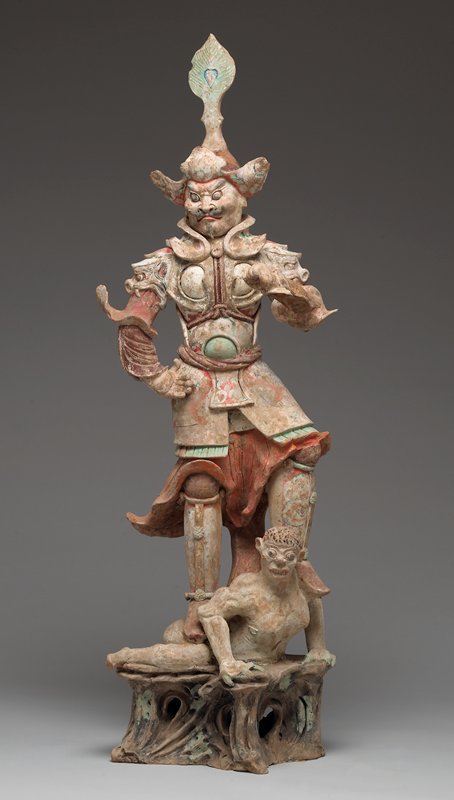
Lokapala Guardian King, one of a pair, late 7th–early 8th century

Lokapala Guardian King, one of a pair, late 7th–early 8th century

Lokapala Guardian King, one of a pair, late 7th–early 8th century

Lokapala Guardian King, one of a pair, late 7th–early 8th century

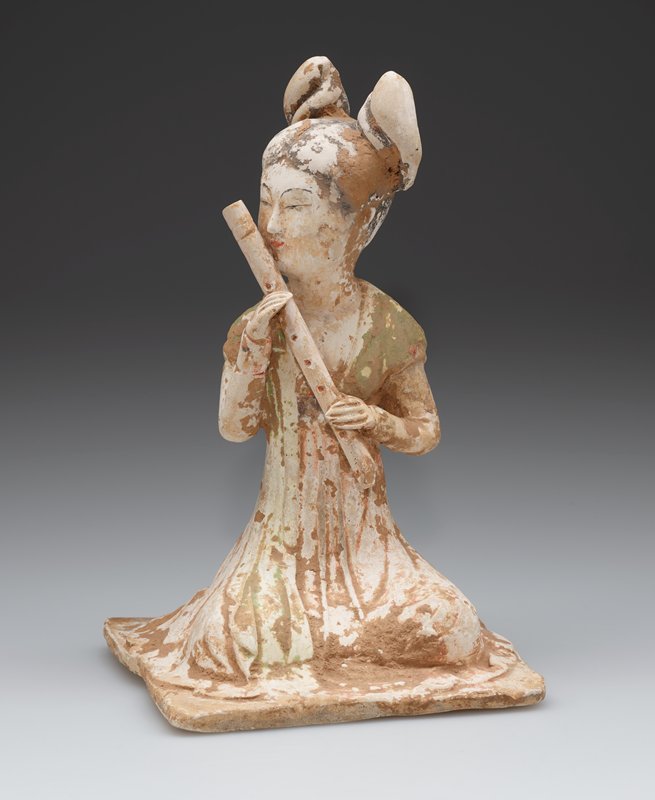
Tomb figure of a musician playing a bamboo flute, 618–906

Tomb figure of a musician playing a bamboo flute, 618–906

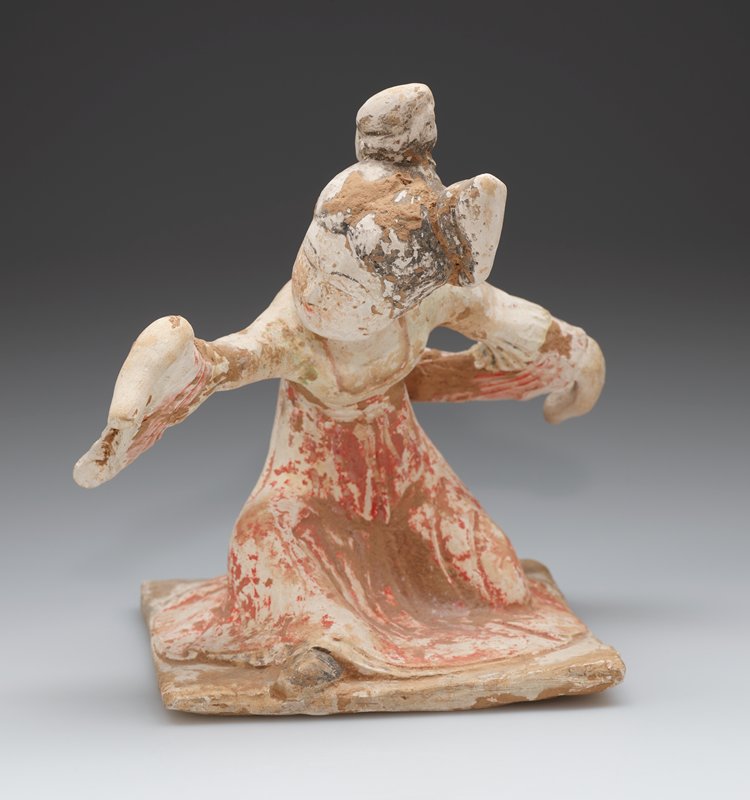
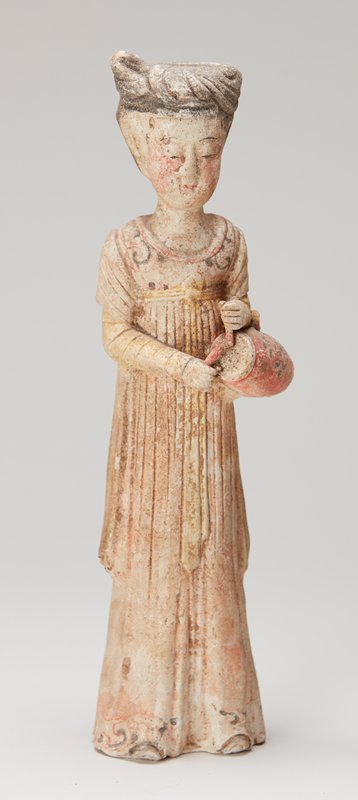
Figure of a woman, 618–906

Figure of a woman, 618–906

Two camels and a groom (Camel and groom), 618–906

Two camels and a groom (Camel and groom), 618–906

Tomb Figure, c. 700

Tomb Figure, c. 700

Tomb Figure, c. 700

Tomb Figure, c. 700

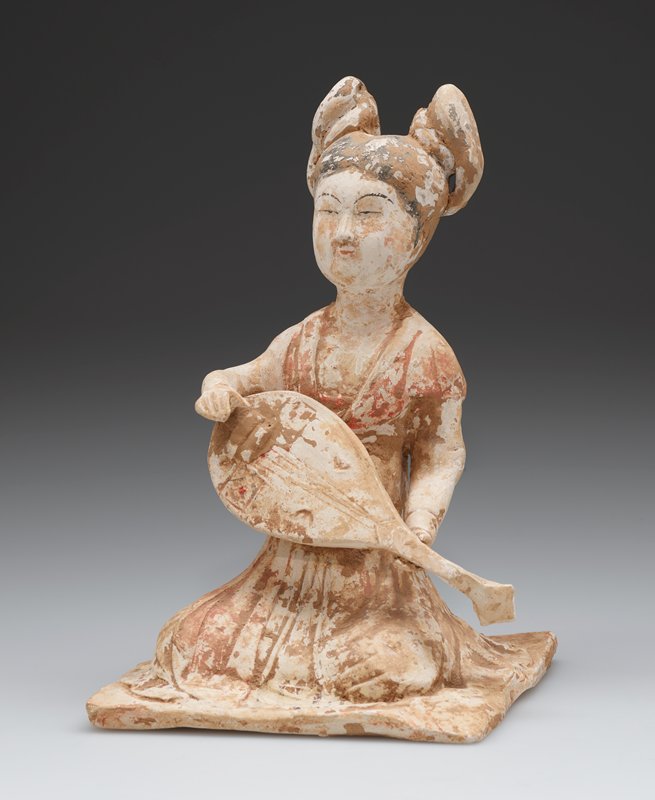
Tomb figure of a musician playing a lute, 618–906

Tomb figure of a musician playing a lute, 618–906