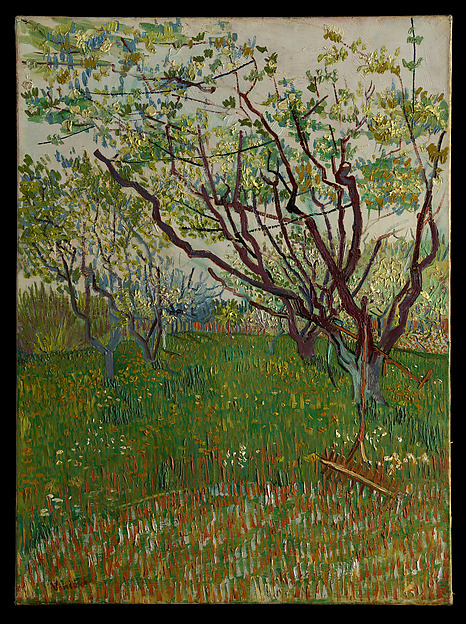
John RuskinInglaterra, 1819–1900
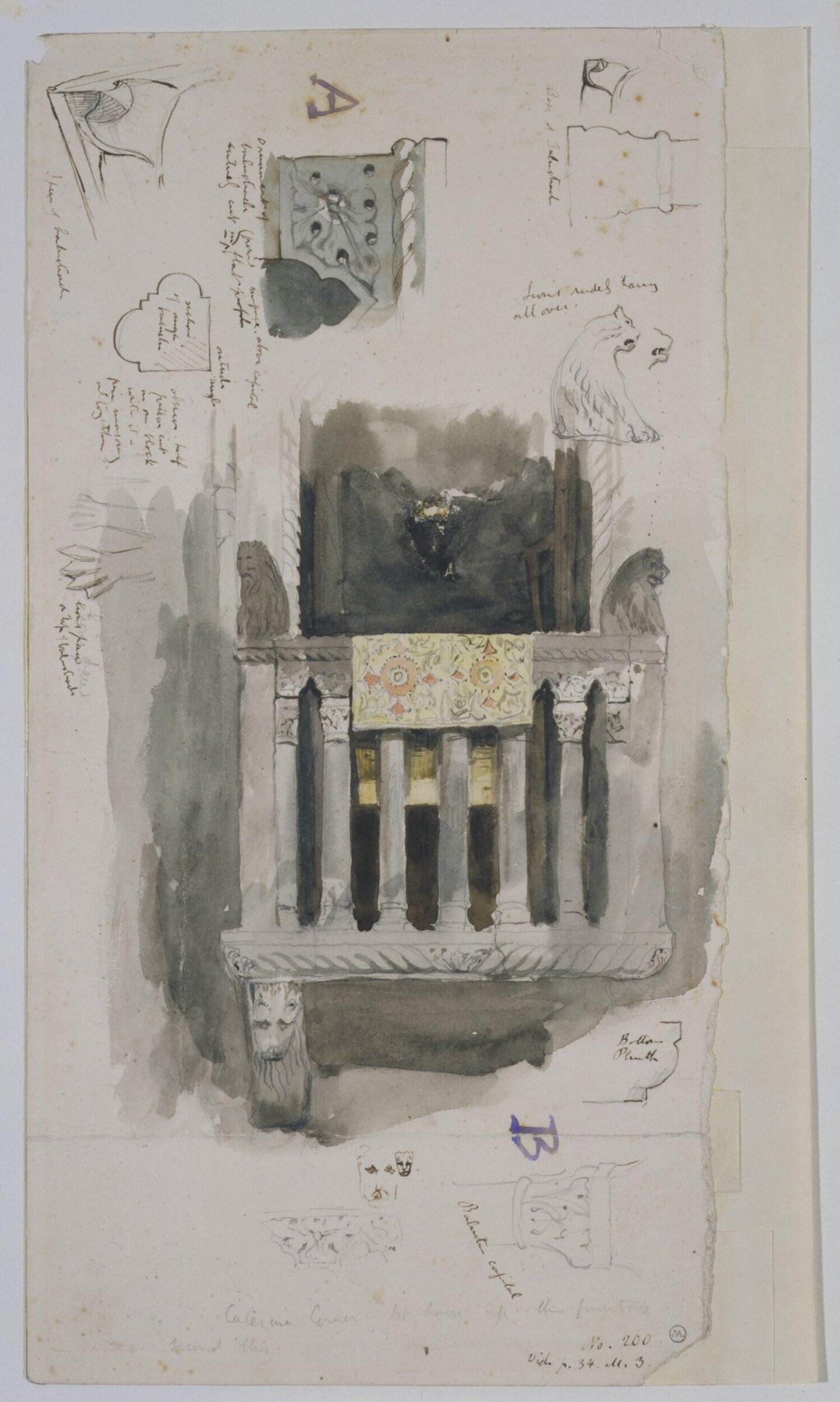
Tree Study
Dá para ver?
Não está exposta no momento
Onde está “Tree Study” hoje? Coleção: Galeria Nacional de Arte, Washington, D.C. Não está exposta no momento. Verificado 16 de novembro de 2026.

Washington, D.C., Estados Unidos
Pertence à coleção, mas no momento não está exposta.
- Verificado
- Com este status desde
- Fonte
- O museu
Detalhes
- Número de inventário
- 1988.20.38
O que mostra
No catálogo
Fontes
- Galeria Nacional de Arte
- Imagem: Galeria Nacional de Arte — Museum open access
Na vida de John Ruskin
A vida inteira1834–1900 · Local de trabalho
Great Britain
10 de abril de 1848
Married: Effie Gray
1851–1853
The three-volume “Stones of Venice”
Growing from a technical history of Venetian architecture, from the Byzantine to the Renaissance, into a broad cultural history, the work is a warning to contemporary England about the moral and spiritual health of society: Ruskin explains the decline of Venice by the loss of true Christian faith. The chapter “The Nature of Gothic” from the second volume — a critique of the division of labour and industrial capitalism — will be published by William Morris as a separate book.
April – July 1854
Effie leaves Ruskin and the marriage is annulled
Suffering from illness and from fierce quarrels with her husband and his overly protective parents, Effie goes to her own parents in Scotland; she and Millais have fallen in love, and her leaving causes a public scandal. In April 1854 she files a suit of nullity on grounds of non-consummation, which is granted in July; Ruskin does not even mention it in his diary.
1858
Turin: Veronese against a dull sermon
In Turin Ruskin sits through a particularly dull sermon at a Waldensian church and sees Paolo Veronese's “Presentation of the Queen of Sheba” at the Galleria Sabauda; later, in April 1877, he will name this as the start of his “unconversion” from Evangelical Christianity. His faith, long shaken by Biblical and geological scholarship, collapses, and, believing that much of his writing had rested on lies and half-truths, Ruskin goes through a deep personal crisis before returning to Christianity after a long struggle.
August – November 1860
“Unto This Last” in the Cornhill Magazine
In four essays published in the Cornhill Magazine Ruskin rejects the division of labour as dehumanising and calls political economy a false “science” that ignores the social affections that bind communities together, but the editor, Thackeray, is forced to abandon the series by the outcry of conservative readers and a nervous publisher. The national press is hostile and his father disapproves, while Carlyle is delighted and declares that they are henceforth “a minority of two”.