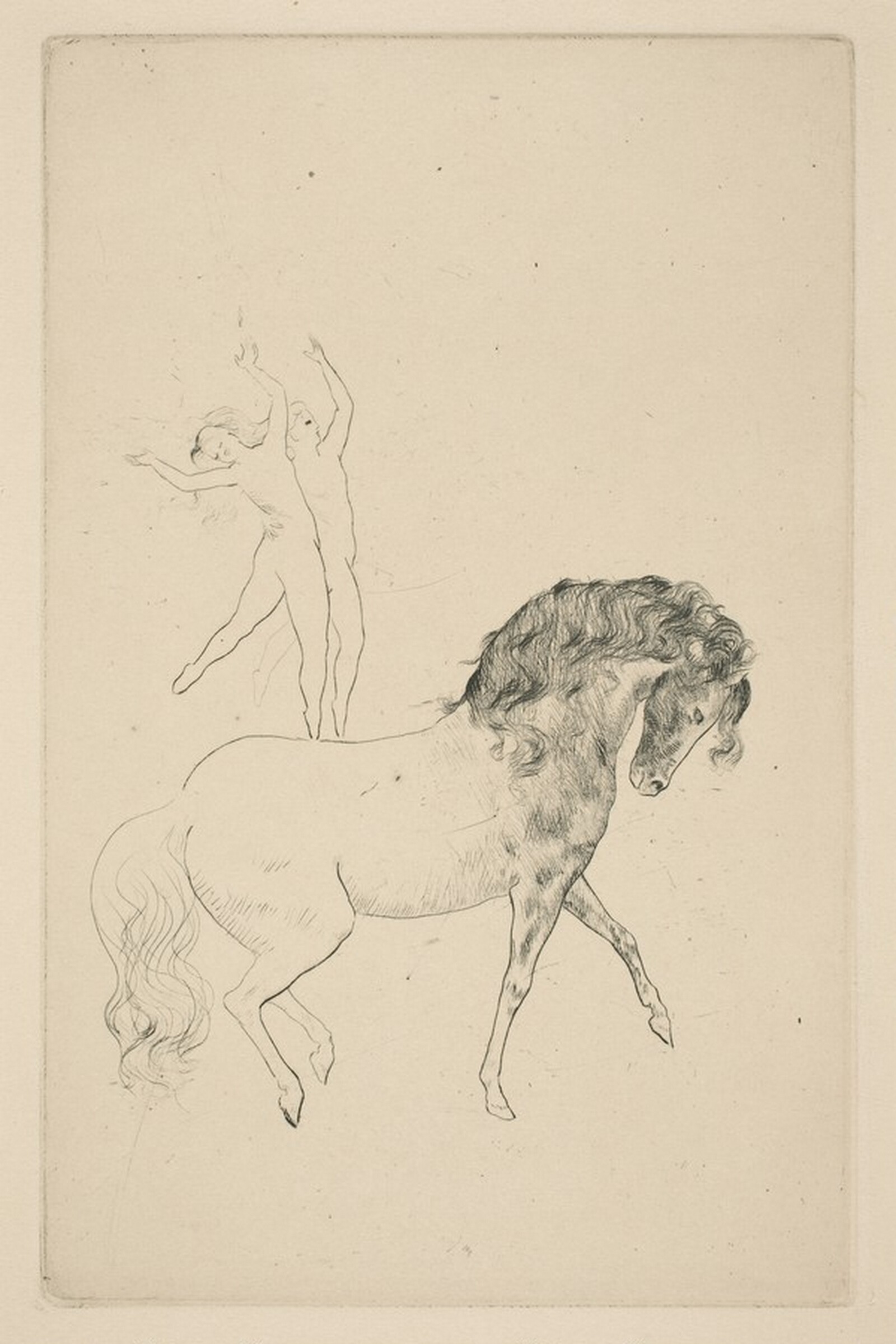
Edgar DegasFrança, 1834–1917
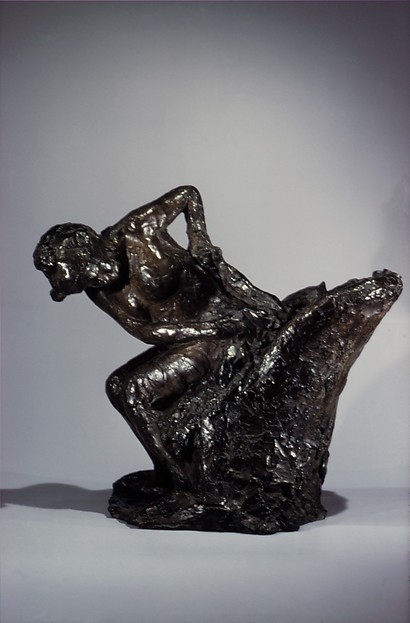
Thoroughbred Horse Walking
Posso vê-la?
Sim, exposta agora
Onde está «Thoroughbred Horse Walking» hoje? Museu Metropolitano de Arte, Sala 814, Nova Iorque. Sim, exposta agora. Verificado 29 de setembro de 2026.

Nova Iorque, Estados Unidos
Exposta ao público.
- Verificado
- Neste estado desde
- Fonte
- O museu
Pormenores
- Número de inventário
- 29.100.434
O que mostra
No catálogo
Fontes
- Museu Metropolitano de Arte
- Imagem: Museu Metropolitano de Arte — Open Access (CC0)
Na vida de Edgar Degas
A vida inteira1881
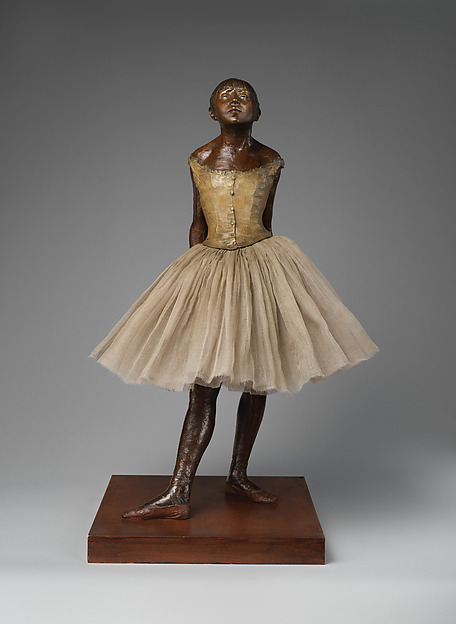
“The Little Dancer of Fourteen Years” on show
The nearly life-size wax figure with real hair and a cloth tutu, modelled on Marie van Goethem, provoked a strong reaction: critics found its realism extraordinary, but many denounced the dancer as ugly. It was the only sculpture Degas showed in his lifetime.
by 1882
His eyesight sharply worsens
By 1882 Degas's eyesight began to worsen sharply: he turned to pastel and then to sculpture, where he could rely more on touch.
1886
The eighth exhibition: pastel nudes, and the end of the group
At the last Impressionist exhibition Degas showed a suite of pastel nudes, which drew more critical writing than anything else in his lifetime, mostly laudatory. The group broke up, partly through rancour over the inclusion of non-Impressionists such as Forain and Raffaëlli.
1890s
The Dreyfus Affair: a break with his Jewish friends
The Dreyfus Affair intensified Degas's antisemitism: by the mid-1890s he had broken with all his Jewish friends and refused to use models he thought might be Jewish; the affair also set him at odds with Mary Cassatt. He remained among the Anti-Dreyfusards until his death.
1912
A forced move, and the end of his work
In 1912 the impending demolition of his house on the rue Victor Massé, where he had lived for years, forced Degas to move to the Boulevard de Clichy; he apparently ceased working then, although he is known to have used pastel as late as the end of 1907 and is believed to have made sculptures until 1910. In his last years, nearly blind and unmarried, he wandered restlessly through the streets of Paris.
27 de setembro de 1917
Died




![The Watering Place (Horses Bathing) [L'abreuvoir (chevaux au bain)], Pablo Picasso, 1906](https://api.nga.gov/iiif/bbac782b-88ea-4477-97a5-4369aa47b98a/full/!2400,2400/0/default.jpg)