ART WIKI32 963 em exposição
MapaColeçãoArtistasMuseusExposiçõesRevista
Entrar

ART WIKI

Onde está a obra-prima, e a que horas se abre a porta.

Coleções: Art Institute of Chicago, Galeria Nacional de Arte, Galeria Tretiakov, Getty Villa, Harvard Art Museums, Hermitage, Hirshhorn Museum and Sculpture Garden, Instituto de Artes de Minneapolis, Museu de Arte de Cleveland, Museu de Arte Moderna, Museu do Louvre, Museu Estatal de Amesterdão, Museu J. Paul Getty, Museu Metropolitano de Arte, Museu Nacional de Arte da Dinamarca, Museu Pushkin, Museu Russo, Museu Smithsoniano de Arte Americana, Museu Vitória e Alberto, Museu Whitney de Arte Americana, National Museum of Asian Art, National Portrait Gallery, Catálogo Estatal do Fundo Museológico da Rússia (274 museus), Europeana (19 museus), Wikidata (6 museus), Paris Musées (12 museus) e Joconde, a base de museus do Ministério da Cultura de França (495 museus). As imagens pertencem aos titulares dos direitos.

Secções

  • Mapa
  • Pesquisa
  • Coleção
  • Obras-primas
  • Em exposição agora
  • Artistas

Mais

  • Museus e galerias
  • Exposições
  • Revista
  • De onde vêm os dados
  • Privacidade e cookies
InícioMapaCatálogo
  1. Coleção/
  2. Museu de Arte Moderna/
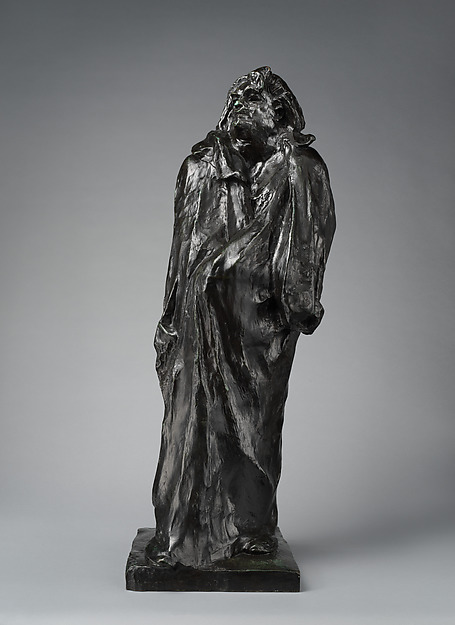
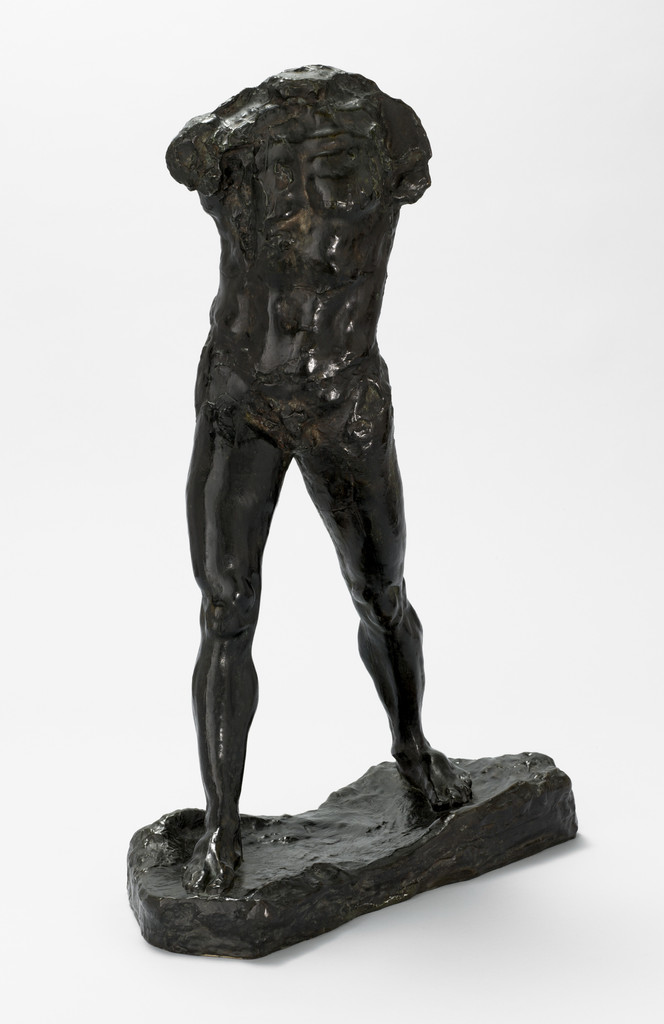
  3. The Walking Man
The Walking Man, Auguste Rodin, c. 1890-95 (cast c.1904)
Auguste Rodin, retratoAuguste RodinFrança, 1840–1917

The Walking Man

c. 1890-95 (cast c.1904) · Sculpture

Será possível contemplá-la?

De momento, não recebe

Museu de Arte Moderna

Nova Iorque, Estados Unidos

Pertence à coleção, mas de momento não está exposta.

Verificado
há 8 dias
Fonte
Os dados da própria coleção do museu
No mapaPágina do museu

Pormenores

c. 1890-95 (cast c.1904)
18401917
Número de inventário
183.1994

No catálogo

EsculturaBronzeImpressionismoSéculo XIX

Fontes

  • Museu de Arte Moderna: os dados abertos do museu · obtido há 15 dias
  • Imagem: Museu de Arte Moderna — © the artist or rights holder

Entretanto, na vida de Auguste Rodin

A vida inteira
  1. 1889

    Rodin and Monet at the Georges Petit gallery

    “The Burghers of Calais” was the main event of a joint exhibition of Rodin and Claude Monet: thirty-six sculptures by Rodin and seventy paintings by Monet.

  2. 1891

    Commission for the Balzac monument

    The Société des Gens de Lettres, largely through the personal efforts of its president, Émile Zola, commissioned a monument to Balzac to be delivered in two years. Rodin pictured a massive standing figure with a large head and a body hidden in drapery, but he missed the deadline.

  3. 1893

    Chicago: nudes behind a drape

    Through the curator Sarah Hallowell, Rodin sent “Cupid and Psyche”, “Sphinx” and “Andromeda” to the Chicago World's Fair; the nudes caused such controversy that they were hidden behind a drape, with special permission needed to see them. Even so, the financier Charles Yerkes bought two large marbles and was probably the first American to own a Rodin.

  4. 1898

    Parts from Camille Claudel

    Rodin never gave up Rose Beuret, his companion of the lean years and the mother of his son; in 1898 he and Claudel parted. A few years later Claudel suffered what is called a nervous breakdown, and her family confined her to an institution for thirty years.

  5. 1898

    The scandal over “Balzac”

    The monument's showing in 1898 caused a storm: the Société des Gens de Lettres rejected it, the press ran parodies, and Monet, Debussy and the future premier Clemenceau signed a manifesto in Rodin's defence. Rodin repaid the commission and moved the statue to his garden; he never completed another public commission.

  6. 1900

    Rodin's pavilion at the World's Fair

    The French government gave him an entire pavilion: a retrospective of 136 sculptures and 14 unfinished works showed “The Gates of Hell” for the first time. The exhibition brought sales of sculptures to museums around the world worth about 200,000 francs.

Mais obras de Auguste Rodin

Todas as obras
Adam, Auguste Rodin, modeled 1880 or 1881, cast 1910

Adam

modeled 1880 or 1881, cast 1910 · Museu Metropolitano de Arte

Honoré de Balzac, Auguste Rodin, 1891

Honoré de Balzac

1891 · Museu Metropolitano de Arte

Statuette of a Woman, Auguste Rodin, early 1880s

Statuette of a Woman

early 1880s · Galeria Nacional de Arte

Statuette of a Woman, Auguste Rodin, possibly early 20th century

Statuette of a Woman

possibly early 20th century · Galeria Nacional de Arte

Head of a Woman, Auguste Rodin, possibly 1880s

Head of a Woman

possibly 1880s · Galeria Nacional de Arte

Final Study for the Monument to Balzac, Auguste Rodin, modeled 1897, cast 1972

Final Study for the Monument to Balzac

modeled 1897, cast 1972 · Museu Metropolitano de Arte

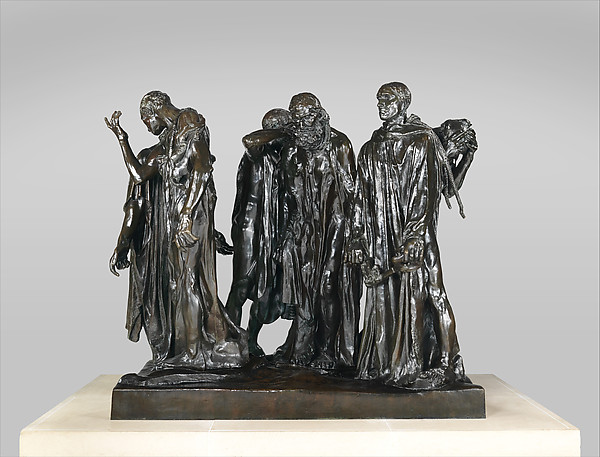
The Burghers of Calais, Auguste Rodin, modeled 1884–95, cast 1985

The Burghers of Calais

modeled 1884–95, cast 1985 · Museu Metropolitano de Arte

Torso, Auguste Rodin, modeled ca. 1877–78, cast 1979

Torso

modeled ca. 1877–78, cast 1979 · Museu Metropolitano de Arte

Vizinhas de sala: Museu de Arte Moderna

Página do museu
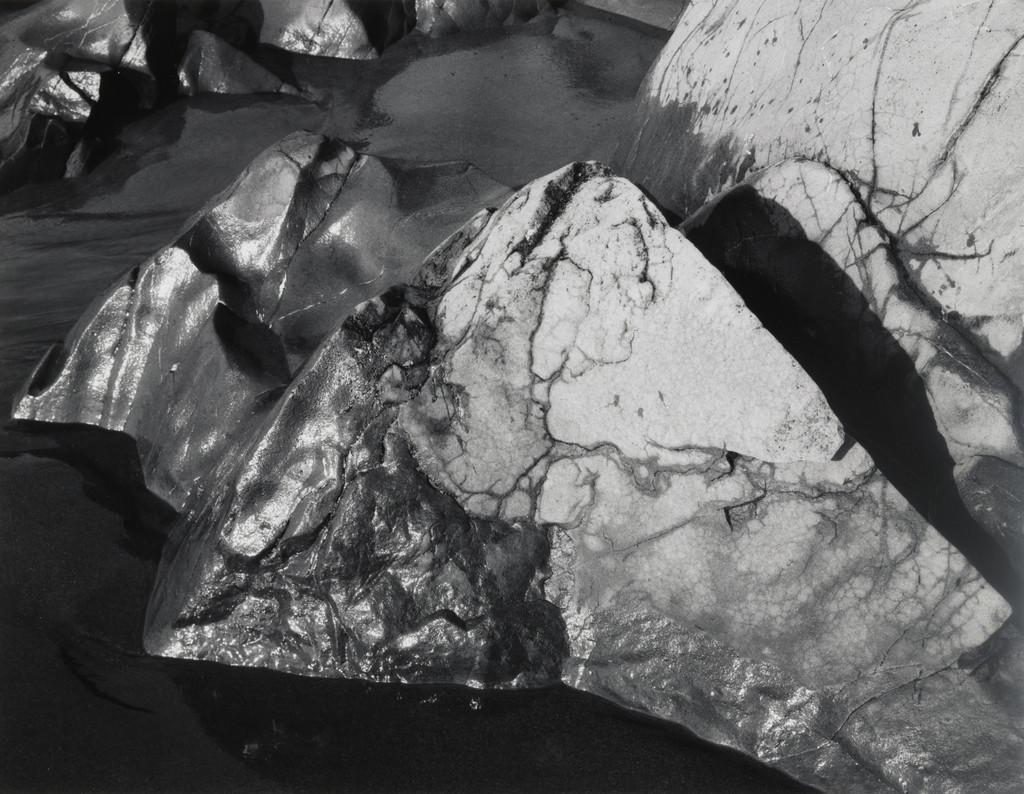
Rock, Bakers Beach, San Francisco, California, Ansel Adams, c. 1931

Ansel Adams

Rock, Bakers Beach, San Francisco, California, c. 1931

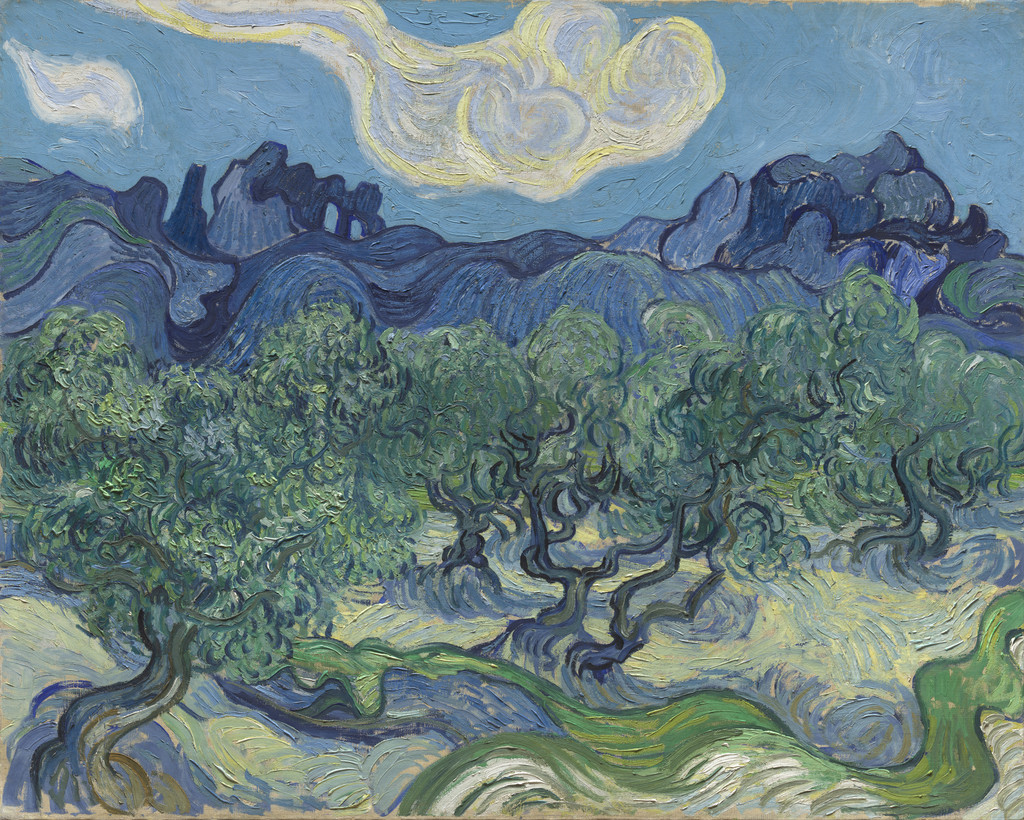
The Olive Trees, Vincent van Gogh, Saint Rémy, June-July 1889

Vincent van Gogh

The Olive Trees, Saint Rémy, June-July 1889

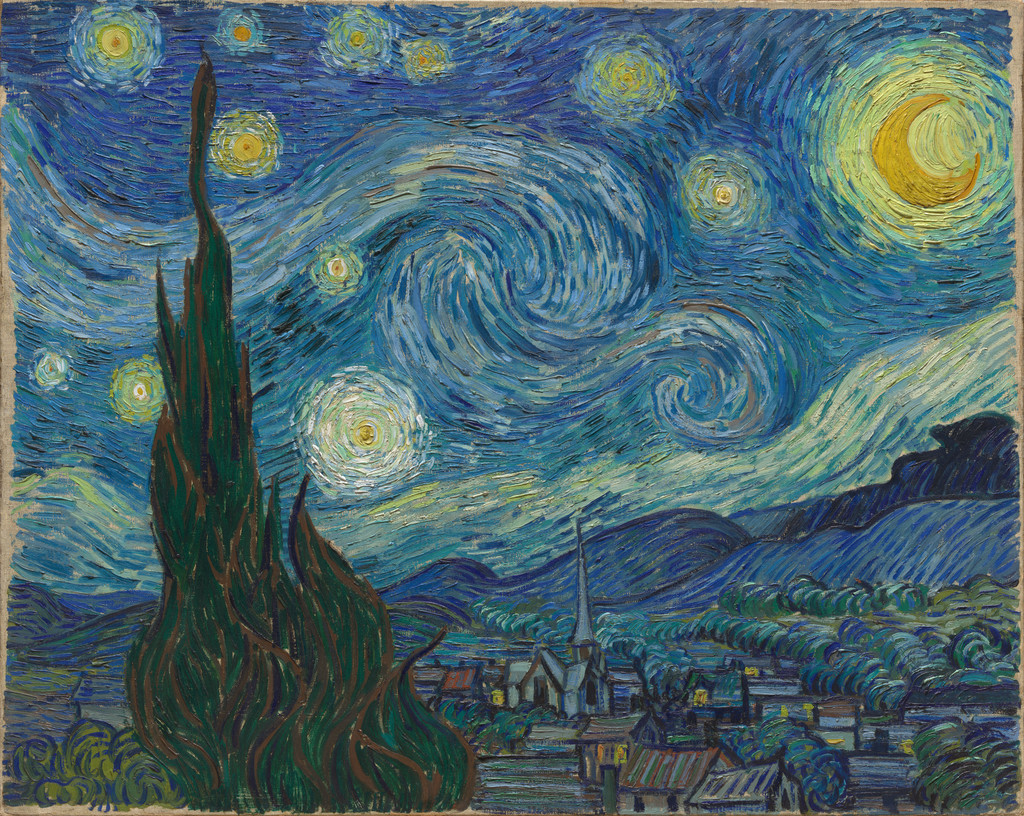
The Starry Night, Vincent van Gogh, Saint Rémy, June 1889

Vincent van Gogh

A Noite Estrelada, Saint Rémy, June 1889

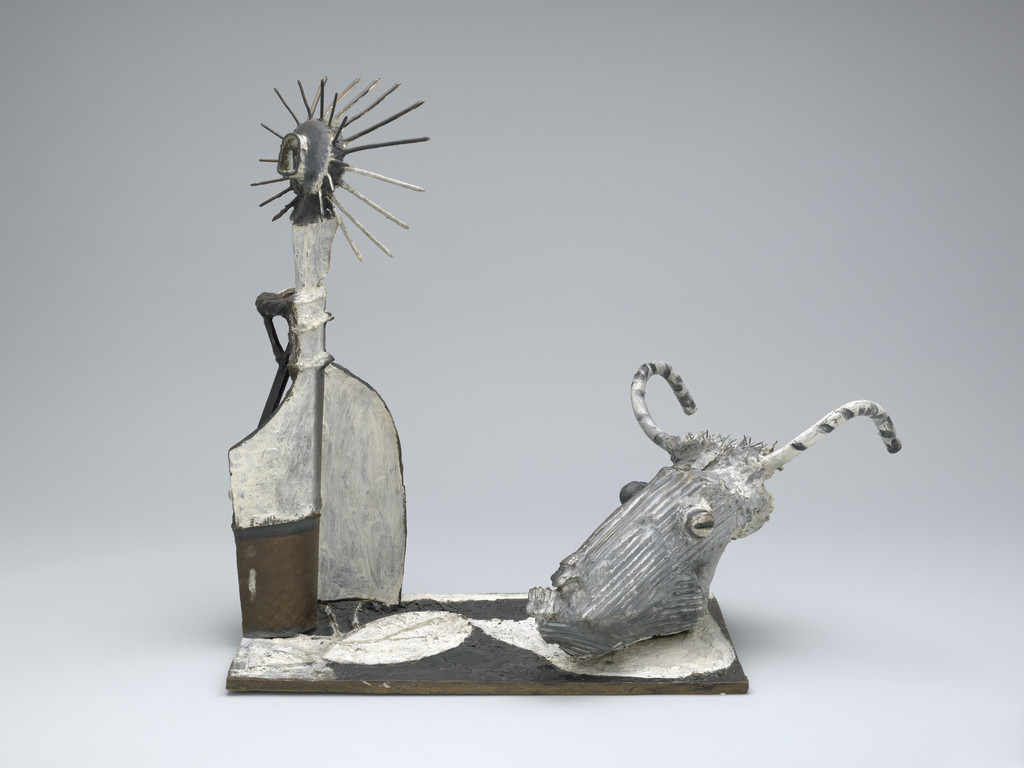
Goat Skull and Bottle, Pablo Picasso, Vallauris, 1951 (cast 1954)

Pablo Picasso

Goat Skull and Bottle, Vallauris, 1951 (cast 1954)

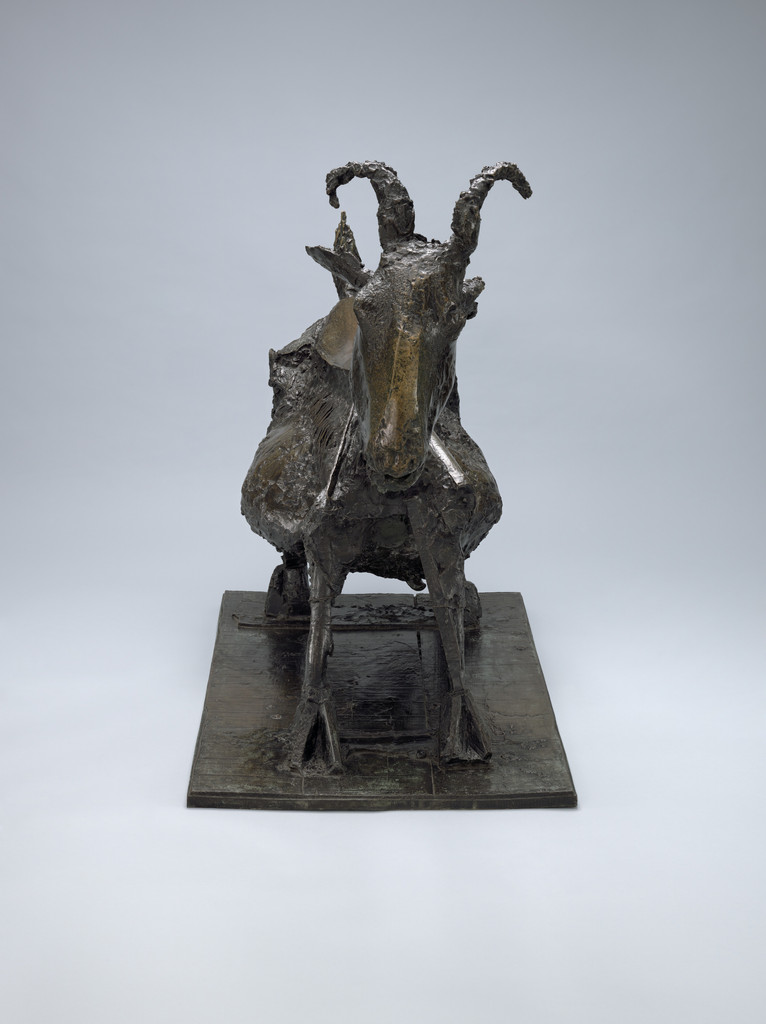
She-Goat, Pablo Picasso, Vallauris, 1950 (cast 1952)

Pablo Picasso

She-Goat, Vallauris, 1950 (cast 1952)

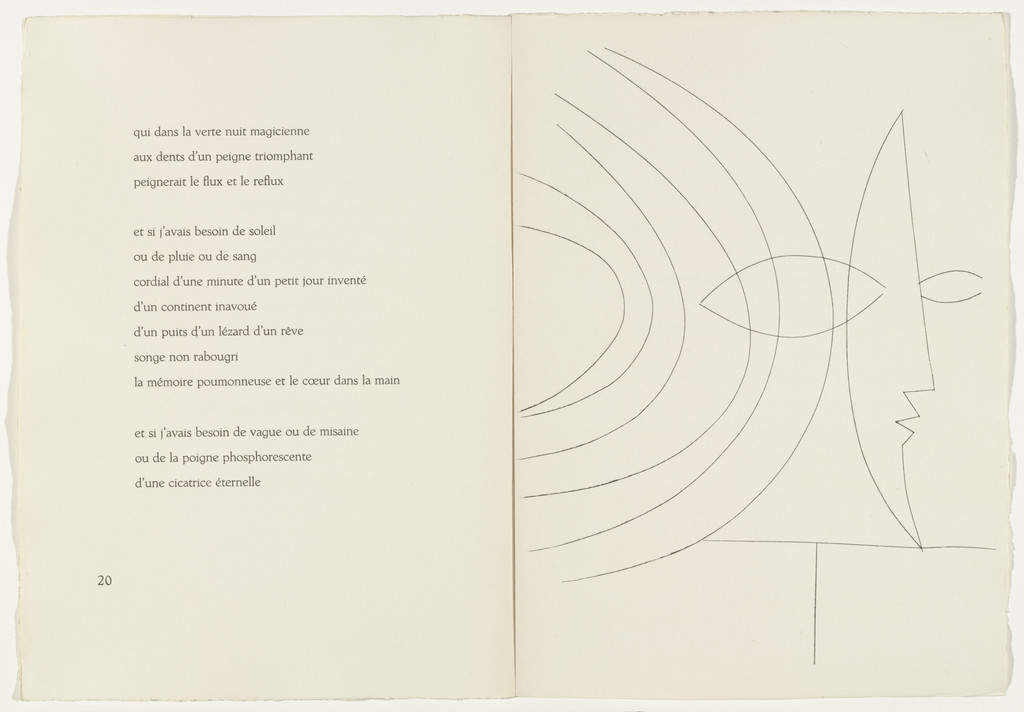
Face in Profile (plate, page 21) from Corps perdu, Pablo Picasso, 1949, published 1950

Pablo Picasso

Face in Profile (plate, page 21) from Corps perdu, 1949, published 1950

Coupling (plate, page 17) from Corps perdu, Pablo Picasso, 1949, published 1950

Pablo Picasso

Coupling (plate, page 17) from Corps perdu, 1949, published 1950

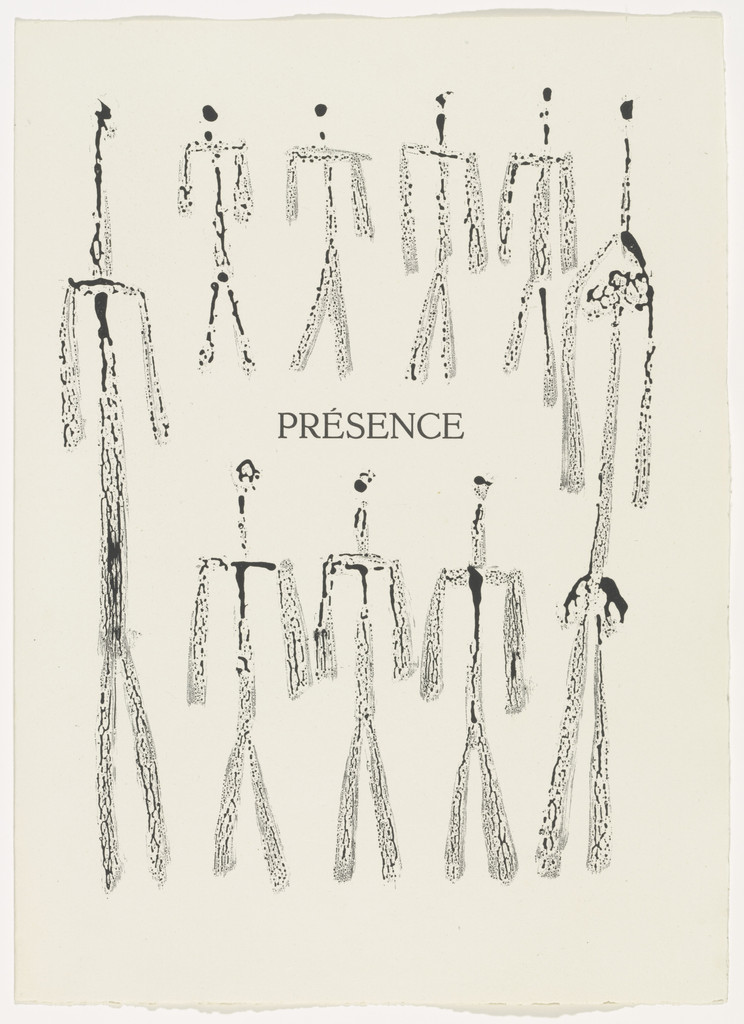
"Présence" (chapter title, page 13) from Corps perdu, Pablo Picasso, 1949, published 1950

Pablo Picasso

"Présence" (chapter title, page 13) from Corps perdu, 1949, published 1950