ART WIKI32 979 em exposição
MapaColeçãoArtistasMuseusExposiçõesRevista
Entrar

ART WIKI

Onde está a obra-prima, e a que horas se abre a porta.

Coleções: Art Institute of Chicago, Galeria Nacional de Arte, Galeria Tretiakov, Getty Villa, Harvard Art Museums, Hermitage, Hirshhorn Museum and Sculpture Garden, Instituto de Artes de Minneapolis, Museu de Arte de Cleveland, Museu de Arte Moderna, Museu do Louvre, Museu Estatal de Amesterdão, Museu J. Paul Getty, Museu Metropolitano de Arte, Museu Nacional de Arte da Dinamarca, Museu Pushkin, Museu Russo, Museu Smithsoniano de Arte Americana, Museu Vitória e Alberto, Museu Whitney de Arte Americana, National Museum of Asian Art, National Portrait Gallery, Catálogo Estatal do Fundo Museológico da Rússia (274 museus), Europeana (19 museus), Wikidata (6 museus), Paris Musées (12 museus) e Joconde, a base de museus do Ministério da Cultura de França (495 museus). As imagens pertencem aos titulares dos direitos.

Secções

  • Mapa
  • Pesquisa
  • Coleção
  • Obras-primas
  • Em exposição agora
  • Artistas

Mais

  • Museus e galerias
  • Exposições
  • Revista
  • De onde vêm os dados
  • Privacidade e cookies
InícioMapaCatálogo
  1. Coleção/
  2. Museu de Arte de Cleveland/
  3. The Farnesian Hercules
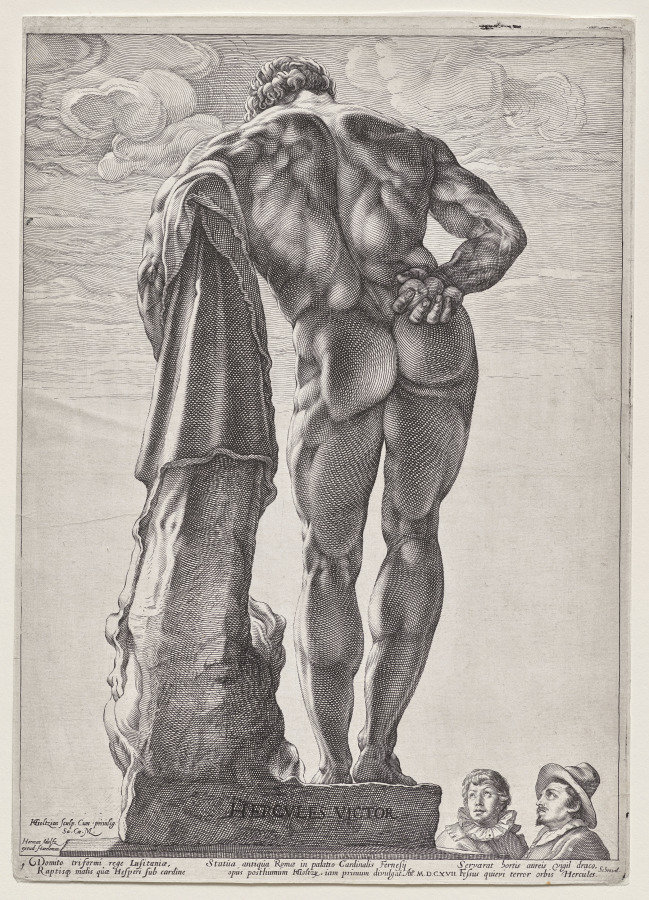
The Farnesian Hercules, Hendrick Goltzius, 1592
Hendrick Goltzius, retratoHendrick GoltziusPaíses Baixos, 1558–1617

The Farnesian Hercules

1592 · Print

Sobre a obra

Hendrick Goltzius was one of many late Renaissance artists who felt compelled to travel to Italy as part of his artistic training. He went with one purpose—to study antique sculpture. Goltzius made drawings on-site and then made engravings after his designs once he returned to Haarlem in 1591. He portrayed the Farnese Hercules from a low viewpoint to capture the awesome experience of first encountering the famous monument. Goltzius showed the sculpture from behind and in shadow, emphasizing its glowing highlights. The print includes two observers, who were assumed by contemporary Dutch commentators to be a self-portrait of Goltzius with his stepson, Jacob Matham, who was also an engraver.

Museu de Arte de Cleveland

Pormenores

1592 · aos 34 anos
15581617
Número de inventário
2022.137

Entretanto, na vida de Hendrick Goltzius

A vida inteira
  1. 1590

    Departure for Italy

    He fled from his wife and, despite his illnesses, set out for Italy — via Hamburg and Munich to Venice, Bologna and Florence. Part of the way he traveled on foot, passing himself off as a commoner, "partly out of a love of mystification."

  2. January 1591

    Eight months in Rome

    He arrived in Rome in January 1591 and stayed eight months (with a brief sojourn in Naples). He discovered Raphael, was especially impressed by Michelangelo and Giambologna, and studied art from classical sculpture to the masters of the Renaissance.

  3. August 1591

    Return to Haarlem with a collection of drawings

    He returned to Haarlem, bringing from Italy a large collection of drawings that he used for the rest of his life; from the Roman material three engravings of classical statues are known, including the Farnese Hercules.

Mais obras de Hendrick Goltzius

Todas as obras

Na mesma sala · 100 1916 Lobby, Museu de Arte de Cleveland

Página do museu

Será possível contemplá-la?

Sim, recebe visitas

Museu de Arte de Cleveland

Cleveland, Estados Unidos

Sala100 1916 Lobby

Exposta ao público. Quem o garante vem indicado abaixo.

Verificado
há 3 dias
Neste estado desde
19 de ago. de 2026
Fonte
O museu
No mapaPágina do museu

No catálogo

GravurasGravura a burilRenascimentoSéculo XVINetherlands, 16th century

Fontes

  • Museu de Arte de Cleveland
  • Imagem: Museu de Arte de Cleveland — Museum open access
Lot and his Daughters, Hendrick Goltzius, 1616

Lot and his Daughters

1616 · Museu Estatal de Amesterdão

Fall of Man, Hendrick Goltzius, 1608

Fall of Man

1608 · Hermitage

Baptism, Hendrick Goltzius, 1608

Baptism

1608 · Hermitage

Dying Adonis, Hendrick Goltzius, 1609

Dying Adonis

1609 · Museu Estatal de Amesterdão

Vertumnus and Pomona, Hendrick Goltzius, 1613

Vertumnus and Pomona

1613 · Museu Estatal de Amesterdão

The Fall of Man, Hendrick Goltzius, 1616

The Fall of Man

1616 · Galeria Nacional de Arte

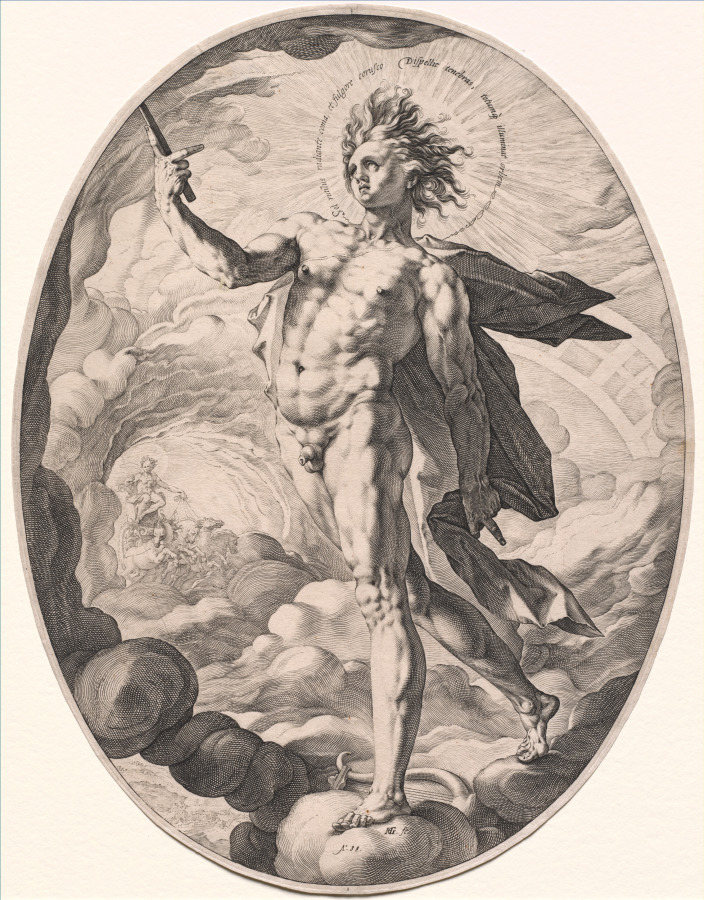
Apollo, Hendrick Goltzius, 1588

Apollo

1588 · Museu de Arte de Cleveland

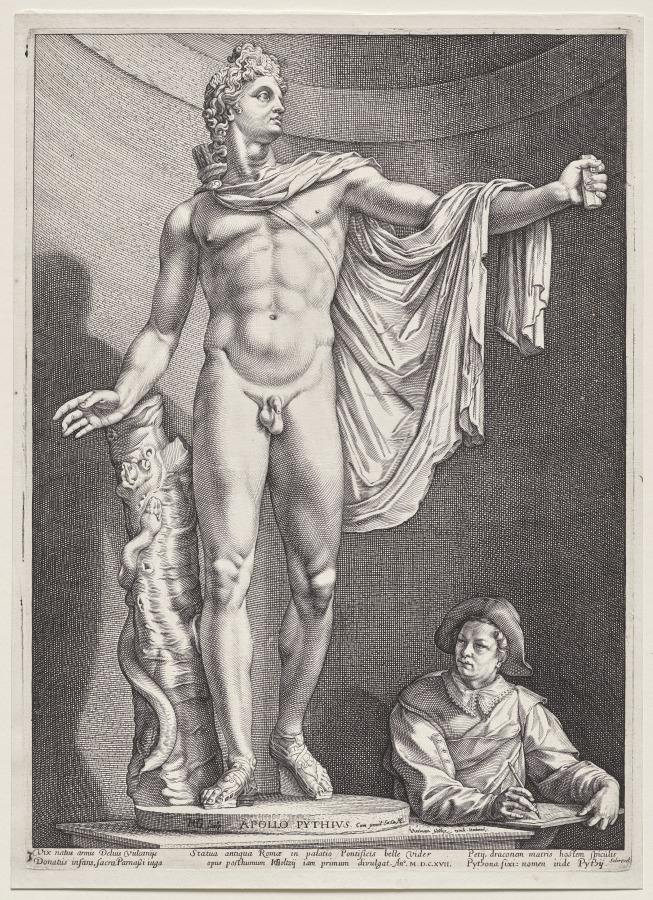
Apollo Belvedere, Hendrick Goltzius, 1592

Apollo Belvedere

1592 · Museu de Arte de Cleveland

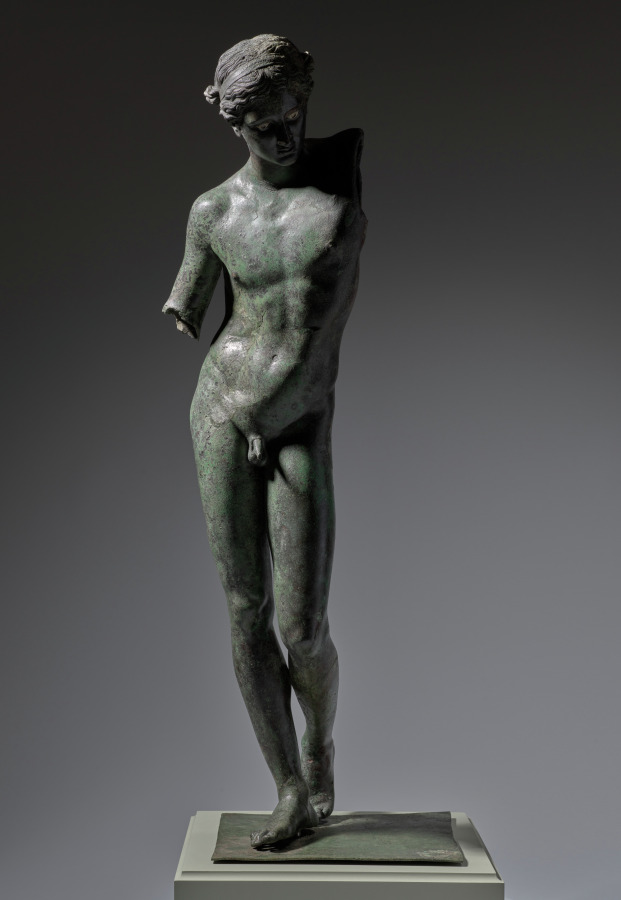
The Cleveland Apollo: Apollo Sauroktonos (Lizard-Slayer) or Apollo the Python-Slayer, Praxiteles, c. 350–200 BCE

Praxiteles

The Cleveland Apollo: Apollo Sauroktonos (Lizard-Slayer) or Apollo the Python-Slayer, c. 350–200 BCE

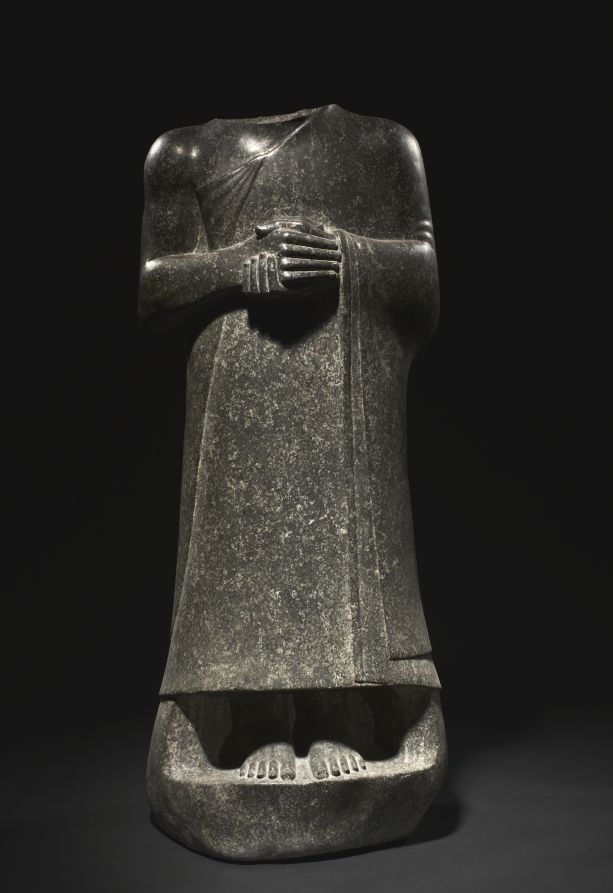
Statue of Gudea, c. 2144–2124 BCE

Statue of Gudea, c. 2144–2124 BCE

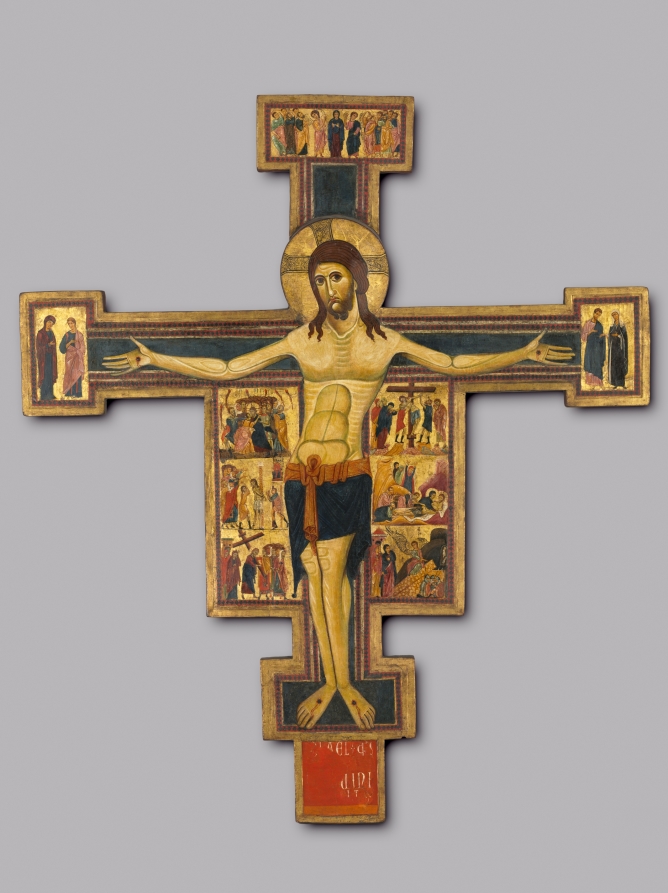
Crucifix with Scenes of the Passion, c. 1230–40

Crucifix with Scenes of the Passion, c. 1230–40

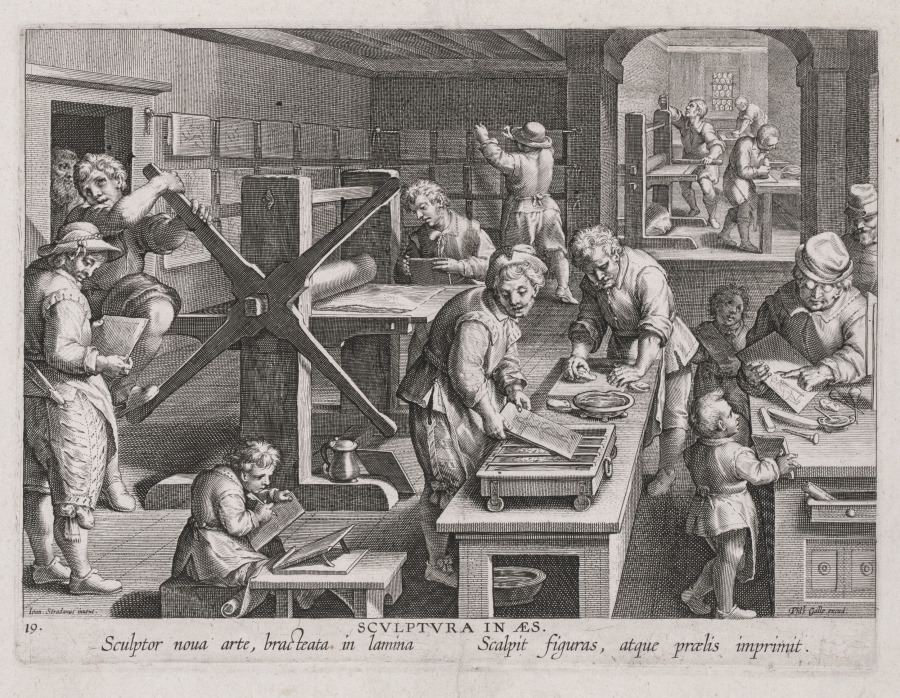
Sculptura in Aes, The Workshop of an Engraver, Jan van der Straet, called Johannes Stradanus, c. 1591

Jan van der Straet, called Johannes Stradanus

Sculptura in Aes, The Workshop of an Engraver, c. 1591

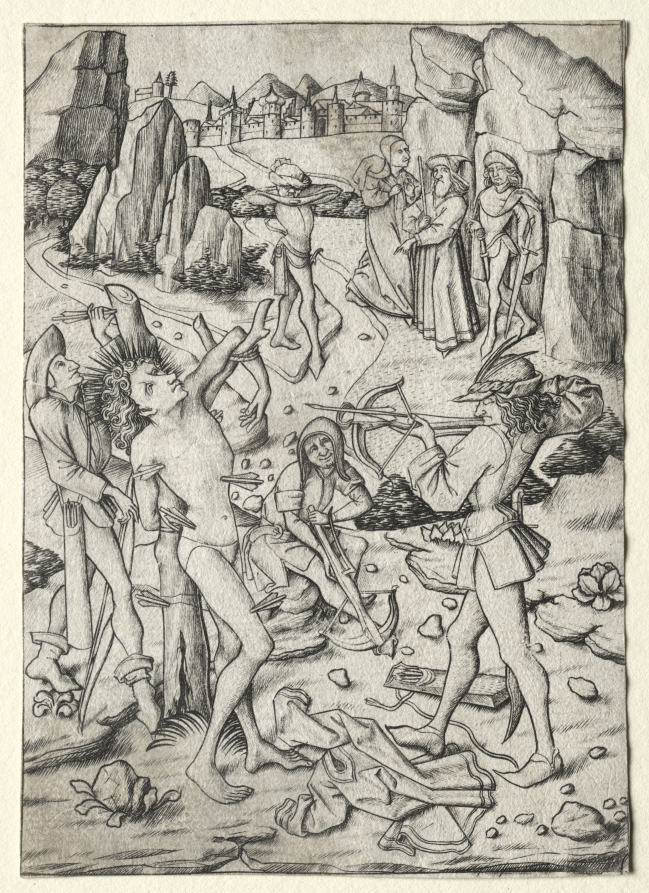
The Martyrdom of St. Sebastian, Master ES, 1450–67

Master ES

The Martyrdom of St. Sebastian, 1450–67

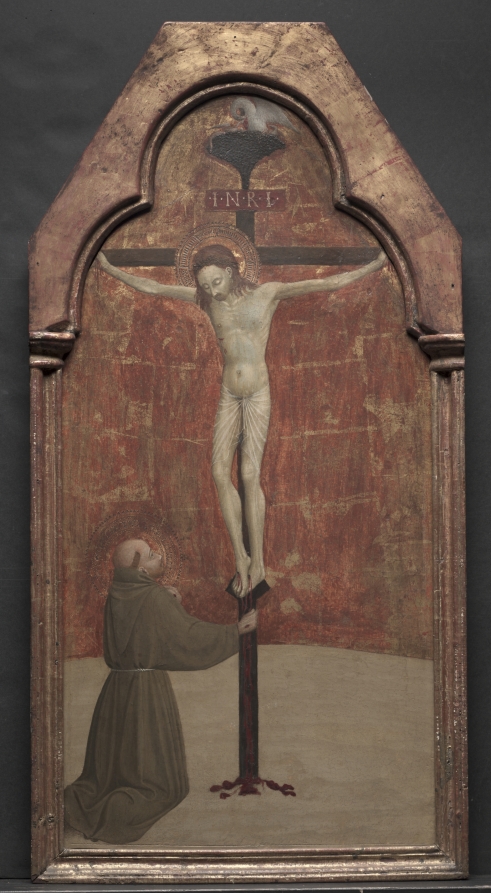
St. Francis Kneeling before Christ on the Cross, Sassetta, 1437–1444

Sassetta

St. Francis Kneeling before Christ on the Cross, 1437–1444

Baseplate for the Cleveland Apollo: Apollo Sauroktonos (Lizard-Slayer) or Apollo the Python-Slayer, Praxiteles, c. 350–200 BCE, or possibly later

Praxiteles

Baseplate for the Cleveland Apollo: Apollo Sauroktonos (Lizard-Slayer) or Apollo the Python-Slayer, c. 350–200 BCE, or possibly later