 Edvard MunchNoruega, 1863–1944
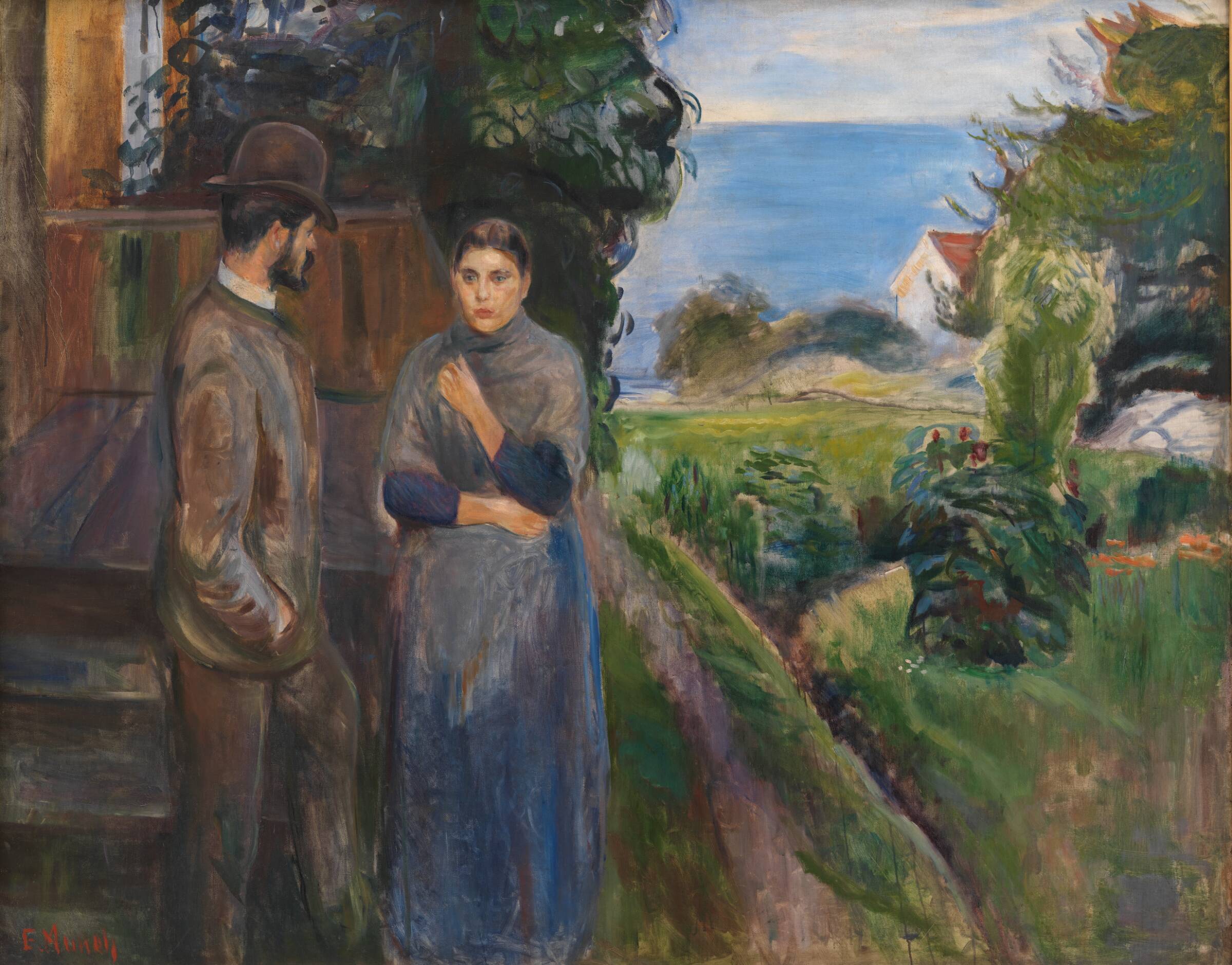
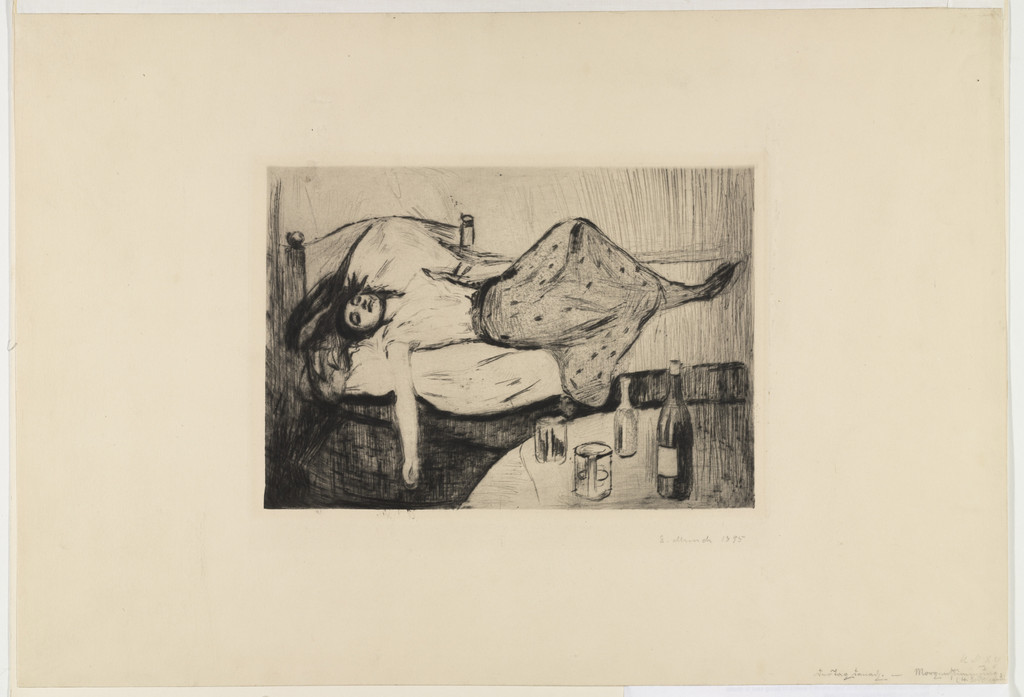
The Day After (Dagen derpå)
Posso vê-la?
Não exposta de momento
Onde está «The Day After (Dagen derpå)» hoje? Coleção: Museu de Arte Moderna, Nova Iorque. Não exposta de momento. Verificado 22 de setembro de 2026.

Nova Iorque, Estados Unidos
Pertence à coleção, mas de momento não está exposta.
- Verificado
- Fonte
- O museu
Pormenores
- Número de inventário
- 392.1954
No catálogo
Fontes
- Museu de Arte Moderna
- Imagem: Museu de Arte Moderna — © the artist or rights holder
Na vida de Edvard Munch
A vida inteira1892
The Berlin Circle: Strindberg and Przybyszewski
He immersed himself in the life of Berlin's artistic "underground," growing close to August Strindberg, Stanisław Przybyszewski, and Dagny Juel, who became his muse.
1892
"The Munch Affair": Scandal in Berlin
At the invitation of Adelsteen Normann he exhibited at the Union of Berlin Artists; the show provoked fierce controversy and was closed within a week. The conflict led to a split in the Union and the formation of the Berlin Secession.
1893
The "Love" Exhibition: Beginning of "The Frieze of Life"
At an exhibition on Unter den Linden he showed, among other works, six paintings under the title "Studies for a Series: Love" — the beginning of the cycle later named "The Frieze of Life — a Poem about Life, Love and Death."
1894
Turn to Copper Engraving
He began engraving on copper on his own, without formal training, working in etching, drypoint, and aquatint, and created many masterpieces in the medium.
1896
Meetings with Gauguin and the Symbolists in Paris
During an important stay in Paris he met Gauguin, Émile Bernard, Maurice Denis, and Symbolist poets, notably Mallarmé. At this time he turned to etching, woodcut, and lithography.
1896
Exhibition at the Maison de l'Art Nouveau
Siegfried Bing showed 60 of Munch's works, including "The Kiss," "The Scream," "Madonna," and "The Sick Child." The exhibition introduced the French public to the artist's work.