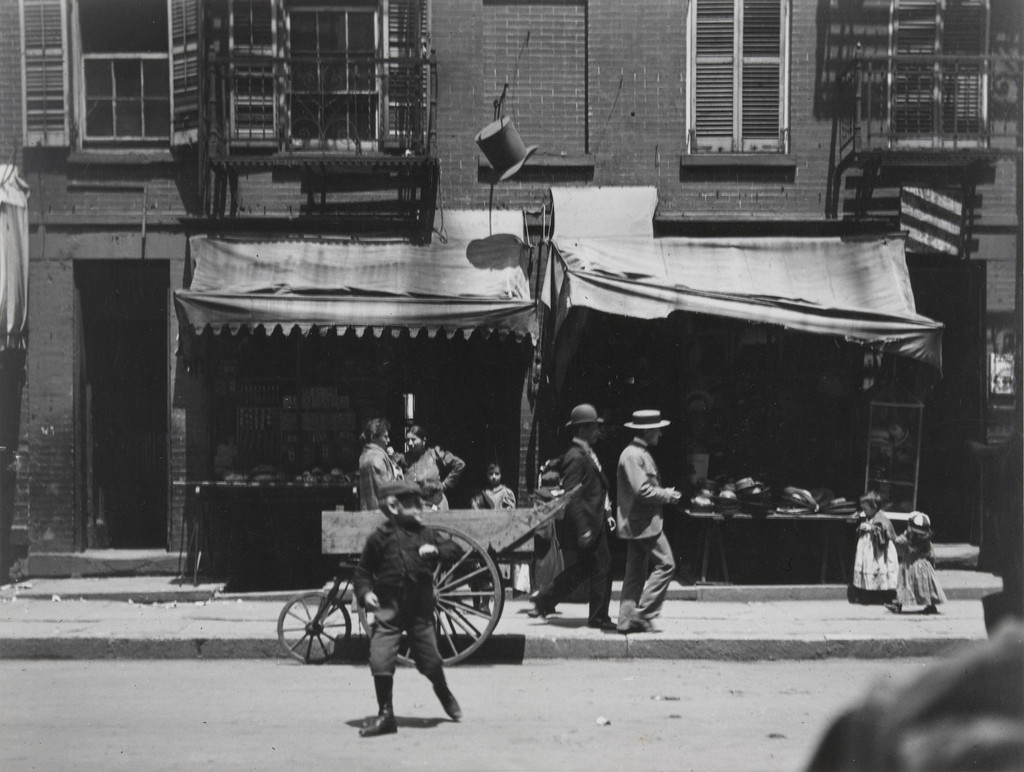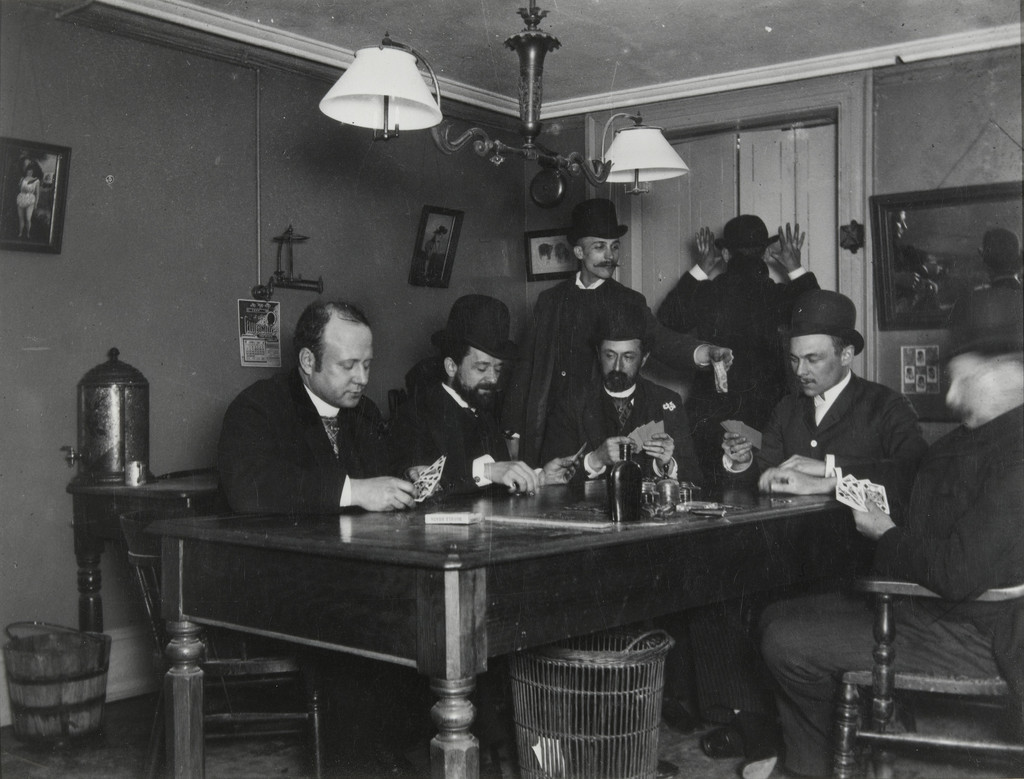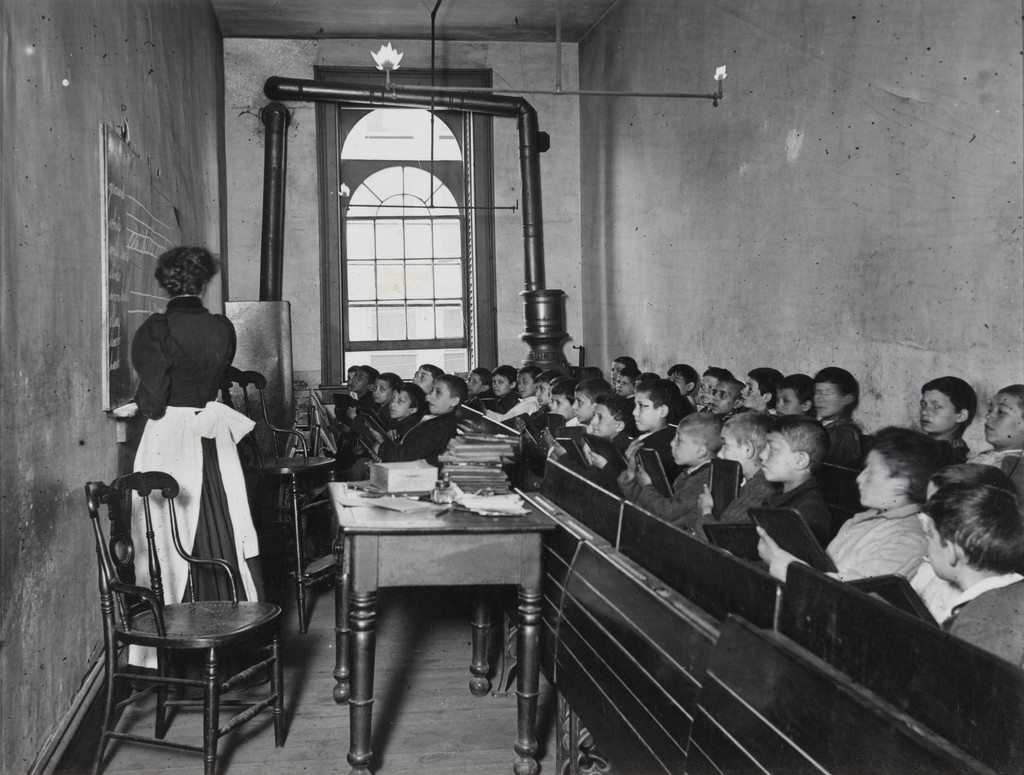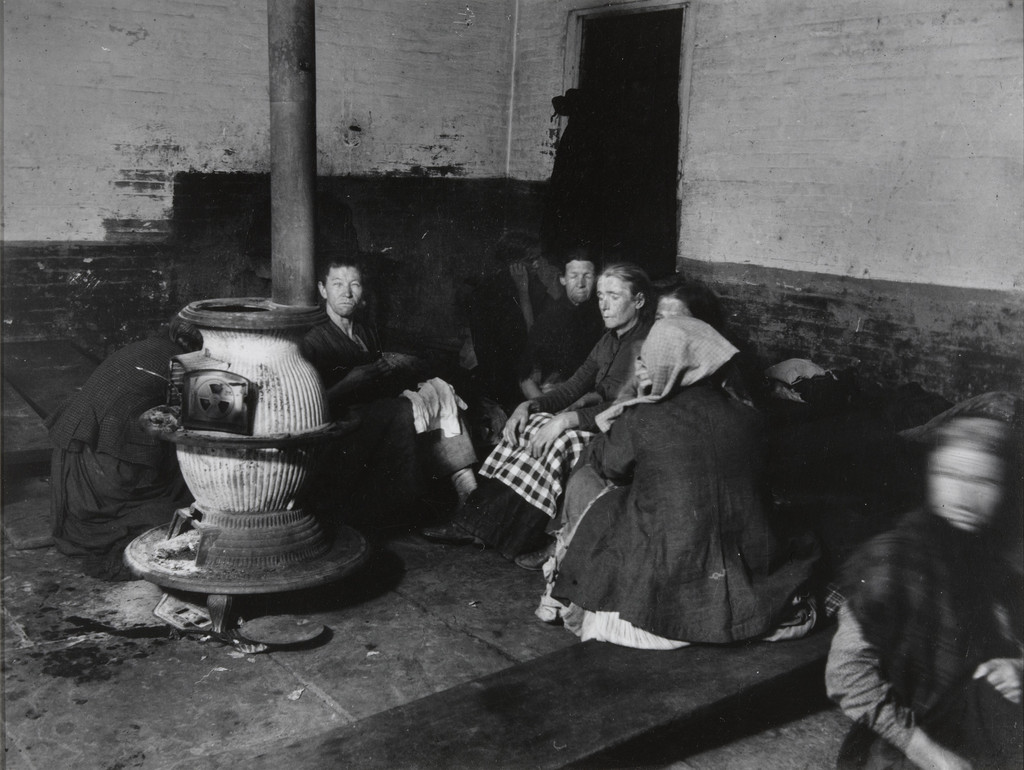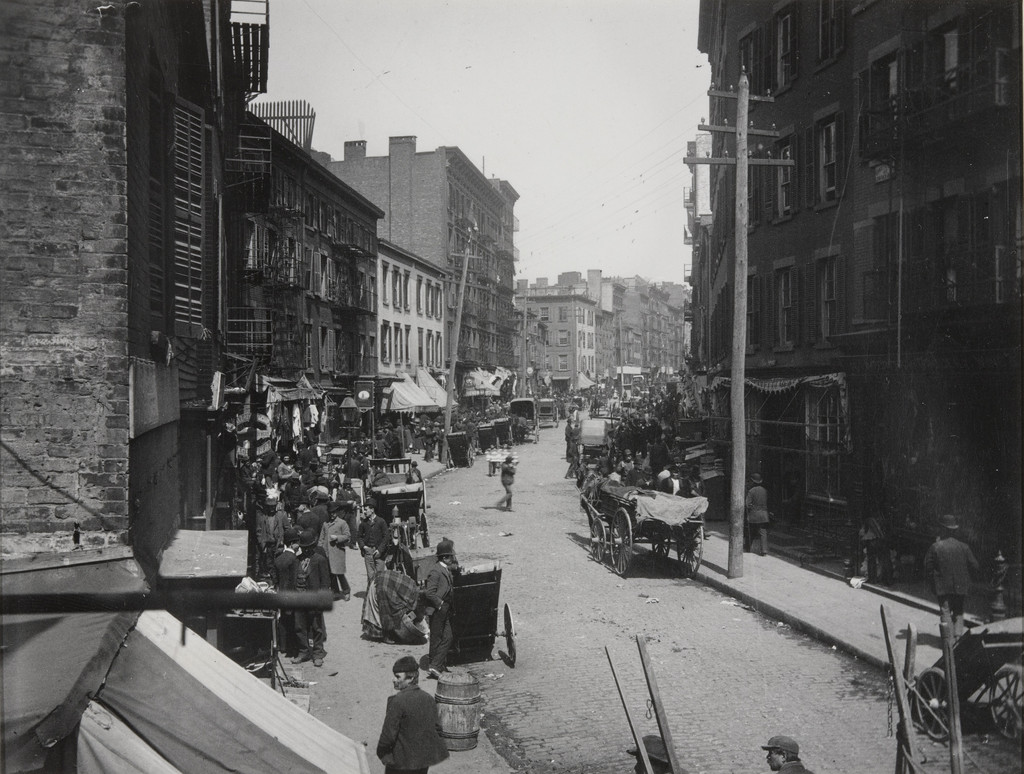
 Jacob August RiisEstados Unidos, 1849–1914
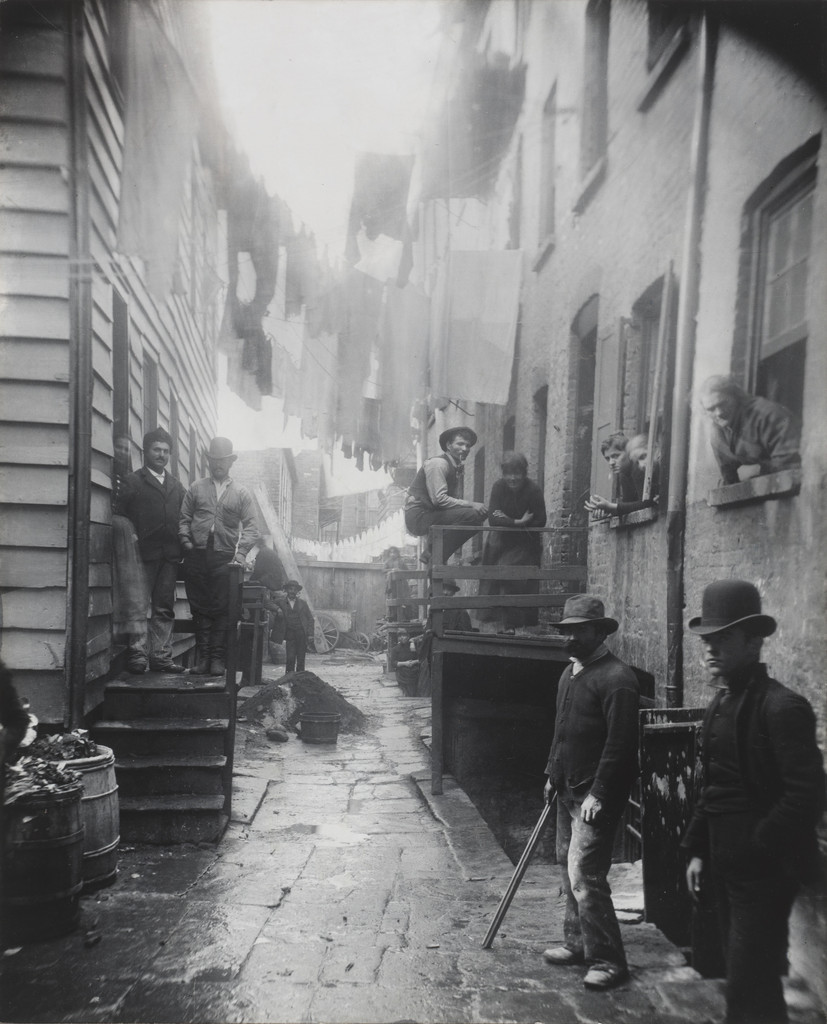
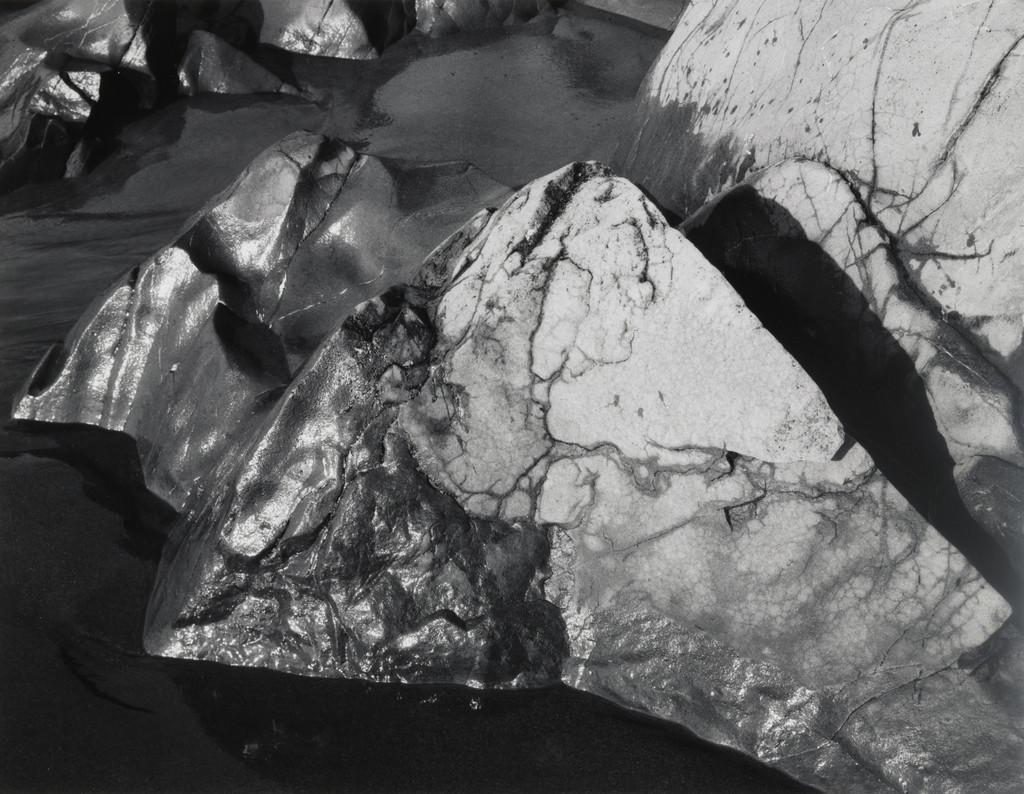
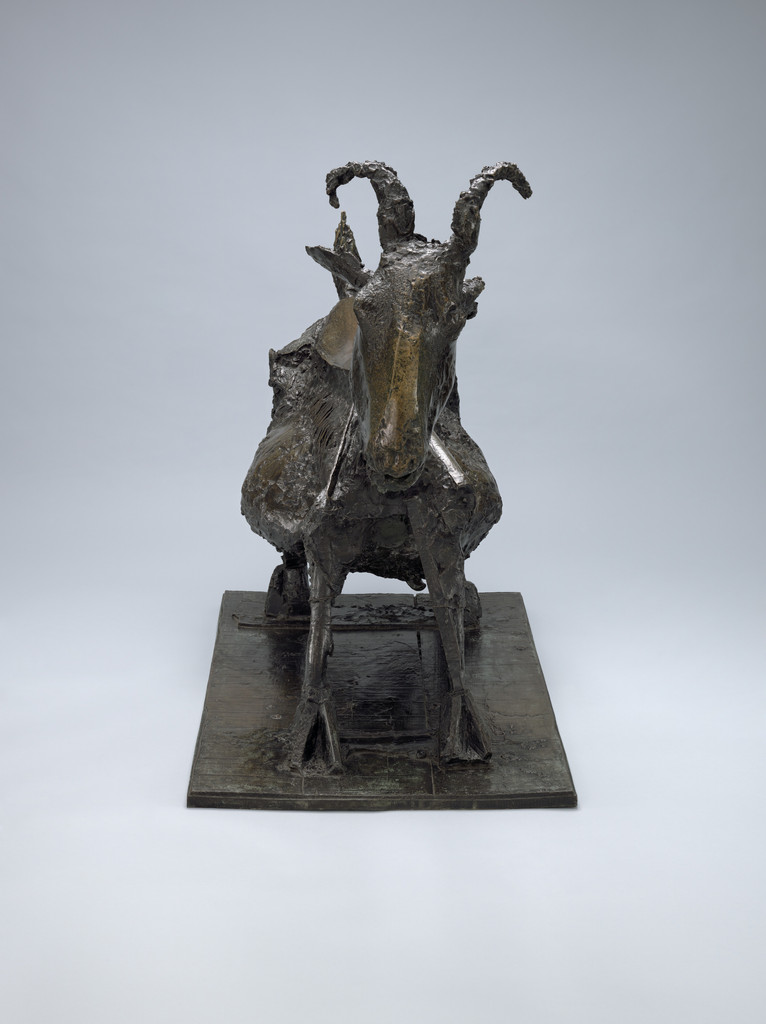
The Bend
Será possível contemplá-la?
De momento, não recebe

Museu de Arte Moderna
Nova Iorque, Estados Unidos
Pertence à coleção, mas de momento não está exposta.
- Verificado
- Fonte
- Os dados da própria coleção do museu
Pormenores
- Número de inventário
- 333.1964
No catálogo
Fontes
- Museu de Arte Moderna: the museum's own open data · obtido há 14 dias
- Imagem: Museu de Arte Moderna — © the artist or rights holder
Entretanto, na vida de Jacob August Riis
A vida inteira1870–1914 · Local de trabalho
New York City
early 1887
Learns of flash photography
Riis was no good at sketching, and the slow lenses and emulsions of the 1880s seemed useless for photographing dark interiors. Reading that a way has been found to take pictures by flash of magnesium powder — a German invention by Adolf Miethe and Johannes Gaedicke — he sees how to show the slums more vividly than words.
1887
Four men begin photographing the slums with flash
Riis tells John Nagle, a friend who is chief of the Bureau of Vital Statistics in the City Health Department and a keen amateur photographer, about the flash; Nagle finds two more photographers, Henry Piffard and Richard Hoe Lawrence, and the four begin to photograph the slums. The pistol-like lamps are dangerous and look threatening, so Riis later lights magnesium powder on a frying pan instead.
1888–1889
Lantern-slide lectures and new acquaintances
An editor at Harper's New Monthly Magazine says he likes the photographs but not the writing, and Riis decides to speak to the public directly: Adolph Schauffler and Josiah Strong arrange a lecture at the Broadway Tabernacle, and a Health Department clerk, W. L. Craig, becomes his partner. The lantern-slide lectures make little money but bring Riis together with Charles Henry Parkhurst and an editor of Scribner's Magazine, who invites him to submit an illustrated article.
Christmas 1889
The article “How the Other Half Lives” in Scribner's Magazine
An eighteen-page article by Riis, illustrated with line drawings made from his photographs, appears in the Christmas 1889 issue of the magazine. Its publication brings an invitation to expand the material into an entire book.
1890
The book “How the Other Half Lives” is published
He writes “How the Other Half Lives: Studies Among the Tenements of New York” at night, reporting for the New York Sun by day and lecturing in the evenings. It reuses the line drawings from the magazine article and adds seventeen halftone reproductions of photographs — the first extensive use of halftones in a book; it sells well, though some reviewers fault the author for oversimplifying and exaggerating (other accounts give 1891 as the year of publication).