 Pierre PugetFrança, 1620–1694
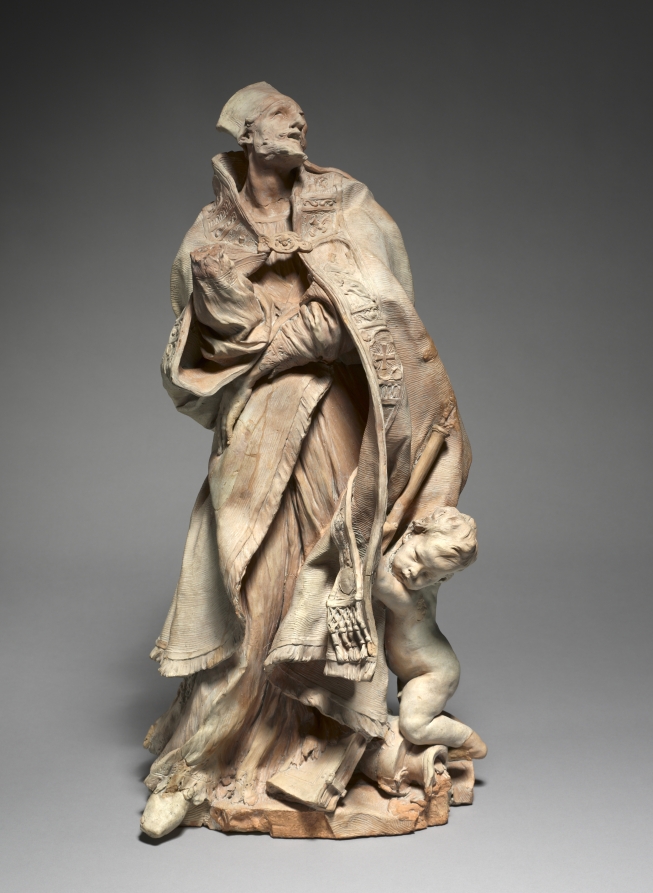
Study for The Blessed Alessandro Sauli
Será possível contemplá-la?
Sim, exposta agora
Onde está «Study for The Blessed Alessandro Sauli» hoje? Museu de Arte de Cleveland, 212 Baroque Painting and Sculpture, Cleveland. Sim, exposta agora. Verificado 29 de setembro de 2026.

Exposta ao público.
- Verificado
- Neste estado desde
- Fonte
- O museu
Sobre a escultura
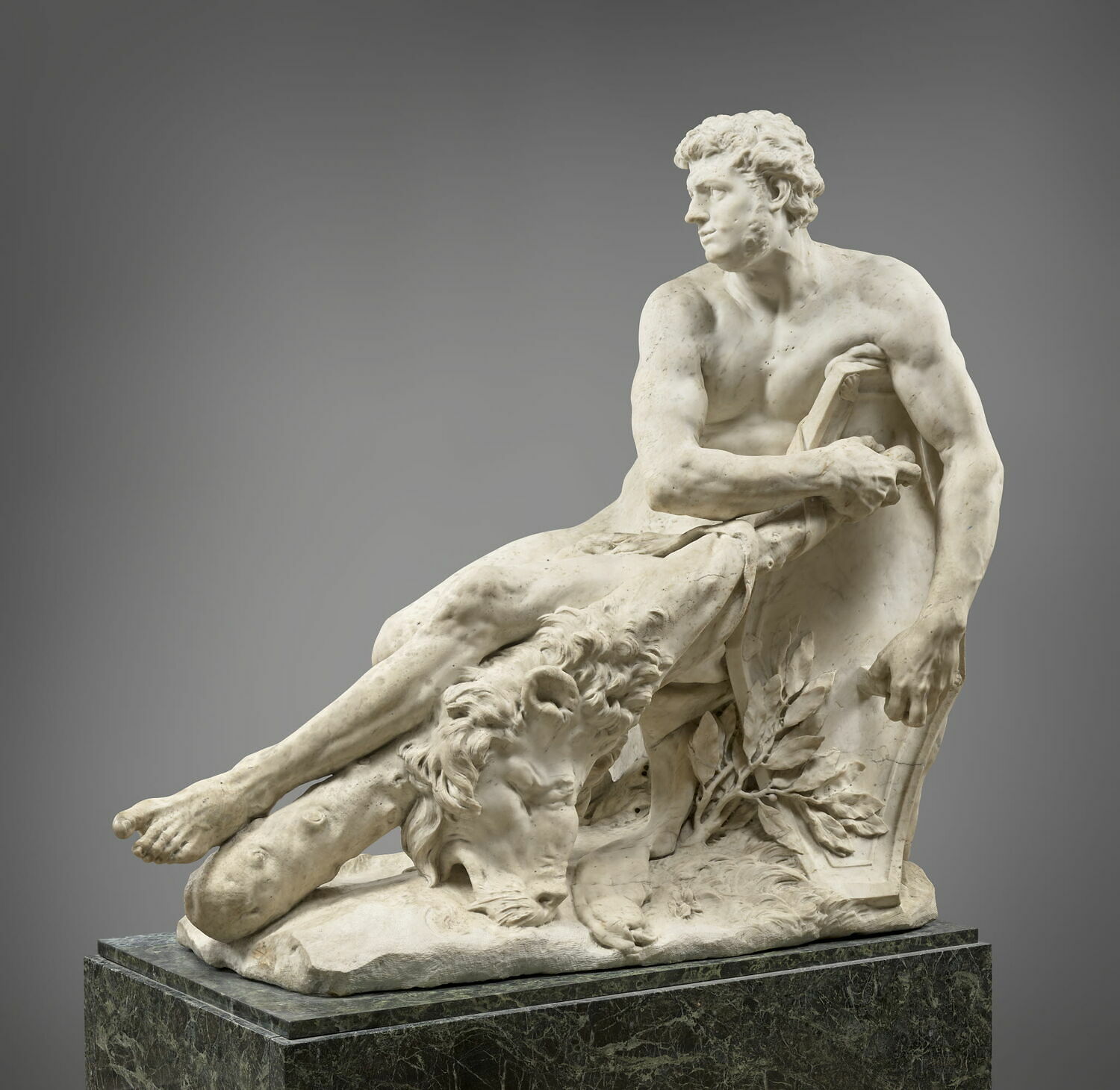
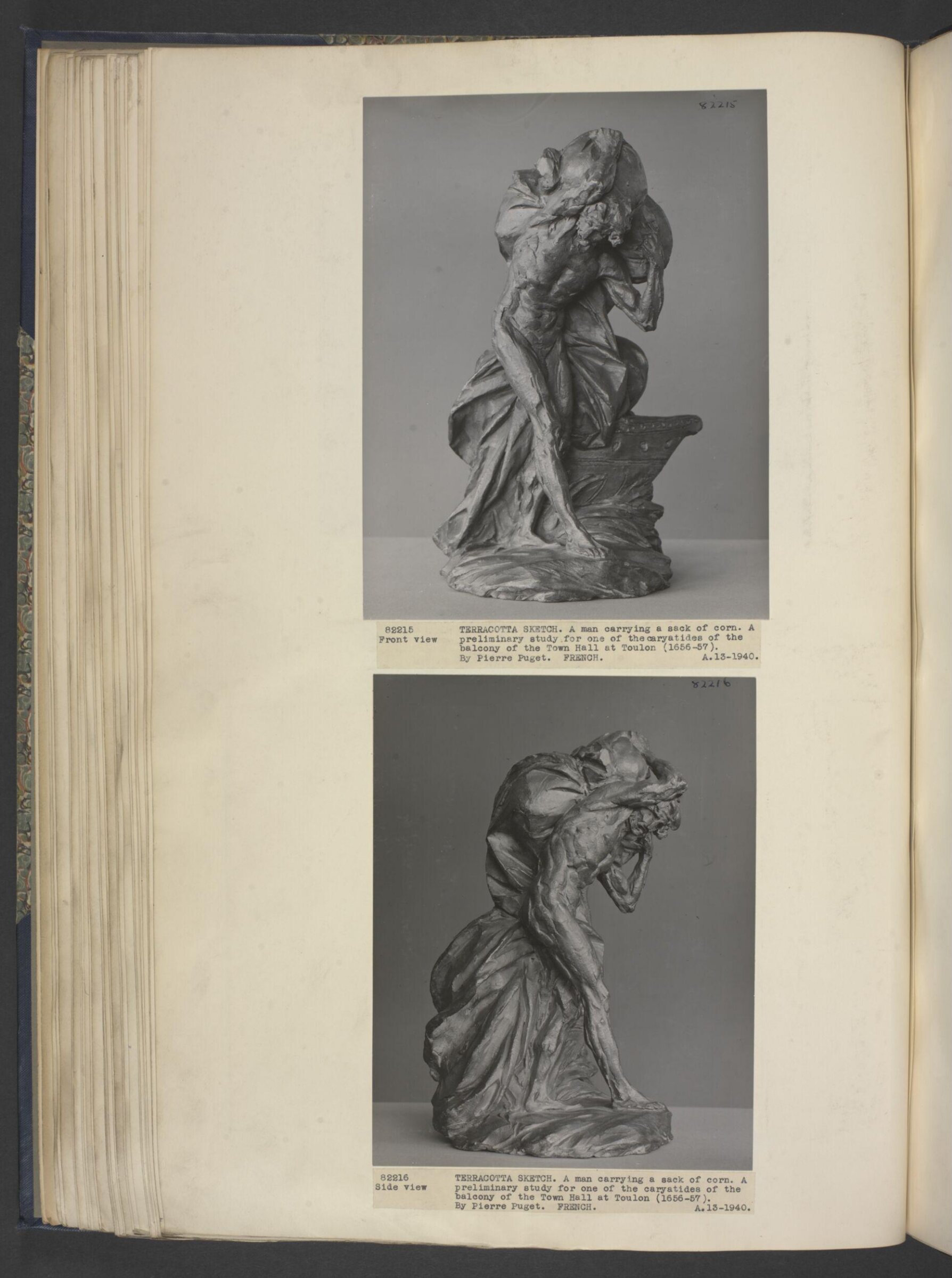
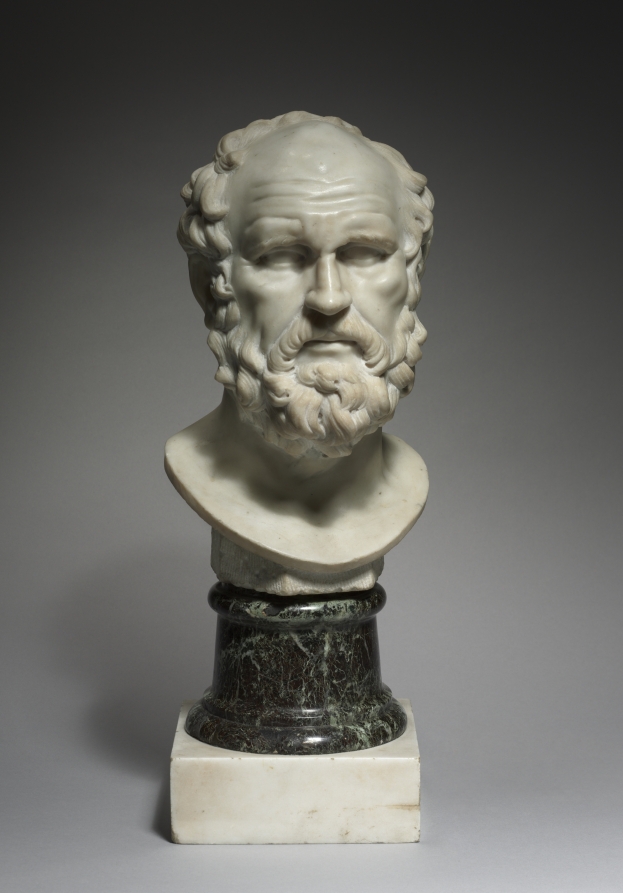
A famous preacher from an aristocratic family in Genoa, Sauli (1534-1591) spearheaded important Catholic reforms, including popular missions and restructuring the church to reach a broader spectrum of worshippers. This sculpture is a model for a large statue commissioned by the Sauli family for a Genoese church. Although the open book speaks to Sauli’s work as a reformer, his twisting body and facial expression indicate utter absorption in a deeply personal vision.
Museu de Arte de Cleveland
Pormenores
- Número de inventário
- 1964.36
No catálogo
Fontes
- Museu de Arte de Cleveland
- Imagem: Museu de Arte de Cleveland — Museum open access
Entretanto, na vida de Pierre Puget
A vida inteira5 September 1661
Fouquet is arrested on Colbert’s accusation
Nicolas Fouquet was arrested and imprisoned on Colbert’s accusation of using government funds for his own purposes. The statue commissioned for his garden was later sent instead to the Château de Sceaux, Colbert’s more modest residence; it is now in the Louvre.
1661–1669
Decides to stay in Italy for a time
He decided to stay in Italy for a time, making long visits to Rome and Genoa; his principal patron there was the nobleman Francesco Maria Sauli. For the French patron Emmanuel Brignole he made a notable statue, “The Immaculate Conception”, for the chapel of an Albergo in Genoa, and he declined the Genoese senate’s proposal to paint their council chamber in order to devote himself to sculpture.
1665
Serious illness: he gives up painting
A serious illness and the advice of his doctors made him abandon painting entirely. Altogether he is recorded as having painted fifty-six paintings, of which nineteen were documented in 1868 as still existing.
1669
Return to France and a dispute with Colbert over his post
He returned to France and divided his time between Toulon and Marseille; offered the post of chief of decoration for the warships, he demanded to be considered an officer, not a worker, and to have the final say over the royal artists Le Brun and Girardon. Colbert found this unacceptable and gave Girardon the commission to decorate the Royal Louis; Puget was instead charged with decorating ten new men-of-war and designing a new headquarters building for the fleet.
1669
Conflict with the Chevalier de Clairville
The new Commissioner of Fortifications, the Chevalier de Clairville, changed all of Puget’s plans, removed decoration he considered unnecessary and rejected his new headquarters building. Puget appealed to Colbert, but Colbert sided with Clairville.
1670
Sidelined from the decoration of the ships
When he returned to the dockyards he found a new officer in command and the decoration of ships he had begun given to others. On Colbert’s instructions any work he did had to be approved by Le Brun and the senior sculptors in Paris, and he was to design only what he was told to design; Colbert added that British ships had little or no sculptural decoration and usually won battles, so French ships should also be without it.