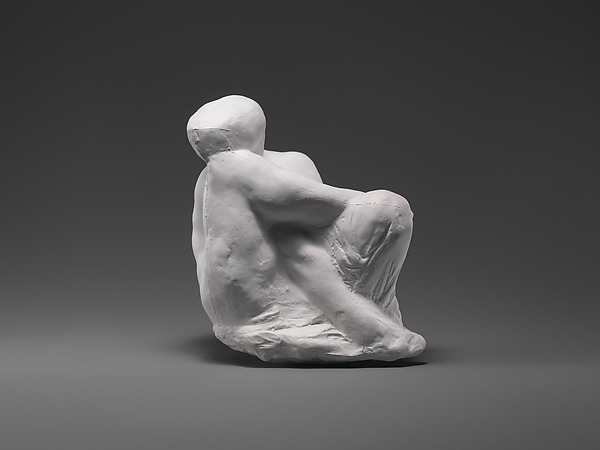
 Auguste RodinFrança, 1840–1917
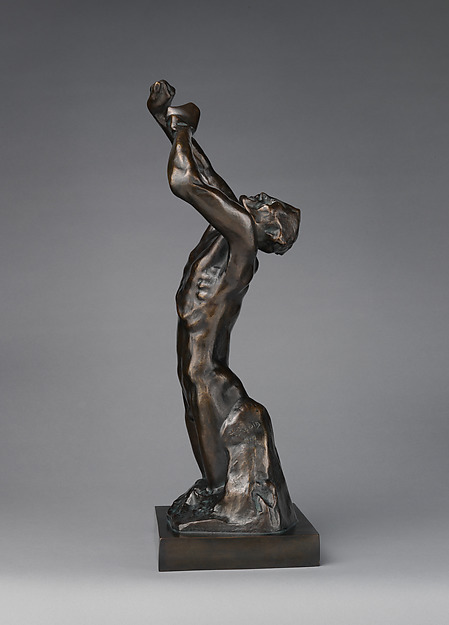
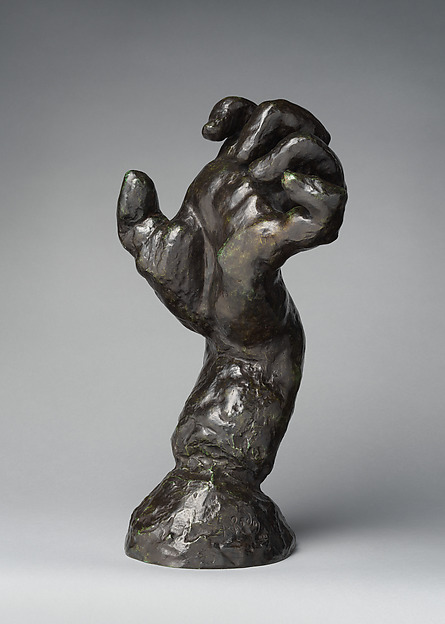
Study for Obsession
Dá para ver?
Sim, exposta agora
Onde está “Study for Obsession” hoje? Museu Metropolitano de Arte, Sala 800, Nova Iorque. Sim, exposta agora. Verificado 23 de novembro de 2026.

Nova Iorque, Estados Unidos
Aberto agora· até às 17:00
Exposta ao público.
- Verificado
- Com este status desde
- Fonte
- O museu
Sobre a escultura
Study for Obsession is a plaster by Auguste Rodin at the Met in New York, modelled around 1896 and cast before 1912. The enclosed pose of the nude woman compresses her body into an almost abstract form. At only 14 cm high, the study was among Rodin's gifts to the collection in 1912. Visitors can see it in Gallery 800.
Detalhes
- Número de inventário
- 12.12.4
O que mostra
No catálogo
Fontes
- Museu Metropolitano de Arte
- Imagem: Museu Metropolitano de Arte — Open Access (CC0)
Na vida de Auguste Rodin
A vida inteira1895
Buys the Villa des Brillants at Meudon
Rodin bought the Villa des Brillants estate near Paris and moved his studio there, but there was not enough room and two years later it went back to Paris. His income let him collect: Egyptian, Greek and Roman sculpture, Persian miniatures and paintings by his contemporaries, including Van Gogh's “Portrait of Père Tanguy”.
1898
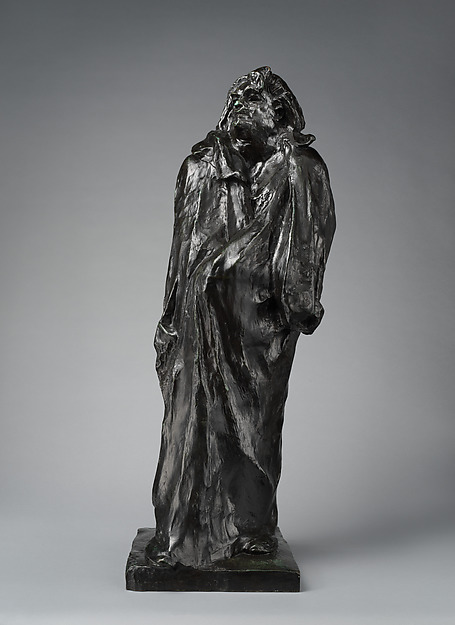
The scandal over “Balzac”
The monument's showing in 1898 caused a storm: the Société des Gens de Lettres rejected it, the press ran parodies, and Monet, Debussy and the future premier Clemenceau signed a manifesto in Rodin's defence. Rodin repaid the commission and moved the statue to his garden; he never completed another public commission.
1898
Parts from Camille Claudel
Rodin never gave up Rose Beuret, his companion of the lean years and the mother of his son; in 1898 he and Claudel parted. A few years later Claudel suffered what is called a nervous breakdown, and her family confined her to an institution for thirty years.
1900
Rodin's pavilion at the World's Fair
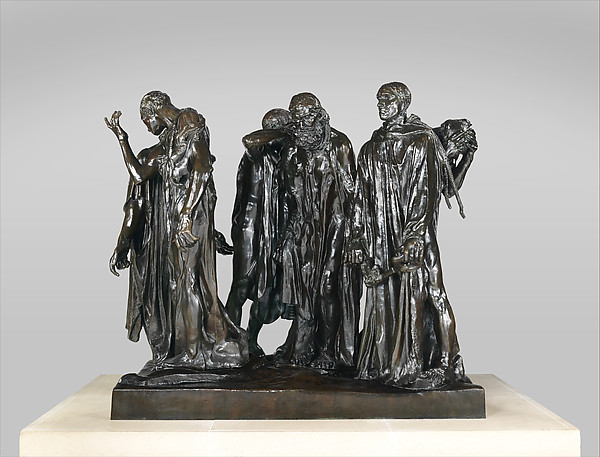
The French government gave him an entire pavilion: a retrospective of 136 sculptures and 14 unfinished works showed “The Gates of Hell” for the first time. The exhibition brought sales of sculptures to museums around the world worth about 200,000 francs.
1905–1906
Rilke as Rodin's secretary
In 1905–1906 the sculptor's private secretary was the German poet Rainer Maria Rilke, who later wrote an admiring monograph on Rodin.
1908
Moves into the Hôtel Biron
Rilke invited Rodin to the eighteenth-century mansion where he rented rooms; Rodin liked it so much that he took the ground floor, moved his studio there and lived there for his last years.