 Thomas Hart BentonEstados Unidos, 1889–1975
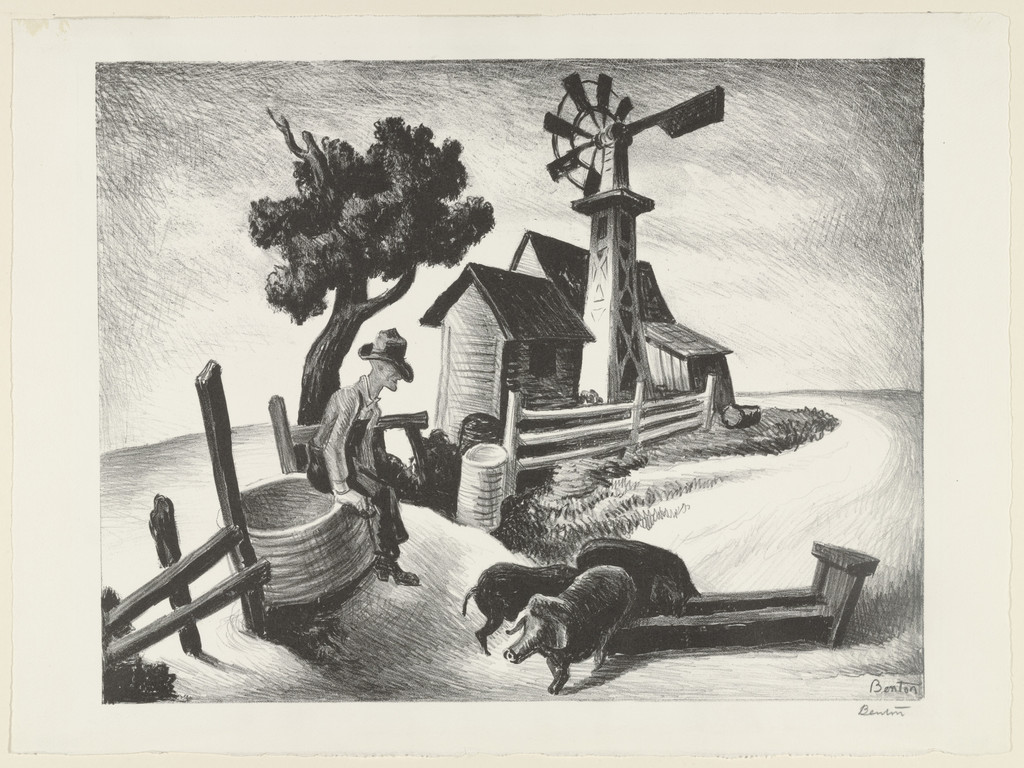
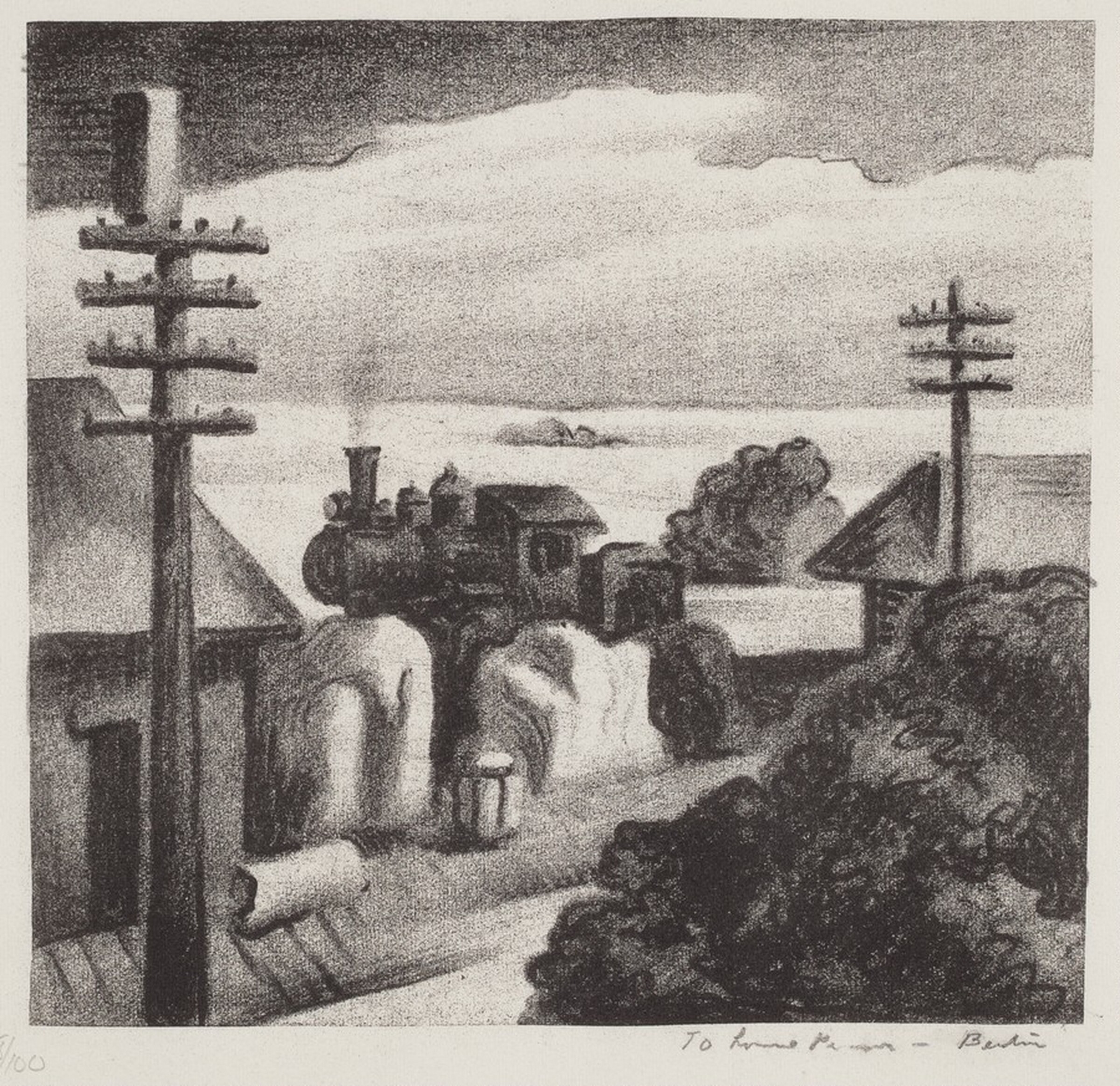
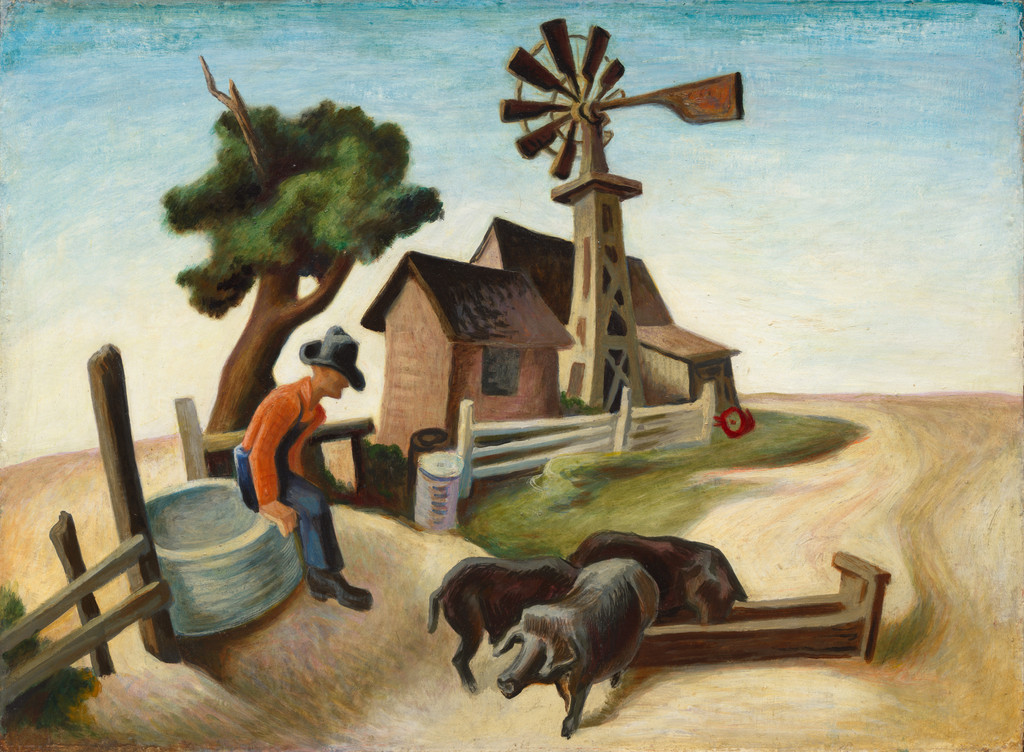
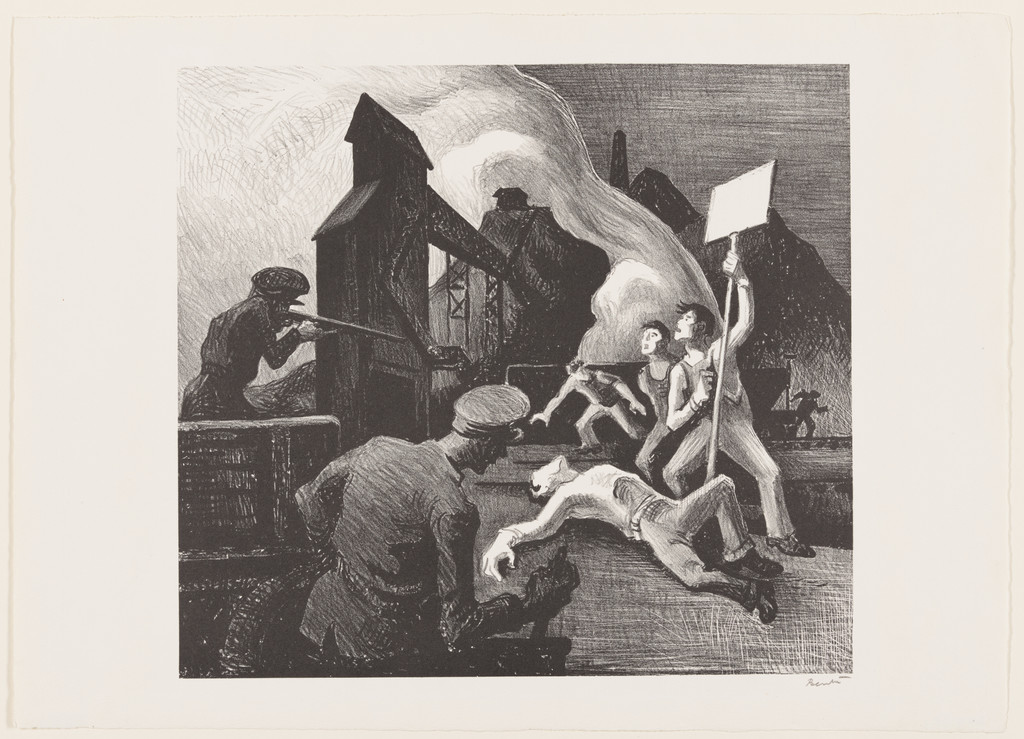
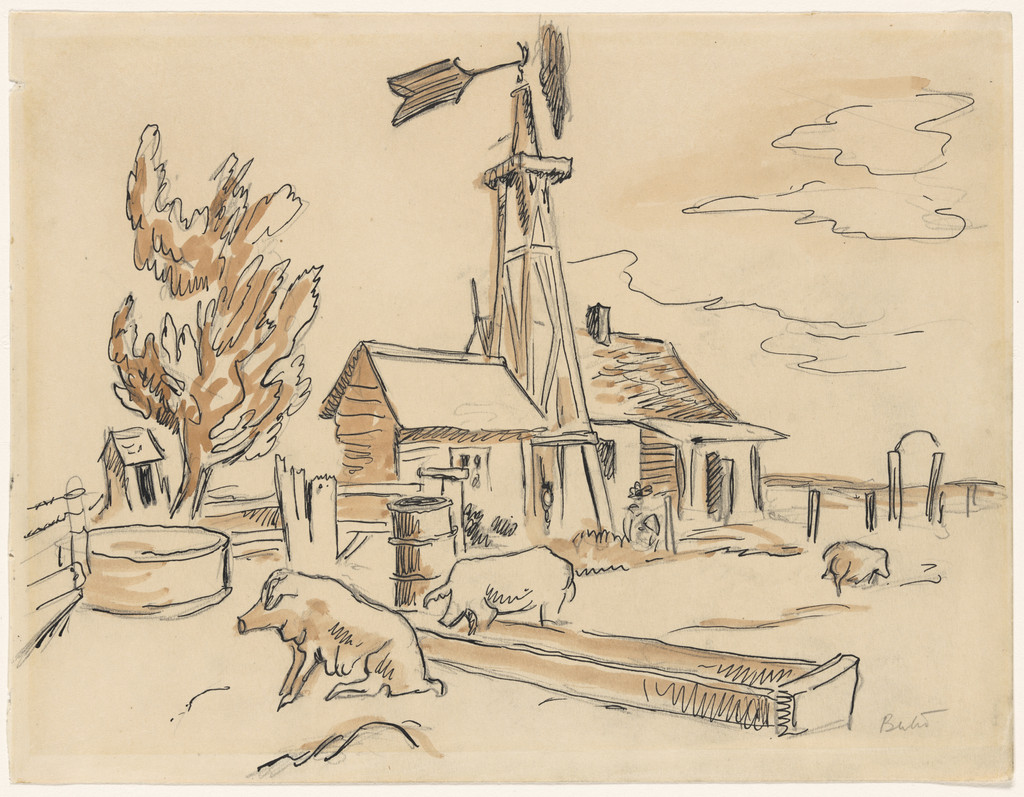
Study for Homestead
Será possível contemplá-la?
De momento, não recebe

Nova Iorque, Estados Unidos
Pertence à coleção, mas de momento não está exposta.
- Verificado
- Fonte
- O museu
Pormenores
- Número de inventário
- 1537.1968
No catálogo
Fontes
- Museu de Arte Moderna
- Imagem: Museu de Arte Moderna — © the artist or rights holder
Entretanto, na vida de Thomas Hart Benton
A vida inteira1926
Birth of his son, Thomas
A son is born, Thomas Piacenza Benton (1926–2010). From the age of three to nine the boy attends the City and Country School in New York in exchange for his father's teaching art there; Benton will later include the school's founder, Caroline Pratt, in one of the panels of “America Today”.
1926–1935
Employed by: Art Students League of New York
late 1920s – early 1930s
Jackson Pollock among his students
Among Benton's students at the Art Students League of New York is Jackson Pollock, the future founder of Abstract Expressionism. Pollock often said that Benton's traditional teaching gave him something to rebel against.
1929–1974
92 lithographs, 1929–1974
From 1929 to 1974 Benton produces 92 lithographs in editions ranging from 2 to 500; the signed, limited-edition lithographs are sold at five dollars each through the Associated American Artists Galleries in New York.
early 1930s
A summer touring the West with Glen Rounds
Spends a summer touring the Western United States with his student Glen Rounds, who will become a prolific author and illustrator of children's books.
1932
A breakthrough: the commission for the Indiana murals
He breaks through to the mainstream: a relative unknown, he wins the commission to paint murals of Indiana life that the state has planned for the 1933 Century of Progress Exhibition in Chicago. The success brings him fame in the following years.