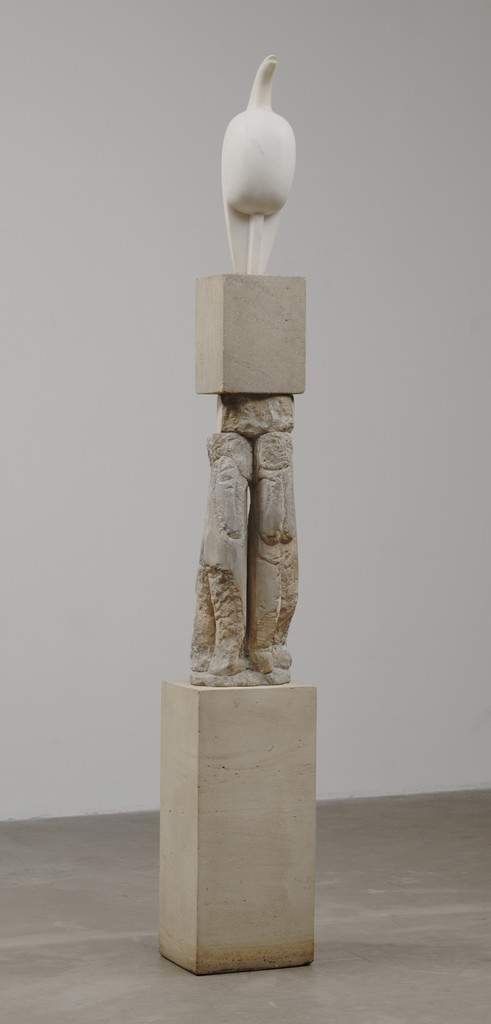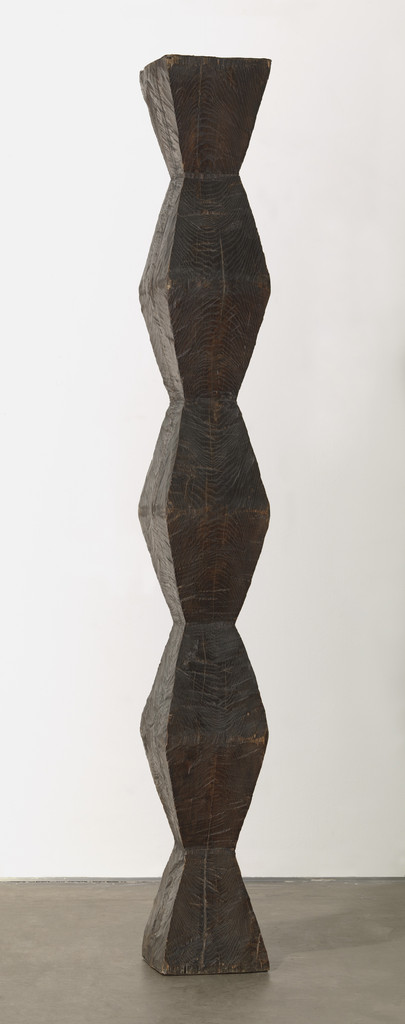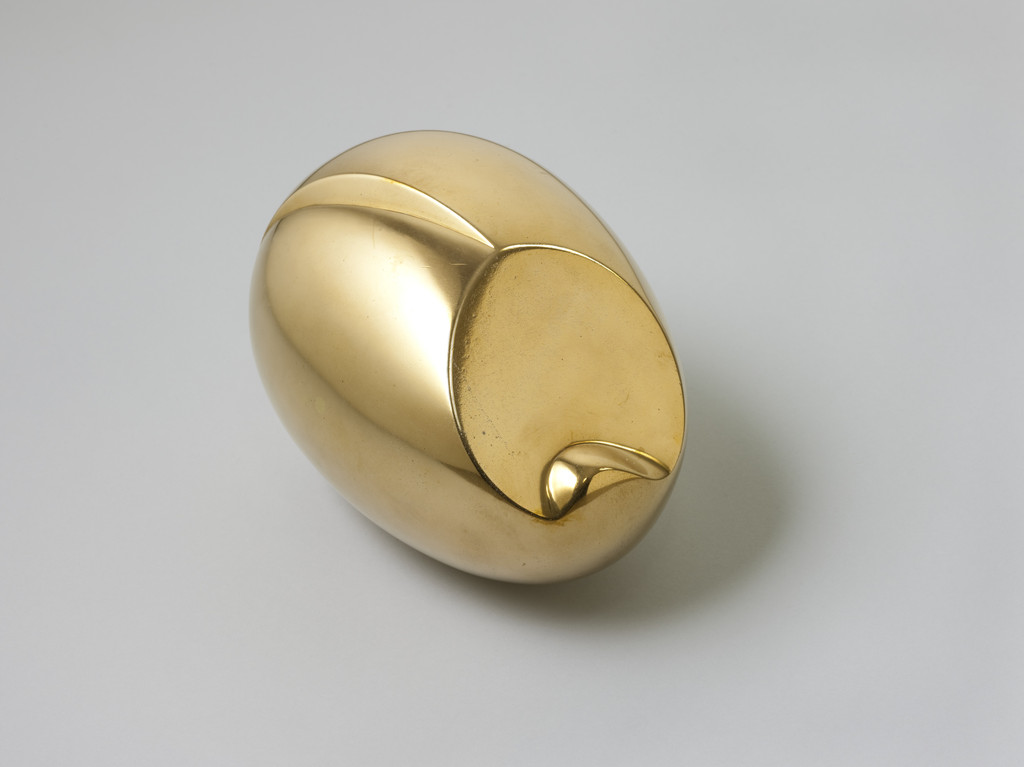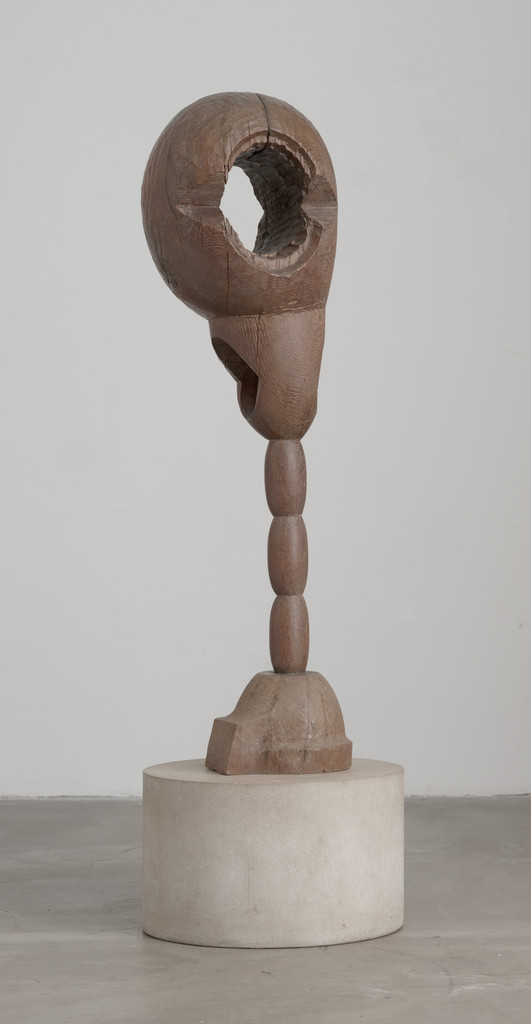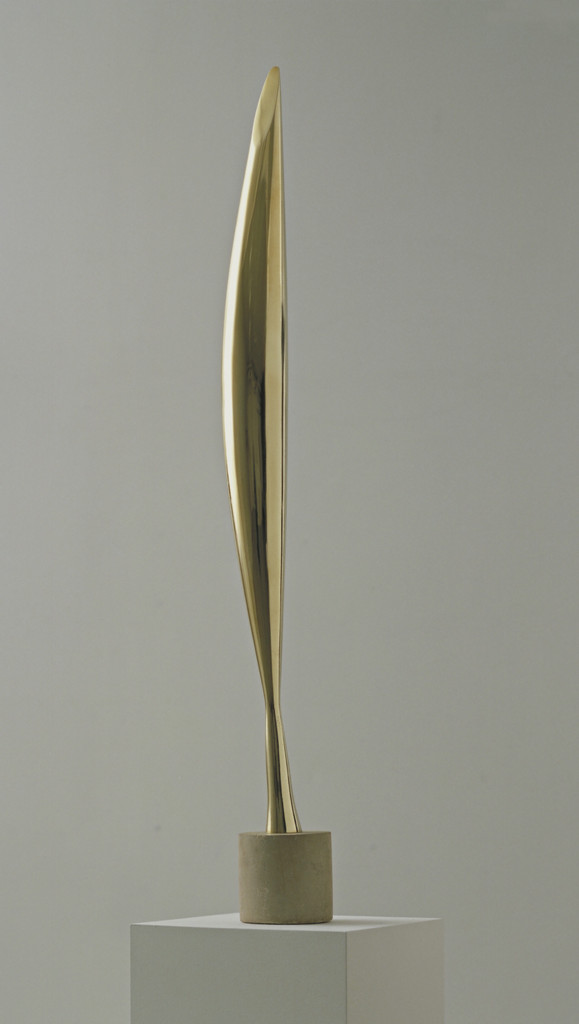
 Constantin BrancusiRoménia, 1876–1957
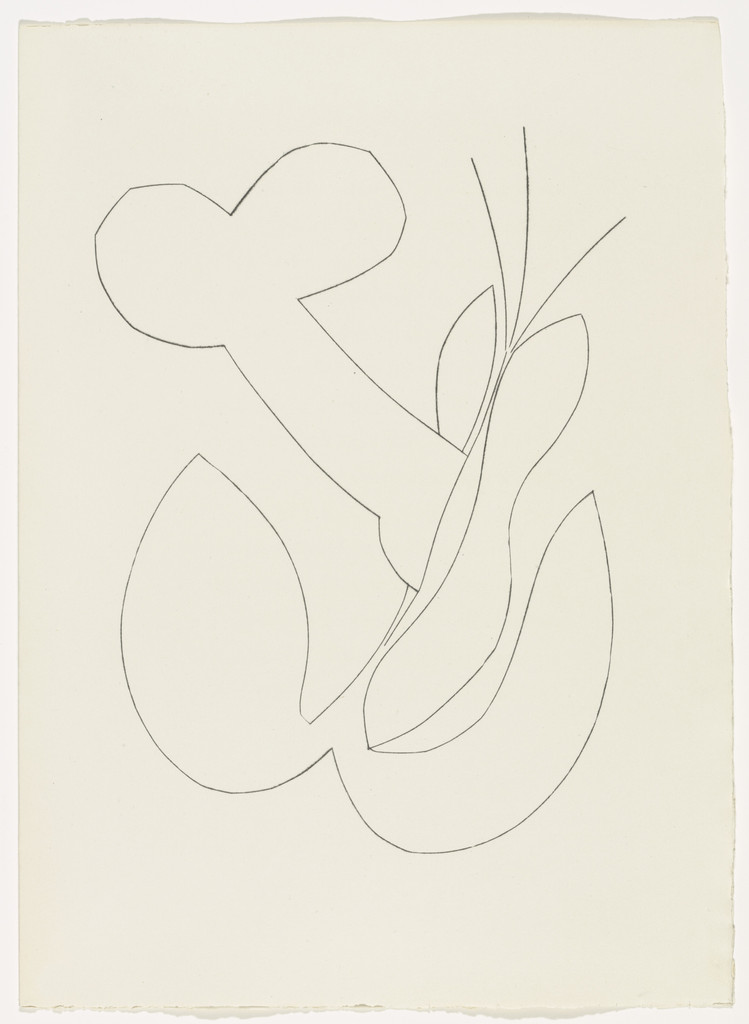
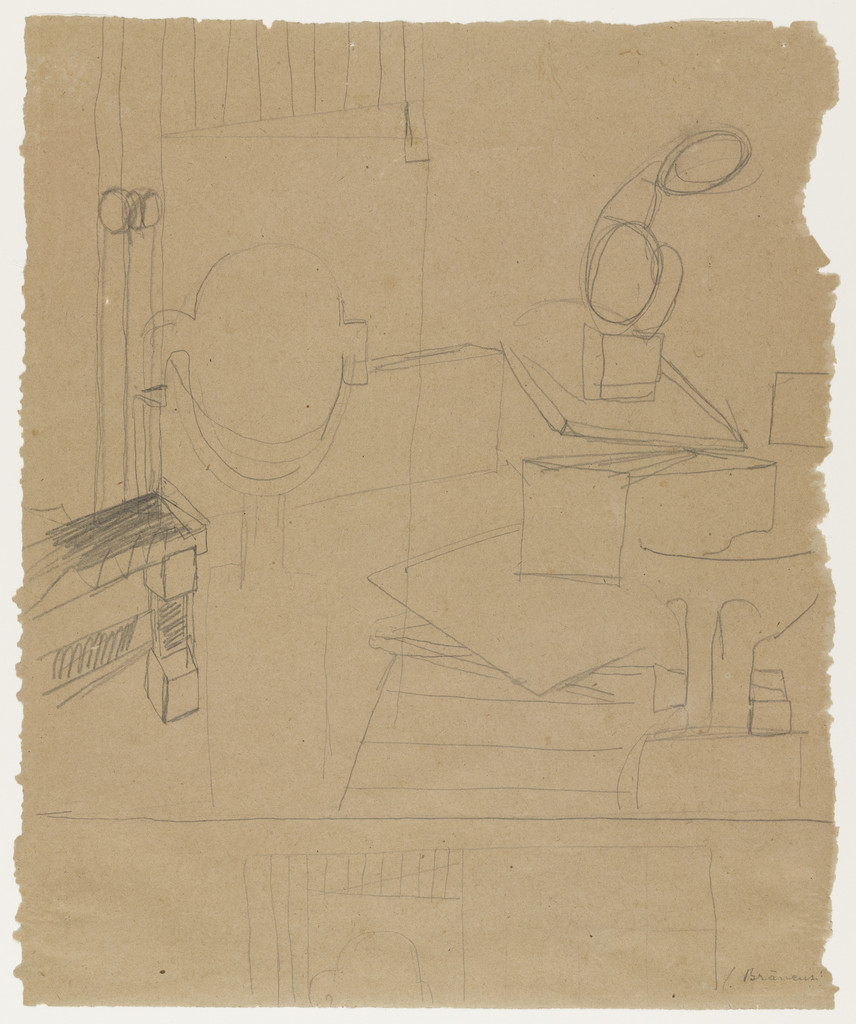
Studio drawing
Será possível contemplá-la?
De momento, não recebe

Museu de Arte Moderna
Nova Iorque, Estados Unidos
Pertence à coleção, mas de momento não está exposta.
- Verificado
- há 13 dias
- Fonte
- Os dados da própria coleção do museu
Pormenores
- Número de inventário
- 702.1980
Fontes
- Museu de Arte Moderna: the museum's own open data · obtido há 13 dias
- Imagem: Museu de Arte Moderna — © the artist or rights holder
Entretanto, na vida de Constantin Brancusi
A vida inteira1910s
“Mobile groups”: rearranging the sculptures
During the 1910s Brâncuși arranges sculptures and pedestals in changing compositions that he calls “mobile groups”: he moves the works and watches how each change alters the space around them. When he sells a sculpture he often puts a plaster version in the same position, and by the 1920s the studio is also an exhibition space whose arrangement forms part of the work.
1914
The patron John Quinn
The lawyer and collector John Quinn, a supporter of the Armory Show, buys works from Brâncuși and remains in contact with him until his death in 1924; in 1914 he acquires a version of “Mademoiselle Pogany” from 291.
12 March – 4 April 1914
His first US solo show at the gallery 291
Edward Steichen selects the works for Brâncuși’s first solo exhibition in the United States: eight sculptures, including “Măiastra” and “Mademoiselle Pogany”, are shown at 291, the gallery run by Alfred Stieglitz. Agnes and Eugene Meyer pay for their transportation and begin buying works directly from Brâncuși.
1915–1917
The First World War: a refusal to serve
Brâncuși stays in Paris after the outbreak of World War I; in 1915 he donates works to an exhibition at Bernheim-Jeune that raises money for Polish artists affected by the war. As a Romanian citizen he remains liable for military service, but he refuses to serve in 1916 and receives a permanent exemption on 8 November 1917.
early 1916
Moving into the Impasse Ronsin
In early 1916 Brâncuși moves into number 8 Impasse Ronsin and later occupies number 11 as well, cutting openings through the walls to join first two studios and then three; in 1936 and 1941 he adds rooms for unfinished works, his workbench and his tools. He furnishes the studio with pieces he makes himself — a large stone slab as a table, a fireplace recalling rural houses in Oltenia — and cooks his own food, serving Romanian dishes to friends.
1916
The Modern Gallery buys “The Newborn I”
In 1916 the Modern Gallery, founded by Marius de Zayas, buys “Le Nouveau-Né I”; the sale widens the group of American collectors following his work. Brâncuși also begins photographing his sculptures and testing different arrangements for them inside the studio.