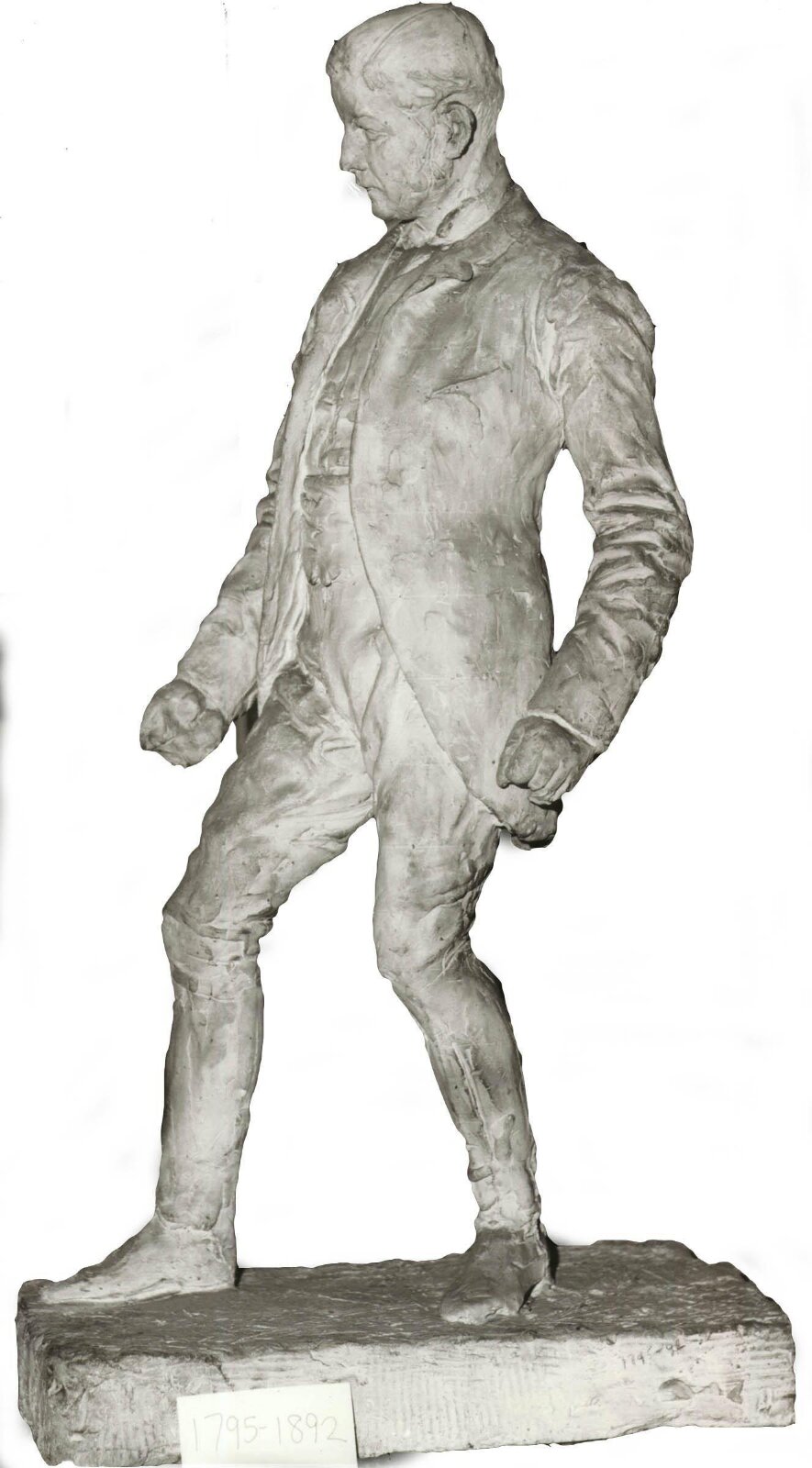
Boehm
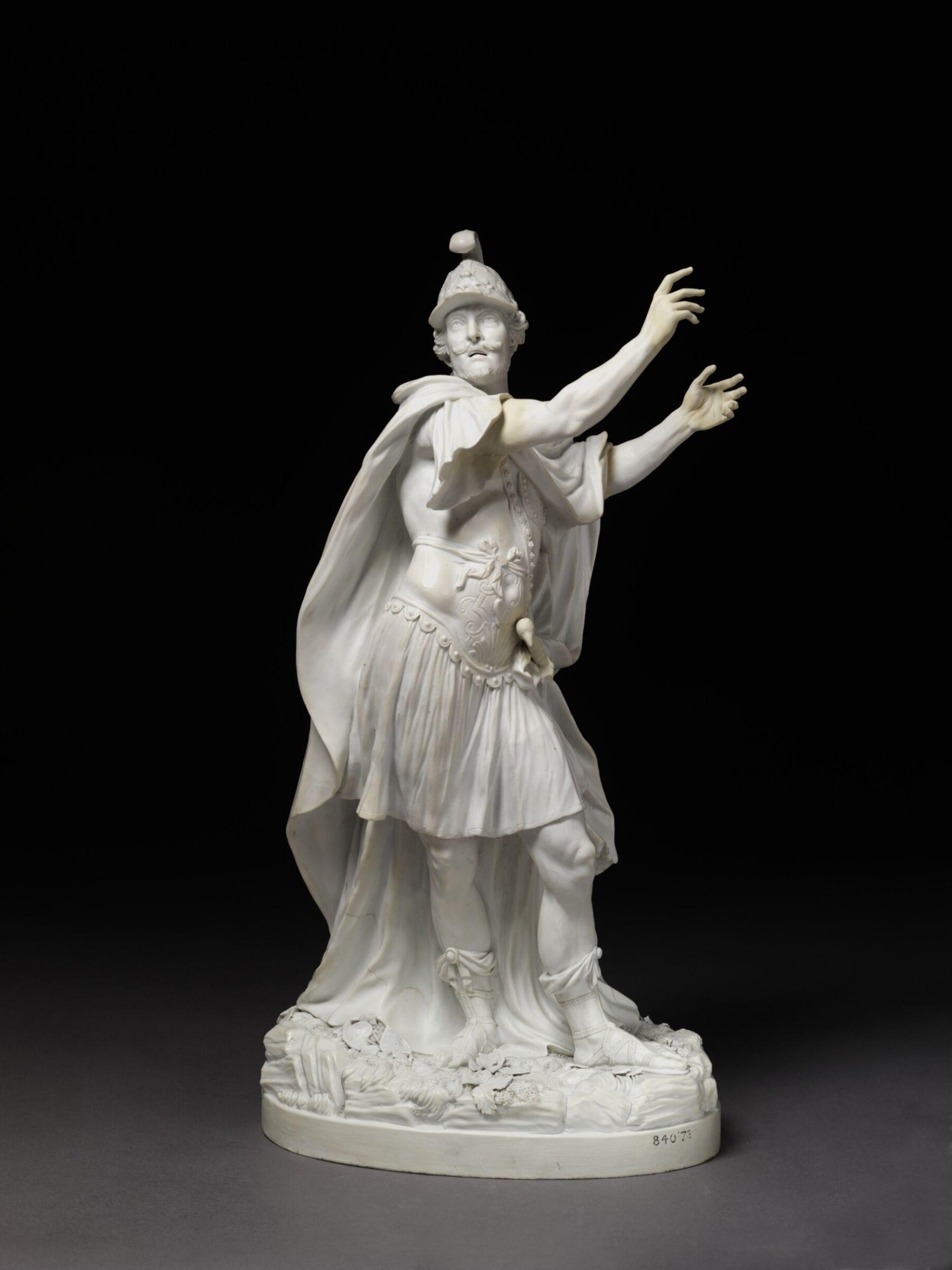
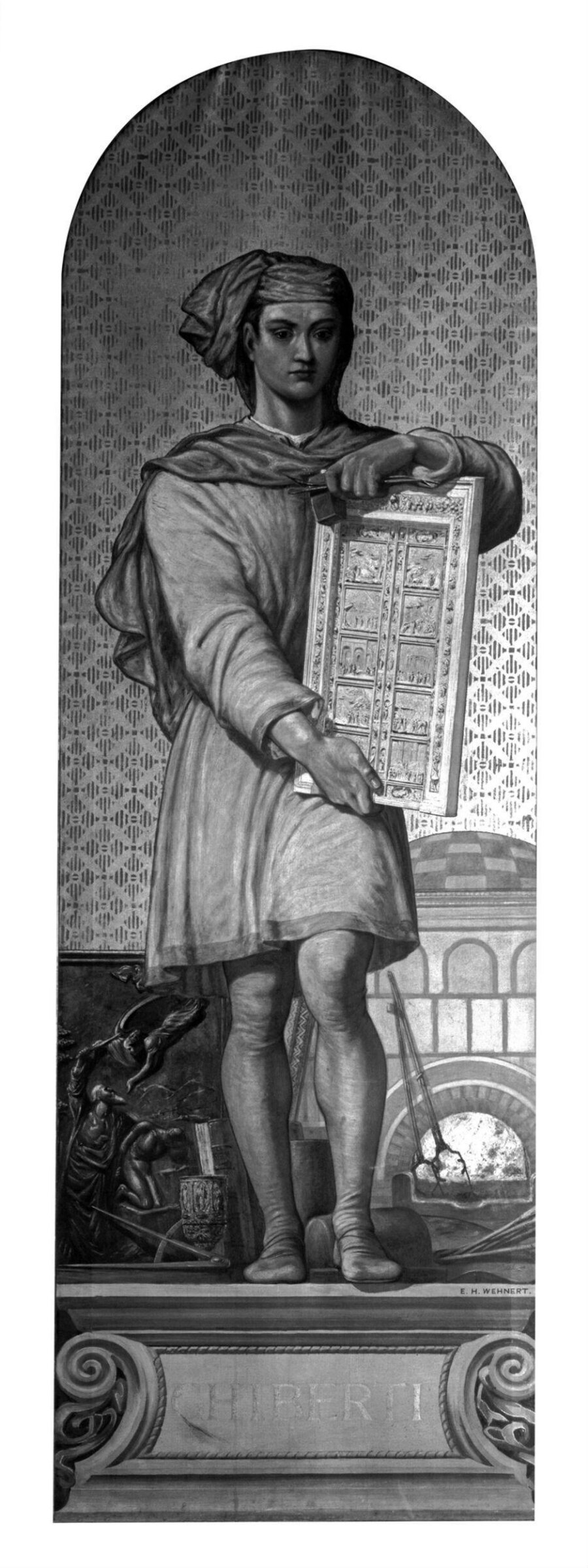
Standing man
Será possível contemplá-la?
De momento, não recebe

Museu Vitória e Alberto
Londres, Reino Unido
Pertence à coleção, mas de momento não está exposta.
- Verificado
- há 8 dias
- Neste estado desde
- 25 de set. de 2026
- Fonte
- Os dados da própria coleção do museu
About the sculpture
This figure was made by Sir Joseph Edgar Boehm in 1875-1890. The stance of this figure suggests it represents a groom holding a horse (now lost). The casting is very rough and pencil lines and numbers are visible on the figure suggesting it was possibly a working model for a larger figure.
Read on
Boehm (1834-1890) was an English sculptor and medallist born in Austrian, as the youngest son of Joseph Daniel Boehm (1794–1865), a court medallist and director of the Imperial Mint at Vienna. From 1848 to 1851 Joseph Edgar attended Leigh’s art academy (later Heatherley’s) in London and drew the Parthenon marbles in the British Museum. On his return to Vienna he enrolled at the Akademie der Bildenden Künste. Around 1858–9 he visited Italy, where he developed a lasting admiration for early Renaissance sculpture. From 1859 to 1862 he worked in Paris and was influenced by the work of Paul Gayrard (1807–1855). Boehm settled in London in 1862 where he befriended John Leech and John Everett Millais, both of whom he portrayed in statuettes in 1863. A statuette of William Makepeace Thackeray (1864) led to an edition of 70 plaster casts.
Boehm frequently worked in terracotta, a material common in French sculpture but less familiar in English. Queen Victoria’s admiration of Boehm’s statuettes led to an association with the royal family that lasted from 1869 until his death. Most of Boehm’s works are portrait busts. Boehm was immensely prolific: some 360 different works are documented. He was a highly consistent sculptor, rarely deviating from his brand of realism. He was modest about his immense popularity and aware of his imaginative shortcomings (cit.: M. Stocker: 'Boehm, Joseph Edgar').
Museu Vitória e Alberto
Pormenores
- Número de inventário
- 1795-1892
What it shows
No catálogo
Fontes
- Museu Vitória e Alberto: the museum's own open data · obtido há 8 dias
- Imagem: Museu Vitória e Alberto — © Victoria and Albert Museum, London